
How to Grow Eucalyptus Indoors: 7 Proven Care Steps

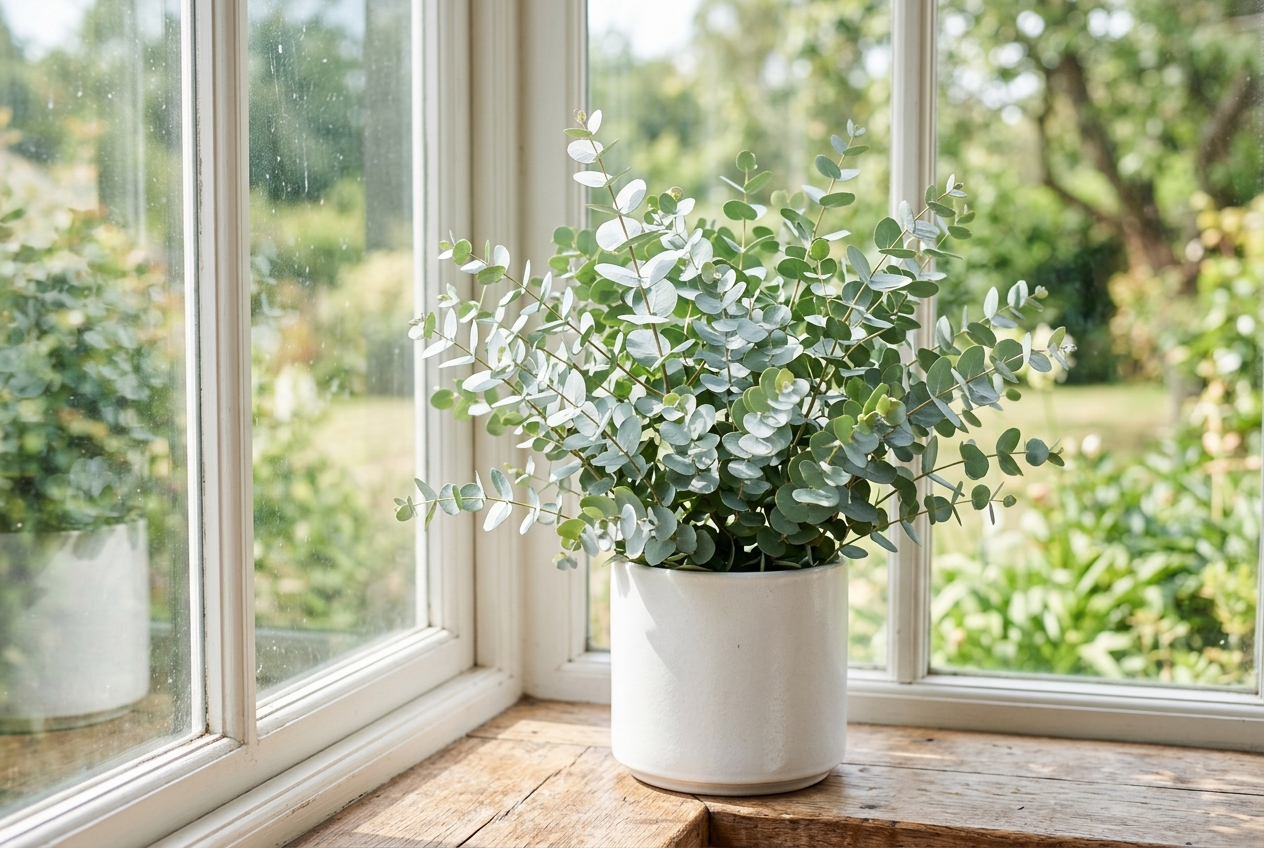
Mastering how to grow eucalyptus indoors is one of the most rewarding yet technically challenging horticultural pursuits for houseplant enthusiasts who crave silvery-blue foliage and soothing, aromatic essential oils. I am Dennis P. Hansen, an everyday home gardener sharing simple, practical plant care tips based on my day-to-day gardening practice at home. In this definitive guide, I will deconstruct the distinct photoperiodic requirements of Australian woody perennials, explain why eucalyptus trees often fail in low-light living rooms, and deliver my 7 proven steps to keep your containerized eucalyptus thriving indoors.
Table of Contents: Jump to a Section
- 1. Top Eucalyptus Species for Indoor Container Culture
- 2. Daily Light Integral (DLI) & PPFD: The High-Light Imperative
- 3. 7 Proven Steps: How to Grow Eucalyptus Indoors
- 4. Pruning and Pinching: Maintaining Bushy Juvenile Foliage
- 5. Taproot Sensitivity: Repotting and Container Mechanics
- 6. Soil Porosity & Irrigation: Avoiding Root Rot and Desiccation
- 7. Troubleshooting Crispy Leaves, Leaf Drop, and Leggy Growth
- 8. Frequently Asked Questions (FAQ)
- 9. Final Verdict & Dennis’s Eucalyptus Maintenance Checklist
Native to the sun-drenched, arid-to-temperate scrublands and open forests of Australia and Tasmania, eucalyptus trees (specifically species like Eucalyptus gunnii, Eucalyptus cinerea, and Eucalyptus pulverulenta) are not true understory tropical houseplants. They are rapid-growing woody perennials adapted to intense ultraviolet radiation, porous mineral soils, and seasonal wind circulation. Discovering how to grow eucalyptus indoors requires replicating these high-energy Mediterranean and semi-arid conditions inside a domestic environment.
When grown in standard indoor rooms with dim ambient lighting and poor airflow, eucalyptus plants rapidly stretch, drop their lower juvenile leaves, and suffer from fungal mildew or root rot. Because eucalyptus foliage produces high concentrations of cineole (eucalyptol), healthy transpiration requires clean leaf surfaces; practicing foliar care described in How to Clean Indoor Plant Leaves ensures maximum light absorption. By mastering how to grow eucalyptus indoors with dedicated grow lights, gritty substrate physics, and aggressive apical pinching, you can enjoy a compact, fragrant indoor centerpiece that purifies the air and provides fresh floral cuts for years. Understanding how to grow eucalyptus indoors will completely transform your indoor gardening repertoire.
Top Eucalyptus Species for Indoor Container Culture
Selecting the right cultivar is the first critical decision in how to grow eucalyptus indoors. In the wild, some eucalyptus species reach over 100 feet in height, but specific dwarf and compact cultivars adapt exceptionally well to indoor pruning and container living:
| Species / Cultivar | Foliar Characteristics | Growth Habit & Scent | Indoor Suitability |
|---|---|---|---|
| Eucalyptus gunnii ‘Silver Drop’ (Cider Gum) | Rounded, silvery-blue juvenile leaves tightly clasping stems | Compact, highly branchable; sweet balsamic menthol aroma | Top choice for indoor containers; responds well to severe pruning |
| Eucalyptus cinerea (Silver Dollar Tree) | Coin-shaped, glaucous blue-gray leaves with silvery wax coating | Vigorous, upright grower; classic strong medicinal floral scent | Excellent for floral cutting; requires frequent pinching to stay bushy |
| Eucalyptus pulverulenta ‘Baby Blue’ (Florist Silver Dollar) | Shingled, overlapping circular leaves; intense blue powder | Naturally dwarf and shrubby; dense aromatic branch clusters | Exceptional dwarf form; maintains juvenile foliage indefinitely |
| Corymbia citriodora (Lemon-Scented Gum) | Lanceolate, soft fuzzy green leaves (smooth when mature) | Intense citrus-lemon fragrance (high citronellal content) | Great for aromatic tea/steam; needs direct full sun to avoid stretching |
Daily Light Integral (DLI) & PPFD: The High-Light Imperative

The single greatest cause of indoor eucalyptus mortality is insufficient light. Eucalyptus plants have an exceptionally high light saturation point, making illumination the most important factor in how to grow eucalyptus indoors:
1. Photosynthetic Photon Flux Density (PPFD) Requirements
While low-light houseplants (like Snake Plants or ZZ Plants) thrive on 50 to 100 µmol/m²/s, an indoor eucalyptus requires a minimum PPFD of 300 to 500 µmol/m²/s for basic maintenance, and 600+ µmol/m²/s for vigorous branching. Position your container in an unobstructed south-facing window that receives 6 to 8 hours of direct, blazing sunlight daily to successfully execute how to grow eucalyptus indoors.
2. Supplemental LED Grow Light Strategies
If direct natural sunlight is limited, you must provide full-spectrum LED grow lighting for 12 to 14 hours daily. Position a 30W to 50W full-spectrum LED bulb approximately 12 to 18 inches directly above the apical canopy to prevent leggy, weak stems, proving that grow lights are central to how to grow eucalyptus indoors.
7 Proven Steps: How to Grow Eucalyptus Indoors
Following a structured cultivation protocol ensures robust health and long-term vitality. Here are my 7 proven steps for how to grow eucalyptus indoors:
Step 1: Choose a Deep, Porous Terracotta Container
Eucalyptus develops a vigorous vertical taproot and extensive lateral feeder roots. Choose an unglazed terracotta pot that is at least 10 to 12 inches deep with substantial bottom drainage holes. Terracotta allows sidewall oxygen diffusion and fast drying, eliminating the root rot risks diagnosed in Why Are My Plant Leaves Turning Yellow.
Step 2: Formulate an Ultra-Porous Gritty Substrate
Never plant eucalyptus in dense peat soils. Blend 40% coarse horticultural pumice or perlite, 30% sandy loam or sifted potting soil, 20% composted pine bark fines, and 10% biochar charcoal. This gritty substrate drains in seconds and prevents stagnant root saturation, providing the ideal foundation for how to grow eucalyptus indoors.
Step 3: Provide Maximum Light Exposure
Place the potted eucalyptus in your brightest south-facing or west-facing window, supplemented with high-intensity LED grow lights to meet its high DLI threshold, ensuring consistent success in how to grow eucalyptus indoors.
Step 4: Water Thoroughly with the “Soak and Dry” Method
Eucalyptus has a high transpirational demand on sunny days but despises waterlogged roots. Allow the top 2 inches of soil to dry out completely between waterings, then soak the root ball until water flows from the drainage holes, similar to our principles in How to Water Succulents.
Step 5: Maintain Continuous Air Circulation
Eucalyptus foliage is adapted to outdoor breezes. Stagnant indoor air invites powdery mildew and leaf drop. Place a small USB or oscillating fan on low speed near your plant to provide gentle, continuous air movement, a vital environmental rule for how to grow eucalyptus indoors.
Step 6: Execute Routine Apical Pruning and Pinching
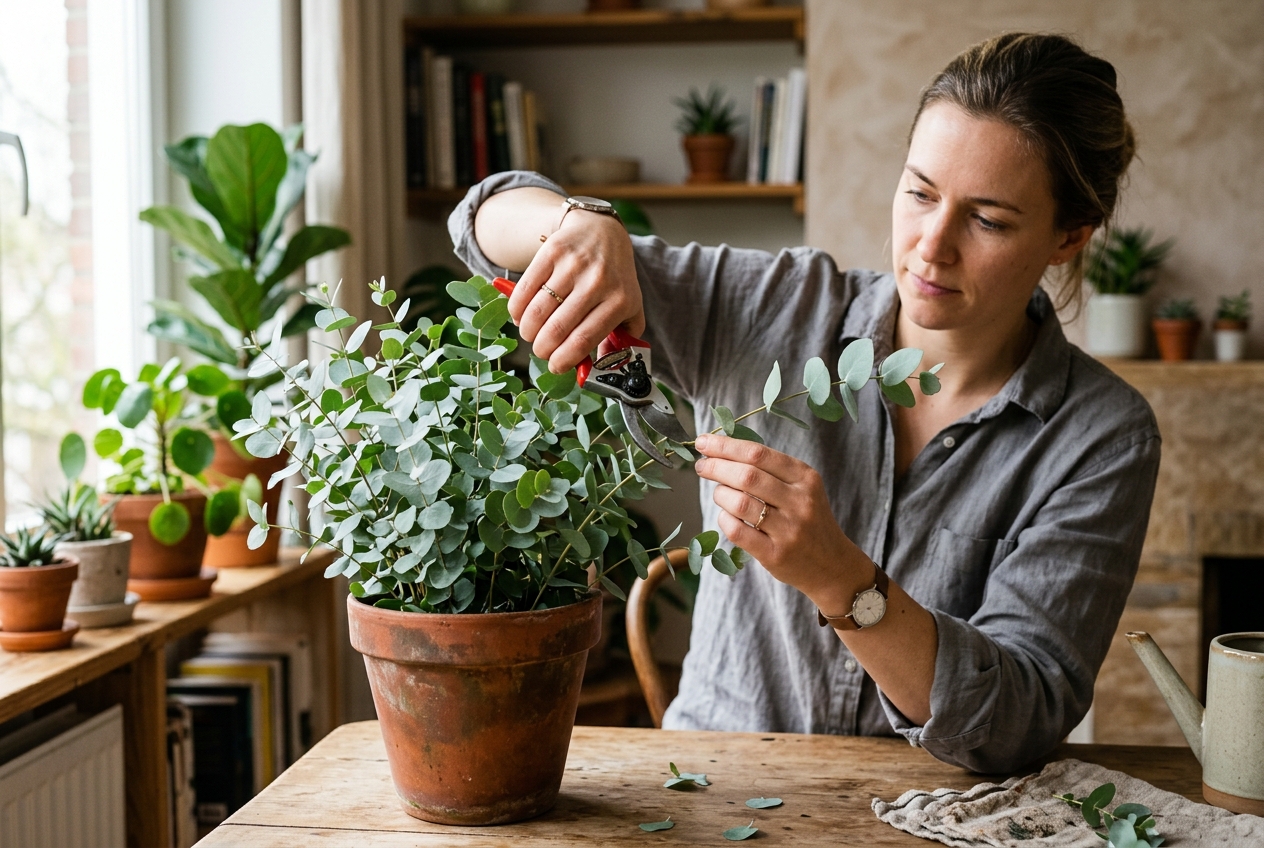
Without pruning, a single eucalyptus stem will shoot straight toward the ceiling, shed its lower leaves, and become bare. Pinch out the soft apical growth tips every 2 to 3 weeks during spring and summer to force dormant auxiliary buds along the lower stem to break into bushy side branches, mastering how to grow eucalyptus indoors with compact architecture.
Step 7: Apply Low-Phosphorus Organic Nutrition
Australian native plants are sensitive to high phosphorus levels, which can cause root toxicity. Feed during active spring and summer growth using a balanced, low-phosphorus fertilizer (such as a 10-2-6 or 3-1-2 ratio) diluted to 1/4 strength, following our guidelines in How to Fertilize Indoor Plants.
Pruning and Pinching: Maintaining Bushy Juvenile Foliage
In eucalyptus trees, juvenile foliage is dramatically different from mature foliage. Juvenile leaves are circular, silvery, aromatic, and clasp tightly to the stem, while mature leaves become elongated, dull green, and sickle-shaped. Pruning is the key to maintaining juvenile beauty when understanding how to grow eucalyptus indoors:
- Apical Tip Pinching: Use your fingernails or sterile shears to pinch off the top 1/2 inch of every terminal shoot when it reaches 6 to 8 inches in length. This removes the apical dominance auxin signal and forces 2 to 4 new lateral branches to emerge below the cut, an essential skill in how to grow eucalyptus indoors.
- Coppicing (Hard Pruning): Every spring, if your containerized eucalyptus becomes too tall or leggy, cut the main stems back by half (leaving at least 4 to 6 healthy juvenile leaf nodes). The plant will respond with a burst of dense, bushy new growth.
- Harvesting Aromatic Stems: Prune stems for shower bundles, floral vases, or dried aromatherapy. Pruning directly benefits plant architecture while enjoying the rewards of how to grow eucalyptus indoors!
Taproot Sensitivity: Repotting and Container Mechanics
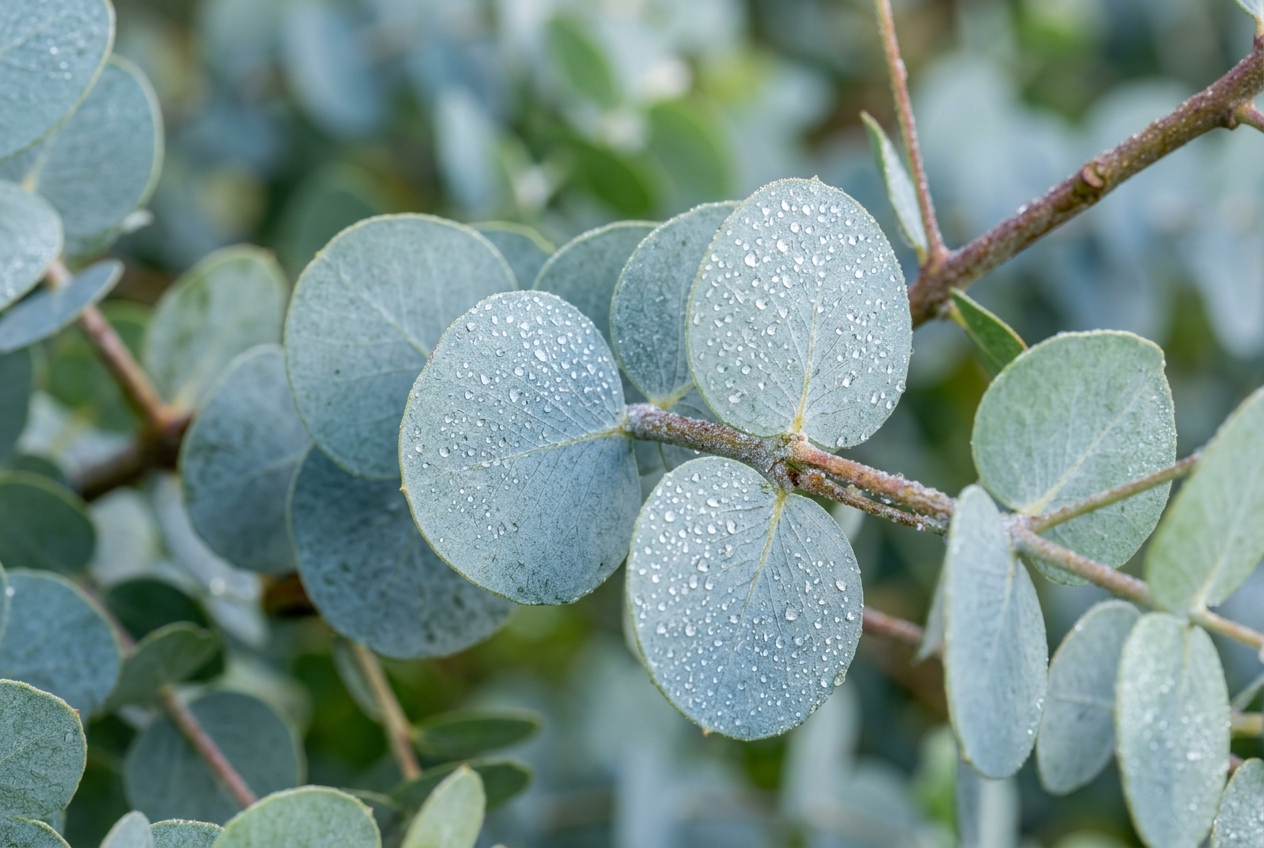
Eucalyptus root systems are notoriously sensitive to physical disturbance. Unlike Monsteras or Pothos that tolerate rough root untangling, tearing eucalyptus roots can cause fatal transplant shock:
- Never Bare-Root or Tease Roots: When repotting into a larger container, keep the root ball completely intact. Do not tease, prune, or shake out the old soil during how to grow eucalyptus indoors.
- Pot-in-Pot Method: Simply slide the undisturbed root ball out of the old pot and set it directly into the new container, filling the surrounding void with fresh gritty mix.
- Repot Only When Necessary: Repot only once every 2 years in spring when roots completely fill the container, protecting your plant and ensuring how to grow eucalyptus indoors remains smooth.
Soil Porosity & Irrigation: Avoiding Root Rot and Desiccation
Irrigating an indoor eucalyptus is a balance between its rapid transpiration rate and its intolerance of soggy soil:
- The Desiccation Point: Never let the root ball dry out 100% like a cactus. If eucalyptus soil goes bone-dry, the delicate juvenile leaves will crisp up and drop within 24 hours, and dried eucalyptus foliage rarely recovers.
- Sub-Irrigation Efficiency: Using sub-irrigation as outlined in Bottom Watering Plants allows the bottom taproots to absorb water evenly without waterlogging the upper root crown, reinforcing how to grow eucalyptus indoors effectively.
Troubleshooting Crispy Leaves, Leaf Drop, and Leggy Growth
Why are my indoor eucalyptus leaves turning crispy and dry?
Crispy, papery leaves are caused by underwatering (letting the soil dry out completely) or intense dry heat from heating vents. Keep soil consistently lightly moist and move away from furnace drafts when practicing how to grow eucalyptus indoors.
Why is my eucalyptus dropping lower leaves and stretching?
Sudden leaf drop and leggy stems indicate insufficient light. Eucalyptus requires at least 6 hours of direct sunlight or 12+ hours of intense LED grow light exposure to maintain lower foliage.
How long can a eucalyptus tree live indoors in a pot?
With proper full-spectrum lighting, aggressive seasonal pruning, and well-draining gritty soil, a containerized eucalyptus can thrive indoors for 3 to 5+ years before outgrowing its container.
Is indoor eucalyptus safe for cats and dogs?
No. Eucalyptus foliage contains concentrated essential oils (cineole/eucalyptol) that are toxic to cats and dogs if ingested. Keep containers elevated out of reach of domestic pets.
Can I propagate eucalyptus from stem cuttings indoors?
Eucalyptus stem cuttings are notoriously difficult to root. It is significantly faster and more reliable to propagate eucalyptus from seed or purchase juvenile nursery starter plugs.
Final Verdict & Dennis’s Eucalyptus Maintenance Checklist
Cultivating an aromatic eucalyptus tree inside your home is entirely possible when you honor its evolutionary biology. By providing blazing direct sunlight or dedicated LED lighting, maintaining airy gritty soil, pinching stems frequently for bushy growth, and protecting sensitive roots during repotting, you will master how to grow eucalyptus indoors with complete confidence.
Here is Dennis’s golden eucalyptus rule: Light is life! Never treat eucalyptus like an ordinary shade-tolerant houseplant. Blast it with light, prune it boldly, and enjoy the soothing, invigorating fragrance of fresh Australian foliage every day!
{
“@context”: “https://schema.org”,
“@graph”: [
{
“@type”: “Article”,
“@id”: “https://www.plantingcare.com/how-to-grow-eucalyptus-indoors/#article”,
“isPartOf”: {
“@type”: “WebPage”,
“@id”: “https://www.plantingcare.com/how-to-grow-eucalyptus-indoors/”
},
“headline”: “How to Grow Eucalyptus Indoors: 7 Proven Care Steps”,
“description”: “Learn how to grow eucalyptus indoors with Dennis P. Hansen’s 7 proven steps. Discover lighting needs, root care, pruning secrets, and watering rules.”,
“image”: “https://www.plantingcare.com/wp-content/uploads/2026/08/eucalyptus_featured_1787730497763-1.jpg”,
“author”: {
“@type”: “Person”,
“name”: “Dennis P. Hansen”,
“jobTitle”: “Hobby Gardener”,
“worksFor”: {
“@type”: “Organization”,
“name”: “PlantingCare.com”
}
},
“publisher”: {
“@type”: “Organization”,
“name”: “PlantingCare”,
“url”: “https://www.plantingcare.com”
},
“mainEntityOfPage”: “https://www.plantingcare.com/how-to-grow-eucalyptus-indoors/”
},
{
“@type”: “HowTo”,
“name”: “How to Grow Eucalyptus Indoors in Containers”,
“description”: “Step-by-step horticultural guide to successfully caring for containerized eucalyptus trees indoors.”,
“image”: “https://www.plantingcare.com/wp-content/uploads/2026/08/eucalyptus_featured_1787730497763-1.jpg”,
“totalTime”: “PT15M”,
“tool”: [
{“@type”: “HowToTool”, “name”: “Precision Pruning Shears”},
{“@type”: “HowToTool”, “name”: “Full-Spectrum LED Grow Light”}
],
“supply”: [
{“@type”: “HowToSupply”, “name”: “Unglazed Terracotta Pot”},
{“@type”: “HowToSupply”, “name”: “Gritty Pumice Soil Mix”}
],
“step”: [
{
“@type”: “HowToStep”,
“name”: “Position in Maximum Direct Light”,
“text”: “Place the eucalyptus in a south-facing window with 6+ hours of direct sunlight or under a full-spectrum LED grow light.”,
“image”: “https://www.plantingcare.com/wp-content/uploads/2026/08/eucalyptus_sunlight_1787730508824-2.jpg”
},
{
“@type”: “HowToStep”,
“name”: “Pinch Apical Growth Tips”,
“text”: “Regularly pinch terminal branch tips every 2 to 3 weeks to stimulate dense lateral branching and juvenile foliar growth.”,
“image”: “https://www.plantingcare.com/wp-content/uploads/2026/08/eucalyptus_pruning_1787730519994-2.jpg”
},
{
“@type”: “HowToStep”,
“name”: “Water When Top 2 Inches Dry”,
“text”: “Soak the substrate thoroughly when the top 2 inches dry out, never allowing the entire root ball to desiccate completely.”,
“image”: “https://www.plantingcare.com/wp-content/uploads/2026/08/eucalyptus_potting_1787730566288-2.jpg”
}
]
},
{
“@type”: “FAQPage”,
“mainEntity”: [
{
“@type”: “Question”,
“name”: “Why are my indoor eucalyptus leaves turning crispy and dry?”,
“acceptedAnswer”: {
“@type”: “Answer”,
“text”: “Crispy leaves are caused by soil drying out completely or direct hot blasts from winter heating vents.”
}
},
{
“@type”: “Question”,
“name”: “Why is my eucalyptus dropping lower leaves and stretching?”,
“acceptedAnswer”: {
“@type”: “Answer”,
“text”: “Leaf drop and stretching are classic symptoms of low light. Provide 6+ hours of direct sun or LED grow lights.”
}
},
{
“@type”: “Question”,
“name”: “How long can a eucalyptus tree live indoors in a pot?”,
“acceptedAnswer”: {
“@type”: “Answer”,
“text”: “With proper lighting, gritty soil, and seasonal pruning, containerized eucalyptus thrives for 3 to 5+ years indoors.”
}
},
{
“@type”: “Question”,
“name”: “Is indoor eucalyptus safe for cats and dogs?”,
“acceptedAnswer”: {
“@type”: “Answer”,
“text”: “No, concentrated eucalyptus essential oils are toxic to pets if chewed. Keep plants elevated out of reach.”
}
},
{
“@type”: “Question”,
“name”: “Can I propagate eucalyptus from stem cuttings indoors?”,
“acceptedAnswer”: {
“@type”: “Answer”,
“text”: “Eucalyptus cuttings have very low rooting success. Growing from seed or purchasing starter plugs is recommended.”
}
}
]
}
]
}
Dennis P. Hansen
Dennis P. Hansen is a home gardener with a genuine passion for plants and the simple pleasure of growing them. He enjoys caring for houseplants, succulents, and other plants at home while continually learning from everyday gardening experiences. Dennis likes to share practical plant care tips, useful observations, and simple solutions that can help others grow healthier plants. He believes that caring for plants is a rewarding journey and that there is always something new to learn along the way.