
How to Grow and Care for Cactus Flower Plants


Table of Contents
What Is a Cactus Flower Plants?
Cactus flower plants are among nature’s most surprising beauties—succulents that thrive in arid climates yet burst forth with brilliant, often short-lived flowers. A cactus flower plant isn’t just a rugged desert dweller; it’s a masterpiece of adaptation and floral expression.
These flowering cactus plants belong to the Cactaceae family, which includes over 1,750 species. What makes them special isn’t just their prickly exteriors, but the stunning variety of cactus blooms they produce, ranging from delicate whites to radiant reds, oranges, and even purples.
Most cactus flowers are funnel-shaped and grow from the areoles (those fuzzy or spiny bumps on the plant). Some flowers bloom only at night, while others flourish briefly during the day. The fleeting beauty of a cactus bloom is a major reason these plants are prized by collectors and gardeners alike.
Are Cactus Plants Flowering Plants?
Yes, all cactus plants are flowering plants—even those that rarely bloom. Botanically classified as angiosperms, cactus species produce flowers as part of their reproductive process. However, while every cactus has the potential to bloom, not all will do so under average household conditions.
The cactus flower plant tends to bloom more frequently when specific environmental cues—like light, temperature, and water—are met. Epiphytic types like Christmas cactus (Schlumbergera) bloom indoors during winter, while desert types such as Echinopsis or Rebutia bloom in warmer months.
Blooming Cycles and Rare Cactus Blooms
The blooming cycle of a flowering cactus depends largely on species and growing conditions. Some cactus plants take 2–3 years to bloom, while others—especially slow-growing types like Astrophytum or Ariocarpus—may take a decade or more.
Rare cactus blooms, such as those of the Queen of the Night (Epiphyllum oxypetalum), open only once a year for a single night. This makes them extremely sought after by plant enthusiasts and collectors.
To encourage cactus flower blooms, you’ll need to mimic their natural environment:
- Provide ample direct sunlight
- Allow for a dry, dormant period in winter
- Avoid overwatering
- Use well-draining soil
Once triggered, flowering can last from a few hours to several days, making every cactus bloom a moment to remember.
Top Benefits of Growing Cactus Flower Plants
Whether you’re an indoor plant lover or a desert gardening enthusiast, cactus flower plants offer a unique combination of beauty and resilience. From vibrant blossoms to extreme drought resistance, these plants have a lot more to offer than just spines.
Below are the top benefits of growing indoor cactus plants and desert flowering cactus in your home or outdoor garden.
Low-Maintenance and Drought-Tolerant
One of the biggest advantages of growing cactus flower plants is how little care they require. These plants are adapted to some of the harshest conditions on Earth. Because they store water in their thick, fleshy stems, they can go weeks without watering, making them perfect for busy people or forgetful plant parents.
Unlike tropical houseplants, indoor cactus plants thrive with minimal intervention:
- Water only when the soil is completely dry
- No need for frequent fertilization
- Pest issues are rare with proper airflow and sunlight
This level of low-maintenance care makes cactus plants ideal for both beginner gardeners and seasoned plant collectors who want a fuss-free bloom in their home.
Unique Flowers in Vibrant Colors
Cactus flower plants produce some of the most striking blooms in the plant world. Despite their rugged appearance, they surprise with dazzling displays of pinks, oranges, reds, purples, and yellows. Some even have multicolored petals or fragrant blossoms!
These flowers often appear suddenly, after long periods of dormancy, creating a rewarding experience for patient growers.
- The Echinopsis cactus offers giant, brightly colored blooms.
- Mammillaria species can bloom in delicate rings of pink or white.
- Gymnocalycium shows off vibrant red or magenta flowers, perfect for visual contrast.
Many desert flowering cactus species can bloom indoors with the right care, bringing a slice of nature’s drama into your living space.
Ideal for Indoor Gardens and Desert Landscapes
Cactus flower plants are extremely versatile. Whether you’re decorating a sun-drenched windowsill or designing a xeriscape in a hot climate, these plants add beauty with minimal water usage.
Indoor Gardens:
- Ideal for small spaces and sunny window corners
- Thrive in containers with proper drainage
- Great additions to minimalist or modern décor
Desert Landscapes:
- Perfect for low-water gardens and eco-friendly designs
- Combine well with succulents, gravel, and boulders
- Great for pollinators when in bloom
By integrating indoor cactus plants or creating an outdoor cactus garden, you get an aesthetic boost while promoting sustainability and water conservation.
Best Flowering Cactus Plants to Grow
Choosing the right blooming cactus plants can make your indoor or outdoor garden stand out with exotic color and texture. Whether you’re designing a cozy windowsill garden or a sprawling desert landscape, there are amazing types of flowering cactus to suit your needs.
In this section, we’ll explore both indoor cactus flowering plants and outdoor flowering cactus varieties, complete with their cactus flower names and characteristics.
Indoor Cactus Flowering Plants
Indoor environments can be just as welcoming to flowering cacti as the desert—if you pick the right types. These plants do well in pots, enjoy bright indirect light, and can reward you with unexpected bursts of bloom.
Christmas Cactus (Schlumbergera)
- One of the most popular indoor cactus flowering plants.
- Blooms in late fall and winter, often near the holidays (hence the name).
- Produces bright pink, red, or white tubular flowers.
- Unlike most cacti, it enjoys more humidity and indirect sunlight.
Queen of the Night (Epiphyllum oxypetalum)
- A rare and dramatic cactus that blooms only at night.
- Flowers are large, white, fragrant, and bloom once or twice a year.
- The blooms open after sunset and wilt by dawn.
- This cactus prefers indirect light and high humidity.
Moon Cactus (Gymnocalycium mihanovichii)
- Known for its colorful top (usually red, yellow, or orange), grafted onto a green base.
- While the colorful part is not a flower, it can produce small, delicate blooms.
- Ideal for bright indoor spaces and great as a beginner cactus.
Outdoor Flowering Cactus Varieties
If you have a cactus garden or live in a dry climate, these outdoor species are spectacular additions. They’re not just drought-tolerant—they’re vibrant bloomers with exotic shapes and textures.
Echinopsis
- Known for its short, spiny body and giant trumpet-shaped flowers.
- Blooms come in pink, orange, white, and even rainbow hues.
- Flowers open at night and may last just one day, but are breathtaking.
Mammillaria
- This compact cactus produces a ring of small flowers at the top.
- Colors range from pink to white, yellow, and purple.
- Great for rock gardens and container planting outdoors.
Astrophytum
- Star-shaped cactus that’s both geometric and artistic.
- Produces yellow flowers with red centers.
- Very tolerant to heat and dry conditions.
These types of flowering cactus are not only showstoppers but also attract pollinators like bees and hummingbirds—making them perfect for ecological landscapes.
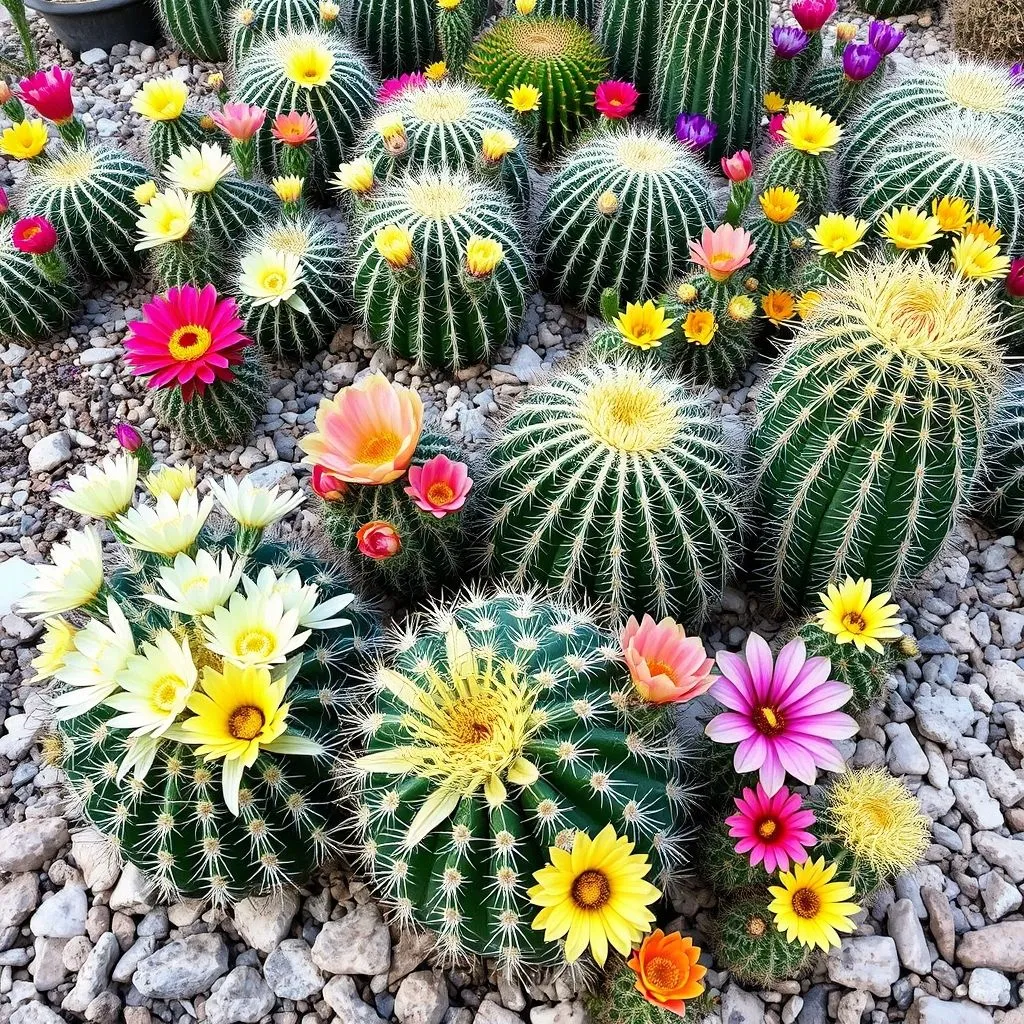
How to Make Your Cactus Bloom
One of the most rewarding moments in any plant lover’s journey is watching a flowering cactus burst into bloom. But unlike many other plants, getting a cactus to flower takes a little strategy, patience, and an understanding of its natural cycles.
Here’s a breakdown of the most effective cactus care tips to help encourage stunning blooms from your indoor or outdoor cactus plants.
Proper Lighting and Watering
Light is the most critical factor in cactus bloom development.
- Most flowering cactus varieties need at least 6 hours of direct sunlight daily.
- South-facing windows are best for indoor plants. For outdoor cacti, full sun is ideal—just make sure it’s gradually acclimated to avoid sunburn.
- If you can’t provide enough light indoors, use a full-spectrum grow light for 12–14 hours a day.
Watering Tips:
- During the growing season (spring and summer), water only when the soil is completely dry—typically every 2–3 weeks.
- Avoid overwatering; soggy roots can prevent blooming and lead to rot.
- Use a well-draining cactus mix in pots with good drainage holes.
Dormancy and Seasonal Care
Most cacti need a dormant rest period to trigger blooming.
- Winter dormancy (November to February) is essential.
- Keep your cactus in a cool, dry spot (around 50–60°F or 10–15°C) with reduced light and minimal watering (once a month).
- This mimics their natural habitat and signals that it’s time to prep for flowering once spring returns.
Without dormancy, your cactus might grow well but never flower, even for years.
Fertilizing for Flower Growth
To stimulate blooming, you’ll need more than light and rest—you’ll also need the right nutrients.
- Use a low-nitrogen fertilizer (like 5-10-10 or 2-7-7) from early spring to mid-summer.
- Fertilize once a month during the active growing season.
- Avoid high-nitrogen fertilizers, as they promote foliage instead of flowers.
Some excellent blooming formulas are labeled as “cactus bloom booster” or “flowering cactus fertilizer.”
Pro Tip: Combine proper lighting, strict dormancy, and light fertilizing, and your cactus will likely reward you with spectacular, colorful blooms!

Flowering Cactus Plant Care Guide
Caring for a flowering cactus is slightly different from managing a typical cactus plant. To ensure those colorful blooms pop and thrive, you need to provide the right soil mix, balanced sunlight exposure, and precise watering habits. And don’t forget to stay ahead of common pests and pruning needs.
Let’s walk through a practical cactus flower care routine that keeps your spiny friend healthy and blooming year-round.
Soil, Sunlight & Watering Frequency
Cactus Plant Soil
The secret to healthy flowering cactus plants starts below the surface.
- Use a fast-draining cactus mix—available at most garden centers.
- You can also make your own: mix 2 parts potting soil, 1 part coarse sand, and 1 part perlite.
- Avoid soils that hold too much moisture; cactus roots hate soggy environments and may rot quickly.
Pro Tip: Add a thin layer of gravel or small rocks at the bottom of pots to boost drainage even more.
Sunlight Requirements
Proper sunlight keeps your cactus energized and encourages flower formation.
- Indoor cacti thrive in bright, direct light—a south-facing window is perfect.
- For outdoor plants, position them in full sun but gradually acclimate them to avoid sun scorch.
- Some cacti—like Christmas Cactus—prefer bright indirect light, especially in the afternoon.
Watering Cactus Plants
When it comes to watering cactus, less is more.
- During the growing season (spring to fall), water once every 2–3 weeks, only when soil is completely dry.
- In winter, reduce watering to once a month or less to allow dormancy.
- Always use pots with drainage holes to avoid root rot.
Avoid misting cactus plants—it increases humidity unnecessarily and may encourage fungal growth.
Pests, Diseases & Pruning
Even tough cacti can face pest issues or diseases if not properly monitored.
Common Pests:
- Mealybugs: Look like white cotton near flower buds.
- Spider mites: Create fine webbing and can cause yellow speckles.
- Scale insects: Appear as hard brown bumps on stems.
Treatment: Use neem oil or insecticidal soap. For light infestations, wipe pests off with a cotton swab dipped in rubbing alcohol.
Cactus Disease Signs:
- Root rot: Mushy base, foul smell—usually from overwatering.
- Fungal spots: Yellow or black dots on pads or stems.
Solution: Cut away affected parts with sterilized tools and repot in fresh, dry soil.
Pruning Tips:
- Remove dead flowers or withered petals to encourage new growth.
- Always use sterile pruning shears to avoid introducing bacteria.
- Prune after blooming ends—never during flower formation.
Healthy pruning supports airflow, reduces disease, and encourages repeat blooming in future cycles.
Common FAQs
This section addresses the most frequently asked questions about cactus flower plants, focusing on cactus flowering season, rare cactus flowers, and the cactus flower life span. These answers not only help curious plant lovers but also improve your blog’s topical authority and SEO ranking for informational search queries.
Why Do Cactus Flowers Bloom at Night?
Many cactus species—especially desert natives like Selenicereus and Epiphyllum—are known for their nocturnal blooming habits. This unique phenomenon is nature’s clever strategy.
Reasons for Night-Blooming Cacti:
- Pollination Timing: These cacti are pollinated by nocturnal creatures like moths and bats, which are active after dusk.
- Water Conservation: Blooming at night reduces water loss through petals, crucial for survival in arid environments.
- Cooler Temperatures: Nighttime blooming helps protect delicate flower tissues from harsh daytime heat.
Some of the most rare cactus flowers only bloom once per year—and only at night—for a few hours. This short blooming window adds mystery and allure.
How Often Does a Cactus Bloom?
The cactus flowering season depends on the species, age, and environmental conditions. Here’s a breakdown:
General Blooming Timeline:
- Christmas Cactus: Blooms once or twice a year (late fall & spring)
- Echinopsis: Produces several blooms in spring/summer, sometimes multiple flushes
- Saguaro & Organ Pipe: Typically bloom once a year in late spring or early summer
Maturity matters: Some cacti need several years to bloom, especially large desert varieties. Flowering may only start once the plant is fully mature—often 3–5 years for indoor types, up to 15+ years for outdoor giants like Saguaro.
What to Do with Cactus Flowers After Blooming?
When the stunning display fades, your job isn’t over. Post-bloom care is crucial to the cactus’s health and future flowering.
After-Bloom Maintenance:
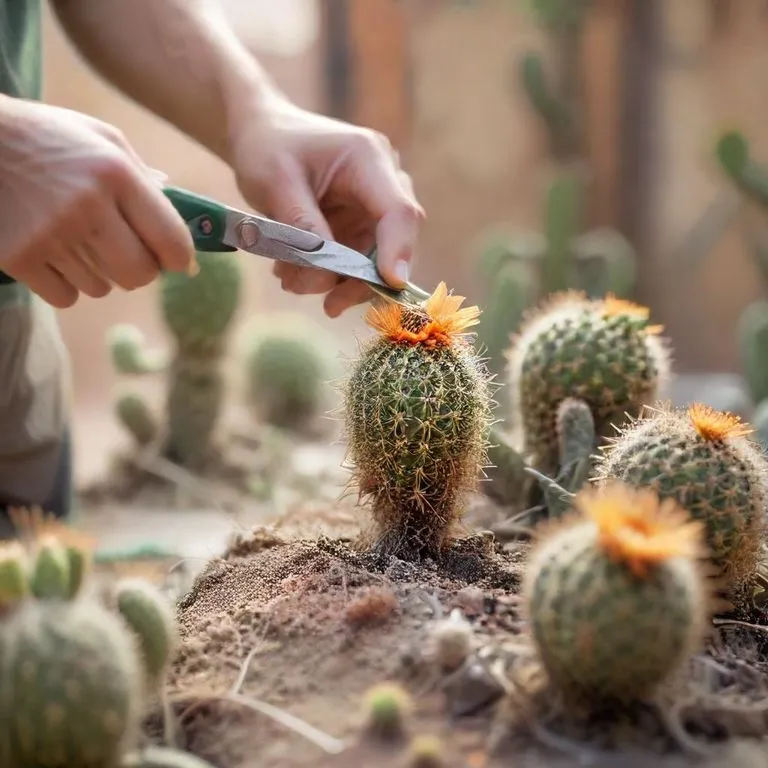
- Deadhead Spent Flowers: Use clean scissors to trim dried blooms. This redirects energy into plant growth rather than seed production.
- Check for Seeds: Some flowers develop seed pods—save them if you’re into propagation.
- Clean the Area: Remove dried petals from the soil surface to prevent fungal growth.
In some cases, the faded flower will naturally fall off—no need to intervene unless it’s wilting and clinging.
Conclusion
Bring Color and Beauty to Your Space with Cactus Flower Plants
From the vibrant blooms of indoor Christmas Cactus to the bold desert elegance of Echinopsis and Astrophytum, flowering cactus plants prove that beauty thrives even in the harshest environments. These plants don’t just sit pretty—they add texture, color, and a touch of the wild to your home or outdoor space.
Whether you’re growing in a sunny apartment window or a dry garden bed, these low-maintenance plants offer long-lasting charm with minimal fuss. With the right lighting, watering, and seasonal care, your cactus will reward you with brilliant flowers—sometimes for just one night, sometimes all season long.
Start Your Flowering Cactus Garden Today
Ready to turn your shelf, patio, or garden into a blooming cactus sanctuary? Start with easy bloomers like the Queen of the Night or Moon Cactus, then branch into more exotic flowering species. Follow the simple tips in this guide, and you’ll master cactus flower care like a pro.
Your space deserves it. So does your plant-loving heart.
Dennis P. Hansen
Dennis P. Hansen is a home gardener with a genuine passion for plants and the simple pleasure of growing them. He enjoys caring for houseplants, succulents, and other plants at home while continually learning from everyday gardening experiences. Dennis likes to share practical plant care tips, useful observations, and simple solutions that can help others grow healthier plants. He believes that caring for plants is a rewarding journey and that there is always something new to learn along the way.