
Zebra Plant Care succulent : Grow a Thriving Succulent at Home


Table of Contents
Introduction:
Have you ever been captivated by the striking stripes of a zebra plant care succulent? With its bold white ridges and plump, dark green leaves, the Haworthiopsis fasciata (or zebra haworthia) is more than just a pretty face—it’s one of the most forgiving succulents for beginners and a favorite among houseplant enthusiasts. But how do you keep those iconic stripes vibrant and avoid common pitfalls like overwatering or leggy growth?
Whether you’re a seasoned plant parent or just starting your succulent collection, this guide will walk you through everything you need to know—from the ideal light conditions to propagation tricks that multiply your zebra plants effortlessly. Ready to transform your space with this low-maintenance, high-impact succulent? Let’s dive in.
Zebra Plant Basics: Getting to Know Your Stripped Beauty
So, you’ve brought home a zebra plant succulent (Haworthiopsis fasciata)—or maybe you’re just admiring its bold, architectural beauty online. Either way, you’re probably wondering: What makes this little plant so special? Let’s break it down.
What Is a Zebra Plant Succulent?
This petite powerhouse is a member of the Haworthia family, known for its:
- Signature stripes – Thick white ridges that contrast against deep green leaves.
- Compact size – Rarely grows taller than 6 inches, perfect for desks or shelves.
- Hardy nature – Unlike fussy tropical plants, it thrives on neglect (perfect for busy plant parents!).
Fun fact: It’s often confused with Haworthia attenuata, but true fasciata varieties have smoother inner leaves—no raised white bumps.
Zebra Plant vs. Other Succulents: Spot the Difference
Not all succulents are created equal! Here’s how the zebra haworthia stands out:
Low-light tolerant – Unlike sun-hungry echeverias, it does well in bright indirect light (even under office fluorescents!).
Slow-growing – No frequent repotting needed.
No dramatic flowers – Aloes and kalanchoes steal the show here, but zebra plants charm with their year-round stripes.
Why It’s the Ultimate Beginner Plant
If you’ve killed a succulent before (no shame!), this one’s your redemption:
- Forgives missed waterings – Stores moisture in its plump leaves.
- Rarely attracts pests – Unlike jade plants, it’s not a mealybug magnet.
- Adapts to indoor life – No need for grow lights or humidifiers.
Pro Tip: Pair it with a terracotta pot for a rustic look and better soil drying—a win-win!
Up next: Let’s talk about the perfect home for your zebra plant (light, soil, and all that jazz).
Ideal Growing Conditions: Setting Up Your Zebra Plant for Success
So, your zebra plant succulent has caught your eye with its striking stripes—but how do you keep it thriving (and not just surviving)? The secret lies in recreating its natural habitat. Think dry, rocky slopes of South Africa with bright but filtered light. Let’s translate that into your home environment.
Light Requirements: Bright but Gentle
Zebra plants love light, but they’re not sunbathers. Here’s the sweet spot:
- Bright, indirect light – An east-facing windowsill is ideal.
- Can tolerate low light – Unlike most succulents, it won’t etiolate (stretch) as quickly in shade.
- Avoid harsh midday sun – Direct afternoon rays can scorch those beautiful leaves, leaving brown marks.
Pro Tip: If your plant’s stripes fade, it’s begging for more light. Rotate it occasionally for even growth!
Soil and Potting Mix: Drainage is Key
Imagine wearing wet socks all day—uncomfortable, right? That’s how your zebra plant feels in soggy soil.
- Use a well-draining mix – Combine:
- 50% cactus/succulent soil
- 30% perlite or pumice
- 20% coarse sand
- Terracotta pots win – Their porous material helps soil dry faster than plastic or ceramic.
Watch Out For:
Regular potting soil (retains too much moisture).
Oversized pots (smaller = faster drying = happier roots).
Temperature and Humidity: Keep It Cozy
These succulents are chill (literally):
- Ideal temp: 65–80°F (18–27°C) – Average room temp works!
- Winter care: Can handle dips to 50°F (10°C), but keep it away from drafty windows.
- Humidity: Not fussy. Average home humidity (30–50%) is fine—no misting needed!
Bonus Insight: Zebra plants grow slower in cooler temps, which can actually help maintain compact, tight rosettes.
What’s Next? Now that your plant’s home is set up, let’s talk about watering—the #1 killer of zebra plants (hint: less is more).
Watering and Feeding Your Zebra Plant: The Art of Neglect (Seriously!)
Let’s talk about the #1 reason zebra plant succulents die: too much love. That’s right – your watering can is actually the biggest threat to those gorgeous striped leaves. But don’t worry, we’re about to turn you into a hydration hero with these foolproof guidelines.
The Golden Rule of Watering: When In Doubt, Wait It Out
Your zebra plant’s plump leaves are water storage tanks – they’re literally designed to handle drought. Here’s how to get watering right:
- The Finger Test: Stick your finger 2 inches into the soil. Bone dry? Water time.
- Seasonal Shifts:
- Summer: Every 2-3 weeks
- Winter: Monthly or less (they’re practically dormant)
- Soak, Don’t Sprinkle: When you water, drench it completely until water runs out the drainage holes.
Pro Tip: Your plant will tell you when it’s thirsty – leaves will get slightly softer and may curl inward slightly. This is normal! Wait a few more days before watering.
Fertilizing: Less is More
Think of fertilizer like vitamins, not food:
- Growing Season (Spring-Fall): Half-strength succulent fertilizer every 6-8 weeks
- Winter: Skip it completely
- Best Options: Look for a balanced 5-5-5 or 10-10-10 formula
Warning Signs of Overfeeding:
White crust on the soil surface
Burnt leaf tips
Sudden leggy growth
Water Quality Matters More Than You Think
Those white spots on your plant’s leaves? Probably from tap water. Try:
- Rainwater
- Distilled water
- Tap water left out overnight (lets chlorine evaporate)
Did You Know? Zebra plants can go 6+ weeks without water in winter. They’re basically the camels of the plant world.
Coming Up Next: Uh-oh – brown tips? Mushy leaves? Let’s troubleshoot your zebra plant problems before they become tragedies.
Common Zebra Plant Problems: How to Spot Trouble and Fix It Fast
Even the toughest succulents have their bad days. But here’s the good news – zebra plants send clear distress signals when something’s wrong. Let’s decode those cryptic leaf messages together and get your striped beauty back to perfect health.
Reading the Leaves: Your Plant’s Health Dashboard
Those striking stripes aren’t just for show – they’re your early warning system:
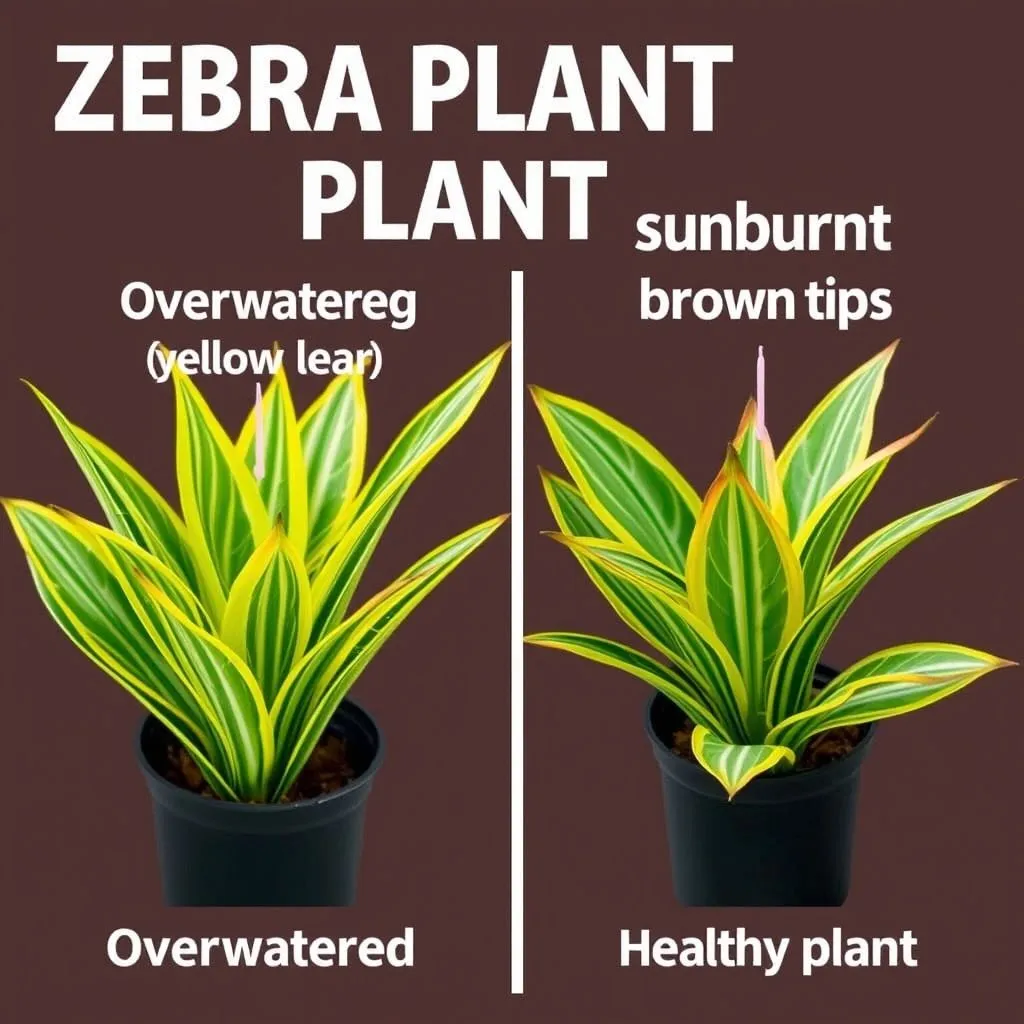
Brown, Crispy Tips
- Usually means too much direct sun or mineral buildup
- Fix: Move to indirect light, flush soil with distilled water
Yellow, Mushy Leaves
- Classic overwatering symptoms
- Emergency care: Stop watering immediately, check for root rot
Faded or Disappearing Stripes
- Not enough bright indirect light
- Solution: Gradually move to a brighter location
Pro Tip: Always check the underside of leaves – pests love to hide there!
Pest Control: Tiny Invaders and How to Beat Them
Even zebra plants get uninvited guests sometimes. Here’s your battle plan:
Mealybugs (the fluffy white menace)
- Treatment: Dab with a cotton swab dipped in 70% isopropyl alcohol
- Prevention: Keep new plants quarantined for 2 weeks
Spider Mites (nearly invisible web-spinners)
- Signs: Fine webbing, stippled leaves
- Solution: Spray with neem oil solution weekly for 3 weeks
Fungus Gnats (those annoying little flies)
- Cause: Overly moist soil
- Fix: Let soil dry completely between waterings, use yellow sticky traps
The Great Revival: Saving a Struggling Zebra Plant
Don’t give up on that sad-looking succulent just yet! Try this rescue protocol:
- Assess the Damage: Gently remove from pot to check roots
- Surgery Time: Trim any black/mushy roots with sterile scissors
- Fresh Start: Repot in dry, well-draining mix
- ICU Care: Wait 7-10 days before first light watering
Did You Know? A zebra plant can regrow from just a healthy leaf if the stem is damaged. Talk about a survival expert!
Coming Next: Ready to multiply your zebra plant collection? We’ll show you how to propagate like a pro (it’s easier than you think).
Propagation and Long-Term Care: Grow Your Zebra Plant Family
Ready to play plant parent and multiply your zebra haworthia collection? The best part? These succulents practically propagate themselves with just a little help from you. Let’s turn one plant into many with these surprisingly simple techniques.
Pups: Nature’s Gift of Free Plants
Your mature zebra plant will eventually produce offsets (adorably called “pups”) at its base. Here’s how to handle them:
- Wait for Independence Day: Pups should be at least 1-2 inches tall before separating
- Gentle Separation: Use clean fingers or sterilized scissors to detach from the mother plant
- Callus Time: Let wounds dry for 24 hours before potting
- Baby’s First Pot: Use small containers (2-3″) with extra perlite for drainage
Pro Tip: Leave pups attached longer for faster growth – they feed off the mother plant’s roots!
Leaf Propagation: The Magic Trick
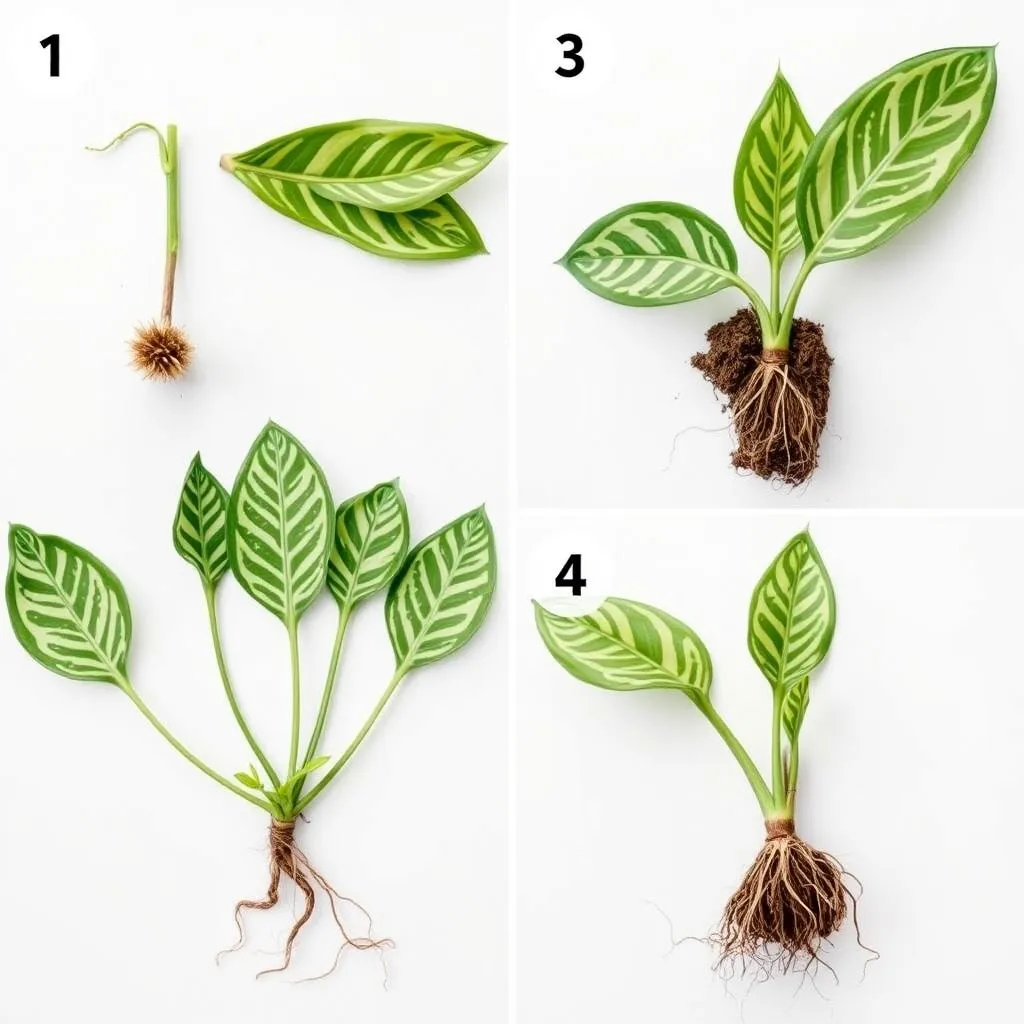
Even a single leaf can grow a whole new plant. Here’s the step-by-step:
Choose Healthy Leaves: Gently twist off plump outer leaves
Callus Formation: Let dry for 3-5 days until the end seals
Place on Soil: Don’t bury – just lay on top of dry succulent mix
The Waiting Game: Roots appear in 4-8 weeks (resist watering until then!)
Fun Fact: Zebra plants propagate slower than other succulents – patience is key!
Repotting Like a Pro
These slow growers only need repotting every 2-3 years. Do it right:
Best Time: Early spring as growth resumes
Pot Size: Just 1-2 inches larger than current
Aftercare: Wait 1 week before watering to prevent root rot
Signs It’s Time:
- Roots growing through drainage holes
- Soil drying out suspiciously fast
- Plant lifting out of the pot
Encouraging Those Signature Stripes
Want bolder, more dramatic patterns? Try these tricks:
- Bright Indirect Light: The key to vibrant contrast
- Slight Stress: Let soil dry completely between waterings
- Cool Winter Rest: 55-60°F (13-16°C) can intensify colors
Coming Full Circle: From a single plant to a whole striped family – now you’ve mastered the complete zebra plant care cycle!

Zebra Plant Succulent FAQ: Your Top Questions Answered
1. How often should I water my zebra plant?
Zebra plants need watering only when the soil is completely dry—typically every 2-3 weeks in summer and monthly or less in winter. Overwatering is the #1 killer of these succulents!
2. Why are the leaves on my zebra plant turning brown?
Brown tips usually mean:
- Too much direct sun (move to bright, indirect light)
- Mineral buildup from tap water (use filtered or rainwater)
- Underwatering (check soil moisture more frequently)
3. Does a zebra plant need direct sunlight?
No! These succulents prefer bright, indirect light. Direct sun (especially afternoon) can scorch their leaves, while too little light makes stripes fade. An east-facing window is ideal.
4. How do I propagate a zebra plant?
You can grow new plants from:
- Pups (baby offsets) – Separate when 1-2″ tall
- Leaf cuttings – Twist off a healthy leaf, let it callus, then place it on soil
- Stem cuttings – Works for leggy plants
5. What’s the best soil for zebra plants?
Use a fast-draining mix:
- 50% cactus/succulent soil
- 30% perlite or pumice
- 20% coarse sand
Avoid moisture-retentive potting soil.
6. Why is my zebra plant losing its stripes?
Faded stripes = not enough light. Gradually move it to a brighter spot (but no direct sun). The contrast should improve in a few weeks.
7. Are zebra plants toxic to pets?
Good news! Zebra plants (Haworthiopsis fasciata) are non-toxic to cats and dogs. Still, it’s best to keep them out of reach to avoid nibbled leaves.
8. How fast do zebra plants grow?
They’re slow growers—expect about 1-2 inches per year. Growth slows further in winter when the plant is dormant.
9. Should I mist my zebra plant?
No! Unlike tropical plants, zebra succulents hate humidity on their leaves. Misting can cause rot. They thrive in normal household air.
10. When should I repot my zebra plant?
Every 2-3 years, or when:
- Roots grow through drainage holes
- Soil dries out unusually fast
- The plant looks cramped in its pot
Spring is the best time for repotting.
Conclusion: Your Zebra Plant Journey Starts Here
So, there you have it—everything you need to keep your zebra plant succulent (Haworthiopsis fasciata) thriving, not just surviving. From decoding its light preferences to mastering the “less is more” watering philosophy, you’re now equipped to avoid the common pitfalls that trip up so many plant parents.
But here’s the real question: What’s next for you and your striped companion? Maybe it’s propagating those first pups, experimenting with a new gritty soil mix, or simply admiring how those bold white ridges contrast against deep green leaves. Whatever your next step, remember—the zebra plant is one of the most forgiving succulents out there, perfect for both beginners and seasoned collectors.
Before You Go:
Bookmark this guide for quick troubleshooting
Share your progress—tag us in your zebra plant photos!
Experiment fearlessly—these plants are tougher than they look
Now it’s your turn. Grab that watering can (but not too often!), find the perfect bright spot, and watch your zebra plant reward you with years of striking, low-maintenance beauty. Happy growing!
Dennis P. Hansen
Dennis P. Hansen is a home gardener with a genuine passion for plants and the simple pleasure of growing them. He enjoys caring for houseplants, succulents, and other plants at home while continually learning from everyday gardening experiences. Dennis likes to share practical plant care tips, useful observations, and simple solutions that can help others grow healthier plants. He believes that caring for plants is a rewarding journey and that there is always something new to learn along the way.