
Indoor Elephant Ear Plant Fixes You Need to Know

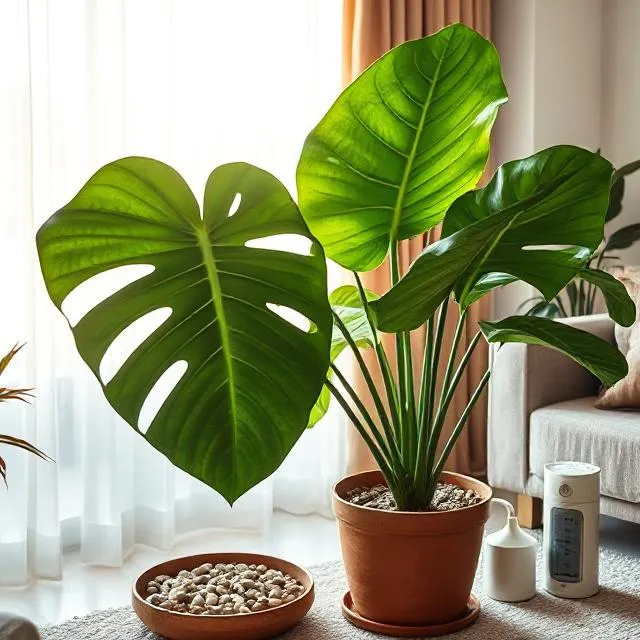
Table of Contents
Introduction:
Big, bold, and a little bit dramatic—your indoor elephant ear plant can turn from stunning to stubborn overnight. Yellow leaves, browning edges, or that sudden “umbrella” slump are all cries for help—but the good news is they’re fixable with a few targeted tweaks. In this guide, we’ll translate confusing symptoms into clear actions so you can keep those lush, sculptural leaves thriving year‑round.
We’ll start with the essentials—light, soil, watering, humidity, and nutrients—then move into fast diagnosis for common indoor elephant ear plant problems, from pests to root issues. Along the way, we’ll weigh elephant ear plant indoor benefits against real‑world trade‑offs, and help you decide elephant ear plant indoor or outdoor based on your space and climate.
By the end, you’ll know:
- How to dial in indoor elephant ear plant care (without overwatering or guessing).
- What to do about elephant ear plant indoor drooping, yellowing, or crispy edges—step by step.
- Which tools and setups prevent problems before they start.
- Clear answers to your top questions: Is an elephant ear plant good for indoors? How often should you water elephant ears? What is the lifespan of an indoor elephant’s ear? What are the disadvantages of elephant ear plants?
If your indoor elephant ear plant is drooping or slow to grow, you’re in the right place. Let’s turn guesswork into a simple, confident care routine that brings your plant back to its dramatic best.
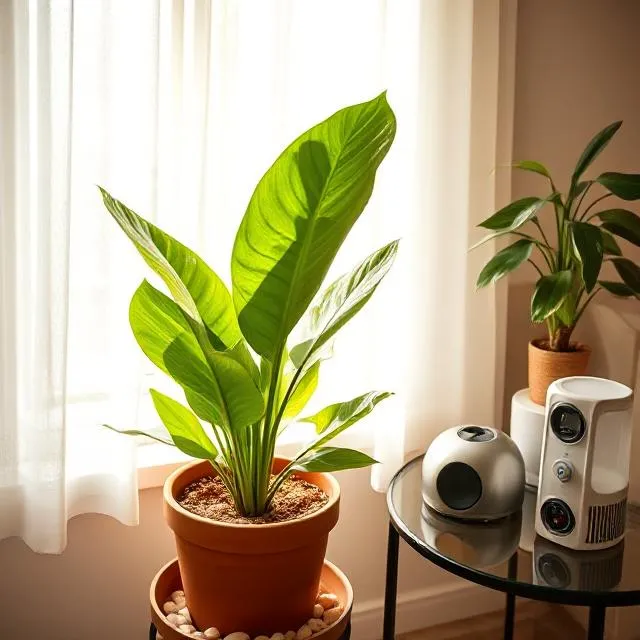
Indoor elephant ear plant care: essentials for setup and growth
Let’s set your indoor elephant ear plant up for effortless growth. The secret? Give it the right light, a breathable potting mix, steady humidity, and a watering rhythm that fits the season. Do that, and you’ll prevent most indoor elephant ear plant problems before they start.
Light requirements for indoor elephant ear plant (bright, indirect, no scorch)
Think “bright but gentle.” Your indoor elephant ear plant loves:
- Bright, indirect light near an east or north window, or a few feet back from a south/west window with a sheer curtain.
- 200–600 foot-candles (2,000–6,000 lux). Use a light meter app to check; if your phone reads <200 FC at midday, add a grow light.
- 1–2 hours of soft morning sun is fine; harsh midday beams can scorch.
Tips:
- Rotate the pot 90° weekly for symmetrical growth.
- Watch the leaves: are they leaning toward the window or shrinking in size? That’s your cue to move closer.
Soil, pot, and drainage that prevent rot and compaction
Loose, airy soil keeps roots oxygenated and strong. Try this mix:
- 50% high‑quality peat‑free potting mix or coco coir
- 20% perlite or pumice
- 20% fine orchid bark (pine bark)
- 10% compost or worm castings
Pot and drainage best practices:
- Always choose a pot with drainage holes; add a mesh screen over holes to prevent mix loss.
- Size up only 2 inches wider than the root ball to avoid soggy, unused soil.
- Terracotta helps excess moisture evaporate; plastic retains moisture longer (helpful in dry homes).
- Empty saucers after watering so roots don’t sit in runoff.
Humidity and temperature targets for lush leaves
To keep those leaves glossy (and avoid elephant ear plant indoor drooping):
- Humidity: 50–70% (60% sweet spot). Use a small humidifier, pebble tray, or group plants.
- Temperature: 65–85°F (18–29°C). Avoid cold drafts and heat blasts; below 60°F slows growth.
- Boost airflow with a gentle fan to deter fungal issues without drying the plant.
Fertilizer timing and type for steady growth
Feed lightly but consistently during active growth:
- Use a balanced, urea‑free liquid fertilizer at half strength every 2–4 weeks in spring/summer (a 3‑1‑2 or 1‑1‑1 ratio works well).
- In fall/winter, reduce to monthly or pause if growth stalls.
- Every 6–8 weeks, flush the soil with plain water to prevent salt buildup.
- Slow‑release pellets at the start of spring are a low‑maintenance option.
How often should you water elephant ears? Signs and schedule by season
Watering your indoor elephant ear plant is about rhythm, not rigid rules. Check the top 1–2 inches of soil; water when it’s dry to the touch.
A practical seasonal guide (adjust for light, pot size, and humidity):
- Spring: every 5–7 days
- Summer: every 3–5 days (more often in hot, bright rooms)
- Fall: every 7–10 days
- Winter: every 10–14 days
Signs it’s time to water:
- Topsoil is dry, pot feels noticeably lighter, leaves lose a bit of perk in late afternoon.
- Leaf edges feel thin or slightly papery.
Signs you’re watering too much:
- Constantly damp soil, yellowing lower leaves, persistent droop with a mushy stem base.
Keeping this simple routine protects your indoor elephant ear plant and minimizes common indoor elephant ear plant problems.
Moisture meter vs finger test for an indoor elephant ear plant
Use both for accuracy:
- Finger test: Check 1–2 inches deep in two spots; if dry, water thoroughly until runoff.
- Moisture meter: Aim for a mid‑range reading before watering. Calibrate your expectations—meters vary, so cross‑check with the finger test.
- Bonus checks: Weigh the pot (light = likely dry) or insert a wooden skewer; if it comes out clean, it’s time to water.
Water quality (chlorine/hardness) and how it impacts foliage
Water chemistry matters for leaf edges:
- Chlorine usually dissipates if water sits out 24 hours; chloramine does not—use a carbon filter or a vitamin C dechlorinator.
- Avoid softened water (high sodium). If tap water is very hard (high mineral content), salts can cause browning tips.
- Best options: filtered, rain, or distilled water. If using tap, flush the soil monthly to rinse accumulated minerals.
Done right, indoor elephant ear plant care becomes easy and predictable—and your plant rewards you with bold, architectural foliage.
Indoor elephant ear plant problems: diagnose fast, fix smart
When something looks “off,” fast action saves time (and leaves). Use the guide below to read symptoms quickly, then apply targeted fixes. You’ll solve most Indoor elephant ear plant problems by dialing in light, water, and airflow—and a few smart checks on roots and pests. Keep your indoor elephant ear plant close while you read and match what you see.
Yellow leaves, brown edges, and stunted growth—top causes and cures
What you’re seeing and why it happens:
- Yellow lower leaves
- Common causes: natural aging, overwatering, low light, or nitrogen deficiency.
- Fix it:
- Check soil moisture; if wet for days, pause watering and increase airflow.
- Move to brighter, indirect light.
- Feed lightly with a balanced, urea‑free fertilizer during active growth.
- Brown, crispy edges
- Common causes: low humidity, underwatering, heat or fan blasts, high salts from hard/softened water.
- Fix it:
- Raise humidity to 50–70%.
- Water thoroughly when the top 1–2 inches are dry.
- Switch to filtered or rainwater and flush the pot monthly.
- Pale leaves and small new growth
- Common causes: insufficient light or depleted nutrients.
- Fix it:
- Increase light (sheer‑filtered south/west window or a grow light).
- Feed at half strength every 2–4 weeks in spring/summer.
- Stalled or leggy growth
- Common causes: low light, pot too large (stays wet), or tight, compacted soil.
- Fix it:
- Improve light and airflow.
- Repot into a slightly larger container with an airy mix.
- Maintain a steady watering rhythm—no soggy roots.
Pro tip: It’s normal for an indoor elephant ear plant to sacrifice one old leaf as a new one unfurls. Remove only fully yellowed leaves.
Elephant ear plant indoor drooping: causes and quick fixes
Droop is a message, not a mystery. Ask: is the soil too wet, too dry, or just changed?
Quick fixes (in minutes):
- Check moisture 2 inches deep. If dry, water thoroughly until 10–20% runoff. If soggy, tip out excess water and increase airflow.
- Improve light immediately—move closer to a bright, indirect window.
- Raise humidity to 60% and avoid heat vents or cold drafts.
- Support heavy leaves with a simple stake or hoop while the plant rebounds.
- If recently repotted, reduce stress: no fertilizer for 3–4 weeks, stable light, and consistent moisture.
If droop persists 48–72 hours, inspect roots for rot and leaves for pests. Most cases resolve once Indoor elephant ear plant care is consistent.
Overwatering vs underwatering checklist to stop droop
- Signs of overwatering
- Soil stays wet >4–5 days, pot feels heavy
- Yellowing starts on lower leaves; stems may feel soft at the base
- Possible sour smell; algae on soil surface
- Action: Let soil dry to top 1–2 inches, increase airflow, and consider repotting into a chunkier mix if drainage is poor
- Signs of underwatering
- Top few inches bone‑dry; pot feels very light
- Leaf edges crisp, leaves perk after watering
- No sour smell; soil pulls away from pot sides
- Action: Bottom‑water to rehydrate evenly, then resume thorough top watering on a schedule
Support, airflow, and pruning tactics that prevent collapse
- Support: Use a soft tie and single stake or a semicircle hoop to lift heavy petioles without creasing them.
- Airflow: A gentle fan on low or an open window (no drafts) reduces fungus and strengthens petioles.
- Pruning: Remove only fully yellow/brown leaves at the base with sterile shears; leave healthy foliage to power recovery.
- Placement: Keep 2–3 feet from HVAC vents; rotate the pot weekly for balanced growth.
Pests and diseases: safe identification and treatment indoors
Common culprits and what to do:
- Spider mites
- Clues: fine webbing, dusty stippling, leaves feel rough.
- Treatment: Rinse leaves, then spray insecticidal soap or neem oil every 5–7 days for 3 cycles; increase humidity and airflow.
- Thrips
- Clues: silvery streaks, black specks, distorted new leaves.
- Treatment: Isolate plant; use sticky traps and a systemic or spinosad (as labeled for houseplants); repeat per instructions.
- Mealybugs and aphids
- Clues: white cottony clusters (mealybugs) or soft green/black insects (aphids) on stems and undersides.
- Treatment: Dab with 70% isopropyl on a cotton swab, then wash and follow with insecticidal soap weekly until clear.
- Fungus gnats (nuisance, indicate wet soil)
- Clues: tiny flies at soil line.
- Treatment: Let the top layer dry, add yellow sticky traps, and water in BTi (per label) to target larvae.
Disease red flags:
- Leaf spots with yellow halos (bacterial/fungal) → remove affected leaves, improve airflow, avoid wetting foliage, and apply a houseplant‑safe copper or sulfur product if needed.
- Root rot (often from overwatering) → see next section for a full rescue plan.
Prevention beats cure: inspect new plants, quarantine for 2 weeks, and wipe leaves monthly. This alone stops most Indoor elephant ear plant problems before they spread.
Indoor elephant ear plant problems pictures: visual symptom guide
When you compare your plant to Indoor elephant ear plant problems pictures, look for:
- Overwatering vs underwatering
- Overwatered: wide yellow patches on older leaves, droop with soft stems, dark soggy soil.
- Underwatered: brown, crispy margins; leaves perk after watering; dry, shrinking soil.
- Light stress
- Too little: oversized petioles, small pale leaves stretching toward the window.
- Too much: bleached patches or sharp-edged scorch where sun hits.
- Nutrient issues
- Nitrogen deficit: overall pale, older leaves yellow first.
- Potassium deficit: browning edges with yellow bands just inside the margin.
- Pest damage
- Mites: tiny speckles and webbing; thrips: silvery streaks and deformed new leaves.
Tip: Photograph leaves in bright, indirect light with a neutral background; include the soil surface and stem base for better comparisons.
Repotting stress vs root rot: how to tell and what to do
Spot the difference quickly:
- Repotting stress
- Timing: begins within a day of repotting
- Look/feel: mild droop, maybe one yellowing leaf; roots are firm and white/cream
- What to do:
- Keep in bright, indirect light.
- Maintain evenly moist—not wet—soil.
- Hold fertilizer 3–4 weeks.
- Raise humidity and avoid moving the plant again.
- Root rot
- Timing: gradual decline after weeks of wet soil, or sudden collapse
- Look/feel: sour smell, brown/mushy roots, pot stays heavy, yellowing spreads from the bottom up
- What to do (triage):
- Unpot and rinse roots; trim all mushy portions with sterile shears.
- Dust cuts with cinnamon or apply a houseplant‑safe fungicide.
- Repot into fresh, airy mix and a pot with drainage; water once, then let the top 1–2 inches dry before the next watering.
- Increase light and airflow; no fertilizer for 3–4 weeks.
With these diagnostics and remedies, your indoor elephant ear plant can bounce back fast—and stay that way with steady Indoor elephant ear plant care.
Is an elephant ear plant good for indoors?
Yes—if you can offer bright, indirect light, steady humidity, and a bit of floor space, an indoor elephant ear plant can be a show‑stopping centerpiece. Ask yourself: do you have a bright corner near a curtained window and room for broad leaves to fan out? If so, the payoff is huge foliage drama with surprisingly simple routines once you dial in Indoor elephant ear plant care.
Elephant ear plant indoor benefits: bold foliage, air feel, mood boost
What you gain when you grow an indoor elephant ear plant:
- Statement greenery: Architectural leaves instantly elevate living rooms, entryways, and lobbies.
- “Air feel” and comfort: These plants transpire generously, which can nudge local humidity up—great for your skin and nearby tropicals.
- Biophilic calm: Large, sculptural foliage softens lines, reduces visual clutter, and can make spaces feel more restorative.
- Adaptable setup: Thrives in bright, indirect light or under full‑spectrum LED grow lights; easy to rotate into photo‑ready spots.
- Beginner‑friendly path: With consistent watering and airflow, most Indoor elephant ear plant problems stay rare and manageable.
What are the disadvantages of elephant ear plants?
Before you commit, weigh the trade‑offs:
- Size and spread: Some varieties reach 3–6+ feet indoors, demanding floor space and a sturdy pot.
- Humidity needs: Leaves look their best around 50–70% RH—dry homes may need a small humidifier or pebble tray.
- Irritant sap: Like many aroids, the sap contains calcium oxalate crystals that can irritate skin and mouths.
- Seasonal slowdowns: Growth can pause or semi‑dorm in winter, which worries new plant parents.
- Water balance: Overwatering is a common trigger for yellowing and root stress; a breathable mix is essential.
Large size, sap irritation, and higher humidity needs
- Size management: Choose compact cultivars, prune only fully spent leaves, and rotate weekly for balanced growth.
- Sap safety: Wear gloves when trimming; avoid touching your face; wash hands after maintenance.
- Humidity hacks: Group plants, use a small cool‑mist humidifier, or place the pot on a pebble tray to keep foliage lush.
Space, light, and pet safety considerations
- Space and light: Aim for 200–600 foot‑candles (bright, indirect). Place 2–5 feet from a south/west window with a sheer or near an east window.
- Traffic patterns: Keep petioles away from walkways to prevent accidental snapping.
- Pet safety: Toxic if chewed—keep out of reach of pets and children, and train or block access where needed.
Elephant ear plant indoor or outdoor: best placement by climate and space
Use climate as your compass:
- Warm, frost‑free zones (roughly USDA 9–11): You can grow outside year‑round, or keep an indoor elephant ear plant and summer it outdoors for extra growth.
- Cooler zones: Grow indoors most of the year; move outside only after nights stay above 60°F (16°C).
- Acclimation matters: When shifting between indoor and outdoor spots, increase light gradually over 7–10 days to prevent scorch.
- Container tips: Outdoors, plants drink more—choose a larger pot with excellent drainage; indoors, a slightly smaller pot helps avoid soggy soil.
Pro tip: Many growers keep an indoor elephant ear plant year‑round, rolling it onto a balcony or patio for summer vigor, then bringing it back before temperatures dip.
Best indoor varieties and sizes for apartments and offices
Pick a cultivar that fits your space and routine:
- Alocasia ‘Polly’ (aka ‘Amazonica’): 1–2 ft tall; compact, striking veins; great for shelves and small rooms.
- Alocasia ‘Regal Shield’: 3–5 ft; velvety, dark leaves with lime veins; ideal for bright corners.
- Alocasia ‘Portora’ or ‘Odora’: 4–6 ft; bold, upright form; best for offices or living rooms with higher ceilings.
- Colocasia ‘Black Magic’: 3–5 ft; dramatic purple‑black leaves; prefers warmth and consistent moisture.
- Colocasia ‘Mojito’: 2–4 ft; speckled green variegation; thrives with bright, indirect light.
- Xanthosoma lindenii: 2–3 ft; white‑striped leaves; loves warmth, steady humidity, and careful watering.
Sizing guide:
- Small spaces: Choose compact Alocasias (e.g., ‘Polly’) in 6–8 inch pots.
- Medium rooms: ‘Regal Shield’ in 10–12 inch pots for a defined statement.
- Large areas: ‘Portora’ or robust Colocasias in 12–16 inch pots where they can stretch.
Bottom line: With the right light and moisture habits, an indoor elephant ear plant rewards you with lush, architectural foliage. If you stay consistent with Indoor elephant ear plant care—bright, indirect light, a breathable potting mix, and moderate humidity—you’ll avoid most Indoor elephant ear plant problems and enjoy year‑round tropical vibes.
Lifespan, growth cycle, and seasonal care indoors
Curious how long your indoor elephant ear plant can thrive? With consistent Indoor elephant ear plant care—bright, indirect light, steady humidity, and a breathable mix—these tropicals can live for years, cycling through vibrant growth spurts and gentle slowdowns. Understanding that cycle helps you act with confidence instead of guesswork.
What is the lifespan of an indoor elephant’s ear?
Short answer: many years. Your plant is a perennial with a corm or rhizome that stores energy, so it can regrow season after season.
What to expect:
- Leaf lifespan: Individual leaves often look great for 6–12 weeks before naturally aging.
- Plant lifespan: 5–10+ years is common indoors when roots aren’t kept soggy and light is adequate.
- Growth rhythm: Fast in spring/summer, slower in fall, sometimes semi‑dormant in winter—especially in cooler, drier homes.
Longevity boosters for your indoor elephant ear plant:
- Light: 200–600 foot‑candles (bright, indirect) or a full‑spectrum LED.
- Water: Thoroughly when the top 1–2 inches are dry—never on a fixed calendar.
- Mix: Airy, chunky soil to protect roots from compaction and rot.
- Potting: Repot every 12–18 months or when roots circle; size up just 1–2 inches.
- Feeding: Half‑strength balanced fertilizer every 2–4 weeks in active growth.
Tip for Elephant ear plant indoor or outdoor decisions: Treat it as an indoor staple, but you can “summer” it outdoors once nights stay above 60°F (16°C). Acclimate gradually, then bring it back inside before temps drop.
Dormancy vs decline: winter care without panic
Winter slowdowns are normal—decline is not. Here’s how to tell the difference and respond.
Dormancy signs (normal):
- Fewer, smaller leaves; slower unfurling
- Mild midday limp that resolves after watering
- Soil dries more slowly due to lower light and temps
Care moves:
- Reduce watering frequency (but don’t let it bone‑dry repeatedly).
- Hold fertilizer until growth resumes.
- Keep temps 65–75°F (18–24°C) and humidity near 50–60%.
- Maintain bright, indirect light or add a grow light.
Decline signals (act now):
- Persistent Elephant ear plant indoor drooping even after proper watering
- Mushy stems, sour smell, or pot that stays heavy for days
- Rapid yellowing from the bottom up
Fixes:
- Improve airflow and light immediately.
- Check roots for rot; refresh into a chunkier mix if needed.
- Resume gentle watering only when the top 1–2 inches dry.
- Address pests promptly (they’re a common winter trigger for Indoor elephant ear plant problems).
Pruning, dividing, and repotting for longevity
Smart maintenance keeps your indoor elephant ear plant vigorous for years.
Pruning:
- Remove only fully yellow or brown leaves.
- Cut cleanly at the base with sterilized shears; avoid nicking healthy petioles.
- Wipe dust monthly so leaves can photosynthesize efficiently.
Dividing (best in spring):
- Unpot and gently separate offsets or sections of the corm/rhizome.
- Cut with a sterile blade; allow cut surfaces to callus for a few hours.
- Pot divisions into fresh, airy mix; keep evenly moist, not wet, for 2–3 weeks.
- Provide bright, indirect light and skip fertilizer for 3–4 weeks.
Repotting:
- Timing: early spring before the growth surge.
- Pot: increase diameter by 1–2 inches; always ensure drainage holes.
- Mix: potting soil + perlite/pumice + fine bark; avoid compact, waterlogged blends.
- Alternative: top‑dress (replace top 1–2 inches of soil) if the plant isn’t rootbound.
Safety notes: sap handling and pet-friendly tips
- Sap caution: Like many aroids, sap contains calcium oxalate crystals that can irritate skin and mouths. Wear gloves when pruning or dividing; wash hands and tools afterward.
- Pet safety: Keep out of reach of pets and children; use plant stands or barriers in high‑traffic areas.
- Clean‑up: If sap contacts skin, rinse with soap and water. If a pet chews leaves, contact your vet for guidance.
When you honor the growth cycle and stay consistent with Indoor elephant ear plant care, your indoor elephant ear plant becomes a long‑term, low‑drama showpiece—lush in summer, calm in winter, and reliably magnificent year after year.

Step-by-step rescue plans and preventive checklists
When your indoor elephant ear plant starts acting fussy, quick, confident moves make all the difference. Ask yourself: is the soil soggy or bone‑dry? Is the light weak or scorching? Use these targeted rescue plans to stabilize your plant fast—and a simple checklist to prevent repeat issues.
Overwatering recovery for an indoor elephant ear plant (root rot triage)
Overwatering is the most common trigger behind yellowing leaves and Elephant ear plant indoor drooping. Confirm the diagnosis before you act:
- Pot feels heavy for days; soil stays wet and cold
- Lower leaves yellow first; stems feel soft near the base
- Sour smell or black/brown mushy roots on inspection
What you’ll need: sterile pruning shears, fresh airy mix (potting soil + perlite/pumice + fine bark), a pot with drainage, paper towels, and optional cinnamon or a houseplant‑safe fungicide.
Unpot, trim, treat, and repot—simple sequence to save roots
- Lift and unpot
- Gently remove the plant and shake/rinse off old, soggy mix. Blot roots dry on paper towels.
- Assess and trim
- Snip away all brown, mushy, or hollow roots with sterilized shears. Keep only firm, white/tan tissue.
- Treat the wounds
- Dust cuts with cinnamon or apply a fungicide per label to discourage reinfection.
- Refresh the container
- Wash the pot with soap and water; ensure true drainage holes (no decorative cachepot unless used as a cover).
- Rebuild the mix
- Repot into a chunky, breathable blend: roughly 50% potting mix, 25% perlite/pumice, 25% fine bark.
- Replant and water once
- Set the crown at the same height as before. Water thoroughly, then drain completely.
- Stabilize the environment
- Bright, indirect light; gentle airflow; 50–60% humidity. No fertilizer for 3–4 weeks.
- Monitor, don’t smother
- Let the top 1–2 inches dry before watering again. Expect 1–2 tired leaves—remove only when fully yellow.
Tip: If the plant is very top‑heavy, stake loosely so new roots can anchor without the canopy collapsing.
Underwatering recovery: deep soak and rehydration protocol
Classic signs include a feather‑light pot, soil shrinking from the sides, crisp edges, and leaves that perk up quickly after watering.
Do this to rehydrate safely:
- Pre‑wet slowly
- Using lukewarm water, pour gently across the surface to rehydrate the hydrophobic top layer.
- Bottom‑soak
- Place the pot in a basin with water reaching halfway up the pot. Soak 15–30 minutes until the top is uniformly moist.
- Drain completely
- Lift, tilt, and let excess water escape. Never leave the pot standing in runoff.
- Reset your rhythm
- Resume thorough watering when the top 1–2 inches are dry. In bright summer rooms, that may be every 3–5 days; in winter, 10–14 days.
- Upgrade the mix if needed
- If it dries to dust in a day, add more coco coir and fine bark to improve moisture retention without suffocating roots.
Result: Your indoor elephant ear plant should regain turgor within hours; new leaves follow once roots stay evenly moist—not soaked.
Light-starved rehab: relocation and acclimation plan
Weak light = small, pale leaves and stretched petioles. Let’s fix that without causing scorch.
- Measure and target: Aim for 2000–6000 lux (200–600 foot‑candles) of bright, indirect light. A phone light meter app works.
- Relocate gradually:
- Move 1–2 feet closer to a bright window every 3–4 days.
- Use a sheer curtain for south/west windows to soften midday beams.
- Supplement with LEDs:
- Full‑spectrum grow light 12–14 hours/day, positioned 12–18 inches above the canopy.
- Support while adjusting:
- Stake heavy leaves and rotate the pot weekly for balanced growth.
- Watch the leaves:
- If edges bleach or feel hot at midday, you’ve moved too fast—back up 1–2 feet.
Within 2–3 weeks, you should see sturdier petioles and larger unfurling leaves on your indoor elephant ear plant.
Preventive care checklist for an indoor elephant ear plant
Lock in easy wins so you dodge most Indoor elephant ear plant problems.
Weekly
- Check moisture at 2 points; water when the top 1–2 inches are dry.
- Rotate the pot 90° for even growth and stronger stems.
- Wipe dust from leaves; inspect undersides for mites, thrips, or mealybugs.
- Quick scan for Elephant ear plant indoor drooping and adjust light/water accordingly.
Monthly
- Flush the pot with plain water to reduce fertilizer salts.
- Feed at half strength during active growth (spring/summer).
- Inspect drainage: clear clogged holes; empty saucers.
Seasonal
- Spring: Repot if rootbound; refresh into an airy mix and add slow‑release fertilizer.
- Summer: Boost humidity to 50–70% and increase airflow to prevent fungus.
- Fall: Gradually reduce watering frequency as light wanes.
- Winter: Add a grow light, hold fertilizer, and keep temps 65–75°F (18–24°C).
Bottom line: Consistent, simple Indoor elephant ear plant care—balanced light, breathable soil, and right‑time watering—keeps your indoor elephant ear plant resilient, glossy, and growing strong year‑round.
Tools, supplies, and setup checklist for success
Dialing in your toolkit turns indoor elephant ear plant care from guesswork into a calm routine. Are your pot and soil breathing? Is your humidity stable and watering precise? Use this checklist to prevent the most common Indoor elephant ear plant problems—root rot, crispy edges, and Elephant ear plant indoor drooping—before they start.
Quick setup checklist:
- Pot with real drainage holes (+ matching saucer)
- Airy, chunky soil components (potting mix, perlite/pumice, fine bark, optional compost)
- Moisture meter and a small hygrometer
- Cool‑mist humidifier or pebble tray
- Sharp pruning shears, isopropyl alcohol, and gloves
- Balanced liquid fertilizer (with micros), measuring spoon
- Insecticidal soap or horticultural oil, sticky traps, BTi for gnats
- Optional: light meter app or full‑spectrum grow light
Pots, soil mixes, moisture meters, and humidifiers
Pots
- Choose terracotta for breathability in humid homes; pick plastic/fiberglass if your space is dry and you need longer moisture retention.
- Size up only 1–2 inches wider than the current root ball; oversized pots stay wet and risk rot.
- Ensure true drainage holes. If you love a decorative cachepot, keep the plant in a nursery pot inside it and empty runoff promptly.
- Keep the crown at the same soil height when repotting—burying it invites rot.
Soil mixes
- Goal: oxygenated roots that never sit in heavy, compacted soil.
- Reliable, breathable blend:
- 50% high‑quality potting mix (coco‑based if possible)
- 25% perlite or pumice
- 25% fine orchid bark (pine bark)
- Optional: a handful of compost or worm castings for gentle nutrients
- Pre‑moisten the mix before potting so it settles evenly around roots.
Moisture meters (and better checks)
- Use the meter as a guide, not gospel; different mixes read differently.
- Cross‑check with the finger test at 1–2 inches and by lifting the pot (light = likely dry).
- A wooden skewer test is simple: insert, wait 5 minutes, and check for damp soil sticking to it.
Humidifiers and hygrometers
- Target 50–70% humidity for lush leaves; 60% is a great sweet spot indoors.
- Place a small cool‑mist humidifier a few feet away and clean it weekly to avoid mineral dust.
- Pebble trays help buffer humidity around your indoor elephant ear plant—but won’t replace a humidifier in very dry rooms.
Pro tip: If your space is dim, add a sheer‑filtered south/west window spot or a grow light at 12–18 inches above the canopy. Light and airflow make every other tool work better.
Fertilizers and pest controls that actually work indoors
Fertilizers
- Use a balanced, urea‑free liquid fertilizer with micronutrients at half strength every 2–4 weeks in spring/summer.
- Pause or reduce feeding in fall/winter when growth slows.
- Flush the pot with plain water every 6–8 weeks to prevent salt buildup (a common cause of brown edges).
- Signs you’re underfeeding: pale new leaves and slow growth. Signs you’re overfeeding: tip burn and crusty salts on the soil surface.
Pest controls
- Keep insecticidal soap or a horticultural oil on hand for mites, aphids, and mealybugs; spray every 5–7 days for 2–3 cycles to break life stages.
- Sticky traps monitor thrips and fungus gnats; BTi drenches target gnat larvae in soil.
- Rubbing alcohol (70%) on a cotton swab helps remove mealybugs and scale on contact.
- Prevention staples: quarantine new plants for 10–14 days and wipe leaves monthly to reduce dust (mites love dusty foliage).
Disease backstop
- Improve airflow first; water only when the top 1–2 inches are dry.
- For suspected fungal leaf spots, remove affected leaves and consider a houseplant‑safe copper or sulfur product as labeled.
Safety note: Always follow label directions and keep products out of reach of kids and pets.
Weekly, monthly, and seasonal maintenance routines
Weekly
- Check moisture at two spots; water thoroughly when the top 1–2 inches are dry.
- Rotate the pot 90° for even growth and sturdier petioles.
- Wipe leaves with a damp microfiber cloth; inspect undersides for pests.
- Quick scan for Elephant ear plant indoor drooping—adjust light, watering, or humidity as needed.
Monthly
- Flush soil with plain water to clear fertilizer salts.
- Feed at half strength during active growth.
- Clean humidifier and check hygrometer readings; aim for 50–70% RH.
- Inspect drainage holes; clear any blockages and empty saucers.
Seasonal
- Spring: Repot if rootbound; refresh into a chunky mix and add slow‑release fertilizer if you prefer a low‑maintenance boost.
- Summer: Increase airflow (gentle fan), monitor humidity, and expect faster drinking in brighter light.
- Fall: Gradually extend watering intervals as light fades; keep warmth steady.
- Winter: Add a grow light if needed, hold fertilizer, and keep temps 65–75°F (18–24°C) to avoid cold stress.
Set up once, then follow this rhythm. With the right tools and habits, your indoor elephant ear plant stays resilient, glossy, and vigorous—proof that smart Indoor elephant ear plant care beats constant troubleshooting of Indoor elephant ear plant problems.
Quick FAQ for indoor elephant ear plant essentials
Got questions? Use this skimmable guide to keep your indoor elephant ear plant lush, resilient, and photo‑ready—without guesswork.
Is an elephant ear plant good for indoors?
Yes—if you can offer bright, indirect light, consistent warmth, and moderate humidity. In return, you’ll enjoy elephant ear plant indoor benefits like bold, architectural leaves that instantly elevate your space. With steady indoor elephant ear plant care, it’s a reliable statement plant for living rooms, offices, and bright hallways.
Key yes/no factors at a glance (light, space, humidity)
- It’s a yes if you have:
- Bright, indirect light (200–600 foot‑candles) or a quality grow light
- Humidity around 50–70% and temperatures 65–85°F (18–29°C)
- 2–3 feet of clearance for leaf spread and safe traffic flow
- A pot with drainage and an airy soil mix
- Think twice if you have:
- Dim rooms (<150 foot‑candles) or strong, unfiltered midday sun
- Very dry air (<35% RH) and no plan for a humidifier
- Curious pets that chew plants (sap is irritating)
- A tendency to overwater or pots without drainage
How often should you water elephant ears?
Water when the top 1–2 inches of soil feel dry—then water thoroughly until runoff. Frequency shifts with light, pot size, and season. In bright conditions, an indoor elephant ear plant usually drinks more in summer and less in winter. Watch cues, not the calendar.
Seasonal watering cheat sheet and soil moisture cues
- Spring: every 5–7 days
- Summer: every 3–5 days (more in hot, bright rooms)
- Fall: every 7–10 days
- Winter: every 10–14 days
Soil and plant cues:
- Time to water: topsoil dry, pot feels light, slight late‑day droop that rebounds after watering
- Too much water: heavy pot for days, yellowing lower leaves, soft base, fungus gnats
- Too little water: soil pulling from pot sides, crisp edges, fast perk‑up after watering
If you notice elephant ear plant indoor drooping that doesn’t improve, reassess light and check roots. Many indoor elephant ear plant problems start with inconsistent moisture or low light.
What is the lifespan of an indoor elephant’s ear?
With proper indoor elephant ear plant care, expect 5–10+ years—and often longer—because the corm/rhizome stores energy and can be divided to renew vigor. Individual leaves last 6–12 weeks, naturally aging as new leaves unfurl. For extra growth, consider elephant ear plant indoor or outdoor rotation: summer your plant outside once nights stay above 60°F (16°C), then bring it back before temps drop.
How to extend lifespan with proper pruning and dormancy care
- Prune wisely: remove only fully yellow/brown leaves with sterilized shears
- Respect the slow season: reduce watering in winter; hold fertilizer until growth resumes
- Keep conditions steady: bright, indirect light; 50–60% humidity; away from drafts
- Refresh the root zone: repot every 12–18 months into a breathable mix; divide offsets in spring
- Prevent salt stress: flush soil with plain water every 6–8 weeks during the growing season
What are the disadvantages of elephant ear plants?
They’re dramatic—and a bit demanding. Expect larger footprints, above‑average humidity needs, and sap that can irritate skin and mouths. In low light or soggy soil, indoor elephant ear plant problems (yellowing, droop, slow growth) appear quickly.
Trade-offs to consider before buying (size, toxicity, upkeep)
- Size and space: many varieties reach 3–6+ feet with wide leaf spread
- Humidity and water: happiest at 50–70% RH; needs consistent, not constant, moisture
- Sap and pets: calcium oxalate crystals can irritate—keep out of reach
- Light commitment: bright, indirect light or a grow light for best color and size
- Maintenance: routine wiping, seasonal repotting, and periodic pest checks
With the right setup, your indoor elephant ear plant becomes a low‑drama showpiece—proof that consistent indoor elephant ear plant care beats constant troubleshooting.

Conclusion:
When you zoom out, the path to a thriving indoor elephant ear plant is surprisingly simple: steady light, breathable soil, right‑time watering, and calm airflow. Nail those, and you’ll enjoy elephant ear plant indoor benefits—bold, sculptural leaves and a fresh, tropical vibe—without constant troubleshooting.
Your quick action plan:
- Light: Keep it in bright, indirect light; acclimate any move closer to the window over a week. Add a grow light if needed.
- Water: Check the top 1–2 inches before every watering. If you see Elephant ear plant indoor drooping, verify moisture first—then adjust, don’t guess.
- Soil and pot: Use a chunky, well‑draining mix and a pot with true drainage. Size up only 1–2 inches to avoid soggy soil.
- Humidity and airflow: Aim for 50–70% humidity with a gentle fan nearby to deter fungus and strengthen petioles.
- Feeding: Half‑strength, balanced fertilizer during active growth; flush salts every 6–8 weeks.
- Pests: Inspect leaves (especially undersides) weekly; treat early with insecticidal soap or horticultural oil.
Decision points that keep momentum:
- If growth stalls, reassess light first—most Indoor elephant ear plant problems start there.
- If edges brown, review humidity and watering rhythm, then switch to filtered or rainwater.
- Unsure about placement? Decide elephant ear plant indoor or outdoor based on climate; many growers “summer” the plant outside, then bring it back before temps dip.
Stick with consistent Indoor elephant ear plant care and your indoor elephant ear plant will repay you with bigger, glossier leaves each cycle. And if your indoor elephant ear plant throws you a curve—yellowing, droop, or slow growth—you now have clear, step‑by‑step recovery plans to handle it with confidence.
Before you close this tab, pick one improvement to make today: move the pot to brighter, indirect light, refresh the soil mix, or set a reminder to check moisture. Small, consistent tweaks win. Ready to enjoy a calmer routine and a lusher plant? Let’s grow.
Dennis P. Hansen
Dennis P. Hansen is a home gardener with a genuine passion for plants and the simple pleasure of growing them. He enjoys caring for houseplants, succulents, and other plants at home while continually learning from everyday gardening experiences. Dennis likes to share practical plant care tips, useful observations, and simple solutions that can help others grow healthier plants. He believes that caring for plants is a rewarding journey and that there is always something new to learn along the way.