
Elephant ear plant indoor problems? Try these fixes

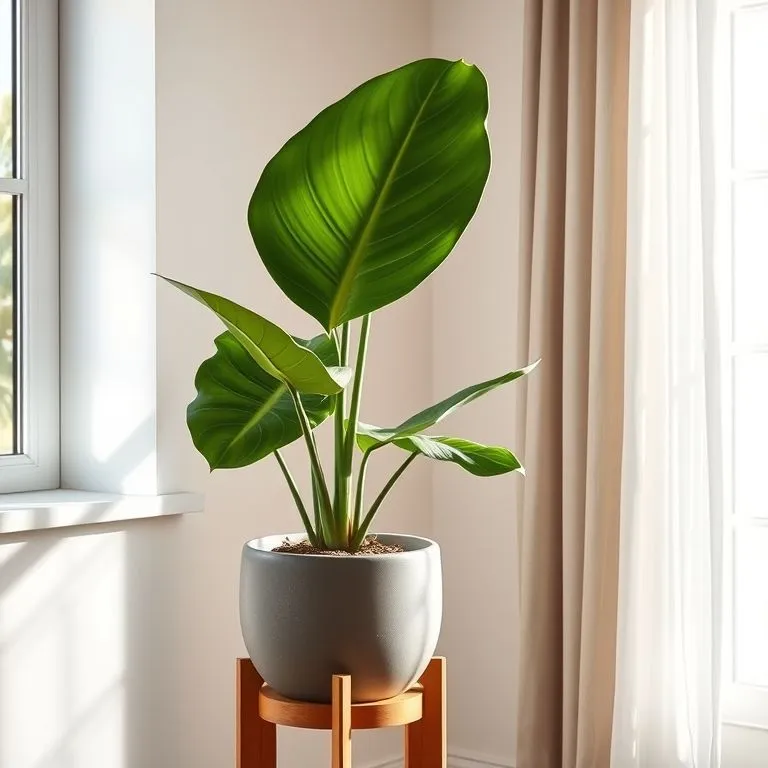
Table of Contents
introduction:
Those bold, heart‑shaped leaves should look jungle‑lush—not sad and sagging. If your elephant ear plant indoor is drooping, yellowing, or attracting pests, you’re in the right place. This guide delivers fast, practical fixes you can apply today, plus a simple routine to keep growth steady all year.
What you’ll get from this guide
- Clear, step‑by‑step solutions to common indoor elephant ear plant problems
- A quick triage you can run in five minutes (light, moisture, humidity, and soil check)
- A weekly care rhythm that prevents setbacks and supports bigger, healthier leaves
Key questions we’ll answer upfront
- Is an elephant ear plant good for indoors? Yes—if you can offer warm temps, bright filtered light, and humidity around 50–70%. The payoff? Elephant ear plant indoor benefits include dramatic foliage, a tropical vibe, and a satisfying growth rate when conditions are right.
- Do elephant ear plants need sunlight? They thrive in bright, indirect light with gentle morning sun. Harsh midday rays can scorch; low light leads to small leaves and stretched petioles.
- How often should I water an indoor elephant ear plant? Use a repeatable method: water deeply when the top inch is dry and the pot feels noticeably lighter. Expect more frequent watering in brighter light and during active growth.
- What are the disadvantages of elephant ear plants? They can outgrow tight spaces, demand consistent humidity, and their sap may irritate skin and is toxic if ingested. Spider mites and thrips are common under dry, stagnant conditions, and some varieties rest or go semi‑dormant in low light.
If Indoor elephant ear plant problems are stressing you out, take heart—we’ll start with quick wins for light and watering, then dial in an airy mix, gentle feeding, and humidity. With the right elephant ear plant indoor care, even “impossible” plants rebound. Ready to turn elephant ear plant indoor drooping into confident, upright growth? Let’s begin.
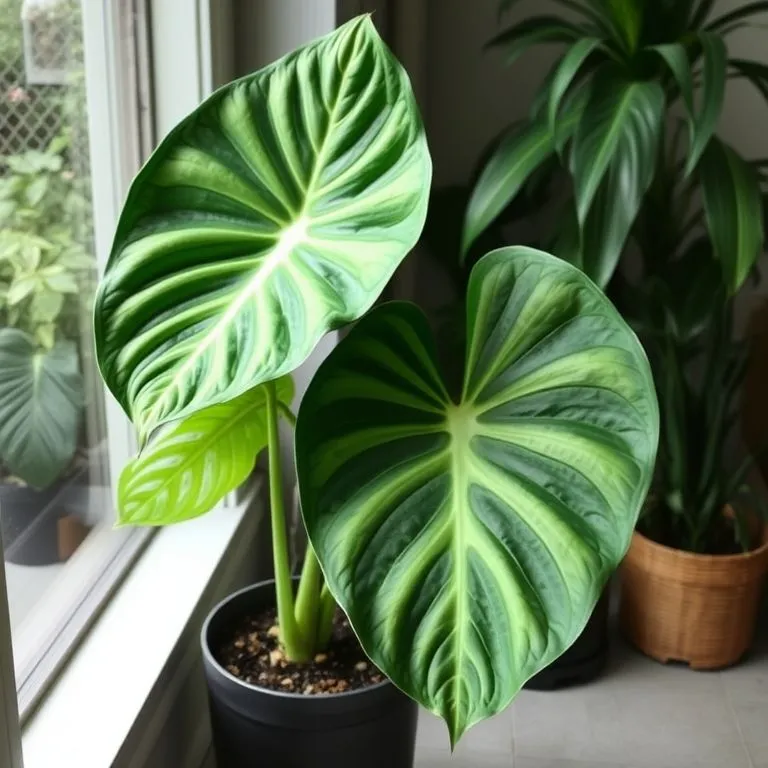
Quick diagnosis and 24‑hour triage
Let’s stabilize your elephant ear plant indoor in one focused session. With a fast ID, symptom decode, and a few targeted tweaks, you can reverse decline within a day. Keep this handy—we’ll move step by step toward confident elephant ear plant indoor care.
Identify your plant family (why it matters)
- Alocasia: arrow/shield leaves, upright petioles, prefers brighter filtered light and a slightly drier, airy mix.
- Colocasia: heart-shaped, droopier leaves, tolerates more moisture, enjoys warmth and steady humidity.
- Xanthosoma: bold arrowhead leaves, thick petioles, favors warm temps and consistent, even moisture.
Getting the family right prevents overwatering or light mismatch—the top triggers of indoor elephant ear plant problems.
Symptom cheat‑sheet (signal → likely cause)
- Yellow leaves: natural aging (oldest leaf), low light, or soggy roots from poor drainage.
- Brown edges/tips: low humidity, underwatering, or fertilizer salts.
- Small new leaves: insufficient light, tight roots, or depleted nutrients.
- Pests (mites, thrips, mealybugs): dry air, dusty leaves, stagnant airflow.
Elephant ear plant indoor drooping: fast checks
- Moisture: top inch dry and pot light? Deep‑soak. Soggy mix and cool pot? Pause and aerate.
- Temperature: aim 68–80°F; avoid AC/heat vents and cold drafts.
- Humidity: raise to 50–70% with a humidifier or pebble tray.
Quick stabilization: brighter filtered light, deep soak if dry, gentle wipe of both leaf sides to boost photosynthesis.
24‑hour rescue (do these in order)
- Light: give bright, indirect light (morning sun, sheer‑curtain east window).
- Water: if dry, water slowly until excess drains; empty saucer. If wet, hold water and ventilate the mix.
- Humidity: run a cool‑mist humidifier near foliage; group plants.
- Clean: dust leaves with a damp microfiber; remove one yellowing leaf at a time.
- Inspect: check undersides for pests; spot‑treat with insecticidal soap.
- Warmth: keep stable temps; no cold floors under pots.
Grab these tools
- Moisture meter (optional), watering can with narrow spout, microfiber cloth, insecticidal soap/neem, cool‑mist humidifier, clean snips.
Follow this flow once, then reassess in 48 hours. Your elephant ear plant indoor should show perkier petioles and smoother leaves as stress fades.
Light and placement that prevent decline
Do elephant ear plants need sunlight? Absolutely—just the right kind. Bright, filtered light powers those dramatic leaves without scorching them. If your elephant ear plant indoor is stretching, fading, or leaning, light is usually the fix.
Target the sweet spot
- Aim for bright indirect light: 5,000–10,000 lux (≈450–900 foot‑candles).
- Morning sun is ideal; avoid harsh midday rays that cause scorch and crispy edges.
- Use a phone light meter to confirm; adjust weekly as seasons shift.
Best window orientations
- East window: prime spot—gentle morning sun plus bright ambient light.
- South or west: place 2–3 feet back with a sheer curtain to diffuse intensity.
- North: often too dim; supplement with a grow light to prevent indoor elephant ear plant problems like small new leaves.
Elephant ear plant indoor or outdoor?
- Summer outside can supercharge growth—if you harden off first. Move the pot outdoors for 1–2 hours of early shade, adding an hour daily for 7–10 days.
- Use 30–40% shade cloth in strong sun, and bring plants back inside before nights dip below 60°F.
Grow‑light setup that avoids scorch and stretch
- Choose a full‑spectrum LED and position it 12–18 inches above the canopy.
- Run 12–14 hours daily; deliver bright, even coverage (no spotlighting).
- Raise the fixture or dim if leaf edges bleach; lower slightly if petioles stretch.
Placement strategy that keeps foliage upright
- Keep steady airflow (a gentle fan on low) but avoid drafts; stay 2–3 feet from HVAC vents.
- Rotate your elephant ear plant indoor a quarter turn weekly for even growth.
- Elevate the pot and use reflective surfaces (light walls, pale floors) to bounce light into the canopy.
When light is dialed in, elephant ear plant indoor drooping eases, petioles strengthen, and each new leaf unfurls larger than the last—core elephant ear plant indoor care, solved.
Water and humidity made simple
Water and air work together. Nail them, and your elephant ear plant indoor will trade droop for drama.
How often should I water an indoor elephant ear plant?
- Use two cues:
- Moisture-depth test: probe 1–2 inches down; water when it feels barely moist.
- Pot-weight cue: learn the “just-watered” vs “light” feel.
- Seasonal shift: brighter, warmer rooms = more frequent deep soaks; darker, cooler seasons = slower drying.
- This repeatable rhythm is cornerstone Elephant ear plant indoor care.
Water quality and technique
- Technique: deep soak until excess drains, then empty the saucer. Skip frequent sips that starve lower roots.
- Temperature: room‑temp water only; cold water shocks roots and triggers yellowing.
- Quality: filtered or dechlorinated if tap water causes leaf tip burn or salt crust.
Humidity targets (50–70%)
- Aim for 50–70% RH to prevent crisp edges and stalled leaves.
- Tools that work:
- Cool‑mist humidifier near, not on, foliage.
- Pebble tray with water below the pot base.
- Grouping plants to build a stable microclimate.
- Misting? Light, morning-only if you must; wet, cool leaves invite disease—classic Indoor elephant ear plant problems.
Troubleshoot droop and crisp edges
- Droop in dry mix + warm room: deep soak, then mulch the soil surface with airy bark.
- Droop in wet, cool mix: pause watering, improve airflow, and warm the root zone.
- Crisp tips: raise humidity, flush salts, and match watering cadence to light and pot size.
Get these basics right, and your elephant ear plant indoor will unfurl bigger, glossier leaves week after week—true Elephant ear plant care made simple.
Soil, potting mix, and drainage

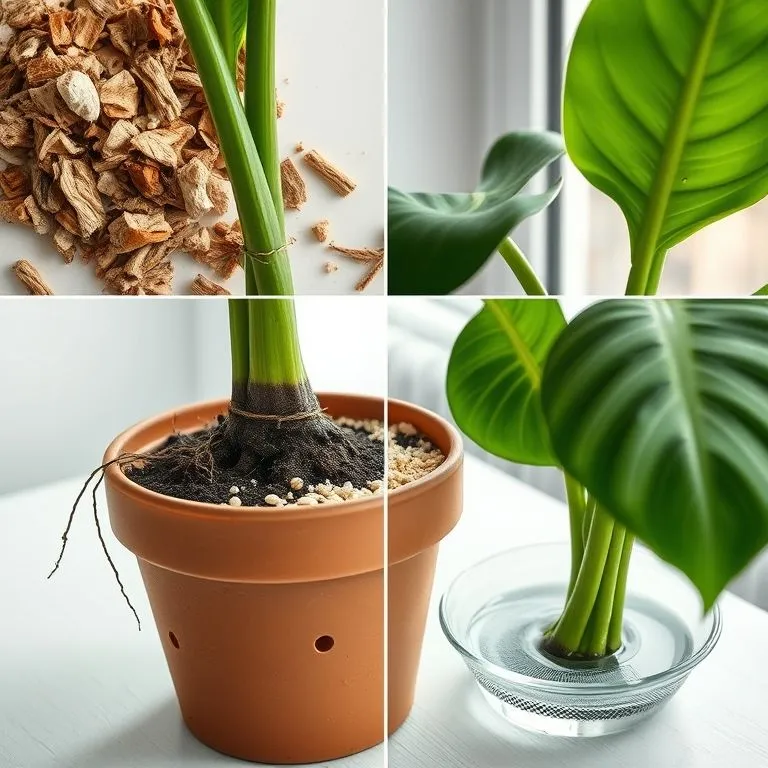
Soil is the silent power lever for elephant ear plant indoor success. Those giant leaves crave moisture—but hate stagnant roots. The fix is an airy aroid mix that drinks well and breathes better.
Best indoor mix (airy aroid recipe)
- 40% coco coir (or peat‑free base) for even moisture
- 30% chunky orchid bark for structure
- 20% perlite or pumice for oxygen and drainage
- 10% compost or worm castings for light nutrition
This blend prevents waterlogging and common indoor elephant ear plant problems like root rot and tip burn.
Pot choice (size and airflow matter)
- Choose a pot 2–4 cm wider than the root ball with large drainage holes; terracotta breathes, plastic retains moisture.
- Nest a nursery pot inside a decorative cachepot for easy watering control.
- Size up when roots circle, water rushes straight through, or soil dries in under 48 hours—classic elephant ear plant indoor drooping triggers.
Repot rhythm and root health
- Refresh mix every 12–18 months in spring.
- Unpot, rinse, and trim brown, mushy roots; keep the crown slightly above the soil line.
- Settle mix by tapping the pot—don’t compact it.
Salt management (prevent tip burn)
- Monthly flush: run 2–3 pot volumes of room‑temp water through the mix and empty the saucer.
- Use filtered water if you see white crust or brown tips.
Get this trio right—airy mix, smart pot, regular flushes—and your elephant ear plant indoor responds with larger, glossier leaves. That’s practical Elephant ear plant indoor care and long‑term Elephant ear plant care in one move.
Feeding for steady foliage and large leaves
Big leaves demand steady fuel—not heavy doses. The goal for your elephant ear plant indoor is a light, consistent feed that matches growth and keeps salts low.
- Fertilizer plan
- During active growth (spring–early fall), use a balanced, dilute liquid feed (e.g., 1/4–1/2 strength 3‑1‑2 or 10‑10‑10) every 2–4 weeks.
- Pause in winter or anytime light drops; feeding in low light invites salt burn and soft growth.
- Frequency that fits growth rate
- Faster leaf production = more frequent, lighter feeds; slower growth = stretch the interval.
- Deficiency signs: pale, slow leaves and thin petioles.
- Overfeeding signs: brown tips, crusty soil, and smaller, distorted leaves—classic Indoor elephant ear plant problems.
- Organic boosters (sparingly)
- Add a teaspoon of worm castings to the top inch monthly; use kelp extract every 4–6 weeks for micronutrients and stress resilience.
- These gentle add‑ons support elephant ear plant indoor care without spiking salts.
- Midseason refresh
- Top‑dress with a thin layer of compost, then water through to activate microbes.
- Flush the pot with clear, room‑temp water monthly to prevent buildup.
If growth stalls, scale back feeding, recheck light, and consider a gentle flush; your elephant ear plant indoor will rebound quickly. Feed with restraint and rhythm, and your elephant ear plant indoor responds with thicker petioles and larger, glossier leaves—the hallmark of thoughtful Elephant ear plant care.
Pruning, grooming, and support
Pruning, grooming, and support turn “okay” foliage into show-stopping leaves. If your elephant ear plant indoor looks tired—even with decent light and water—a few precise cuts and cleaner leaves can unlock bigger, glossier growth. Ready to refresh without stressing the plant?
- Remove the right leaves, the right way
- Target: fully yellow, torn, or pest-scarred leaves first; keep healthy, green leaves working.
- Tools: clean, sharp snips; disinfect blades before and after.
- Cut: follow the petiole to the base and cut flush, avoiding the crown. Blot sap with a tissue.
- Pace: remove only 1–2 leaves at a time; over-pruning triggers temporary elephant ear plant indoor drooping.
- Leaf care that boosts photosynthesis
- Dust blocks light. Wipe weekly with a damp microfiber, supporting the leaf from below.
- For residue, use lukewarm water with a drop of gentle soap; rinse with plain water.
- Skip heavy leaf-shine—it clogs pores and invites Indoor elephant ear plant problems like mites and thrips.
- Clean both sides and inspect midrib/undersides for pests as you go.
- Support tall petioles and prevent “window reach”
- Stake early with soft ties; anchor the stake in the soil, not on the petiole.
- Rotate your elephant ear plant indoor a quarter turn every week for balanced growth.
- Keep steady airflow (small fan on low) but avoid drafts and HVAC blasts that bend stems.
- A 10‑minute weekly grooming rhythm
- Snip one failing leaf, dust and wipe, rotate the pot, check ties, and empty the saucer.
- Finish by confirming light and humidity targets—core Elephant ear plant indoor care.
Pro tips and safety
- Wear gloves; sap may irritate skin. Let cut sites dry before misting or running a humidifier nearby.
- Keep the crown clear of wet mulch; a crowded, damp crown fuels rot.
- If repeated elephant ear plant indoor drooping persists after grooming, reassess light and potting mix—smart Elephant ear plant care starts with environment, not scissors.
Keep this simple routine, and your elephant ear plant indoor responds with thicker petioles, fewer tears, and a steady parade of bold, tropical leaves.
Pests and disease prevention
Healthy leaves start with prevention. A quick weekly scout keeps indoor elephant ear plant problems from turning into full-blown setbacks.
- Spider mites, thrips, mealybugs
- Scout: flip leaves, inspect midribs and petiole bases with a flashlight.
- Soft controls: rinse leaves in the shower, then spray with insecticidal soap or neem. Repeat every 5–7 days for 3 cycles to catch hatchlings.
- Environment: raise humidity to 50–70% and keep gentle airflow; dry, stagnant air fuels mites.
- Fungus gnats
- Dry the top inch between waterings; bottom‑water temporarily to starve larvae.
- Use yellow sticky traps for adults and BTI granules or a biological drench for larvae.
- Root rot prevention and recovery
- Prevention: airy mix, fast drainage, room‑temp water, and a warm root zone.
- If detected: unpot, trim brown mushy roots, repot in a chunky aroid mix, and hold fertilizer for two weeks. Resume light watering only when the top inch is barely moist.
- Quarantine and sanitation
- Isolate new plants 10–14 days.
- Sterilize tools between cuts; wipe down shelves and saucers during routine care.
These small habits keep your elephant ear plant indoor glossy and pest‑resilient year‑round.
Seasonal rhythm and dormancy
Elephant ears track seasons indoors, even under steady care.
- Winter adjustments
- Reduce watering and feeding as light falls; keep temps 68–75°F and humidity near 50–60%.
- Expect slower growth or a brief rest—do not “force” growth with heavy fertilizer.
- After summering outdoors
- Transition gradually: one week in bright shade, then indoors near an east window.
- Rinse foliage, inspect for pests, and trim any outdoor damage.
- Dormancy cues and response
- Fewer leaves and slower unfurling signal rest. Keep the mix slightly moist—not wet—and maintain warmth.
- Heat waves and drafts
- Add afternoon sheers or shift back from west windows.
- Avoid AC and heater blasts; sudden swings trigger elephant ear plant indoor drooping.
Companions, styling, and benefits
Design for beauty and health—your elephant ear plant indoor benefits from thoughtful placement.
- Real‑world advantages
- Statement foliage, biophilic calm, and natural humidity sharing when grouped with other tropicals.
- Safe styling
- Elephant ears are toxic if ingested; place out of pet/child reach. Pair with nontoxic companions like calathea or maranta in shared microclimates.
- Container aesthetics that help
- Tall planters improve airflow; trays protect floors. Keep saucers empty to prevent rot.
- Grouping strategy
- Cluster plants to stabilize humidity and discourage pests; maintain a slim air gap between pots for circulation.
Varieties and buying guide
Choose by space, light, and the look you love.
- Picks by room
- Compact Alocasia: Polly, Bambino for bright, filtered light.
- Larger Colocasia: Black Magic for dramatic leaves and warm rooms.
- Alocasia Zebrina: thrives with high light and steady humidity.
- Size and placement
- Plan for mature height and leaf spread; give clearance from walls and windows to prevent tearing.
- What to look for when buying
- Firm petioles, unblemished leaves, pest‑free undersides, and no sour smell from the soil.
- First‑week acclimation
- Bright filtered light, room‑temp water, no fertilizer, and a gentle leaf wipe to kick off elephant ear plant indoor care.
Common mistakes to avoid with your elephant ear plant indoor
- Low light or heavy, compacted soil → leggy growth and rot.
- Frequent sips instead of deep soaks → shallow roots and droop.
- Overfertilizing → brown tips, salt crust, and smaller new leaves.
- Skipping airflow and cleaning → pest outbreaks and mildew.
Action plan and routine
- 24‑hour rescue
- Bright filtered light, deep soak if dry, raise humidity, clean leaves, inspect for pests.
- 7‑day recovery
- Set a test‑based watering rhythm, confirm drainage, run a humidifier, and rotate the pot for even growth.
- 30–60 day milestones
- Larger leaves, thicker petioles, steadier unfurling, and no persistent elephant ear plant indoor drooping.
- Ongoing maintenance
- Monthly flush for salts, quarterly stake/retie, and seasonal light adjustments—foundations of reliable elephant ear plant care.
FAQ
- Is an elephant ear plant good for indoors?
- Yes, if you can offer bright, indirect light, warm temps, and 50–70% humidity. Space matters—large leaves need room.
- Do elephant ear plants need sunlight?
- They thrive in bright, filtered light with gentle morning sun; avoid harsh midday rays.
- How often should I water an indoor elephant ear plant?
- Water when the top 1–2 inches are barely moist and the pot feels lighter. Deep soak, then empty the saucer.
- What are the disadvantages of elephant ear plants?
- Size, humidity demand, potential sap irritation, toxicity if ingested, and susceptibility to mites in dry air.
Outro (wrap‑up and next steps)
You’ve got the playbook: light placement, a deep‑soak watering rhythm, airy mix, gentle feeding, and steady humidity. Apply one fix today and track leaf size and turgor weekly. With consistent elephant ear plant indoor care, indoor elephant ear plant problems fade and new leaves unfurl bigger, brighter, and stronger. Ready to choose your next move—light tweak, repot, or humidity boost?
Dennis P. Hansen
Dennis P. Hansen is a home gardener with a genuine passion for plants and the simple pleasure of growing them. He enjoys caring for houseplants, succulents, and other plants at home while continually learning from everyday gardening experiences. Dennis likes to share practical plant care tips, useful observations, and simple solutions that can help others grow healthier plants. He believes that caring for plants is a rewarding journey and that there is always something new to learn along the way.