
7 Proven Fixes for Your Pincushion Flower Plant


Table of Contents
Introduction:
Is your pincushion flower plant stalling just when your borders should be buzzing? Maybe buds are scarce, stems are droopy, or leaves are paling after a heatwave. If you’re nodding, you’re in the right place. In the next few minutes, you’ll learn simple, science-backed steps to diagnose and fix what’s holding your pincushion flower plant back—so you can enjoy a flush of cushiony blooms all season.
First, a quick word on names: “pincushion” can mean two very different plants. Scabiosa (the classic garden pincushion flower) is a herbaceous perennial or annual that thrives in full sun and well-drained soil; Leucospermum (pincushion protea) is a woody shrub with very different needs, including low-phosphorus feeding and warmer conditions. This guide keeps Scabiosa front and center, with clear callouts for protea growers where care diverges, so your pincushion flower care is precise and effective.
Here’s how we’ll make your plants pop:
- Fast triage you can do today: identify symptoms (not blooming, yellow leaves, drooping, leaf spots), check light and moisture, and make quick corrections in under 24 hours.
- Light, dialed in: how much full sun scabiosa needs (and smart shade strategies in hot climates) plus quick container and indoor light hacks.
- Watering that prevents wilt and rot: how often to water a pincushion flower plant, the deep-soak method, mulch for even moisture, and adjustments for heatwaves or drought.
- Soil and drainage that roots love: a 5-minute drainage test, the right pH for scabiosa, and the best gritty mix for containers to keep oxygen flowing to roots.
- Feeding for flowers (not just leaves): low-nitrogen fertilizer timing, compost that supports bloom, and simple steps to avoid salt buildup.
- Pruning to multiply blooms: how to deadhead scabiosa properly, a mid-season cutback for a fresh flush, and easy support to prevent flopping.
- Early pest and disease control: spotting aphids or thrips on scabiosa, preventing powdery mildew with airflow, and recovering from root rot with gentle, organic methods.
- Rejuvenation and succession: dividing older clumps, how to grow scabiosa from seed for ongoing color, and when it’s wiser to replace a tired plant.
Whether your pincushion flower plant lives in a border or bright balcony pot, these small tweaks will help you grow scabiosa with confidence—more buds, stronger stems, and a constant hum of pollinators. Ready to revive your pincushion flower plant and keep it thriving from spring through fall? Let’s begin.
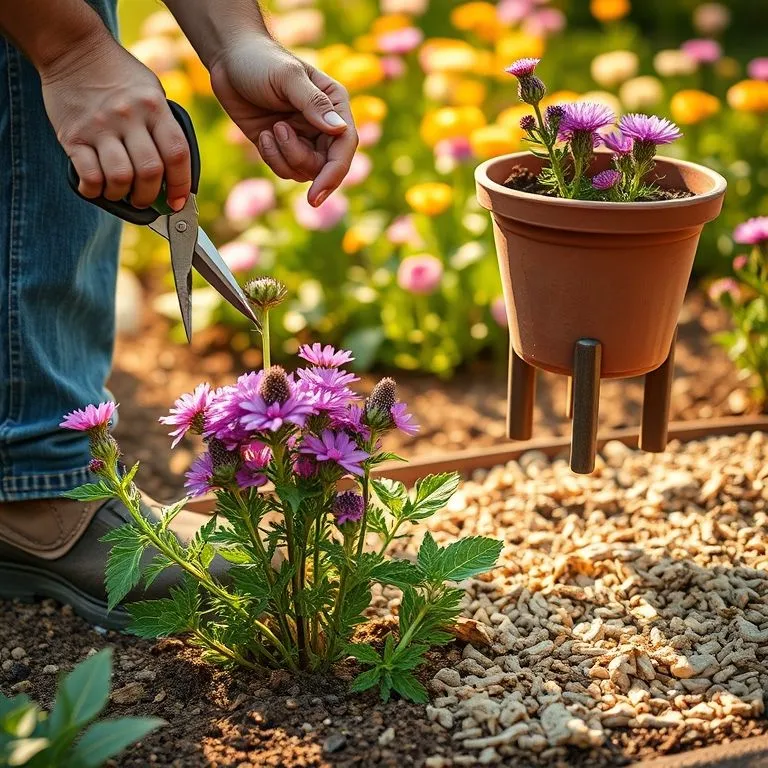
Quick Snapshot: Fast triage for your pincushion flower plant
When your pincushion flower plant stops performing, the fastest path back to blooms is a smart triage—not guesswork. In a few focused minutes, you can identify the plant you have, match symptoms to causes, and make precise corrections that restore vigor quickly. Ready to steady the ship and get those cushions blooming again? Let’s dive in together.
Identify your plant: Scabiosa vs. pincushion protea (Leucospermum)
Two very different plants share the “pincushion” nickname. Knowing which one you’re growing ensures the right care from day one.
- Scabiosa (the classic garden pincushion flower)
- Herbaceous perennial or annual; soft, finely cut foliage.
- Thrives in full sun and well-drained soil.
- Bloom-focused plant; ideal for borders, pollinator beds, and cutting.
- Best match for most home gardeners and typical “pincushion flower problems.”
- Pincushion protea (Leucospermum)
- Woody shrub from South Africa; dramatic, spiky blooms.
- Demands extremely sharp drainage and low-phosphorus feed.
- Warm-climate plant (generally zones 9–11) or a container specimen in cooler areas.
- Care diverges significantly from scabiosa care; note this if your plant is a protea.
If your leaves are soft and the plant forms a rosette or clump with tidy, bobbing flowers, you likely have Scabiosa. If it’s woody with needle-like leaves and architectural blooms on a shrub, that’s Leucospermum (pincushion protea).
Symptom checklist: match what you see to likely causes
Use this quick guide to decode what your pincushion flower plant is telling you. Focus on Scabiosa unless noted.
- Not blooming or few buds
- Most likely: too little light (full sun scabiosa needs 6–8 hours), excess nitrogen, or skipped deadheading.
- Also possible: compacted soil, pot-bound roots, or plant still juvenile.
- Keyword cue: scabiosa not blooming often traces back to light or fertilizer imbalance.
- Yellowing leaves (especially lower leaves)
- Overwatering or poor drainage leads the list.
- Nutrient imbalance (especially nitrogen or iron), or natural aging of the oldest leaves.
- For fast relief: check moisture at 2–3 inches deep; improve airflow and drainage.
- Keyword cue: yellow leaves scabiosa usually signals water issues.
- Drooping or wilting stems
- Underwatering and heat stress cause midday flop that recovers by evening.
- Constant droop with soggy soil suggests early root rot—act quickly.
- Keyword cue: drooping scabiosa needs calibrated watering and better drainage.
- Leaf spots, white powder, or distorted petals
- Powdery mildew scabiosa loves shade and humidity; improve sun and airflow.
- Thrips can distort petals; aphids cluster on stems and buds—both prefer stressed plants.
- Stunted growth, pale color, or weak stems
- Heavy soil without grit, lack of sun, or exhausted potting mix.
- Refresh the root environment and reset your light-water routine.
Tip: Smell the soil. A sour, swampy odor often points to oxygen-starved roots from waterlogging.
Immediate triage: what to do in the first 24 hours
Think of this as your quick-start playbook. Each step is small, but together they stabilize your pincushion flower plant fast.
- Confirm the plant
- Scabiosa vs. Leucospermum. If it’s pincushion protea, switch to low-phosphorus feeding and ultra-drainage mode.
- Measure the light honestly
- Track direct sun for a day. Your target for scabiosa is 6–8 hours. Containers can move immediately; in-ground plants can be flagged for a future transplant to brighter ground.
- Check moisture where it matters
- Use your finger or a trowel 2–3 inches down.
- Bone-dry: deep soak now until water runs through, then pause.
- Soggy: stop watering, elevate pots, and gently aerate the top inch with a chopstick to improve gas exchange.
- Clear the crown and surface
- Pull mulch away from the base by 2 inches. Remove weeds and matted debris to boost airflow and reduce disease pressure.
- Improve drainage on the spot
- Containers: empty saucers, raise pots on feet, and ensure large drainage holes are unobstructed.
- In-ground: lightly fork the top 2–3 inches around the plant to loosen crusted soil without damaging roots.
- Deadhead and tidy
- Remove spent blooms back to a strong node. Snip damaged or crossing stems. This redirects energy to new flowers.
- Hold fertilizer—for now
- Don’t feed a stressed plant on day one. Focus on light, water, and airflow first. Feeding follows once recovery starts.
- Pest scan and gentle clean-up
- Inspect buds and undersides of leaves for aphids or thrips. A firm water spray knocks many off. Reserve insecticidal soap or neem for persistent outbreaks.
- Set your next move
- If light is the issue: plan a gradual relocation to a brighter spot.
- If waterlogging is the issue: consider lifting the plant into a raised area or amending the planting zone with grit and compost.
Bonus pro move: Weigh the container in your hands after a deep soak. That “fully watered weight” becomes your baseline to prevent accidental over- or under-watering later.
Tools and supplies you’ll need to start fixes
Gather a small, purposeful kit so you can act quickly and confidently.
- Clean bypass pruners or snips, plus alcohol wipes for blades.
- Hand trowel and a narrow garden fork for loosening compacted surfaces.
- High-quality compost and coarse grit, perlite, or pumice to improve a heavy mix.
- Mulch (fine bark or shredded leaves) to stabilize moisture without suffocating the crown.
- A low-nitrogen fertilizer (for Scabiosa) to support flowers once the plant stabilizes.
- For pincushion protea (Leucospermum), a specialized low-phosphorus fertilizer and very gritty, acidic medium.
- Insecticidal soap, neem oil, and a hose-end sprayer for early pest control.
- Optional: a simple moisture meter and a lightweight shade cloth for heat spikes.
With these essentials, you’ll tackle the core variables that drive success: full sun, well-drained soil, calibrated watering, and timely grooming. Most pincushion flower problems trace back to those fundamentals. Reset them now, and your pincushion flower plant will thank you with tighter growth, richer color, and a steady rhythm of blooms. This is how you grow scabiosa with confidence—calm, clear steps that stack real results.
Fix 1: Optimize light for stronger blooms
What if the best bloom booster isn’t fertilizer at all—but sunlight delivered right? Light is the fuel your pincushion flower plant turns into flowers. Before you tweak soil or feed, let’s dial in exposure so you grow scabiosa with confidence.
Full sun requirements (6–8 hours) for scabiosa
- Target 6–8 hours of direct light daily; full sun scabiosa builds compact growth, sturdy stems, and heavy bud set.
- Morning sun is gold. Aim for strong light 8–1, then protect from the harshest 3–5 p.m. rays in very hot zones.
- Use your phone to measure hours of sun for scabiosa over one clear day, and repeat each season as shadows shift.
Read the light: what your plant is telling you
- Too little light: lanky stems, sparse buds, and leaning foliage—classic signs your pincushion flower plant needs more sun.
- Too much sun or heat: crispy edges, bleached petals, and midafternoon flagging even when soil is moist.
- Just right: compact rosettes, upright stems, repeat budding, and quick post-heat recovery.
Increase light without transplant shock
- Containers: Slide pots toward brighter exposure over 5–7 days, moving a little every other day. Rotate a quarter turn weekly.
- In‑ground: Move in early spring or fall. Water the day before, lift a wide root ball, replant level, and shade two days.
- Borderline sites: Thin overhead branches to open sky and boost light without relocating your pincushion flower plant.
Shade strategies for hot climates
- Give dappled shade 2–5 p.m.; 30–40% shade cloth prevents scorch while preserving bloom count.
- Mulch 1–2 inches (kept off the crown) to cool roots and slow evaporation.
- Boost airflow; a steady breeze dries dew quickly and keeps disease pressure low.
Indoor and container light hacks
- Balcony grower? Raise pots on stands or rail brackets so foliage clears shadow-casting ledges.
- For starts or shoulder seasons, use full‑spectrum LEDs 12–16 hours/day, 12–18 inches above foliage.
- Position near bright, reflective surfaces—light gravel mulch or a white wall—to bounce light into the canopy.
- Track response: bud count and stem strength should improve within two to three weeks.
Consistency beats occasional blasts. When exposure matches the plant’s rhythm, your pincushion flower plant spends less energy surviving and more energy blooming. Dial in the sun first; every other fix—watering, feeding, pruning—works better. That’s smart scabiosa care.
Pro tip: Log sunlight with your phone for a week; the pattern reveals exactly where a pincushion flower plant will thrive year‑round. Recheck after leaf‑out and again in midsummer as angles shift.
Remember, light drives thirst. More sun means faster transpiration and slightly more frequent deep watering; less sun means slower drying and greater rot risk. Adjust irrigation after any light change.
Garden at a high latitude or on a shady city block? Prioritize morning light. East‑facing beds give cooler photons that scabiosa loves, while west‑facing walls can overheat pots. If heat spikes, offer temporary shade from 2–5 p.m. without sacrificing the 6–8 hour target.
Do this, and your pincushion flower plant rewards you with relentless blooms—all season long.
Fix 2: Reset watering to stop wilt and rot
If your pincushion flower plant keeps wilting, yellowing, or collapsing after rain, the culprit is usually water—too much, too little, or at the wrong time. The good news? A simple reset brings quick relief. Let’s tune watering to your light, soil, and container so you can grow scabiosa with confidence.
How often to water a pincushion flower plant
There’s no one-size schedule. Instead, match frequency to conditions and use a quick, consistent test.
- In-ground plants
- Water deeply when the top 2–3 inches are dry. In many climates, that’s every 5–7 days in summer, less in spring/fall.
- Sandy soil dries fast (water sooner); clay holds moisture (water less often).
- Containers
- Pots dry quickly: expect every 2–4 days in warm weather and possibly daily in heatwaves for small containers.
- Lift the pot. If it feels light and the top inch is dry, it’s time.
- Stage of growth
- Fresh transplants and seedlings need more frequent, gentle moisture.
- Established clumps prefer deep, infrequent watering that encourages roots to dive.
Keyword cue: how often to water pincushion flower depends on sun, soil, and container size, not the calendar. Aim for steady moisture in well-drained soil.
Overwatered vs underwatered: signs and corrections
Reading your plant saves time and blooms. Here’s how to tell which problem you have—and what to do next.
- Overwatered (common in heavy soils and big pots)
- Signs: constantly damp soil, yellowing lower leaves, limp growth that doesn’t perk up by evening, sour smell, fungus gnats.
- Fix: pause watering; elevate containers; open drainage holes; gently aerate the top inch with a chopstick; keep mulch off the crown; consider adding grit at the next repot.
- Root rot prevention starts now: prioritize drainage and airflow, then resume deep but less frequent watering.
- Underwatered (common in full sun and small pots)
- Signs: crispy edges, midday droop that recovers quickly after watering, very light pot weight, hydrophobic soil that repels water.
- Fix: rehydrate with a deep soak (twice in one session), add a 1–2 inch mulch layer (not touching the crown), and water a bit sooner next cycle.
Pro tip: Check at the same time daily for a week. Patterns jump out fast, and your pincushion flower plant will reveal its true rhythm.
Deep soak method and mulch to hold moisture
A proper deep soak hydrates the entire root zone without waterlogging.
- Water slowly at the base until you see runoff from the root zone (or drainage holes).
- Wait 10–15 minutes to let water penetrate.
- Water again to fill any dry pockets deeper down.
- In containers, stop when water flows freely; empty saucers immediately.
Lock it in with smart mulch:
- Apply 1–2 inches of fine bark, shredded leaves, or straw.
- Keep mulch 2 inches away from the crown to reduce rot.
- Mulch stabilizes temperature and slows evaporation—critical for watering scabiosa in hot, windy conditions.
Watering in heatwaves or drought
Heat changes everything. Your goal is cool roots, steady moisture, and dry foliage.
- Timing
- Water at dawn so plants start the day hydrated and leaves dry fast.
- Avoid late-night watering in humid climates to reduce disease pressure.
- Technique
- Use a soaker hose or drip to keep water at the roots and foliage dry.
- In containers, consider a morning soak and a quick evening check for extreme days.
- Protection
- Provide temporary 30–40% shade during peak afternoon heat; it preserves blooms without sacrificing your 6–8 hour sun target.
- Increase airflow; heat plus still air boosts mildew risk.
- Drought strategy
- Prioritize deep, infrequent watering over frequent sips; it builds resilient root systems.
- Pause fertilizer during severe drought; it can stress roots.
- Remember: while scabiosa is relatively drought tolerant, a pincushion flower plant in a cramped pot will need more frequent care.
When you reset watering around deep soaks, responsive checks, and clean drainage, your pincushion flower plant bounces back fast: fewer yellow leaves, upright stems by midday, and a steady rise in bud count. Keep the crown dry, the soil well-drained, and the rhythm consistent—that’s root rot prevention in practice and the foundation of reliable blooms.

Fix 3: Improve soil and drainage for healthy roots
If you’re watering “right” but your pincushion flower plant still sulks, the root zone is usually the bottleneck. Flowers are built on air as much as water—roots need oxygen to thrive. Let’s reshape the soil environment so your scabiosa can channel energy into buds instead of stress.
Simple drainage test and when to raise the bed
Quick check, big payoff:
- Dig a 12-inch hole, fill it with water, and let it drain completely.
- Refill and time it. Ideal: drains within 2–4 hours.
- Slower than 6 hours? You have poor drainage.
- What to do:
- Raise the planting area 6–8 inches with a gritty, well-drained mix.
- Choose a slight slope instead of a low spot.
- For persistent puddling, shift your pincushion flower plant into a raised bed or large container.
Best soil mix and pH range for scabiosa
Aim for the sweet spot: loose, lean, and aerated.
- In-ground: sandy loam or loam amended with 20–30% coarse mineral (pumice, perlite, crushed granite).
- Target soil pH for scabiosa: 6.5–7.5 (neutral to slightly alkaline).
- For heavy clay: blend in coarse grit across the top 8–12 inches; avoid dumping sand alone (it can cement).
- For containers: choose a high-quality potting mix with 25–35% perlite or pumice and a bit of fine pine bark for structure. This is the best soil for pincushion flower in pots—springy, fast-draining, and oxygen-rich.
Add compost and grit to prevent waterlogging
Think balance, not richness.
- Compost adds biology and water-holding capacity; grit creates air channels.
- Blend 1–2 inches of compost into the top 6–8 inches of soil, then fold in 20–30% grit to keep pores open.
- Top-dress with a thin compost layer in spring; avoid heavy, manure-rich mixes that push leaves at the expense of blooms.
- Result: a root zone that stays evenly moist but never swampy—exactly what a pincushion flower plant needs.
Container drainage do’s and don’ts
Small changes prevent big problems.
- Do: use pots with large holes; line them with mesh to hold mix, not rocks.
- Do: set containers on pot feet so water exits freely; empty saucers immediately.
- Do: repot root-bound plants into a vessel 2–4 inches wider with fresh, airy mix.
- Don’t: add gravel at the bottom—it creates a perched water table.
- Don’t: tamp soil hard; keep it fluffy so roots can breathe.
- Don’t: rely on self-watering reservoirs in cool, low-light conditions; they can overstay moisture.
Pro tip: After a deep soak, lift the container. That “fully watered weight” becomes your baseline. When the pot feels halfway lighter and the top inch is dry, water again. This prevents the cycle of wilt-and-flood that stresses a pincushion flower plant.
When you improve drainage first, every other tactic—watering cadence, fertilizing, even deadheading—works better. Healthy, oxygenated roots translate into sturdier stems, richer color, and a pincushion flower plant that blooms on repeat.
Fix 4: Feed smart for continuous flowers
Your pincushion flower plant doesn’t want a feast; it wants a steady, balanced diet. The right nutrition cues Scabiosa to channel energy into buds instead of leaves. With a few small adjustments, you’ll keep blooms rolling without stressing roots or soil life—smart, sustainable pincushion flower care.
- Low‑nitrogen fertilizer and bloom boosters
- Prioritize a low nitrogen fertilizer such as 4‑8‑4 or 5‑10‑10 to encourage flowers over foliage.
- Light organic options (fish/kelp blends, flower‑focused organics) act as gentle bloom booster support without salt spikes.
- Growing proteas? Skip high‑phosphorus products entirely; Leucospermum is sensitive to P.
- When and how to fertilize scabiosa
- Perennials: fertilize scabiosa lightly in early spring as growth starts, then again after the first big flush.
- Annuals: feed lightly every 4–6 weeks during peak bloom.
- Always water first, then apply at the soil line; avoid foliar feeding in midday sun.
- If your pincushion flower plant sits in lean, well‑drained soil, tiny, regular doses outperform big, infrequent feedings.
- Compost and organic amendments that work
- Use finished compost or worm castings as compost for flowers: top‑dress in spring and a thin midseason refresh.
- Kelp meal adds micronutrients for stress resilience; alfalfa meal offers a gentle growth nudge without forcing leaves.
- In containers, refresh the top inch with airy mix plus a spoon of slow‑release organic feed to keep your pincushion flower plant productive.
- Avoid overfeeding and salt buildup
- Warning signs: lush leaves but few buds, white crust on soil, brown leaf tips.
- Fixes: flush pots monthly with clear water; halve doses after any stress; skip feeding in heatwaves or drought.
- Soil first: when drainage is sharp and watering is calibrated, your pincushion flower plant uses nutrients efficiently—no heavy feeding required.
Dial nutrition to “light and regular,” and you’ll see tighter growth, richer color, and blooms on repeat. This is feeding scabiosa the smart way.
Fix 5: Prune and deadhead to multiply blooms
Want faster, fuller rebloom without extra fertilizer? Pruning is the quickest way to turn one flower into five. With a few clean cuts, your pincushion flower plant redirects energy into fresh buds, sturdier stems, and a longer show.
How to deadhead pincushion flowers the right way
- Scan weekly and cut the whole flower stem, not just the faded head.
- Follow the stem down and snip just above the next strong leaf pair or basal rosette—this is classic deadhead scabiosa technique.
- Angle your cut slightly to shed water; sanitize blades before you start.
- For tight buds that stall, remove them too to trigger new, stronger spikes.
- Seed-savers: leave a few heads at season’s end; otherwise, keep removing to sustain bloom.
Tip: Early pinching of young plants (remove the first bloom stem) encourages branching and more buds on a pincushion flower plant.
Mid-season cutback for a fresh flush
- When growth looks leggy or bloom slows, try a “Chelsea chop”: shear back 20–30%.
- Water deeply and feed lightly after pruning scabiosa; you’ll see new shoots within 10–14 days and a wave of buds soon after.
- Stagger cuts on clumps (trim half, then the rest a week later) to avoid a bloom gap.
Support tall stems and prevent flopping
- Install low rings, hoops, or a twine grid early—before stems stretch.
- Tuck your pincushion flower plant among sturdy companions (salvia, yarrow) for natural support.
- Water deeply but avoid overfeeding nitrogen, which makes stems soft.
Extend bloom time for cut flowers
- Harvest when the cushion is firm and 50–70% of florets are open—ideal for a pincushion flower cut flower.
- Cut at dawn, strip lower leaves, and place in deep, clean water.
- Recut stems under water after an hour (conditioning), then use a floral preservative.
- Keep arrangements cool and away from fruit (ethylene).
- With good hygiene, vase life scabiosa often reaches 5–7 days.
Prune with intention and rhythm, and your pincushion flower plant will keep producing fresh stems and color—proof that smart pincushion flower care is as much about subtraction as it is about feeding.
Fix 6: Block pests and disease early
Catching problems early keeps your pincushion flower plant blooming. Scout weekly—flip leaves, scan buds, and note soil moisture. Small, timely moves beat big rescue missions.
Spot and treat aphids, thrips, and spider mites
- Aphids on scabiosa: soft clusters on stems and buds with sticky honeydew (often ants nearby). Blast with water, then follow with insecticidal soap. Prune the worst tips and attract natural enemies with airy, nectar‑rich companions.
- Thrips on scabiosa: silvery streaks, deformed petals, speckled anthers. Use blue sticky traps, remove damaged blooms, and treat at the bud stage with neem oil or spinosad; rotate products to prevent resistance.
- Spider mites: heat‑driven stippling and fine webbing. Hose leaf undersides, raise humidity briefly in the morning, and apply horticultural oil. Keep the pincushion flower plant evenly watered—drought stress fuels mites.
Prevent powdery mildew with airflow and spacing
- Powdery mildew scabiosa thrives in shade and still air. Space plants 12–18 inches, thin congested growth, and water at the base.
- Prioritize morning sun and a steady breeze; avoid late overhead watering.
- For light outbreaks, try a weekly 1:10 milk spray or potassium bicarbonate (follow labels carefully).
Root rot prevention and recovery steps
- Root rot prevention starts with drainage: gritty soil, pots on feet, and empty saucers.
- Keep mulch off the crown and water deeply but less often.
- If rot appears: unpot, trim brown roots, replant in a fresh, airy mix, and hold fertilizer until new growth returns. A biofungicide drench can support recovery.
Safe organic controls and integrated pest management
- Lead with cultural and mechanical steps, then biological allies, then least‑toxic sprays—classic integrated pest management.
- Favor organic pest control that’s selective and gentle on pollinators; spray at dawn or dusk and cover leaf undersides thoroughly.
- Track results and adjust. With a steady routine, your pincushion flower plant rewards you with clean foliage, resilient roots, and uninterrupted bloom.
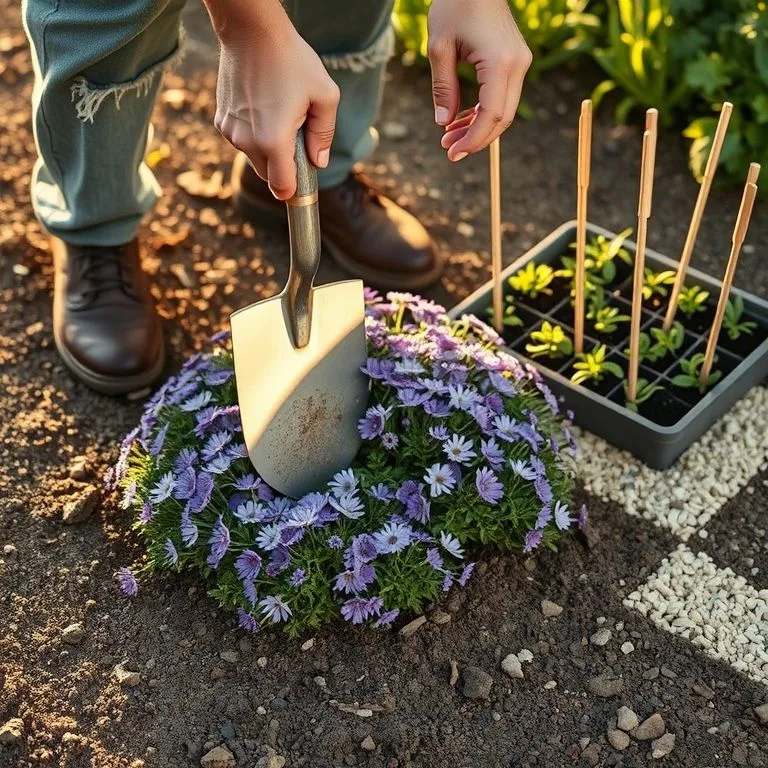
Seasonal and climate-specific care
No matter where you garden, seasonality drives success. When you sync your routine to weather and day length, your pincushion flower plant rewards you with stronger roots and a longer bloom window.
- Overwintering scabiosa and hardiness zones
- Many Scabiosa types handle winters in zones 4–9 (check your cultivar). In cold climates, cut back after frost, then mulch lightly once the ground freezes to buffer freeze–thaw cycles.
- Keep crowns high and airy. Wet winter crowns invite rot.
- In mild, wet winters, prioritize drainage and airflow over heavy mulch.
- Spring startup and fall cleanup routines
- Spring: remove winter mulch early, top-dress with compost, install discreet supports, and reset irrigation for longer days.
- Summer: maintain deep, infrequent watering; deadhead weekly; shear back lightly if bloom slows.
- Fall: deadhead less if you’d like to feed birds with seedheads; otherwise, keep pinching for late color.
- Heat and humidity strategies
- Aim for morning sun and light afternoon shade during heatwaves.
- Space plants generously and thin dense clumps to boost airflow—powdery mildew thrives in still, humid air.
- Water at the base at dawn; dry foliage by midmorning reduces disease pressure.
- Managing drought and heavy rain
- Drought: deepen the root system with deep soaks and a 1–2 inch mulch layer kept off the crown.
- Heavy rain: raise the bed, use gritty amendments, and get containers on feet to keep the root zone oxygenated.
Your seasonal rhythm is the quiet power behind great pincushion flower care—small, timely adjustments that keep stress low and blooms high.
Container success for small spaces
Containers make it easy to give your pincushion flower plant perfect drainage and sun. They also dry faster—so a few tweaks go a long way.
- Best pot size and potting mix for scabiosa
- Use 12–16 inch wide pots for most cultivars. Bigger volume means steadier moisture and fewer swings.
- Choose a premium potting mix amended with 25–35% pumice or perlite and a touch of fine bark. This airy blend supports constant bloom.
- Drainage essentials to prevent root problems
- Ensure large holes (cover with mesh, not rocks). Set pots on feet and empty saucers immediately.
- Avoid compacting the mix. Keep it springy so roots can breathe.
- Water and feeding schedule in pots
- Water when the top 1–2 inches are dry—more often in heat, less in cool spells.
- Feed lightly with a low‑nitrogen fertilizer every 4–6 weeks during peak bloom. Flush with clear water monthly to prevent salt buildup.
- Positioning containers for full sun
- Prioritize morning light; slide pots toward brighter exposures as shadows shift through the season.
- Reflective surfaces (light pavers, pale walls) bounce extra luminosity into the canopy for more buds.
Dial these basics in and your potted pincushion flower plant will look like it lives in a bespoke border—compact, upright, and covered in blooms.
Companions, varieties, and cut flower tips
Want a border that buzzes and bouquets that last? Pair smart, pick proven cultivars, and harvest at the right stage.
- Top scabiosa varieties for garden and vase
- Butterfly Blue (compact, long-blooming)
- Fama Blue and Fama White (large, elegant cuts)
- Black Knight (moody wine tones)
- Pink Mist (soft pastel, great edging)
- Ritz Blue (container-friendly and prolific)
- These Scabiosa pincushion flower selections deliver color, structure, and reliable rebloom.
- Pollinator benefits and companion plants
- Scabiosa is a pollinator magnet. Combine with salvia, lavender, yarrow, gaura, and catmint to keep nectar flowing and airflow strong.
- Harvest stage for long vase life
- Cut at dawn when the cushion is firm and 50–70% of florets are open. Strip lower foliage and place into deep, clean water. Expect 5–7 days of vase-life with good conditioning.
- Color combos that pop in borders
- High contrast: deep purples with lemon-yellow coreopsis and white gaura.
- Calm cools: blues and whites against silvery artemisia.
- Soft pastels: pinks with dusty miller and pale echinacea.
Healthy companions keep pests in check and create visual rhythm—your pincushion flower plant becomes the star, not a solo act.
Common mistakes to avoid with your pincushion flower plant
- Planting in shade or heavy, waterlogged soil—expect flop and few buds.
- Frequent sips instead of deep soaks—shallow roots, quick wilt.
- Overfeeding nitrogen—lush leaves, disappointing bloom.
- Skipping deadheading and airflow—more disease, fewer flowers.
Fix these, and most “mystery” problems vanish.
Quick answers: FAQ
- Does pincushion flower spread?
- Scabiosa forms tidy clumps and may self-seed lightly; it’s not invasive. Deadhead to control volunteers.
- How do you take care of a pin cushion plant?
- Full sun, well-drained soil, deep but infrequent watering, low‑nitrogen feeding, and consistent deadheading. That’s cornerstone pincushion flower care.
- Are pincushion flowers hard to grow?
- Not at all—Scabiosa is beginner-friendly if you prioritize sun and drainage. The exotic protea is more specialized.
- Do pin cushions need full sun?
- Yes. Aim for 6–8 hours of direct light for the most blooms and strongest stems.
Action plan and timeline to revive your pincushion flower plant
- 24‑hour rescue checklist
- Verify plant ID (Scabiosa vs protea), measure sun hours, check moisture 2–3 inches down, empty saucers, tidy and deadhead, and pause fertilizer.
- 7‑day recovery routine
- Adopt deep‑soak watering, add 1–2 inches of mulch (off the crown), improve airflow, and scout pests twice. Expect perkier foliage and new buds forming.
- 30–60 day growth milestones
- New basal shoots, stronger stems, reduced yellowing, and a steady rise in bud count.
- Ongoing seasonal maintenance
- Spring compost top‑dress and early supports; summer shear if leggy; fall cleanup with optional seedheads for birds; winter crown protection and drainage watch.
Simple steps, stacked consistently, turn a struggling pincushion flower plant into a bloom machine.
Related varieties and names
- Scabiosa pincushion flower
- The classic garden workhorse—available as annuals and short‑lived perennials with long, pollinator‑friendly bloom.
- Pincushion flower Protea
- The dramatic shrub form (Leucospermum). Needs acidic, ultra‑draining soil and low‑phosphorus feeding; best in frost‑free zones or sheltered containers.
- Pincushion flower Leucospermum
- Another common naming path for protea. Treat its needs separately from Scabiosa.
- Pincushion flower perennial
- Many scabiosa cultivars behave as short‑lived perennials; dividing every 2–3 years or refreshing with seedlings maintains performance.
Knowing your plant’s identity ensures you apply the right playbook to your pincushion flower plant.
Growth and buying essentials
- Seeds and starts
- Starting with Pincushion flower seeds is economical and ideal for succession planting. Sow indoors 6–8 weeks before last frost or direct sow after frost.
- Transplants
- Choose stocky, well‑branched plants with no circling roots. Avoid overly lush, nitrogen‑pushed starts.
- Placement and spacing
- Full sun, 12–18 inches apart for airflow and easy deadheading access.
- Ongoing care
- Keep feeding light, watering deep, and pruning regular. These fundamentals let your pincushion flower plant cycle from flush to flush with minimal fuss—and maximum color.
When you align timing, placement, and gentle maintenance, the payoff is obvious: a resilient, showy pincushion flower plant that anchors borders, fills vases, and keeps pollinators coming back for more.
conclusion:
Reviving a pincushion flower plant isn’t guesswork—it’s rhythm: sun dialed in, deep watering, gritty soil, light feeding, and timely snips. When those basics click, Scabiosa responds with tight growth and weeks of color. Which fix will you try first—more morning light, a deep soak, or a mid‑season shear?
If you’re ready to level up, choose one small action today, then build a seven‑day routine around it. Track buds, stem strength, and leaf color; those markers tell you your pincushion flower care is working. Prefer a fresh start? Sow pincushion flower seeds for succession blooms, or explore scabiosa pincushion flower cultivars like ‘Fama Blue’ and ‘Butterfly Blue’ to refresh your border.
However you grow, keep curiosity on your side. Observe, adjust, repeat—and enjoy the joy of a thriving pincushion flower plant. Have questions about drainage, pruning, or pincushion flower varieties? Tell me your zone and setup, and I’ll tailor a plan.
Dennis P. Hansen
Dennis P. Hansen is a home gardener with a genuine passion for plants and the simple pleasure of growing them. He enjoys caring for houseplants, succulents, and other plants at home while continually learning from everyday gardening experiences. Dennis likes to share practical plant care tips, useful observations, and simple solutions that can help others grow healthier plants. He believes that caring for plants is a rewarding journey and that there is always something new to learn along the way.