
Agave Plant Flower: Growth, Bloom & Care Tips


Table of Contents: Jump to Guide Section
Introduction:
Have you ever spotted a towering stalk rising from the heart of an agave plant and wondered what it means? If so, you’re not alone. The agave plant flower is one of nature’s most dramatic botanical performances—rare, fleeting, and packed with mystery. This striking bloom doesn’t appear often, but when it does, it tells a powerful story about growth, survival, and transformation.
Whether you’re a passionate succulent collector or a curious gardener exploring low-maintenance landscaping options, understanding how and why the agave flowers can deepen your appreciation for this resilient desert native. But here’s the twist: while the flower might be a symbol of climax, it’s also the plant’s final act.
In this post, we’ll walk you through everything you need to know about the agave plant flower—from how it develops, what triggers its bloom, to what happens after it flowers. You’ll also learn practical care tips to ensure your agave thrives up until (and even beyond) its magnificent bloom. So if you’re ready to explore one of the most fascinating plant phenomena in the succulent world, let’s dig in.

Understanding the Agave Plant Lifecycle
Have you ever wondered why the agave plant flower is such a rare and powerful sight? To truly appreciate its majestic bloom, it’s essential to understand the unique life cycle of the agave. Unlike most garden plants, agave doesn’t just flower every season. In fact, some agave varieties may wait 10, 20, or even 30 years before producing a single flower—and then, that’s it.
What Makes Agave Unique Among Succulents
Agave plants are monocarpic, which means they bloom only once in their lifetime. After years of storing energy in their thick, spiky leaves, they erupt into bloom with a tall, dramatic flower stalk that can shoot up to 30 feet high, depending on the species.
But what sets agave apart from other succulents?
- Long lifespan: Many agaves live for decades before blooming.
- Single bloom event: One flower cycle per lifetime.
- Massive energy output: Flowering consumes all the plant’s resources.
- Natural architecture: Their rosette form isn’t just pretty—it’s designed to funnel water to the roots in harsh environments.
This isn’t your typical backyard plant. Agave’s life is a slow build toward a show-stopping finale.
Growth Stages Leading Up to Flowering
If you’re growing an agave, patience is key. The lifecycle typically follows these stages:
- Establishment phase (Years 1–3): The plant forms a strong root system and compact rosette.
- Growth phase (Years 4–20+): The agave matures, slowly expanding its leaves and storing sugars.
- Pre-bloom phase: The center of the plant may swell slightly—this is your first clue that flowering is near.
- Blooming phase: A tall stalk emerges rapidly, sometimes growing several inches a day!
Each phase is vital. The plant uses every ounce of stored energy to make that one-time bloom as successful and seed-rich as possible.
The Role of Rosettes in Agave Maturity
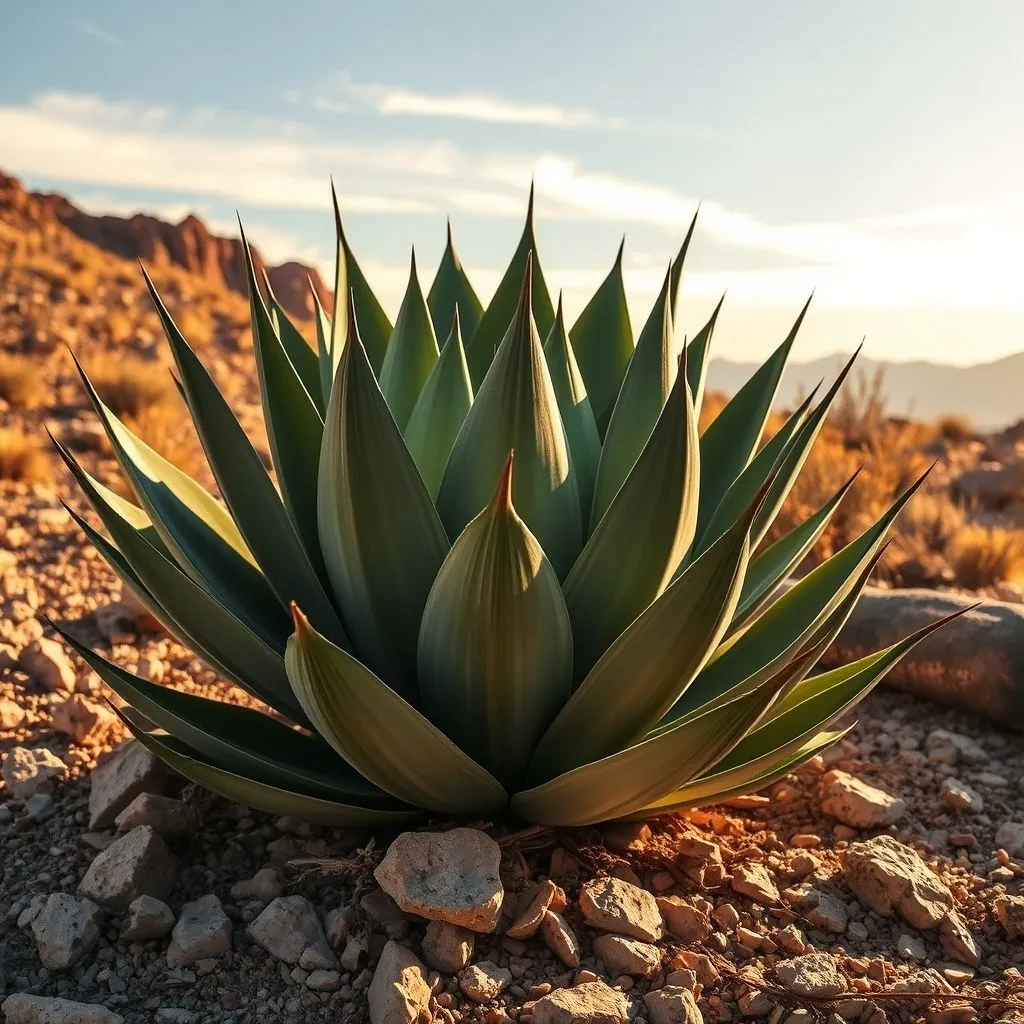
Rosettes aren’t just decorative—they’re central to agave survival and reproduction. Think of them as nature’s water-collection funnels. Over time, their compact leaf structure helps collect dew and channel it to the roots, supporting the plant in arid environments.
Some agave species even produce multiple rosettes, known as “pups,” around the base. These can be propagated after the main plant flowers and dies, continuing the agave legacy in your garden.
How Long does It Take for Agave to Bloom
There’s no fixed timeline, and that’s part of the magic. The time to bloom can vary by species and growing conditions. Here’s a rough estimate for popular varieties:
- Agave Americana: 10–30 years
- Agave Parryi: 10–15 years
- Agave Attenuata: 8–10 years
- Agave Victoriae-Reginae: 15–20 years
This slow bloom cycle means owning an agave is like cultivating a long-term relationship—filled with anticipation, beauty, and an eventual grand reward.
The Blooming Process of the Agave Plant
So, you’ve been patiently tending to your agave for years—maybe even decades—and now something incredible is happening. A tall stalk starts to rise from the center, almost overnight. Is this the moment you’ve been waiting for? Most likely, yes. The agave plant flower is finally making its appearance—and it’s unlike anything else in the plant world.
Let’s break down how this spectacular blooming process actually works.
What Triggers Flowering in Agave?
Agave plants don’t follow a strict schedule. Instead, they bloom based on a combination of:
- Age and maturity: Many agaves won’t bloom until they reach 10+ years.
- Environmental stress: Drought or extreme weather can actually push the plant to flower earlier.
- Nutrient availability: A healthy plant that’s stored enough carbohydrates has the energy to initiate bloom.
Flowering is the agave’s final act—its purpose is to reproduce before it dies. So if your agave is starting to bloom, it means the plant has deemed conditions just right for one final show.
Signs Your Agave Is About to Flower
Noticing subtle changes early can help you prepare. Keep an eye out for these telltale signs:
- A swollen center rosette—the core may start to look tighter or “pregnant.”
- A sudden growth of a central stalk (called a quiote) shooting upwards.
- A visible slowdown in leaf production—energy is now redirected to the flower.
Pro Tip: Once you notice the stalk, things move fast. Some agave stalks can grow up to 12 inches a day!
Types of Flowers Produced by Agave
Not all agave blooms look the same. Depending on the species, the flowers can range in shape, size, and color. But they all share one thing: they’re built for pollination.
Common traits of agave flowers:
- Tubular clusters are positioned on branch-like stems or directly on the stalk.
- Color variations include creamy white, pale yellow, greenish, or even red-tinted blooms.
- Pollinator magnetism—agave flowers attract bats, bees, and hummingbirds.
Some varieties, like Agave Americana, send out an enormous branched candelabra-like structure, while others form compact clusters closer to the base.
Visual Changes During the Bloom
Once flowering begins, the plant undergoes a dramatic transformation:
- Flower stalk emerges – This can reach 6 to 30 feet, depending on the species.
- Bud development – Clusters of buds begin to form at various levels along the stalk.
- Full bloom – Buds open into flowers, typically over a few weeks.
- Seed production or bulbils – Depending on the type, the plant may produce seeds or tiny clones.
During this time, the agave puts all of its stored energy into reproduction. You might notice the leaves beginning to fade, soften, or curl—this is totally normal and signals the plant is reaching the end of its lifecycle.
Why the Agave Flower Is So Fascinating
There’s something deeply poetic about a plant that waits decades to bloom, only to flower once and then fade. It’s a reminder of how nature values timing and resourcefulness. The agave plant flower isn’t just beautiful—it’s a bold final act of survival and legacy.
Whether you’re growing agave in your desert garden or watching one bloom in the wild, this once-in-a-lifetime event is truly worth the wait.
What Happens After the Agave Plant Flowers
You’ve witnessed the awe-inspiring bloom of your agave plant—the towering flower stalk reaching skyward, the clusters of delicate flowers opening one by one. But what comes next? If you’re wondering about the fate of your beloved agave after it flowers, you’re about to learn one of nature’s most fascinating yet bittersweet truths.
Understanding Monocarpic Plants
Agave plants are classified as monocarpic, which means they flower only once in their lifetime and then die. This unique strategy allows the plant to channel all its energy into producing a spectacular flower and seeds to ensure the next generation.
This process raises the question:
Why would a plant sacrifice itself after one flowering?
The answer lies in survival strategy—by investing all resources into one reproductive event, the agave maximizes the chance of its seeds dispersing widely and growing into new plants.
Death After Bloom: Why It Happens
Once the flower stalk reaches its peak and the flowers finish blooming, the main agave plant begins to decline. Here’s what happens:
- Energy depletion: The plant uses up all its stored nutrients to grow the stalk and flowers.
- Leaf deterioration: Leaves lose firmness, turning dry, brown, or even falling off.
- Root weakening: With less energy to maintain roots, the plant slowly loses stability.
- Plant death: Ultimately, the main rosette dies off, completing the lifecycle.
Though it sounds harsh, this natural process is vital for the ecosystem and the propagation of agave species.
Can You Prevent Post-Flowering Dieback?
Many ask if it’s possible to save an agave after flowering. The short answer: the original rosette cannot be revived after blooming. However, you can extend the agave’s legacy by:
- Propagating offsets (pups): Most agave plants produce baby plants, or pups, around their base before or after flowering. These can be carefully separated and replanted.
- Collecting seeds: If your agave produces viable seeds, you can start new plants from them, though this takes patience.
- Managing flower stalk: Some gardeners cut the flower stalk early to conserve energy, but this often doesn’t prevent dieback since the plant has already committed resources.
Offsets and Pups: Agave’s Legacy Lives On
Here’s the good news—while the main agave dies, it often leaves behind a family of pups that continue to grow and thrive. These smaller rosettes sprout from the base and can be separated once they’re big enough.
Why should you care about pups?
- They ensure your garden stays lush with agave plants even after the original has flowered.
- Propagating pups is an easy and rewarding way to multiply your collection.
- You get to witness the full agave lifecycle repeatedly, nurturing new plants from the old.
This post-flowering phase might mark the end of your agave’s main plant, but it’s just the beginning of a new chapter filled with growth, propagation, and ongoing beauty.
How to Care for an Agave Plant Before and After Flowering
Taking care of an agave plant can feel like a rewarding journey—one that requires patience, knowledge, and a bit of TLC. Whether you’re nurturing a young agave rosette or watching an impressive flower stalk rise, understanding the plant’s specific needs at every stage will help you enjoy its full life cycle.
Let’s dive into practical care tips to keep your agave thriving before and after flowering.
Ideal Soil and Light Conditions
Agave plants are desert natives, which means they thrive in conditions that might seem harsh to other plants. Here’s how to recreate their ideal environment:
- Soil: Use well-draining, sandy or gritty soil to prevent root rot. Cactus or succulent mixes work well. Avoid heavy, clay-based soils that hold moisture.
- Sunlight: Agave loves full sun but can tolerate partial shade. A minimum of 6 hours of direct sunlight daily is ideal to keep your agave healthy and encourage blooming.
- Container planting: If you’re growing agave in pots, make sure the container has drainage holes, and consider placing it where it can get ample light.
Watering Needs Throughout the Lifecycle
Watering agave is all about balance. Overwatering is a common mistake that can lead to root rot and other problems, especially after flowering.
- Before flowering: Water deeply but infrequently. Allow the soil to dry out completely between watering sessions.
- During flowering: Reduce watering significantly. The plant redirects most water to support the flower stalk.
- After flowering: Water sparingly. The agave is winding down, and excessive moisture can harm the already weakened plant.
A general rule: water every 2–3 weeks during the growing season and even less in winter or dormancy.
Supporting the Flower Stalk Safely
That soaring flower stalk is spectacular, but can become top-heavy and prone to wind damage. Here’s how to care for it:
- Staking: Use garden stakes or supports to keep the stalk upright if your area is windy.
- Pruning: Avoid cutting the stalk too early; let it flower fully to complete its reproductive mission.
- Safety: Be cautious handling the stalk, as some agave species have sharp spines or rough surfaces.
What to Do Once the Plant Starts to Die
After the flowering phase, your agave’s main rosette will naturally decline. Here’s how to manage this stage:
- Remove dead leaves: Trim away dried or damaged leaves to maintain garden tidiness.
- Leave pups intact: Keep any offsets or pups in place until they are large enough to transplant.
- Harvest pups carefully: When pups are big and healthy, gently separate them from the main plant with clean tools.
- Prepare for new growth: Repot or replant pups in appropriate soil and light conditions to give them the best start.
Taking care of an agave plant is about honoring its slow, purposeful rhythm. By providing the right environment, watering carefully, and managing its flowering and decline thoughtfully, you’ll enjoy many years of this extraordinary plant’s beauty—plus the thrill of watching it bloom in all its glory.
Best Agave Varieties That Produce Beautiful Flowers
Are you curious about which agave species offer the most stunning blooms? While all agaves share the fascinating trait of producing a single, dramatic flower stalk, some varieties are especially admired for their striking flowers and unique growth habits. Choosing the right type can add not only texture and structure to your garden but also an unforgettable floral display when they bloom.
Let’s explore some of the best agave plant flower producers that will captivate you for years to come.
1. Agave Americana (Century Plant)
Often called the “Century Plant,” this agave is famous for its size and spectacular flowering event. Despite the name, it usually blooms between 10 to 30 years.
- Produces a towering flower stalk that can reach up to 30 feet tall.
- Flowers are creamy white and clustered along branching arms.
- Known for its large, blue-green leaves with sharp spines.
Perfect for large landscapes, Agave Americana’s dramatic bloom is a showstopper.
2. Agave Parryi
If you prefer a more compact agave with beautiful flowers, Agave Parryi is a great choice.
- Typically blooms after 10 to 15 years.
- Produces a stout flower stalk with yellow-green flowers.
- Recognized for its rosette of thick, blue-gray leaves with curved spines.
Its moderate size makes it ideal for smaller gardens or container growing.
3. Agave Attenuata (Foxtail Agave)
Known for its soft, spineless leaves, Agave Attenuata is a favorite for gardeners seeking a friendlier variety without sacrificing dramatic blooms.
- Blooms at around 8 to 10 years.
- The flower stalk is curved and less rigid than other species.
- Flowers are yellow-green, attracting pollinators like hummingbirds.
Its elegant form and ease of care make it perfect for residential gardens.
4. Agave Victoriae-Reginae (Queen Victoria Agave)
This species is admired for its compact rosette and striking leaf patterns, paired with beautiful blooms.
- Flowering occurs around 15 to 20 years.
- The flower stalk is relatively short but densely covered in white to cream flowers.
- Leaves are thick, dark green with white markings, creating a sculptural effect.
Ideal for collectors and succulent enthusiasts who appreciate intricate beauty.
Why Choose Flowering Agave Varieties?
- Visual Impact: Their towering blooms create an impressive focal point.
- Pollinator Friendly: Flowers attract bats, bees, and hummingbirds.
- Longevity: Agave plants are hardy and low-maintenance until bloom.
- Legacy: After flowering, pups ensure your garden stays vibrant.
No matter which agave you choose, the bloom will reward your patience with a rare and spectacular floral event that few plants can match.

conclusion:
As we wrap up our deep dive into the fascinating world of the agave plant flower, you might be asking yourself: what makes this plant so captivating? Is it the patient buildup over decades, the dramatic flowering spectacle, or the way it leaves behind a legacy through its pups? The answer is all of these—and more.
Caring for an agave is truly a journey of patience and reward. From nurturing the rosette through the years to witnessing the sudden rise of its towering flower stalk, every stage offers a unique glimpse into nature’s resilience and strategy. And while the bloom marks the end of the original plant’s life, it also signals the beginning of new growth through offsets and seeds, ensuring the cycle continues.
So, whether you’re a seasoned succulent enthusiast or a curious gardener, understanding the lifecycle and care of the agave will help you appreciate its rare bloom even more. Have you seen an agave flower in your garden or in the wild? How did it change your view of this incredible plant?
Remember, the agave plant flower is not just a bloom—it’s a testament to endurance, patience, and the beauty that unfolds when nature follows its own perfect timing. Ready to nurture your agave and experience this spectacular bloom yourself? The journey is well worth the wait.
Dennis P. Hansen
Dennis P. Hansen is a home gardener with a genuine passion for plants and the simple pleasure of growing them. He enjoys caring for houseplants, succulents, and other plants at home while continually learning from everyday gardening experiences. Dennis likes to share practical plant care tips, useful observations, and simple solutions that can help others grow healthier plants. He believes that caring for plants is a rewarding journey and that there is always something new to learn along the way.