
Purple Flower Perennial Plants: How to Choose & Plant Now


Table of Contents
Introduction:
Imagine stepping into your garden year after year to a breathtaking sea of violet, lavender, and amethyst blooms – without the hassle of replanting. Sounds like a dream? For countless gardeners seeking enduring beauty and effortless elegance, purple flower perennial plants are the transformative solution. Forget the fleeting show of annuals; these resilient wonders return season upon season, deepening in color and impact, offering unparalleled value for your time and investment.
Why does purple hold such power in the landscape? It’s the color of royalty, mystery, and tranquility, effortlessly elevating any space from ordinary to extraordinary. But beyond their stunning visual appeal, purple perennial flowers are workhorses: attracting vital pollinators like bees and butterflies, thriving with surprisingly minimal fuss, and forming the reliable backbone of a truly sustainable garden. Whether you crave velvety spires, delicate clusters, or bold, architectural forms, there’s a perfect purple perennial waiting to weave its magic into your outdoor sanctuary.
Feeling overwhelmed by choices or unsure where to start? Don’t worry! This guide is your roadmap to success. We’ll uncover the top-performing perennial plants boasting gorgeous purple hues, reveal design secrets for stunning combinations, and share essential care tips to ensure they flourish. Get ready to unlock a world of reliable color and create a garden that truly lasts. Let’s dive in!
Why Choose Perennial Plants for Your Garden? (Beyond Just Pretty Purple Flowers!)
Let’s be honest: gardening can feel like a constant battle against time, weather, and your own energy levels. Who hasn’t lovingly planted vibrant annuals in spring, only to face empty beds (and a lighter wallet) by fall? If you’re craving lasting beauty without the yearly replanting marathon, perennial plants are your secret weapon. Unlike their fleeting annual cousins, these resilient wonders return faithfully season after season, growing stronger and often more spectacular with each passing year. Think of them as a long-term investment in your garden’s foundation – and your own precious time.
But why focus specifically on purple perennials? Sure, the color is undeniably stunning – evoking royalty, serenity, and a touch of magic. But the benefits go far deeper than just aesthetics. Here’s why incorporating these enduring beauties is a truly smart move for any gardener:
- Effortless Elegance, Year After Year: Imagine this: instead of replanting entire sections every spring, you simply watch as trusted favorites push through the soil, ready to perform. Purple flowering perennials like Lavender, Salvia, and Catmint establish robust root systems, requiring significantly less fuss once settled. Less digging, less buying, more enjoying.
- Nature’s Welcome Mat for Pollinators: Want a garden buzzing with life? Perennial plants, especially those boasting purple blooms, are pollinator powerhouses. Bees, butterflies, and hummingbirds are irresistibly drawn to their nectar-rich flowers. By choosing natives like Purple Coneflower (Echinacea) or Joe Pye Weed, you actively support your local ecosystem’s health. It’s beauty with a purpose!
- Unbeatable Cost-Effectiveness: While the initial price tag might be slightly higher than a flat of annuals, the math quickly favors perennials. A single purple perennial plant like a hardy Geranium or Veronica can grace your garden for 5, 10, even 20 years or more! Divide them every few years, and you get free plants to expand your display or share with friends. That’s serious value.
- Built-in Resilience & Low Maintenance: Established perennial plants often develop deep roots, making them more drought-tolerant and hardy through temperature swings than shallow-rooted annuals. Many popular purple varieties are naturally resistant to pests and diseases, meaning fewer interventions and chemicals needed. More time relaxing, less time rescuing!
The Purple Perennial Payoff: Choosing purple perennials isn’t just about adding color; it’s about creating a smarter, more sustainable, and ultimately more rewarding garden. They offer enduring structure, vital ecological benefits, significant savings over time, and yes – that unforgettable, regal splash of violet, lavender, and plum that transforms your space from ordinary to extraordinary. Ready to meet the stars of the show? Let’s explore the top performers…
Top Purple Perennial Flowers for Showstopping Gardens (Sun & Shade Picks!)
Ready to transform your garden into a captivating purple paradise? Choosing the right purple perennial flowers is key! Not all blooms are created equal – some thrive under the summer sun, while others bring magic to shady corners. Forget guesswork; we’ve curated the most reliable, vibrant, and downright gorgeous performers. Let’s meet the stars that deliver stunning purple blooms year after year, with minimal drama:
Sun Worshipers (6+ Hours of Sunshine):
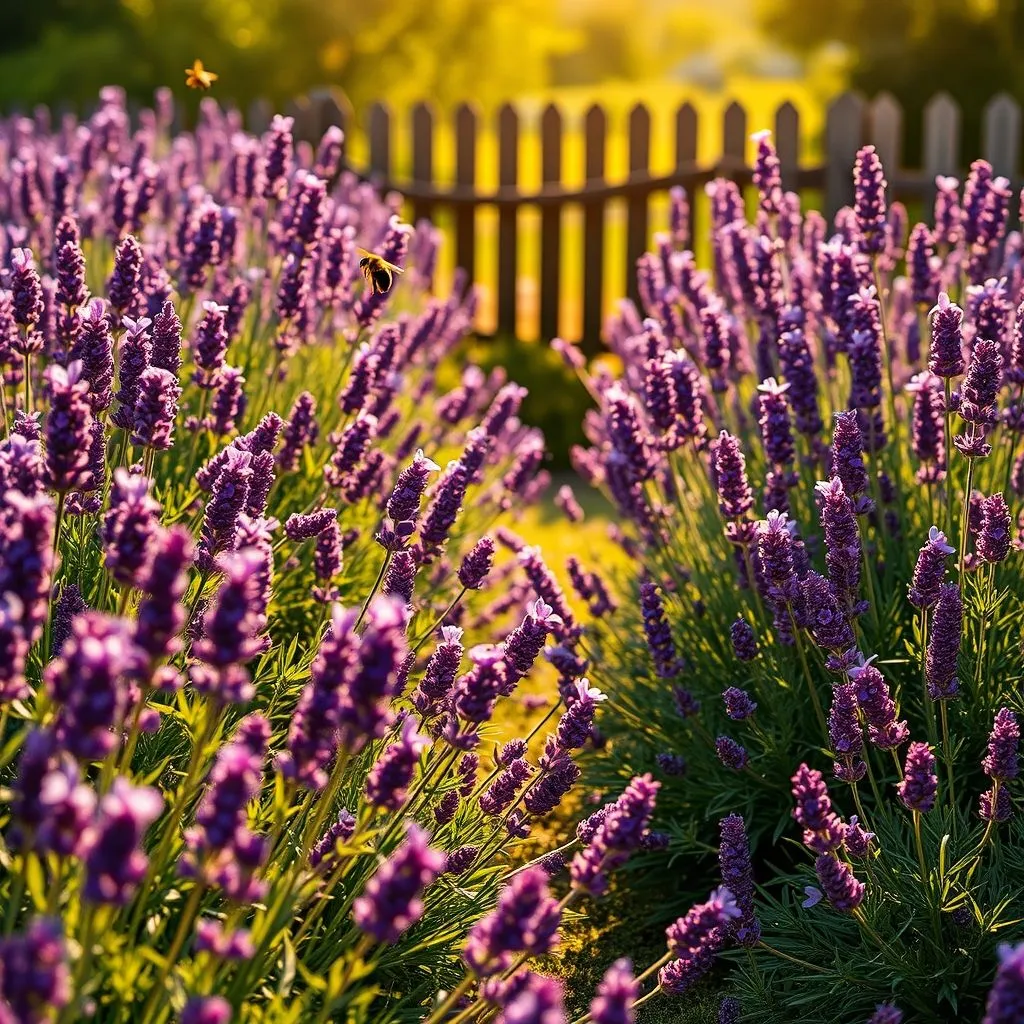
- Lavender (Lavandula): The quintessential purple flowering perennial. Imagine silvery-green foliage crowned with fragrant, velvety spikes in shades of violet and lilac.
- Why You’ll Love It: Drought-tolerant superstar, heavenly scent, pollinator magnet, perfect for borders or low hedges.
- Pro Tip: Needs excellent drainage and a good prune after flowering.
- Salvia (Perennial Sage): Spikes of intense purple (like ‘May Night’ or ‘Caradonna’) that bloom relentlessly from late spring to fall.
- Why You’ll Love It: Extremely long bloom time, deer and rabbit resistant, attracts hummingbirds like crazy!
- Pro Tip: Deadhead spent spikes to encourage more flushes of flowers.
- Russian Sage (Perovskia atriplicifolia): Creates a haze of tiny lavender-blue flowers on tall, airy, silvery stems.
- Why You’ll Love It: Incredibly tough, heat and drought champion, adds wonderful texture and movement.
- Pro Tip: Looks phenomenal mass-planted; cut back hard in early spring.
- Purple Coneflower (Echinacea purpurea): Bold, daisy-like flowers with striking, raised copper-orange centers.
- Why You’ll Love It: Native powerhouse, goldfinches adore the seed heads in winter, very hardy and disease-resistant.
- Pro Tip: Let some seed heads stand for winter interest and bird food.
Shade & Part-Shade Champions (2-6 Hours Sun or Dappled Light):
- Astilbe: Feathery plumes in shades of lavender, lilac, and deep plum rise above fern-like foliage.
- Why You’ll Love It: Adds soft texture and height to shady spots, loves moist soil, blooms mid-summer.
- Pro Tip: ‘Delft Lace’ (pink-lavender) and ‘Dark Side of the Moon’ (deep purple) are stunning varieties.
- Hardy Geranium (Cranesbill): Not your grandma’s potted geranium! Look for varieties like ‘Rozanne’ (violet-blue) or ‘Johnson’s Blue’ for mounds of delicate, saucer-shaped purple blooms.
- Why You’ll Love It: Super long bloomers (often spring to frost!), excellent groundcover, easy to divide.
- Pro Tip: Shear back after first flush for neatness and often a second bloom.
- Lungwort (Pulmonaria): Early spring charmer with clusters of flowers shifting from pink to violet-blue and uniquely spotted foliage.
- Why You’ll Love It: One of the first perennials to bloom, unique foliage interest year-round, thrives in damp shade.
- Pro Tip: ‘Raspberry Splash’ offers vibrant pink-to-purple flowers.
- Bugleweed (Ajuga reptans): Low-growing groundcover with spikes of deep blue-violet flowers and attractive foliage (often bronze or variegated).
- Why You’ll Love It: Rapidly fills in bare spots, suppresses weeds, great for slopes or under trees.
- Pro Tip: Choose ‘Chocolate Chip’ for compact growth and dark foliage.
Don’t Forget the Wow Factor!
- Allium ‘Globemaster’: Giant, softball-sized spheres of tiny starry purple flowers on tall, sturdy stems in late spring/early summer. Pure architectural drama!
- Iris Siberica: Graceful, delicate-looking blooms in rich purples and violets, held above slender, grassy foliage. Elegance defined.
Choosing Your Purple Players: Consider your garden’s sunlight, soil moisture, and desired height. Mix textures and bloom times for continuous color. Now that you’ve met these incredible purple perennials, let’s explore how to weave them into breathtaking garden designs!
Designing with Purple Flowering Perennials: Creating Your Dream Palette
So, you’ve fallen in love with stunning purple flowering perennials – brilliant! But simply dotting them around your garden won’t unleash their full magic. The real artistry lies in how you combine them. Ever wonder why some gardens feel effortlessly harmonious while others seem chaotic? It often boils down to thoughtful design. Let’s unlock the secrets to using your purple blooms to create captivating, cohesive, and season-long interest.
Mastering Color Harmony: Beyond Basic Purple
Purple is incredibly versatile, but pairing it thoughtfully elevates your garden from “nice” to “wow.” Here’s how to make your purple perennials sing:
- Complementary Contrast (The Showstopper): Pair purple with its opposite on the color wheel: yellow or gold. Imagine deep purple Salvia blazing behind golden Rudbeckia, or lavender Catmint spilling over sunny Coreopsis. This combination creates vibrant energy and makes both colors pop dramatically. Use sparingly for maximum impact!
- Analogous Elegance (The Serene Escape): Blend shades adjacent to purple: blues, pinks, and magentas. Picture soft blue Nepeta mingling with lavender Geranium and rosy-pink Astilbe. This scheme feels tranquil, sophisticated, and naturally cohesive. Perfect for cottage gardens or relaxing spaces.
- Monochromatic Depth (The Sophisticated Statement): Explore the full spectrum of purple! Combine deep violet Irises with mid-tone Alliums and pale lilac Lavender. Add plants with purple-tinged foliage (like Heuchera ‘Palace Purple’ or Sedum ‘Purple Emperor’). This creates layers of texture and subtle variation, offering rich, refined drama. Tip: Vary heights and textures to avoid flatness.
Playing with Height & Texture: Building Garden Layers
Think of your garden bed like a stage. Purple flowering perennials play different roles:
- Backstage Stars (Tall & Structural): Place statuesque purple perennials like Russian Sage, Joe Pye Weed, or Veronica spires at the back of borders. They provide essential height and a stunning backdrop. (4-6+ feet tall).
- Mid-Ground Players (Bulk & Bloom): This is where most of your purple blooms shine! Salvia, Coneflower, Phlox, and Irises fill the middle layer with color and substance. Mix rounded forms with spires and airy textures. (1.5-4 feet tall).
- Front Row Charmers (Edging & Groundcover): Soften edges and fill gaps with low-growing wonders. Think creeping Phlox, Ajuga (Bugleweed), hardy Geraniums, or compact Heuchera. Their purple flowers or foliage create a welcoming foreground. (Under 1.5 feet tall).
Ensuring Season-Long Purple Power
Avoid a “purple peak” followed by a color crash! Plan for blooms from spring to fall:
- Spring: Lungwort (Pulmonaria), Creeping Phlox, Dwarf Iris, Brunnera (with forget-me-not like blue flowers complementing purple).
- Early Summer: Salvia, Catmint, Iris, Allium.
- Mid-Summer: Lavender, Coneflower, Bee Balm (Monarda – often in purples/magentas), Russian Sage.
- Late Summer/Fall: Asters (many stunning purple varieties!), Sedum ‘Purple Emperor’ (foliage & flowers), Toad Lily (Tricyrtis – unique orchid-like blooms for shade).
Purple Accents Beyond the Border
Don’t limit your purple perennials to traditional beds!
- Containers: Create stunning pot combinations. Use a thriller (like a compact Salvia), filler (purple Calibrachoa or Verbena), and spiller (Ajuga or Ivy Geranium with purple tones).
- Pathways & Edges: Line walkways with low, fragrant Lavender or Nepeta for sensory delight.
- Focal Points: Place a dramatic, large Allium globe or a grouping of deep purple Irises where the eye naturally rests.
Designing Your Purple Masterpiece: Start small! Sketch a rough plan considering sunlight, color pairings, heights, and bloom times. Remember, gardens evolve. Now that your design vision is taking shape, let’s ensure your purple flowering perennials thrive with the right care essentials…
Essential Care for Thriving Purple Perennials: Keep Them Blooming Year After Year
You’ve chosen stunning purple flowering perennials and designed a breathtaking layout. Now, how do you ensure they return stronger and more vibrant every single year? While these resilient beauties are often labeled “low maintenance,” a little savvy care goes a very long way. Think of it less as chores and more as helping your plants reach their full potential. Let’s dive into the simple, essential practices that unlock the true longevity and beauty of your purple perennials.
Getting to the Root of It: Soil & Planting
Healthy soil is the non-negotiable foundation for any thriving perennial plant, especially those prized purple blooms. Skip this step, and you’ll fight an uphill battle.
- The Golden Rule: Drainage, Drainage, Drainage! Most purple perennials despise soggy feet (root rot is a common killer!). Before planting:
- Test it: Dig a hole 12″ deep, fill it with water. If it drains in less than 4 hours, you’re golden. Longer? Amend!
- Amend it: Work in generous amounts of compost or well-rotted manure. For heavy clay, add coarse sand or grit. For sandy soil, add compost to boost water retention.
- Planting Perfection:
- Timing is Key: Spring or early fall are ideal, allowing roots to establish before extreme heat or cold.
- Dig Wide, Not Deep: The hole should be twice as wide as the root ball, but only as deep. Planting too deep suffocates the crown.
- Water Deeply: Saturate the root ball and surrounding soil immediately after planting.
Sunlight Savvy & Water Wisdom
Knowing your plant’s preferences is half the battle won!
- Sunlight Needs Vary:
- Sun Lovers (6+ hours): Lavender, Salvia, Russian Sage, Coneflower. Give them full sun for maximum blooms and compact growth. Less sun = leggy, floppy plants.
- Part-Shade/Shade (2-6 hours or dappled): Astilbe, Lungwort, Brunnera, Hardy Geraniums. Protect them from harsh afternoon sun to prevent scorching.
- Watering Wisely (Avoid the Drown-or-Drought Trap):
- Deep & Infrequent > Shallow & Often: Encourage deep root growth by soaking the soil thoroughly, then letting the top few inches dry out before watering again. Stick your finger in!
- First Year is Crucial: Newly planted perennial plants need consistent moisture (not saturation!) while establishing.
- Mulch is Your Moisture Manager: Apply 2-3 inches of organic mulch (shredded bark, compost) around plants (not touching stems!). It conserves water, suppresses weeds, and regulates soil temperature.
Feeding & Pruning for Peak Performance
A little strategic effort yields massive rewards in flower power and plant health.
- Feeding Finesse (Less is Often More!):
- Compost is King: Top-dressing with compost in early spring provides gentle, balanced nutrients. Most purple perennials thrive on this.
- Go Easy on Fertilizer: Avoid high-nitrogen fertilizers that promote leafy growth over flowers. If needed, use a balanced, slow-release granular fertilizer once in early spring.
- Pruning Power:
- Deadheading: Regularly snipping off spent purple blooms (like on Salvia, Coneflower, Geraniums) encourages more flowers! Cut back to a healthy leaf node.
- Seasonal Cutting Back:
- Spring: Cut back ornamental grasses and plants left for winter interest (like Sedum, Coneflower seed heads).
- Summer: Shear back leggy plants after first bloom (e.g., Nepeta, hardy Geraniums) for a tidy rebloom.
- Fall: Generally avoid major pruning. Leave most foliage to protect crowns over winter. Exceptions: Plants prone to disease (like powdery mildew on Phlox) can be cut back after frost.
- Division for Vigor: Every 3-5 years (or when centers die out), dig up clump-forming purple perennials (Hostas, Daylilies, Asters) in early spring or fall. Use a sharp spade to divide, replant healthy sections, and discard the woody center. Instant free plants!
Winter Prep: Setting the Stage for Spring
Most hardy purple perennials need minimal fuss, but a little TLC helps:
- Hold the Pruners! Leave most foliage standing – it insulates the crown.
- Mulch After Ground Freezes: Apply a fresh layer of mulch after the first hard freeze to prevent damaging freeze-thaw cycles. Avoid piling mulch against stems.
- Protect Tender Newbies: First-year plants or marginally hardy varieties might appreciate a light covering of evergreen boughs.

Caring for your purple perennials isn’t complex – it’s about understanding their simple needs. With these essentials in place, your garden will reward you with years of effortless, stunning color. Ready to see it all come together?
Troubleshooting Your Purple Perennial Garden: Smart Fixes for Common Hiccups
Even the most stunning perennial gardens face occasional challenges. But don’t panic! Those glorious purple blooms are tougher than they look. Whether you’re battling uninvited guests or taming enthusiastic spreaders, we’ve got proven, eco-friendly solutions. Consider this your quick-response guide to keeping your purple perennials thriving through every curveball nature throws.
Dealing with Unwanted Visitors (Pests)
Spot chewed leaves or stunted growth? Most pests avoid healthy plants, but early intervention prevents bigger headaches:
- Aphid Alert (Sticky Leaves/Distorted Shoots):
- Fix: Blast them off with a strong water spray. Introduce ladybugs (nature’s aphid assassins!). For severe cases, use insecticidal soap spray under leaves at dawn/dusk.
- Prevention: Avoid over-fertilizing (succulent new growth attracts them). Plant pollinator-friendly herbs like dill nearby to attract predatory insects.
- Slug & Snail Sabotage (Holes in Leaves/Slime Trails):
- Fix: Set out beer traps (sink cups filled with cheap beer at soil level). Apply iron phosphate bait (pet-safe). Handpick at night with a flashlight.
- Prevention: Remove hiding spots (boards, dense mulch piles). Water in the morning so soil dries by evening. Use sharp gravel mulch around susceptible plants like Hostas.
Preventing & Managing Diseases
Fungal issues often stem from poor airflow or wet conditions. Act fast to protect neighboring plants:
- Powdery Mildew (White Dust on Leaves):
- Fix: Spray affected foliage with 1 tbsp baking soda + 1 tsp horticultural oil + 1 gallon water. Remove severely infected leaves.
- Prevention: Space plants properly! Prune inner stems for airflow. Water at the base – never overhead. Choose resistant varieties (e.g., Phlox ‘David’).
- Root Rot (Wilting Despite Wet Soil):
- Fix: Dig up plant immediately. Trim black/mushy roots. Replant in well-amended, drained soil or a raised bed.
- Prevention: That “Golden Rule” of drainage is non-negotiable! Never let purple perennials sit in waterlogged soil.
Managing Overly Enthusiastic Spreaders
Some purple flowering perennials (like Monarda or creeping Phlox) can get ambitious. Reclaim control gracefully:
- The Containment Tactic: Plant vigorous spreaders in bottomless pots sunk into the ground. This physically blocks wandering roots.
- Strategic Edging: Install metal or plastic landscape edging 10-12″ deep around plantings to create underground barriers.
- Ruthless Division: Every 2-3 years, dig up overreaching clumps in early spring. Replant only what you want, and compost/share the rest.
Winter Woes? Ensuring Spring Comebacks
Did a favorite plant not return? Protect vulnerable perennial plants:
- Mulch Magic (Revisited): Apply 4-6″ of loose mulch (straw, shredded leaves) after ground freezes. This prevents damaging freeze-thaw cycles.
- Wind & Sun Shield: For evergreens like Heuchera, use burlap screens on windy sides to prevent desiccation.
- Avoid Fall Pruning: Leave foliage intact—it insulates crowns. Cut back dead material in early spring.
- Know Your Zone: Tender purple perennials (e.g., some Salvias) might need extra protection. Pile autumn leaves over crowns or use frost blankets during extreme cold snaps.
Your Resilient Purple Paradise Awaits!
Armed with these solutions, minor setbacks won’t derail your dream garden. Remember: healthy perennial plants start with smart choices (right plant, right place!) and proactive care. Now go enjoy those worry-free purple blooms – you’ve earned it!

Introduction:
Imagine stepping into your garden three years from now. Instead of bare earth or tired annuals needing replacement, you’re greeted by established swathes of lavender Salvia spires, drifts of velvety purple Coneflowers buzzing with bees, and the soft plumes of Astilbe lighting up the shade. This isn’t just a dream—it’s the tangible, vibrant reality you create by embracing purple flower perennial plants.
We’ve journeyed from understanding the why – the unmatched value, resilience, and ecological power of perennial plants – to discovering the who: stunning purple perennials suited for sun or shade. You’ve unlocked design secrets for breathtaking color combinations and mastered the essential care to keep them thriving year after year. Even the occasional challenge now has a clear, eco-friendly solution. The path to a perennial garden brimming with reliable, regal beauty is wide open.
Your Purple Perennial Payoff Awaits:
- Enduring Beauty: Say goodbye to the replanting treadmill. Hello to deepening colors and stronger displays with each passing season.
- Effortless Rewards: More time enjoying your sanctuary, less time toiling. These are plants that work for you.
- A Living Ecosystem: Watch your garden pulse with life – butterflies, bees, and birds drawn to your purple blooms.
- Smart Investment: Save money over time while building garden equity that literally grows.
Ready to Begin Your Legacy? Start small! Pick one or two sun-loving purple perennials like rugged Salvia or a shade-loving Hardy Geranium. Plant them well, care for them simply, and witness the transformation. As confidence grows, expand your palette. Share divisions with friends. Watch your landscape evolve into a low-maintenance masterpiece defined by enduring elegance.
This is more than gardening; it’s cultivating legacy. Your purple perennials are the steadfast foundation of a truly sustainable, soul-nourishing outdoor space. They are the promise of spring’s return, the buzz of summer life, and the quiet dignity of autumn structure. So, grab your trowel, choose your first splash of purple, and plant the seeds of a garden that truly lasts. Your future self – relaxing amidst effortless, breathtaking beauty – will thank you.
Dennis P. Hansen
Dennis P. Hansen is a home gardener with a genuine passion for plants and the simple pleasure of growing them. He enjoys caring for houseplants, succulents, and other plants at home while continually learning from everyday gardening experiences. Dennis likes to share practical plant care tips, useful observations, and simple solutions that can help others grow healthier plants. He believes that caring for plants is a rewarding journey and that there is always something new to learn along the way.