
Why Indoor Foliage Plants Fail—and How to Fix Them


Table of Contents
Introduction:
Your plants looked lush last week—so why the yellow edges, droop, or stalled growth today? If your indoor foliage plants seem to fail without warning, you’re not alone. Most setbacks trace back to a few fixable habits: mismatched light, guess‑and‑go watering, compacted soil, or low humidity. The good news? With a clear plan, you can turn confusion into a calm, repeatable routine.
In this guide, we’ll decode symptoms and translate them into simple moves you can trust—no guesswork, no gimmicks. We’ll dial in indoor foliage plants care (light, water, soil, humidity, nutrients) and show you how to prevent problems before they start, so your indoor foliage plants stay glossy, resilient, and fast‑growing.
We’ll also balance the hype with reality. You’ll learn foliage plants indoor benefits (from mood‑boosting greenery to a cozier “air feel”) and the trade‑offs that come with larger leaves and higher humidity needs. Wondering which varieties actually fit your space? We’ll match the best indoor foliage plants to your light and lifestyle, and share practical Foliage plant care templates you can copy right away.
Along the way, we’ll answer the questions people ask most:
- How to care for indoor foliage plants?
- Is foliage a good houseplant?
- What are the top 10 indoor plants—and which ones are truly beginner‑friendly?
- Why is Gen Z obsessed with plants, and what lessons can you borrow for faster success?
By the end, you’ll know exactly how to read what your indoor foliage plants are telling you—and how to fix issues fast with a few steady habits.
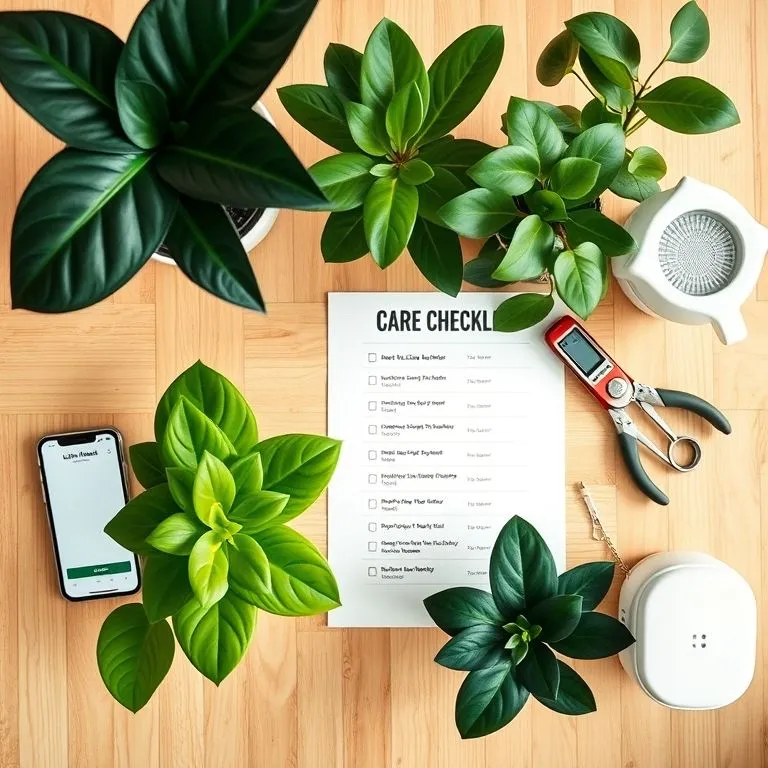
Indoor foliage plants: what you’ll learn and how this guide fixes common failures
If your indoor foliage plants look great one week and moody the next, you don’t need a green thumb—you need a repeatable system. This guide shows you how to read symptoms, make one smart change at a time, and lock in habits that keep your plants glossy and growing. We’ll highlight quick patterns that cause most issues, the real foliage plants indoor benefits you can expect, and a simple framework for Indoor foliage plants care you can actually stick to.
Why indoor foliage plants fail—quick patterns you can spot and solve
Most problems trace back to a few fixable mismatches:
- Light mismatch
- Clues: small/pale leaves, long stretched stems, slow growth.
- Fix: aim for bright, indirect light (200–600 foot‑candles/2,000–6,000 lux). Move closer to a window with a sheer curtain or add a full‑spectrum LED.
- Watering drift
- Clues: calendar watering, soggy soil, or bone‑dry mix pulling from pot edges.
- Fix: water when the top 1–2 inches are dry, then water thoroughly to runoff. Bottom‑soak hydrophobic soil to rehydrate evenly.
- Compacted soil and poor drainage
- Clues: water pools on top, pot stays heavy for days, roots limp.
- Fix: repot into an airy blend (potting mix + perlite/pumice + fine bark) and always use a pot with drainage.
- Low humidity and stale air
- Clues: crispy margins, dull finish, spider mites thriving.
- Fix: target 50–60% humidity and gentle airflow from a small fan.
- Fertilizer salts and mineral buildup
- Clues: brown tips/edges, white crust on soil.
- Fix: feed at half strength during active growth and flush the pot with plain water every 6–8 weeks.
- Wrong pot size
- Clues: oversized pots stay wet; undersized pots dry overnight.
- Fix: size up only 1–2 inches when rootbound.
Result: When you align light, water, and soil, your indoor foliage plants stabilize fast—and stay that way.
Foliage plants indoor benefits you unlock with simple routines
Why keep going? Because the payoff is real:
- Instant design upgrade: large, sculptural leaves anchor a room without clutter.
- “Air feel” comfort: healthy foliage adds a fresher, cozier vibe to your space.
- Focus and calm: caring for plants offers micro‑breaks that reduce visual fatigue.
- Learn and propagate: many favorites are easy to multiply once thriving—free plants, anyone?
- Lifestyle fit: with consistent Foliage plant care, you’ll spend minutes per week, not hours.
Indoor foliage plants care at a glance—light, water, soil that work
Use these quick wins as your baseline:
- Light
- Bright, indirect light is home base; add a grow light for 12–14 hours if rooms are dim.
- Rotate the pot 90° weekly for balanced growth.
- Water
- Check moisture at two points; water when the top 1–2 inches are dry.
- Water thoroughly until 10–20% runoff; empty saucers so roots don’t sit in water.
- Soil and pot
- Airy mix: ~50% quality potting mix, 25% perlite/pumice, 25% fine bark.
- Pot with real drainage holes; size up gradually.
- Humidity and airflow
- Target 50–60% RH; group plants or run a small humidifier nearby.
- Gentle airflow deters fungus and pests.
- Feeding
- Half‑strength, balanced fertilizer every 2–4 weeks in spring/summer; pause in winter.
- Tools that help
- Light meter app, moisture meter (as a guide), and a hygrometer.
Preview: Later sections map these principles to the Best indoor foliage plants for your light and space, so you can pick varieties that thrive in your exact conditions.
How to use this guide: diagnose, fix, then prevent future issues
Keep it simple and strategic:
- Diagnose (observe first)
- Note light levels (lux/foot‑candles), last watering date, and current leaf symptoms. This beats guessing.
- Fix (one change at a time)
- Prioritize light → water → soil. Adjust one variable, then watch for 7–10 days.
- Prevent (lock in routines)
- Weekly: moisture check, leaf wipe, quick pest scan.
- Monthly: flush salts, inspect roots/drainage, recalibrate light placement.
- Seasonal: refresh mix or repot, adjust watering cadence, and tweak humidity.
- Identify to succeed
- Know your plant’s baseline needs. We’ll include simple Foliage house plants identification cues later so care is species‑smart, not one‑size‑fits‑all.
Bottom line: With a few steady habits, Indoor foliage plants care becomes predictable—and your indoor foliage plants reward you with stronger growth and richer color, season after season.
How to care for indoor foliage plants?
Caring for indoor foliage plants is less about perfection and more about alignment—matching light, water, and soil so roots stay happy and leaves stay lush. If you’ve been guessing, this section gives you a calm, repeatable system for Indoor foliage plants care you can actually stick to.
Indoor foliage plants care basics—lighting, watering, and soil synergy
Light drives everything. Water and soil simply follow its lead.
- Lighting that works
- Aim for bright, indirect light: 200–600 foot‑candles (2,000–6,000 lux). A sheer‑curtained south/west window or an east window is ideal.
- Not sure it’s bright enough? Use a free light meter app. If readings sit below ~200 FC at noon, add a full‑spectrum LED 12–14 hours/day.
- Rotate the pot 90° weekly for balanced growth and sturdier stems.
- Watering that respects the roots
- Water when the top 1–2 inches of soil are dry. Then water thoroughly until 10–20% runoff; empty saucers.
- Rehydrate hydrophobic soil (pulling from pot sides) with a slow top‑water or a 15–30 minute bottom soak.
- Learn the pot “weight test”: lift after watering (heavy) and before watering (light) to build intuition.
- Soil that breathes
- Use an airy, fast‑draining blend: roughly 50% quality potting mix (coco‑based), 25% perlite or pumice, 25% fine bark.
- Choose a pot with real drainage holes. Terracotta breathes (great if you overwater). Plastic retains moisture (helpful in dry homes).
- Size up only 1–2 inches when repotting to avoid a soggy “perched water table.”
Result: Align light → water → soil, and your indoor foliage plants stabilize quickly—fewer yellow leaves, fuller canopies, and steady new growth.
Foliage plant care for humidity, airflow, and temperature targets
Think tropical comfort, not rainforest mist.
- Humidity: 50–60% is a sweet spot for most indoor foliage plants. Group plants, use a pebble tray, or run a small cool‑mist humidifier nearby.
- Airflow: Gentle movement (a fan on low) strengthens petioles and discourages fungus and mites—without drying leaves.
- Temperature: 65–85°F (18–29°C). Keep plants away from cold drafts, heat vents, and hot glass at midday.
- Clean leaves: Dust blocks light. Wipe monthly with a damp microfiber cloth so photosynthesis stays efficient.
Tip: If spider mites keep returning, boost humidity and airflow first—two simple levers that make every other part of Foliage plant care easier.
Feeding and repotting rhythm—steady growth without stress
Feed the pace of your light, not the calendar.
- Fertilizer
- Use a balanced, urea‑free liquid fertilizer with micronutrients at half strength every 2–4 weeks in spring/summer.
- Pause or cut back in fall/winter when growth slows.
- Flush the soil with plain water every 6–8 weeks to prevent salt buildup (a sneaky cause of brown tips).
- Repotting
- Repot every 12–18 months or when roots circle the pot and water races through.
- Increase pot diameter by just 1–2 inches; keep the crown at the same height.
- Not rootbound? Top‑dress: replace the top 1–2 inches of mix each spring for a nutrient refresh without the stress of a full repot.
- Bonus: Divide offsets only in active growth (spring). Give divisions bright, indirect light and evenly moist—not wet—soil for 2–3 weeks.
Common mistakes to avoid—overwatering, low light, wrong pot size
- Overwatering by schedule: Switch to cues. If soil stays wet for days, your mix is too dense or the pot is oversized.
- Low‑light stalls: Pale, undersized leaves and long gaps between nodes mean it’s time to move closer to a window or add a grow light.
- Pot too big: Excess soil stays wet and suffocates roots. Right‑size pots speed recovery and prevent rot.
- Skipping airflow: Stale corners invite fungus and mites. A tiny fan on low can be a game‑changer.
- Ignoring water quality: Very hard or softened water can cause tip burn. Filtered or rainwater often keeps edges clean.
Indoor plants watering cues and seasonal schedule
Use cues first, then fine‑tune by season.
- Time to water
- Top 1–2 inches dry to the touch
- Pot feels noticeably lighter
- Slight late‑day droop that rebounds after watering
- Hold off if
- Soil is cool and damp below the surface
- Pot feels heavy for multiple days
- There’s a sour smell or fungus gnats buzzing
Seasonal rhythm (adjust for light, pot, and humidity):
- Spring: every 5–7 days
- Summer: every 3–5 days (fastest growth and evaporation)
- Fall: every 7–10 days
- Winter: every 10–14 days (add a grow light to keep cadence steadier)
A simple loop to remember: check light → check moisture → water thoroughly → drain completely. Follow this, and Indoor foliage plants care becomes predictable—and your indoor foliage plants reward you with richer color and faster unfurls.
Troubleshooting and identification for resilient growth
When leaves send mixed signals, don’t guess—diagnose. A few quick checks will tell you exactly what your indoor foliage plants need, so you can act fast and prevent repeat issues. Use the patterns below to stabilize growth and refine your Indoor foliage plants care routine.
Yellowing, browning, and drooping—fast diagnosis and fixes
- Yellowing leaves
- Clues: Lower leaves yellow first (often overwatering/low light); all-over pale color (underfeeding/light deficit).
- Quick tests: Check soil 2 inches deep; note light levels at noon with a meter app.
- Fixes:
- Bright, indirect light (200–600 FC) or add a grow light 12–14 hrs/day.
- Water only when the top 1–2 inches are dry; ensure real drainage holes.
- Feed a balanced, half‑strength fertilizer during active growth.
- Brown, crispy edges or tips
- Clues: Low humidity, underwatering, or salt/mineral buildup.
- Fixes:
- Target 50–60% humidity; group plants or run a small humidifier.
- Rehydrate evenly (slow top‑water or 15–30 min bottom soak).
- Flush the pot with plain water monthly; consider filtered or rainwater.
- Drooping (midday slump vs all‑day sag)
- Clues: Quick perk after watering = underwatering; heavy, wet pot + soft stems = overwatering; sudden room changes can add stress.
- Fixes:
- Set a water rhythm based on soil cues, not the calendar.
- Improve airflow with a gentle fan; avoid drafts and hot vents.
- Stake heavy leaves temporarily while roots recover.
Pro tip: It’s normal for indoor foliage plants to shed an older leaf when pushing a new one—remove only when fully yellow.
Pests and diseases indoors—Foliage house plants identification essentials
Catch problems early and treatment stays simple.
- Spider mites
- Signs: Dusty stippling, fine webbing, rough leaf feel.
- Action: Rinse foliage; spray insecticidal soap or neem every 5–7 days for 3 cycles; raise humidity and airflow.
- Thrips
- Signs: Silvery streaks, deformed new leaves, black specks.
- Action: Isolate, add blue/yellow sticky traps, use a spinosad or labeled systemic as directed.
- Mealybugs and aphids
- Signs: Cottony clusters (mealybugs) or soft green/black insects (aphids) on stems/undersides.
- Action: Dab with 70% isopropyl, then wash and follow with insecticidal soap weekly until clear.
- Fungus gnats
- Signs: Tiny flies at the soil line; indicates persistently wet mix.
- Action: Let the top layer dry, use sticky traps, and drench with BTi per label.
- Leaf spots (fungal/bacterial)
- Signs: Spots with yellow halos or water‑soaked edges.
- Action: Remove affected leaves, improve airflow, avoid overhead watering; consider a houseplant‑safe copper/sulfur product.
Prevention that works for Indoor plants:
- Quarantine new arrivals for 10–14 days.
- Wipe leaves monthly; clean tools between plants.
- Water only when the mix tells you to—consistent moisture deters stress and pests.
Root health checks—when to repot, divide, or refresh the mix
Healthy roots = resilient foliage. Make root checks part of your Foliage plant care.
When to repot (choose one or more):
- Roots circle the pot or poke from drainage holes.
- Water races through or the pot dries in a day.
- Mix stays wet for 5+ days (too dense) or smells sour.
How to repot for recovery:
- Choose a pot just 1–2 inches wider with real drainage.
- Use a breathable blend: ~50% quality potting mix, 25% perlite/pumice, 25% fine bark.
- Set the crown at the same height; water once thoroughly, then let the top 1–2 inches dry before the next watering.
Divide or refresh?
- Divide offsets in spring for quicker rebounds and fuller plants.
- Not rootbound? Top‑dress the top 1–2 inches with fresh mix each spring to renew nutrients without a full repot.
Water quality and salt buildup—how to protect leaf edges
If edges crisp despite good humidity, look at your water.
- Hard water/softened water: Minerals or sodium can burn tips.
- Chlorine/chloramine: Chlorine dissipates in 24 hrs; chloramine doesn’t—use a carbon filter.
- Salts in soil: White crust on the surface = buildup.
What to do:
- Switch to filtered, rain, or distilled water if tap is very hard.
- Flush the pot with plain water every 6–8 weeks during active growth.
- Feed at half strength and skip every fourth feeding to prevent accumulation.
Foliage house plants identification: visual cues on leaves, stems, and soil
Use these quick reads to pinpoint problems in your indoor foliage plants:
- Leaves
- Old leaves yellow first = natural aging or low light; new leaves yellow first = nutrient or root issue.
- Interveinal yellowing = possible magnesium/iron gap or high pH.
- Speckles/webbing = mites; silvery streaks = thrips; sticky honeydew = aphids/scale.
- Stems and petioles
- Soft or mushy bases = overwatering/root rot.
- Long, weak internodes = insufficient light.
- Sudden bends/snaps = traffic or low humidity weakening tissues.
- Soil surface
- Green algae or sour smell = chronically wet mix.
- Salt crust = fertilizer/mineral buildup.
- Clouds of gnats = overwatering; let the top layer dry and treat larvae.
Bottom line: Observe first, then adjust one variable—light, water, or soil—so you can see what actually works. With steady Indoor foliage plants care, your indoor foliage plants bounce back faster and stay resilient.

Best indoor foliage plants: picks by light, space, and lifestyle
Right plant, right place—that’s the quiet secret behind thriving indoor foliage plants. In this section, you’ll match your light and room size to the Best indoor foliage plants for your lifestyle, then learn quick ID cues so you buy (and care for) the right species from day one. Use it as a shortcut to fewer surprises and a lot more lush, living decor.
What are the top 10 indoor plants? Beginner to collector favorites
- Pothos (Epipremnum aureum)
- Why you’ll love it: Fast, forgiving vine; trails or climbs.
- Care quick take: Medium to bright, indirect light; water when top 1–2 inches are dry.
- Monstera deliciosa
- Big-leaf drama with natural splits.
- Bright, indirect light; chunky mix; stake or moss pole for larger leaves.
- Snake Plant (Dracaena trifasciata)
- Nearly unkillable upright swords.
- Low to bright light; let soil dry deeper between waterings.
- ZZ Plant (Zamioculcas zamiifolia)
- Glossy, architectural fronds; drought tolerant.
- Low to medium light; water sparingly.
- Philodendron hederaceum (Heartleaf)
- Soft, heart-shaped leaves; easy viner.
- Medium to bright, indirect light; evenly moist, not wet.
- Rubber Plant (Ficus elastica)
- Bold, leathery leaves (green, burgundy, variegated).
- Bright, indirect light; dislikes cold drafts.
- Peace Lily (Spathiphyllum)
- Lush leaves plus white blooms indoors.
- Medium light; keep evenly moist; perks dramatically after watering.
- Spider Plant (Chlorophytum comosum)
- Strappy leaves, easy “spiderettes” for sharing.
- Medium light; slightly moist; tolerates lower humidity.
- Calathea/Goeppertia (e.g., ‘Rattlesnake’, ‘Orbifolia’)
- Painterly patterns; leaves “pray” at night.
- Bright, indirect light; higher humidity; filtered water preferred.
- Fiddle-Leaf Fig (Ficus lyrata)
- Iconic statement tree for bright rooms.
- Very bright, indirect light; consistent placement and watering.
Tip: If you’re new to indoor foliage plants, start with pothos, snake plant, or ZZ for instant wins—then graduate to monstera or calathea as your confidence grows.
Low‑light winners vs bright‑light showpieces—choose confidently
Low‑light winners (150–300 foot‑candles)
- ZZ Plant, Snake Plant, Pothos (green forms), Philodendron hederaceum, Chinese Evergreen (Aglaonema).
- Why they work: Slower metabolism and thicker leaves tolerate shade and longer dry times.
Bright‑light showpieces (400–800+ foot‑candles, filtered)
- Monstera deliciosa, Rubber Plant, Fiddle‑Leaf Fig, Alocasia ‘Polly’, Bird of Paradise (for foliage; flowers need very bright conditions).
- Care note: Use a sheer curtain for south/west windows; increase watering frequency as light rises.
Decision rule: Match the plant’s light appetite to your brightest spot first—indoor foliage plants placed too dim will stall, stretch, and shed lower leaves.
Pet‑safe options vs toxic lookalikes—shop and style smarter
Pet‑safe (non‑toxic to cats/dogs; always verify cultivar)
- Spider Plant, Parlor Palm (Chamaedorea elegans), Calathea/Goeppertia, Peperomia, Boston Fern (Nephrolepis).
- Styling idea: Use these at paw level—shelves, console tables, or hanging planters.
Common toxic lookalikes (irritating if chewed)
- Pothos, Philodendron, Monstera, Peace Lily, ZZ Plant, Snake Plant, Rubber Plant.
- Safety tip: Elevate, use plant stands, or place in low‑traffic corners; teach pets to avoid leaves.
Compact choices for shelves, desks, and small rooms
Small footprint, big impact:
- Peperomia (many textures), Pilea peperomioides (coin leaves), Philodendron micans (velvety vine), Sansevieria ‘Hahnii’ (dwarf rosette), Fittonia (nerve plant), compact Aglaonema.
- Smart sizing: 4–8 inch pots stay lightweight and easy to rotate for even growth.
- Foliage plant care mini‑guide: Bright, indirect light; water by feel (top inch dry); airy mix to prevent compaction.
Foliage house plants identification tips for the top 10
Spot these at a glance before you buy:
- Pothos vs Philodendron: Pothos has thicker, waxier leaves with a slight ridge; philodendron leaves are thinner, matte, with cat‑ear tips.
- Monstera deliciosa: Juveniles have solid leaves; mature leaves develop oval “windows” (fenestrations) and aerial roots.
- Snake Plant: Rigid, upright blades with horizontal striping; no stems.
- ZZ Plant: Glossy, pinnate leaflets on thick, arching stems; potato‑like rhizomes in the soil.
- Rubber Plant: Thick, oval leaves with a prominent midrib; new leaves emerge from a red sheath.
- Peace Lily: Deep green leaves with white hooded spathes; leaves flag dramatically when thirsty.
- Spider Plant: Arching, variegated straps; baby “spiders” hang from long stolons.
- Calathea/Goeppertia: Striking patterns; purple undersides on some; leaves raise/lower with day–night rhythm.
- Fiddle‑Leaf Fig: Large, violin‑shaped leaves with pronounced veins; prefers a fixed location.
- Philodendron hederaceum: Soft, heart‑shaped leaves on trailing stems; nodes root easily for propagation.
Bottom line: Choose the Best indoor foliage plants that match your light and routine, then follow simple Indoor foliage plants care cues. With the right fit, your indoor foliage plants will look intentional, thrive longer, and turn any room into a living, breathable space.
Is foliage a good houseplant? Fit check for your home and routine
Yes—if you can offer bright, indirect light, consistent moisture, and a bit of humidity, foliage is fantastic indoors. But are indoor foliage plants a fit for your routine and space? Ask yourself: how bright is your best spot at midday, how often can you check soil moisture, and do you have room for leaves to spread without getting bumped?
Pros and cons: maintenance time, humidity needs, and aesthetics
Pros you’ll notice fast:
- Visual impact: Big, sculptural leaves anchor a room instantly.
- Foliage plants indoor benefits: a cozier “air feel,” softer acoustics, and a calming routine.
- Predictable upkeep: With steady Indoor foliage plants care (light → water → soil), maintenance drops to minutes per week.
- Styling flexibility: Train vines, stake climbers, or keep compact plants on shelves and desks.
Trade‑offs to plan for:
- Humidity: Many thrive around 50–60% RH; a small humidifier or pebble tray helps.
- Watering judgment: The risk isn’t thirst—it’s overwatering. Learn cues and use breathable soil.
- Space and light: Larger species need room and bright, indirect light to look their best.
- Aesthetics vs conditions: Variegated leaves need more light; low light means slower growth and smaller leaves.
Tip: If your schedule is tight, start with forgiving indoor foliage plants (ZZ, snake plant, pothos) and add pickier species once your rhythm clicks.
Budget and toolkit—what you really need to succeed
You don’t need a greenhouse—just a smart starter kit:
- Pot with real drainage + saucer
- Airy soil blend (quality potting mix + perlite/pumice + fine bark)
- Light meter app (free) to confirm brightness
- Moisture meter (optional) plus the finger test for accuracy
- Small cool‑mist humidifier or pebble tray
- Balanced liquid fertilizer (half strength in active growth)
- Microfiber cloth and shears for leaf care and pruning
Budget prioritization:
- Get light right (free app + best window).
- Upgrade soil for breathability.
- Add humidity support if your air sits below 40%.
When these three are set, Foliage plant care becomes simple and predictable.
Apartment vs office setups—quiet wins and common pitfalls
Apartments
- Wins: Use bright windows with sheers; go vertical with shelves, wall planters, and moss poles.
- Watch‑outs: Overcrowding reduces airflow; rotate pots weekly for even growth.
- Picks: Monstera, philodendron hederaceum, pothos, peperomia, calathea (with filtered water and humidity).
Offices
- Wins: Steady temperatures and consistent routines; grow lights are easy to add.
- Watch‑outs: Low humidity from HVAC, weekend drought, limited natural light.
- Picks: ZZ, snake plant, aglaonema, rubber plant under bright LEDs; water thoroughly, then let the top 1–2 inches dry.
- Pro move: Set calendar reminders and group plants for shared humidity.
Cross‑over tip: Choose the Best indoor foliage plants that match your brightest spot, then size pots so watering fits your weekly cadence.
Foliage plants indoor benefits vs upkeep trade‑offs
Benefits
- Lush, living decor that boosts focus and mood
- Cleaner “air feel” and softer acoustics in echo‑prone rooms
- Easy propagation from cuttings once plants are established
Trade‑offs
- Humidity and airflow matter (especially for thin‑leaf species)
- Overwatering risks in dense soil and oversized pots
- Occasional pest checks and leaf‑wiping to keep photosynthesis strong
Bottom line: If you can commit to light, breathable soil, and cue‑based watering, indoor foliage plants are excellent housemates. Start with a few that fit your space, dial in Indoor foliage plants care, and let your collection grow at a pace that fits your life.
Why is Gen Z obsessed with plants?
Short answer: design, wellness, and community—with a dose of dopamine from watching new leaves unfurl. Indoor foliage plants give renters and first‑time homeowners a flexible way to personalize small spaces, improve “air feel,” and plug into communities that swap advice and cuttings. If you’ve ever rearranged a corner and felt instantly calmer, you already understand the pull.
Design, wellness, and community—why indoor plants matter now
Design
- Instant styling: Indoor foliage plants add texture, scale, and color without permanent renovations.
- Modular decor: Move a plant, change the vibe—perfect for rentals and micro‑spaces.
- Content‑ready: Green backdrops elevate photos, video calls, and creator setups.
Wellness
- Micro‑wins: New leaves = visible progress. That’s motivating during busy weeks.
- Comfort: Higher local humidity and softer acoustics make rooms feel fresher and quieter—real foliage plants indoor benefits you can feel.
- Focus: Simple care rituals provide grounding breaks between tasks.
Community
- Shared knowledge: Discords, group chats, and local clubs make care social.
- Swaps: Cuttings keep costs down and collections diverse.
- Purpose: Learning together turns Indoor foliage plants care into a collaborative hobby.
Social media and rarity hype—what’s worth it (and what isn’t)
Algorithms love rare leaves—but your space might not.
- Worth it
- Robust growers you can propagate: pothos, philodendron hederaceum, monstera, peperomia.
- Widely available Best indoor foliage plants that bounce back from minor mistakes.
- Variegation that holds color in normal household light (not greenhouse‑only).
- Think twice
- Ultra‑variegated or imported plants that demand high humidity and intense light to survive.
- Pricey hype pieces that grow slowly or revert, turning your “investment” into a stressor.
- Trends that don’t match your brightest spot—light is the real gatekeeper.
Try this 3‑question filter before buying:
- Do I have the light this plant needs all year?
- Can I maintain consistent moisture without overwatering?
- If it declines, can I afford to replace it—or would a resilient alternative suit me better?
Sustainable choices—peat‑free mixes, propagation, plant swaps
You can grow greener while keeping costs low.
- Go peat‑free: Build mixes with coco coir, fine bark, perlite/pumice, and compost.
- Reuse and recycle: Sterilize old pots, refresh soil with top‑dressing instead of full repots.
- Propagate: Share cuttings to expand your collection and your network.
- Shop local: Support neighborhood nurseries; fewer transport miles and acclimated stock.
- Right‑sized care: Sustainable routines are simple routines—light you can deliver, watering cues you can keep, and tools you’ll actually use.
Result: Your indoor foliage plants thrive, your footprint shrinks, and your budget breathes.
Starting a collection with Best indoor foliage plants on a budget
Begin with easy, high‑reward favorites—then scale up.
- Starter lineup (affordable, forgiving)
- Pothos, ZZ plant, Snake plant, Heartleaf philodendron, Spider plant, Peperomia.
- Budget kit
- Nursery pots with drainage + saucers
- Airy, peat‑free mix (coco, bark, perlite)
- Free light meter app, basic moisture meter (optional)
- Small bottle of balanced liquid fertilizer
30‑day jumpstart plan
- Match your light: Use a light app, then place plants in your brightest indirect spots.
- Pot smart: Use the breathable mix; don’t oversize pots.
- Water by cues: Top 1–2 inches dry, then water thoroughly and drain.
- Weekly rhythm: Rotate 90°, wipe leaves, quick pest scan.
- Propagate: Take a pothos cutting in week 4—your first free plant.
Bottom line: Gen Z’s plant obsession makes sense. Indoor plants are affordable design, everyday wellness, and community—wrapped in one habit. Keep it sustainable, pick resilient options, and let indoor foliage plants turn your rooms into living, breathing spaces.
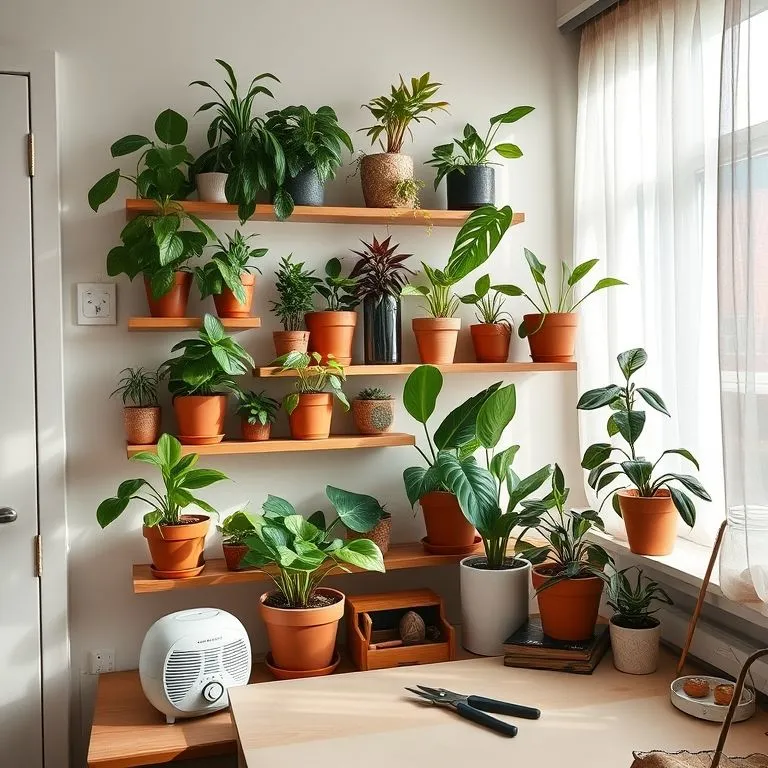
Care routines and checklists that stick
Good news: you don’t need more time—you need a rhythm. These simple templates make Indoor foliage plants care predictable, so your indoor foliage plants stay lush without constant guesswork.
Weekly, monthly, seasonal templates you can copy
Weekly (10–15 minutes)
- Moisture check at two points; water when the top 1–2 inches are dry
- Rotate 90° for even growth and sturdier stems
- Wipe leaves; quick pest scan (undersides, nodes, new growth)
- Airflow check: small fan on low, away from direct drafts
- Note one observation in your plant log (new leaf, perk, droop)
Monthly
- Flush with plain water to clear fertilizer salts
- Feed at half strength (during active growth)
- Inspect roots and drainage holes; clear blockages
- Clean humidifier and calibrate your hygrometer
- Reassess light with a meter app as the sun’s angle changes
Seasonal
- Spring: Repot if rootbound; refresh into an airy mix and add slow‑release fertilizer
- Summer: Raise humidity (50–60%) and expect faster drinking; increase airflow
- Fall: Extend watering intervals as light fades; keep temps stable
- Winter: Add/adjust a grow light; hold fertilizer; avoid cold glass and heat vents
Result: A few minutes a week protects the foliage plants indoor benefits you’re after—calmer rooms, richer color, and steady new leaves.
Measure what matters—light meters, moisture meters, hygrometers
- Light (the boss)
- Target bright, indirect: 200–600 foot‑candles (2,000–6,000 lux)
- Use a phone light‑meter app at noon in your plant’s exact spot
- If readings sit below ~200 FC, add a full‑spectrum LED 12–14 hrs/day
- Moisture (the peacekeeper)
- Meters are guides, not gospel; cross‑check with the finger test at 1–2 inches
- Learn the “pot weight test”: heavy after watering, noticeably lighter when it’s time to water
- Hydrophobic soil? Bottom‑soak 15–30 minutes to rehydrate evenly
- Humidity (the glow factor)
- Aim for 50–60% RH for most indoor foliage plants
- Place a hygrometer near leaf level; use a small cool‑mist humidifier as needed
- Gentle airflow prevents fungus and keeps leaves tough, not brittle
Troubleshooting flowchart—what to check first when issues appear
Start here and move step by step:
- Light: Are you below 200 FC? Move closer to a window or add a grow light.
- Moisture: Is the mix wet for days or bone‑dry and pulling from pot sides?
- Wet: pause watering, increase airflow, consider a chunkier mix
- Dry: deep soak, then resume cue‑based watering
- Soil and pot: Do you have real drainage and a breathable blend?
- Pests: Check undersides and nodes; treat early with insecticidal soap or horticultural oil
- Water quality: Hard/softened water? Flush monthly; try filtered or rainwater
- Roots: Rootbound or rotting? Repot into a pot 1–2 inches wider with an airy mix
- ID check: Use Foliage house plants identification basics to confirm species needs before you tweak further
Make one change at a time, then observe for 7–10 days. That’s how you learn what actually works for your indoor foliage plants.
Printable cheat sheet for Indoor foliage plants care
- Light: 200–600 FC, rotate weekly
- Water: top 1–2 inches dry → water to 10–20% runoff; empty saucers
- Mix: ~50% potting mix, 25% perlite/pumice, 25% fine bark
- Humidity: 50–60% RH; gentle airflow
- Feed: half strength every 2–4 weeks in active growth; flush salts monthly
- Repot: every 12–18 months or when roots circle
- Tools: light meter app, hygrometer, moisture meter (optional), microfiber cloth
- Log: note changes weekly to spot patterns fast
Next steps and action plan for indoor foliage plants success
Ready to move from “trying” to thriving? Use this quick plan to choose plants that fit your light, automate your routine, and keep Foliage plant care effortless.
Pick 3 Best indoor foliage plants matched to your light and space
Bright, indirect (south/west window with sheers; 400–800 FC)
- Monstera deliciosa (statement), Rubber Plant (upright), Philodendron ‘Micans’ (trailing)
Medium light (east window or a few feet back; 200–400 FC)
- Heartleaf Philodendron, Pothos (green forms), Aglaonema
Low light (north window or interior + LED; 100–200 FC)
- ZZ Plant, Snake Plant, Parlor Palm (add a small grow light for best color)
Sizing rule
- Desks/shelves: 4–8 inch pots (compact roots, easier cadence)
- Floors/corners: 10–14 inch pots (add stakes or a moss pole for climbers)
Match first by light, then by footprint. That’s how indoor foliage plants feel “easy” from day one.
Set reminders and track growth—make Foliage plant care effortless
- Calendar cadence: weekly moisture check, monthly flush/feeding, seasonal light reassessment
- Photo log: snap the same angle monthly to spot progress (or problems) early
- Sensor snapshot: record lux, RH, and room temp once a week; adjust before issues snowball
- Habit hooks: tie plant checks to existing routines (Saturday coffee, midweek tidy)
Tip: Small data beats big guesses. Two minutes of notes will save you hours of troubleshooting later.
Build your toolkit—pots, mixes, pest control, and storage
Essentials you’ll actually use:
- Pots with drainage + matching saucers; nursery pot inside a cachepot for easy runoff control
- Airy, peat‑free mix (coco coir, perlite/pumice, fine bark)
- Balanced liquid fertilizer (half strength), measuring spoon
- Hygrometer and optional moisture meter
- Insecticidal soap or horticultural oil; sticky traps; 70% isopropyl and cotton swabs
- Microfiber cloth and sterilized shears; small fan for airflow
Store supplies in a small caddy so care takes minutes, not motivation.
Your 7‑day quick start to revive indoor foliage plants
Day 1: Measure light (FC/lux) in your best spots; move plants accordingly
Day 2: Deep clean leaves, check pests, set a fan on low for airflow
Day 3: Water by cues—rehydrate hydrophobic pots with a 15–30 minute bottom soak
Day 4: Flush one pot fully to clear salts; note runoff clarity and adjust feeding
Day 5: Refresh the top 1–2 inches of soil on your thirstiest plant
Day 6: Stake or trellis stretchers; rotate every pot 90°
Day 7: Log changes; set weekly and monthly reminders; choose one upgrade (grow light, hygrometer, or soil mix)
Follow this, and your indoor foliage plants will repay you with steadier growth, glossier leaves, and fewer surprises—proof that simple, consistent Indoor foliage plants care beats constant heroics every time.
conclusion:
If there’s one takeaway, it’s this: most problems with indoor foliage plants don’t require heroics—they need alignment. When light, moisture, and an airy mix work together, leaves stay glossy, growth steadies, and your care routine feels easy. And that’s the real magic of Indoor foliage plants care: fewer guesses, more calm wins, and all the foliage plants indoor benefits you actually want in your space.
Your evergreen playbook:
- Light: Prioritize bright, indirect light. If your best spot still reads dim at midday, add a small grow light and rotate plants weekly.
- Water: Follow cues, not the calendar—top 1–2 inches dry, then water thoroughly and drain fully.
- Soil and pot: Use a breathable blend and real drainage; size up only 1–2 inches when repotting.
- Humidity and airflow: Aim for 50–60% RH with gentle air movement to deter fungus and mites.
- Feed and flush: Half‑strength fertilizer during active growth; flush salts every 6–8 weeks.
- Quick scan: Wipe leaves monthly and check undersides for pests before they multiply.
When something feels “off,” troubleshoot in this order:
- Light → 2) Moisture → 3) Soil/pot → 4) Pests → 5) Water quality → 6) Roots. Make one change, observe 7–10 days, then adjust again. This is Foliage plant care that builds confidence, fast.
What’s your next best move?
- Pick 2–3 Best indoor foliage plants that match your brightest spot and available floor/shelf space.
- Set simple reminders for weekly moisture checks and monthly flush/feeding.
- Upgrade one variable today—better light placement, a chunkier soil mix, or a small humidifier—and watch your plants respond.
You started this guide to figure out why indoor foliage plants falter. Now you have a clear plan to make them thrive. Keep the rhythm steady, track small improvements, and enjoy the steady payoff: richer color, bigger leaves, and a calmer, more intentional home. With consistent Indoor foliage plants care—and a few smart tweaks when issues appear—your indoor foliage plants can be the most reliable, rewarding part of your room.
Dennis P. Hansen
Dennis P. Hansen is a home gardener with a genuine passion for plants and the simple pleasure of growing them. He enjoys caring for houseplants, succulents, and other plants at home while continually learning from everyday gardening experiences. Dennis likes to share practical plant care tips, useful observations, and simple solutions that can help others grow healthier plants. He believes that caring for plants is a rewarding journey and that there is always something new to learn along the way.