
All About dracaena plant indoor care How to Tend Indoors


Table of Contents
Introduction:
Dracaena plant indoor care can be remarkably simple once you know what the plant is telling you. Are you seeing brown tips, yellowing leaves, or a cane leaning toward the window? In this guide, we’ll show you how to tend indoors with confidence—setting the right light, watering rhythm, and soil mix so your dracaena looks lush, not stressed.
Think of this as your practical playbook: you’ll learn to read the leaves, dial in bright, indirect light, and avoid root rot with a well‑draining potting mix and low‑fluoride water. We’ll also cover how to balance humidity, when to fertilize, and the moments to prune, repot, and even propagate cuttings—so every step feels clear and doable in real life.
Here’s what you’ll master next:
- Light and placement: bright, indirect light, safe distance from windows, and how to rotate to prevent leaning.
- Watering, soil, and humidity: a simple watering schedule, well‑draining potting mix, and the humidity sweet spot to stop crispy tips.
- Nutrition, pruning, and repotting: gentle fertilizer, shaping leggy canes, and repot timing that prevents stress.
- Troubleshooting and routine: quick fixes for brown tips and droop, plus effective pest control for spider mites, thrips, and mealybugs.
By the end, dracaena plant indoor care will feel second nature, and you’ll have a routine you can run on autopilot—glossier foliage, steadier growth, fewer surprises. Ready to transform your plant? Let’s start with light and placement, the foundation of great dracaena plant indoor care.
Dracaena plant indoor care essentials: light, placement, temperature
Light is the single biggest lever in dracaena plant indoor care. Get it right and everything else—watering, feeding, even pest resistance—gets easier. Not sure if your plant is in the sweet spot? Let’s dial in bright, indirect light and a stress‑free setup you can replicate in any room.
Set the right light: bright, indirect rays for steady growth
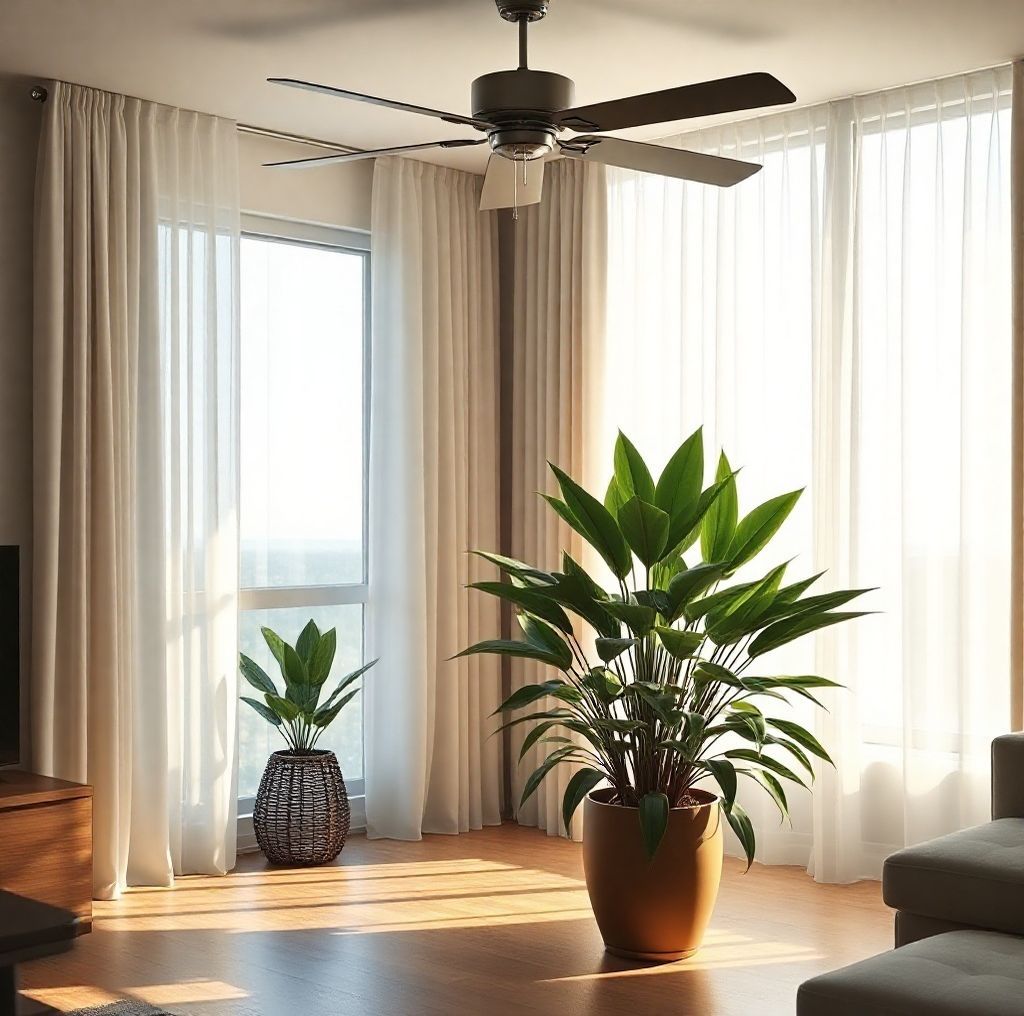
Dracaenas thrive in bright, indirect light—think daylight that’s filtered by a sheer curtain or bounced off a wall. In practical terms:
- Target 800–2,000 lux (≈75–185 foot‑candles) at plant height for reliable growth.
- Minimum 300–500 lux to maintain foliage; variegated types prefer the upper end.
- Morning sun is gentler than afternoon sun; protect from harsh, direct rays.
Quick 60‑second light test:
- Open blinds at midday and stand where the plant sits.
- Shadow check: a soft, fuzzy shadow = bright indirect; crisp edges = too direct.
- Use a free lux meter app at leaf height. If it reads 800–2,000 lux, you’re golden.
Pro tips:
- Clean leaves monthly to boost light capture and prevent dust‑shading.
- If windows are limited, add a small LED grow light (4–6 inches above the canopy, 10–12 hours/day).
- Rotate the pot a quarter‑turn weekly so growth stays even and upright.
Best placement by room: windows, distance, and height tips
Room choice and window direction matter for dracaena plant indoor care. Use these simple distances as a starting point and adjust by what the leaves tell you.
By window direction:
- East‑facing: 2–5 ft from the window—ideal “set and forget” brightness.
- South‑facing: 5–8 ft back with a sheer curtain to diffuse midday intensity.
- West‑facing: 6–8 ft or filtered; afternoon sun is strong and can scorch.
- North‑facing: 0–2 ft from glass; consider supplemental LED in darker months.
By room:
- Living room/home office: place near bright windows, angled so canes don’t lean.
- Bedroom: keep 2–4 ft from an east or south window for quiet, steady light.
- Low‑light corners: elevate on a plant stand and use a slim LED bar for a gentle boost.
Height & positioning:
- Aim to center the top leaves around mid‑window height for even exposure.
- Keep leaves 4–6 inches off cold glass in winter.
- Rotate weekly and avoid tucking the plant deep into shadowy corners.
Manage temperature and airflow to prevent stress
Dracaenas like the same conditions you do—stable, mild, and draft‑free.
- Temperature: 65–80°F (18–27°C) by day; don’t let it drop below 55°F (13°C).
- Humidity: 40–60% is comfortable; a pebble tray or nearby humidifier helps in dry seasons.
- Airflow: gentle circulation is good; direct blasts from AC, heaters, or door drafts are not.
- Stability: avoid abrupt swings of 10°F or more in a single day.
Small upgrades that make a big difference:
- Use a thermometer/hygrometer to track microclimate at plant height.
- Shift the pot away from vents, radiators, and frequently opened doors.
- In summer, a ceiling fan on low keeps air moving without chilling leaves.
Spot and fix light issues: scorch, pale leaves, leaning canes
Plants talk. Here’s how to “listen” and respond fast:
- Leaf scorch (brown, crispy patches on the sunny side):
Move the plant back 1–3 ft, add a sheer curtain, and water before the soil gets bone dry. - Pale leaves, slow growth, fading variegation:
Increase brightness (closer to an east/south window) or add a 10–12 hr LED. Clean dust from leaves. - Leaning canes or lopsided growth:
Rotate the pot 90° weekly and strengthen light from above. Stake temporarily if needed. - Long gaps between leaves (leggy):
Light is too low—boost exposure. Consider top‑pruning and re‑rooting cuttings to refresh shape.
Master these light, placement, and temperature basics, and dracaena plant indoor care becomes low‑effort and high‑reward—lush leaves, steady growth, fewer surprises.
Watering, soil, and humidity for dracaena plant indoor care
When it comes to dracaena plant indoor care, water, soil, and humidity work as a team. Get the trio right and you’ll see glossy leaves, steady growth, and far fewer problems—no guesswork, no drama. Ready to build a routine you can actually stick to?
Simple watering rhythm by season and pot size—avoid root rot
Think rhythm, not rigid schedule. Your home’s light, temperature, and pot size set the tempo.
How to set your cadence:
- Check the top third of the pot: water when it’s dry. In a 9-inch-tall pot, that’s roughly the top 3 inches.
- Lift test: learn the “dry weight” vs. “just-watered” weight—your most reliable cue.
- Skewer test: insert a wooden chopstick to the bottom; if it comes out mostly clean, it’s time.
Typical ranges (adjust to your space):
- Spring–summer, bright room: every 7–12 days for 4–6″ pots; 10–16 days for 8–10″ pots.
- Fall–winter, lower light: every 14–21 days; let the mix dry a bit deeper.
Watering technique that prevents root rot:
- Water slowly until 15–20% drains from the holes; wait 10 minutes, then empty the saucer.
- Never let the pot sit in water. Consistent saturation equals suffocated roots.
- If you rely on a moisture meter, calibrate it with the lift/skewer tests for accuracy.
Quick diagnostics:
- Overwatered: limp leaves, mushy roots, sour smell, soil that stays wet for days.
- Underwatered: curling or drooping leaves, dry soil pulling from the pot’s edges.
- Fix overwatering by improving drainage and spacing out waterings; fix underwatering by thorough, even soaking until runoff.
Build a well-draining potting mix and choose the right container
Dracaena hate soggy feet. A loose, airy mix keeps oxygen flowing and roots happy.
A reliable mix (by volume):
- 40% coco coir or peat-free base for moisture balance
- 30% perlite or pumice for drainage
- 20% fine bark for structure and aeration
- 10% worm castings or a light compost for nutrients (optional)
Container choices that help you win:
- Drainage holes are non-negotiable—use a grow pot inside a decorative cachepot if you love a sleek look.
- Terracotta breathes and dries faster (great for heavy-handed waterers).
- Glazed ceramic or plastic retain moisture longer (useful in drier homes).
- Size smart: size up 1–2 inches in diameter only when roots circle the pot or growth slows.
Pro tips:
- Mix in a small amount of horticultural charcoal to help buffer salts.
- If soil stays wet more than 5–7 days, increase the proportion of perlite or pumice.
Create the humidity sweet spot without over-misting
You don’t need rainforest air. Aim for comfortable, consistent humidity, not wet leaves.
Targets and tactics:
- Aim for 40–60% relative humidity—perfect for both you and the plant.
- Use a pebble tray (pot on stones above waterline) or a room humidifier set to 45–50%.
- Group plants to create a mild “humidity bubble.”
- Keep away from heater vents and blasting AC—constant drafts dehydrate leaf edges.
Why not mist?
Frequent misting raises humidity for minutes, not hours, and can leave water spots or invite fungal issues. Instead, wipe leaves monthly to remove dust and improve gas exchange.
Stop brown tips: use low-fluoride water and flush salts
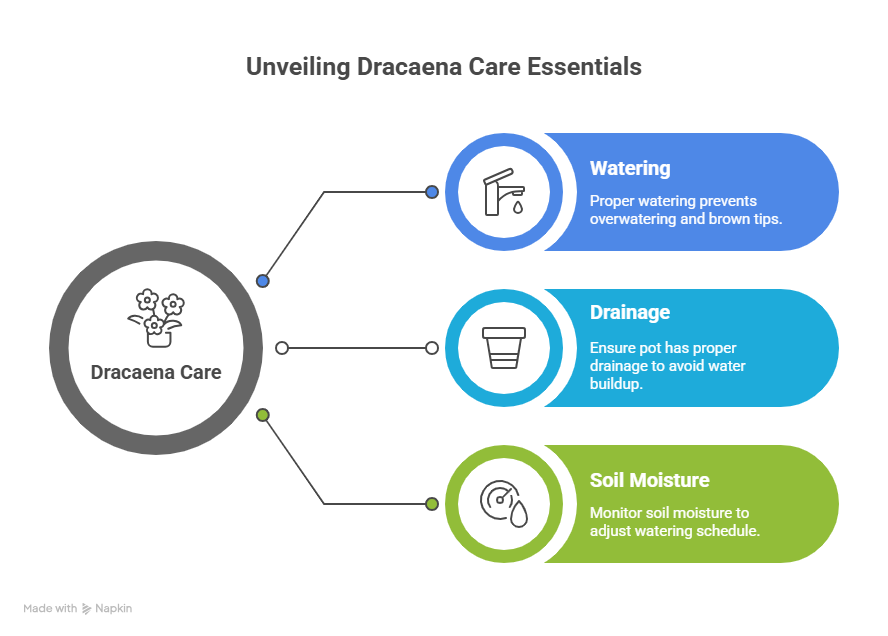
Brown, crispy tips are the most common complaint in dracaena plant indoor care—and they’re fixable.
Water quality matters:
- Use distilled, rain, or filtered water if your tap water is high in fluoride or salts.
- Avoid superphosphate fertilizers (they can contain fluoride). Choose a balanced, gentle feed (e.g., 3‑1‑2) at 1/4 strength during active growth.
Leach the soil to purge buildup:
- Every 4–6 weeks, take the plant to the sink or shower and slowly run water through the pot—about 3x the container’s volume—then let it drain thoroughly.
- Watch for a white crust on soil or pot rims; that’s a sign salts are accumulating.
Edge-case fixes:
- If tips are brown but the center growth is healthy, trim the damaged tips following the leaf’s natural shape.
- Combine low-fluoride water with steadier humidity and proper drying cycles for a lasting cure.
Dialing in water, soil, and humidity transforms dracaena plant indoor care from guesswork into a simple, repeatable routine. Do this well and the rest of your dracaena plant indoor care—pruning, feeding, and styling—becomes almost effortless.
Nutrition, pruning, and repotting for dracaena plant indoor care
When light and watering are dialed in, nutrition, pruning, and repotting turn okay plants into standout showpieces. This is the part of dracaena plant indoor care where you fine-tune growth, shape, and long-term health. Want fuller foliage, thicker canes, or a clean, modern silhouette? Let’s make it happen.
Fertilizer timing and dilution for slow, steady growth
Dracaenas are light feeders. Think “low and slow” rather than heavy feeding.
- When to feed: spring through early fall, pausing in winter or low-light periods.
- What to use: a balanced, gentle liquid fertilizer (e.g., 3‑1‑2 or 2‑1‑2) at 1/4 strength every 4–6 weeks.
- Slow-release option: a 3–6 month prill at half label rate, applied in spring.
- Water quality: avoid high-fluoride sources and high-phosphate blends; both can trigger brown tips.
Smart fertilizer rules:
- Feed only when the plant is actively growing (new leaves, visible elongation).
- Never fertilize a bone-dry root ball—lightly moisten first to prevent burn.
- Flush salts every 4–6 weeks by running water through the pot (3x pot volume) and draining thoroughly.
- After repotting, wait 4–6 weeks before resuming fertilizer to let roots settle.
Signs to watch:
- Underfed: pale, smaller leaves and slower-than-usual growth in bright conditions.
- Overfed: crispy tips, white crust on soil, and stalled growth—flush and reduce dosage.
Tip: Nutrient uptake is light-driven. If light is low, reduce frequency even if your schedule says “it’s time.”
Prune leggy canes and propagate cuttings for fuller plants
Pruning is your shortcut to density and symmetry. When you “top” a dracaena cane, it usually sprouts 1–3 new heads below the cut—perfect for filling in a sparse plant.
How to prune for fullness:
- Choose a height and cut 1/4–1/2 inch above a node with clean, sharp shears.
- For a natural look, stagger the heights of multiple canes (e.g., 20″, 28″, 36″).
- Seal is optional—let the cut callus in place; keep the plant in bright, indirect light.
Propagate your trimmings:
- Tip cuttings: 4–8 inches with at least 2 nodes; strip lower leaves.
- Mid-cane cuttings: 3–6 inch segments laid horizontally or stood upright (mark the top end).
- Rooting method:
- Water: place in clean water, change weekly, pot up when roots are 1–2 inches.
- Soil: use an airy mix (perlite + coco + bark), keep evenly moist, and dome for humidity.
- Rooting hormone helps but isn’t required; expect 3–8 weeks for roots depending on species and temperature.
Advanced option: air layering
- For thick, top-heavy canes, remove a 1/2 inch ring of bark above a node, wrap with moist sphagnum and plastic, and wait 4–8 weeks. When roots fill the moss, cut below the layer and pot the new top.
Post-prune care:
- Bright, indirect light and steady moisture (not soggy) speeds branching.
- Resume normal feeding once you see active regrowth.
Repot at the right time: root check and step-by-step method
Dracaenas don’t mind being a bit snug, but they do need fresh, airy soil every 18–24 months. Repot in spring for the smoothest recovery.
Repot signals:
- Roots circling the pot, soil drying unusually fast, or water running straight through.
- Soil compaction, topple-prone canes, or a visible salt crust.
The ideal mix and pot:
- Mix (by volume): 40% coco coir, 30% perlite or pumice, 20% fine bark, 10% worm castings (optional).
- Pot size: upsize 1–2 inches in diameter only; always use drainage holes.
- Pot material: terracotta for faster drying; plastic/ceramic for more moisture retention.
Step-by-step:
- Water lightly the day before to ease removal.
- Slide out the root ball; loosen outer roots and trim only dead, mushy sections.
- Add a layer of fresh mix; set the plant so the original soil line stays level.
- Backfill, tapping the pot to remove air pockets—don’t bury canes deeper than before.
- Water thoroughly until 15–20% drains; empty the saucer.
- Park in bright, indirect light and skip fertilizer for 4–6 weeks.
- If canes wobble, stake gently at two points until roots re-anchor.
Troubleshooting:
- If roots are brown and soft, remove damaged portions and repot into a drier, chunkier mix. Ease off watering while the plant recovers.
Shape and style: multi-cane looks, height control, and staking
Dracaena’s architectural canes make styling fun and forgiving. Decide on your vibe—sleek, layered, or lush—and prune with intention.
Style playbook:
- Multi-cane dracaena: prune different cane heights to create a staggered, sculptural profile.
- Fuller top: top each cane once; allow 2–3 new heads per cane, then pinch lightly to maintain shape.
- Height control: top the tallest cane just below the desired height; re-root the top as a new plant.
- Clean lines: remove weak inner shoots and cross-growth to let light reach all heads.
Support and symmetry:
- Rotate the pot 90° weekly to prevent leaning and lopsided crowns.
- Use discreet stakes or a slim support rod for tall varieties (e.g., Dracaena fragrans, D. marginata) after a repot or heavy prune.
- In low light, reduce height expectations—shorter, denser plants hold their shape better.
Master these moves and you’ll unlock the sculptural potential of dracaena plant indoor care—healthier roots, controlled height, fuller canopies, and a plant that looks intentional from every angle. With thoughtful feeding, timely pruning, and smart repotting, dracaena plant indoor care runs on autopilot while your plant keeps looking its best.

Troubleshooting and care routine: solutions that work
Even with great habits, plants throw curveballs. The good news? Most issues in dracaena plant indoor care are fixable in a few thoughtful steps. Use the quick checks below to diagnose fast, act confidently, and keep your routine simple and repeatable.
Fast fixes for yellow leaves, brown tips, and droopy canes
Start with a 60‑second triage:
- Moisture check: insert a wooden skewer to the bottom—if it comes out wet, pause watering; if clean and dry, it’s time to water.
- Light check: bright, indirect light is your baseline; move closer to an east/south window or add a small LED if growth is slow.
- Pot and drainage: confirm drainage holes and empty saucers—standing water = root stress.
Now, match the symptom to the fix:
- Yellow leaves
- Bottom leaves only? Normal aging—remove by hand or snip cleanly.
- New growth yellowing or entire plant pale? Increase light, water when the top third of soil is dry, and feed lightly during active growth. Consider low‑fluoride water if tips also brown.
- Brown tips and crispy edges
- Likely low humidity, salt/fluoride buildup, or erratic drying.
- Solutions: aim for 40–60% humidity, flush the soil every 4–6 weeks, and switch to filtered, distilled, or rainwater. Trim damaged tips following the leaf shape.
- Droopy canes or limp leaves
- Soft, mushy stems + wet soil = overwatered dracaena; improve drainage, repot into an airy mix, and reduce frequency.
- Very dry soil + curling leaves = underwatered; give a deep, thorough soak until 15–20% drains out, then resume your normal cadence.
- Faded variegation or long gaps between leaves
- Light is too low. Move closer to bright, indirect light or run an LED 10–12 hours/day. Rotate weekly to keep canes upright and even.
Quick, repeatable care routine (5–10 minutes):
- Weekly: check soil moisture, rotate the pot 90°, wipe dust from a few leaves.
- Biweekly: inspect leaf undersides for pests; empty and clean the saucer.
- Monthly: flush salts, clean the outer pot, and review light levels as seasons shift.
Dracaena plant indoor care becomes predictable when you root your decisions in data—moisture at the root zone, steady light, and consistent drainage.
Pest control that works: spider mites, thrips, mealybugs
Catching pests early saves you weeks of recovery. Look for these telltale signs:
- Spider mites: speckled, sandpapery leaves and fine webbing at nodes.
- Thrips: silvery streaks, deformed new leaves, black specks (frass).
- Mealybugs: cottony clusters in leaf axils and along stems.
Take action in this order:
- Isolate the plant to prevent spread.
- Wash: a lukewarm shower or a sink rinse, focusing on undersides of leaves.
- Wipe: dab visible pests with 70% isopropyl alcohol on a cotton swab.
- Treat: apply insecticidal soap or neem oil (azadirachtin) to all surfaces; repeat every 7 days for 3–4 cycles to break life stages.
- Monitor: place yellow sticky traps nearby (handy for thrips), and inspect weekly under bright light.
Prevention that pays off:
- Quarantine new plants for 2–3 weeks.
- Improve airflow (gentle, not drafty) and avoid overfertilizing—lush, tender growth attracts pests.
- Keep leaves clean; dust shelters mites and thrips.
Note: If an infestation persists and you don’t have pets or small children around, a labeled indoor systemic may be an option. Always follow product instructions precisely.
Pet safety: dracaena is toxic—smart placement and handling
Dracaena contains saponins that can cause vomiting, drooling, and lethargy if chewed by cats or dogs. Safety tips that fit into everyday dracaena plant indoor care:
- Placement: elevate on sturdy stands or shelves; avoid trailing leaves within paw reach.
- Training and barriers: use pet deterrent sprays or room dividers where needed.
- Clean‑up: promptly remove shed leaves—crinkly tips can be tempting to play with.
- If ingested: contact your veterinarian or a pet poison helpline for guidance.
Photo strategy and alt text: dracaena plant indoor care, brown tips, overwatered dracaena
Well‑chosen images boost user trust and help search engines understand your content.
What to photograph:
- A healthy plant in bright, indirect light (your ideal setup).
- Close‑ups of brown tips vs. crisp, healthy margins.
- A before/after of an overwatered dracaena after repotting into a chunky mix.
- Pest IDs: spider mite webbing, mealybug clusters, thrips scarring.
How to write alt text (natural, descriptive, keyword‑aware):
- “Dracaena plant indoor care — bright indirect light near an east window.”
- “Brown tips on dracaena leaf caused by salts and low humidity.”
- “Overwatered dracaena with soft cane before repotting into well‑draining soil.”
- “Spider mite webbing on dracaena node, treated with insecticidal soap.”
With a clear triage process, consistent monitoring, and smart visuals, dracaena plant indoor care shifts from reactive to proactive—healthier leaves, fewer surprises, and a routine you can run on autopilot.
conclusion:
You’ve got everything you need to turn dracaena plant indoor care into a simple, repeatable system. When you lead with light, follow with smart watering, and support with airflow and nutrition, the plant rewards you with glossy foliage and calm, steady growth. And if something slips—brown tips, a droop, or a pest—you now have a fast path back to healthy.
Your evergreen checklist (save this):
- Light: aim for bright, indirect light near an east or south window; rotate weekly. If variegation fades, nudge closer or add an LED.
- Water: wait until the top third of soil is dry; soak thoroughly, then drain 15–20%. Use low‑fluoride water and flush salts every 4–6 weeks to prevent brown tips and root rot.
- Soil + pot: choose well‑draining soil in a pot with holes; terracotta for faster drying, ceramic/plastic for more moisture retention.
- Humidity + temp: keep 40–60% RH and 65–80°F (18–27°C); avoid vents, heaters, and cold glass.
- Feeding: in spring–early fall, use a gentle, balanced fertilizer at 1/4 strength; pause in winter or low light.
- Pruning + styling: top leggy canes to encourage branching; propagate cuttings and stake temporarily after big trims.
- Pests: check undersides weekly; if you spot spider mites, thrips, or mealybugs, isolate, rinse, and treat in 7‑day intervals until clear.
- Safety: dracaena is toxic to pets—elevate out of reach and clear fallen leaves promptly.
A 7‑day reset to lock in results:
- Re‑site the plant for brighter, indirect light; clean the leaves.
- Calibrate watering with a lift or skewer test; set reminders.
- Refresh the top inch of mix or amend for better drainage.
- Flush the soil to clear salts; switch to low‑fluoride water.
- Trim damaged tips and shape leggy canes; start a cutting.
- Inspect for pests; treat if needed and improve airflow.
- Note your wins—less lean, perkier leaves—and schedule your next check‑in.
With this rhythm, dracaena plant indoor care shifts from guesswork to intention: fewer emergencies, more mindful tweaks. Bookmark this guide, take a quick light and moisture reading each week, and adjust in small steps. Which improvement will you try today—moving closer to bright, indirect light, flushing salts, or refreshing that well‑draining soil? Make one change, observe for a week, and enjoy the compounding gains of thoughtful dracaena plant indoor care.
Dennis P. Hansen
Dennis P. Hansen is a home gardener with a genuine passion for plants and the simple pleasure of growing them. He enjoys caring for houseplants, succulents, and other plants at home while continually learning from everyday gardening experiences. Dennis likes to share practical plant care tips, useful observations, and simple solutions that can help others grow healthier plants. He believes that caring for plants is a rewarding journey and that there is always something new to learn along the way.