
What Exotic Indoor Plants Make Your Décor Feel More Alive?


Table of Contents
Introduction
Have you ever walked into a room and felt the atmosphere shift simply because of one beautiful plant? That’s the magic of exotic indoor plants—they don’t just decorate a space, they transform it. Unlike ordinary houseplants, these unique varieties bring personality, vibrancy, and even a sense of wonder to your home. From the elegance of tropical flowers to the playful charm of weird indoor plants, they invite curiosity and breathe life into spaces that might otherwise feel plain or lifeless.
But what makes these plants so special? Beyond their beauty, exotic indoor plants can improve air quality, enhance mood, and serve as natural focal points in your décor. Imagine turning a dull corner into a lush, tropical retreat where the colors pop, the leaves tell stories, and the environment feels more alive every day—you don’t have to wait for an outdoor garden to enjoy that.
In this guide, we’ll explore the most intriguing choices, from iconic favorites like the Dracena plant to surprising species that thrive indoors with minimal upkeep. Along the way, we’ll answer questions curious plant lovers often ask, such as Which plant removes airborne mold? Or what’s the most unkillable indoor plant? By the end, you’ll discover not just what to grow, but also how to style and care for these plants so they elevate your living spaces naturally.
Why Exotic Indoor Plants Transform Your Living Space
Unique Beauty of Tropical Plants and Tropical Flowers Indoors
There’s a reason interior designers often reach for exotic indoor plants when giving a space that final, perfect touch. Unlike typical houseplants, these gems showcase the unique beauty of tropical plants—lush leaves, intricate patterns, and unexpected shapes that instantly stand out. Many varieties even mimic the appeal of tropical flowers, offering bursts of vibrant color and natural elegance that brighten up any corner.
What makes them extraordinary isn’t just their looks—it’s the way they bring nature’s diversity indoors. A single exotic plant can act like a piece of living art, changing the entire feel of your home environment without adding clutter.
How Exotic Indoor Plants Add Vibrancy and Life to Dull Décor
If your space feels bland, exotic indoor plants are the easiest solution. Their vivid shades of green, combined with dramatic leaf structures, create depth and movement in a room that might otherwise feel flat. Instead of simply decorating, they energize the entire atmosphere.
Here’s how they work their magic:
- Color contrast: Their bold foliage pops against neutral walls.
- Natural flow: Broad leaves and trailing stems add a sense of motion.
- Mood shift: The presence of live greenery has been shown to reduce stress and boost productivity.
In short, they don’t just fill space—they wake it up. A dull room can suddenly feel like a retreat, buzzing with fresh energy.
Why Gen Z Is Obsessed with Plants (Cultural and Lifestyle Factors)
It’s impossible to ignore the booming plant trend among younger generations. So, why is Gen Z obsessed with plants? For many, exotic indoor plants are more than just décor—they’re lifestyle companions. This generation values wellness, sustainability, and individuality, and plants deliver all three.
- Wellness focus: Caring for greenery encourages mindfulness and stress relief.
- Aesthetic value: Unusual varieties, including rare tropical plants, double as statement pieces for Instagram-worthy spaces.
- Eco-conscious mindset: Growing weird indoor plants at home aligns with sustainable living practices.
In a digital-heavy world, plants give Gen Z a tangible way to nurture and connect with nature, right inside their apartments or dorm rooms. It’s a trend that feels less like fashion and more like a cultural movement.

What Is the Most Exotic House Plant? (Exploring Eye-Catching Choices)
Weird Indoor Plants That Make Bold Design Statements
When it comes to exotic indoor plants, sometimes the stranger they look, the better the design impact. Imagine walking into a room and seeing a plant with twisted stems, striped leaves, or geometric patterns you’ve never noticed in nature before. These weird indoor plants aren’t just foliage—they’re conversation starters and bold style statements.
Some great examples include:
- Lithops (Living Stones): Their pebble-like forms look more like rocks than plants.
- Zebra Plants: With their striking striped foliage, they add instant drama to minimalist spaces.
- Pitcher Plants: Unusual and fascinating, they bring a touch of wilderness indoors.
Choosing one of these strange beauties ensures your décor is anything but ordinary.
Tropical Plants Grow a Garden Feel Inside Your Home
One of the reasons exotic indoor plants are so beloved is their ability to bring the outdoors inside, creating the lush feeling of a personal jungle. Many tropical plants thrive in indoor environments if given the right light and humidity, transforming even a small apartment into a vibrant oasis.
Perfect choices for that tropical vibe include:
- Bird of Paradise: Large, paddle-like leaves create a striking centerpiece.
- Monstera Deliciosa (Swiss Cheese Plant): Its iconic perforated leaves add greenery and architectural drama.
- Anthurium: Known for glossy leaves and bright, long-lasting tropical flowers.
Planting these varieties together can make your living space feel like a garden retreat—without ever stepping outside.
Weird Plants That Double as Conversation Starters
Think plants can’t be both exotic and entertaining? Think again. Some weird plants are so unusual in form or behavior that they immediately get guests talking. For example:
- Sensitive Plant (Mimosa pudica): Its leaves fold inward when touched, an interactive, playful feature.
- Air Plants (Tillandsia): They thrive without soil, clinging to wood, shells, or simply hanging in the air.
- Corkscrew Albuca: Fascinating spiral leaves make this tiny plant look like nature’s toy.
These species are proof that exotic indoor plants can be both stylish and fun—perfect for anyone who wants décor that sparks curiosity.
Why the Dracena Plant Is Still a Timeless Favorite
Among exotic indoor plants, the Dracena plant stands as a classic that refuses to go out of style. With its elegant, sword-shaped leaves and adaptable growing habits, it balances the line between exotic flair and practical reliability.
Why it remains timeless:
- Low maintenance: It tolerates occasional neglect, making it beginner-friendly.
- Versatile décor fit: Works equally well in sleek modern homes and cozy traditional spaces.
- Purifying power: Helps improve air quality, adding both health and beauty benefits.
The Dracena may not be the “weirdest” plant on the list, but it delivers consistent charm, proving that exotic doesn’t have to mean high maintenance.
In this section, we see that exotic indoor plants come in all shapes and personalities—ranging from wonderfully weird to tropically lush and classically timeless. The best part? No matter which style you choose, they all bring unmatched character to your home.
Exotic Indoor Plants That Improve Health and Air Quality
What Plant Removes 78% of Airborne Mold? (Scientific Insights)
One of the most fascinating benefits of exotic indoor plants is their natural ability to act as air purifiers. For example, studies have highlighted that the Areca Palm and varieties of Dracena are particularly effective at filtering toxins and pollutants from the air. In fact, NASA’s clean air studies revealed that some houseplants are capable of removing up to 78% of airborne mold spores and harmful chemicals within just 24 hours.
When you think about it, these plants aren’t just decorative—they’re working silently in the background to make environments healthier, fresher, and more comfortable for you and your family.
Benefits of Exotic Indoor Plants on Indoor Air Quality
Beyond mold control, the impact of exotic indoor plants on your living environment is remarkable. They perform a variety of functions that go beyond aesthetics:
- Remove toxins: Certain species absorb chemicals like formaldehyde, benzene, and trichloroethylene.
- Boost humidity: Through natural transpiration, they add moisture to the air, which helps reduce dry skin and respiratory irritation.
- Increase oxygen: Plants release oxygen during the day, enhancing the air you breathe and supporting better concentration.
- Lower stress: Research shows that greenery reduces anxiety, improves focus, and uplifts mood.
It’s not just about having greenery for style—it’s about creating a space that truly nurtures your well-being.
Tropical Flowers That Refresh Both Mood and Atmosphere
While leafy favorites clean the air effectively, incorporating tropical flowers adds another dimension. Bright blooms like Anthuriums, Peace Lilies, or even Orchids not only purify but also spark joy with their color and fragrance. Imagine the uplifting feeling of stepping into a room filled with glossy leaves and bursts of pink, red, or white blossoms.
These flowering varieties don’t just look exotic; they feel exotic—reminding you of a tropical getaway and infusing your space with positivity. Paired with non-flowering exotic indoor plants, they balance the practical benefits of cleaner air with the emotional benefits of beauty and calm.
With their ability to purify air, add humidity, and improve your mental outlook, exotic indoor plants prove themselves as more than just decorative pieces—they’re partners in healthier, happier living.
Easy-to-Grow Exotic Indoor Plants for Beginners
What Is the Most Unkillable Indoor Plant?
If you’re new to houseplants, diving into care routines may feel overwhelming. The good news? Some exotic indoor plants are practically unkillable. One of the most forgiving options is the Snake Plant (Sansevieria). Perfect for beginners, this hardy beauty can thrive on neglect—surviving low light conditions and enduring long stretches without water.
Another contender for “unkillable” status? The ZZ Plant (Zamioculcas zamiifolia). It’s resilient, drought-tolerant, and happy in indirect light, making it the perfect match for busy plant owners or, let’s be real, the occasional forgetful waterer.
Exotic Indoor Plants That Are Surprisingly Low-Maintenance
Not all lush greenery requires a green thumb. Some exotic indoor plants look intricate but demand very little attention:
- Peace Lily: Elegant, glossy leaves and the bonus of air-purifying power.
- Pothos (Epipremnum aureum): Grows beautifully even in low light and tolerates irregular care.
- Dracena plant varieties: Known for their dramatic foliage and ability to adapt easily to different lighting.
You don’t need daily care rituals to enjoy exotic beauty—just consistent basic attention.
Weird Indoor Plants That Thrive on Minimal Care
Some weird indoor plants may look intimidating, but don’t let their unusual shapes fool you—they’re secretly easy to grow.
Fun options for beginners include:
- Living Stones (Lithops): They resemble pebbles but add quirky charm without needing frequent water.
- Air Plants (Tillandsia): Soil-free plants that require only the occasional mist or soak.
- Corkscrew Albuca: With fascinating spiral leaves, it thrives with basic light and low watering needs.
These unique species don’t just decorate your home; they spark curiosity and become instant conversation starters.
Pairing Dracena Plant with Other Tropical Plants for Effortless Beauty
Looking to elevate your space without extra effort? Pairing the Dracena plant with other tropical plants creates harmony indoors. The Dracena adds vertical drama with its spiky leaves, while companion plants such as Bird of Paradise, Anthuriums, or Monstera provide a lush, layered look.
This combination offers a balanced design: the bold structure of Dracena paired with broad, leafy greenery or bright tropical flowers. Together, they create the effect of a designed indoor garden—with minimal upkeep required.
For beginners, the key takeaway is simple: exotic indoor plants don’t have to be intimidating. With a few carefully chosen varieties—some nearly impossible to kill—you can transform your space into a lush indoor retreat while learning the joy of plant care at your own pace.
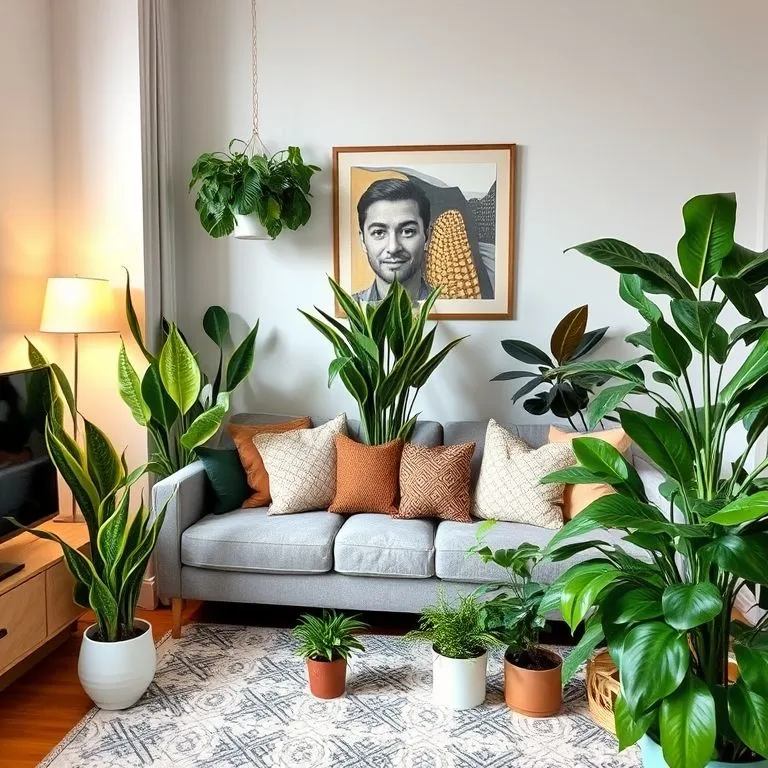
Styling Your Home with Exotic Indoor Plants
Choosing the Right Spots for Dramatic Impact
When styling with exotic indoor plants, placement is everything. Choosing the right spot allows the plant’s unique texture and form to steal the show while blending effortlessly with your décor.
A few great placements include:
- Corners: A tall Dracena or Monstera instantly fills awkward empty corners.
- Entryways: Creating a lush, welcoming “hello” for guests.
- Windowsills: Adding vibrancy with smaller species that thrive in filtered light.
The secret is to allow exotic plants to act like living sculptures—drawing the eye where you want it most.
Mixing Weird Plants with Traditional Houseplants for Contrast
A clever way to maximize style is blending weird plants with classic favorites. Imagine a quirky Air Plant suspended over a more traditional Peace Lily, or a collection of Lithops (living stones) displayed next to a delicate Fern. The contrast between unusual and traditional creates visual balance and excitement.
By combining exotic indoor plants with familiar varieties, you keep your décor fresh yet approachable—blending personality with timeless charm.
How Tropical Plants Grow a Garden Look Inside Small Apartments
Small spaces don’t need to limit your creativity. In fact, tropical plants excel at making even compact apartments feel like lush retreats. With the right arrangement, your living room can mimic a mini indoor jungle.
Tips for achieving a garden vibe indoors:
- Use tall tropical plants like Bird of Paradise to frame the space.
- Layer mid-sized species such as Anthuriums for texture.
- Mix in hanging greenery to expand height and depth without using floor space.
With just a few carefully chosen exotic indoor plants, you can create the look and atmosphere of a full tropical garden indoors, no matter your square footage.
Using Tropical Flowers as Living Décor Accents
Décor doesn’t stop with furniture and art—the pops of color from tropical flowers can tie a room together better than any accessory. Orchids, Anthuriums, and Bromeliads are striking examples that serve both as plants and living bouquets.
- Brighten neutral palettes with colorful orchids.
- Elevate tabletops with Anthuriums’ sculptural blossoms.
- Bring energy into dark corners with the vibrant hues of Bromeliads.
These flower-bearing exotic indoor plants add beauty and freshness while keeping your décor dynamic and evolving with each new bloom.
Whether you’re styling a minimal apartment or a cozy home, exotic indoor plants give you flexibility and flair. From filling corners to creating indoor gardens or adding bursts of floral color, they transform everyday living spaces into vibrant, natural sanctuaries.
Expert Tips for Keeping Exotic Indoor Plants Alive and Thriving
Watering Schedules for Exotic Indoor Plants in Varied Climates
Watering is one of the most important factors in keeping exotic indoor plants happy. The tricky part? Different climates demand different approaches. If you live in a dry, arid region, your plants may need more frequent hydration to stay lush. In contrast, humid climates mean the soil takes longer to dry, so overwatering becomes the biggest risk.
A good starting point is this simple rule:
- Tropical varieties: Water when the top inch of soil feels dry.
- Succulent-like exotics: Allow more drying time between waterings.
- General tip: Always use pots with drainage holes to prevent root rot.
Instead of a strict schedule, think of watering as checking in—your plant will tell you what it needs by the soil condition and leaf texture.
Soil and Light Conditions to Mimic Tropical Habitats
Many exotic indoor plants come from lush, tropical habitats where soil is rich and light is filtered through tree canopies. To mimic their natural home, focus on two essentials:
- Soil: Use a well-draining potting mix with organic matter like peat moss or compost to hold moisture without getting soggy.
- Light: Place plants near bright, indirect light sources. Direct sun will scorch leaves, while too little light will limit growth.
For example, the vibrant Dracena plant thrives in filtered, indirect light and does well when its soil is consistently moist yet airy. Mimicking these conditions indoors helps your plants feel more “at home.”
How to Revive Struggling Weird Indoor Plants
Even with the best care, sometimes plants start to droop or yellow. Don’t panic—your weird indoor plants can usually bounce back with the right interventions.
Steps to revive struggling plants:
- Trim off damaged leaves to redirect energy into fresh growth.
- Check roots—if they’re mushy, root rot may be the issue, so trim and repot in fresh soil.
- Adjust watering to avoid extremes of too much or too little.
- Relocate the plant to improve light quality.
Often, minor tweaks can transform an unhealthy plant into a thriving one again.
Why Pruning and Repotting Are Vital for Longevity
If you want your exotic indoor plants to truly thrive year after year, pruning and repotting are essential. Think of them as haircuts and new shoes—they keep everything healthy and properly supported.
- Pruning: Regularly snip leggy stems and dead leaves to stimulate fuller growth.
- Repotting: Refresh roots every 1–2 years by moving to a slightly larger pot with refreshed soil. This prevents the plant from becoming root-bound and ensures nutrient availability.
Not only do these practices prolong plant life, but they also help maintain the aesthetic appeal of your decorative setup.
With just a little knowledge and attention to watering, habitat conditions, rescue techniques, and maintenance, your exotic indoor plants will reward you with long-lasting beauty and vitality.

Conclusion
As we’ve explored, exotic indoor plants are far more than decorative accents—they are powerful style enhancers, mood lifters, and even natural air purifiers. From the quirky charm of weird indoor plants that spark curiosity to the bold elegance of tropical flowers that brighten dull corners, each choice you make adds new life and character to your home.
Think about your own space for a moment: is there a corner that feels empty or a room that needs energy? Imagine the transformation when you introduce a lush Monstera, an eye-catching Dracena, or a cluster of colorful Anthuriums. These green companions don’t just fill space—they change how your home feels, creating harmony, vibrancy, and comfort.
The best part? Many exotic indoor plants are surprisingly low-maintenance, making it easy even for beginners to enjoy their beauty. With just the right placement, a little consistent care, and perhaps a mix of unusual varieties alongside classics, you can design a living environment that looks refreshing and feels alive every single day.
So as you plan your décor, ask yourself: why settle for ordinary when extraordinary is within reach? By weaving in the right mix of exotic greenery, you’re not just decorating a house—you’re cultivating a lively sanctuary that reflects your personality, nurtures your well-being, and impresses everyone who steps inside.
This conclusion ties together all the blog’s themes—style, health, personality, and ease of care—while reinforcing the value of exotic indoor plants as problem-solvers and atmosphere-creators. It leaves readers inspired, curious, and ready to act.
Dennis P. Hansen
Dennis P. Hansen is a home gardener with a genuine passion for plants and the simple pleasure of growing them. He enjoys caring for houseplants, succulents, and other plants at home while continually learning from everyday gardening experiences. Dennis likes to share practical plant care tips, useful observations, and simple solutions that can help others grow healthier plants. He believes that caring for plants is a rewarding journey and that there is always something new to learn along the way.