
How to Use Fungicides for Indoor Plants: 7 Pro Tips


Table of Contents
Introduction:
Spotted powdery mildew, fuzzy mold, or black leaf spots on your favorite ficus? You’re not alone—and you don’t have to guess your way through treatments. With the right fungicides for indoor plants, applied at the right time and in the right way, you can stop disease fast while keeping your home safe and your foliage pristine.
In this guide, we’ll make fungicides for indoor plants simple and practical. You’ll learn how to match product to problem, avoid common missteps, and build a routine that prevents outbreaks in the first place. Wondering, “What is the best fungicide for indoor plants?” or “Can I spray fungicide on indoor plants?” We’ll answer both—clearly—and show you how to get spotless results without risking burn, odors, or residue.
Here’s what you’ll take away:
- Diagnose first, treat second: how do you treat fungus in indoor plants with confidence (and when cultural fixes beat chemicals).
- Choose smarter: when to use a contact spray vs a Systemic fungicide for Indoor plants, and how to rotate modes of action to avoid resistance.
- Go gentle when you can: where a Natural fungicide for indoor plants shines, and when to escalate to targeted synthetics.
- Apply with precision: coverage, timing (morning/evening), and ventilation so indoor treatments stay safe and effective.
- Protect roots, not just leaves: when a fungicide for indoor plants root rot drench helps—and when repotting and drainage are the real fix.
By the end, you’ll have a clean, step-by-step plan, plus seven pro tips that turn guesswork into a crisp routine. If you’ve ever hesitated to use fungicides for indoor plants because the labels felt intimidating, this walkthrough is your shortcut to calm, confident care—and the lush, spotless growth to prove it.
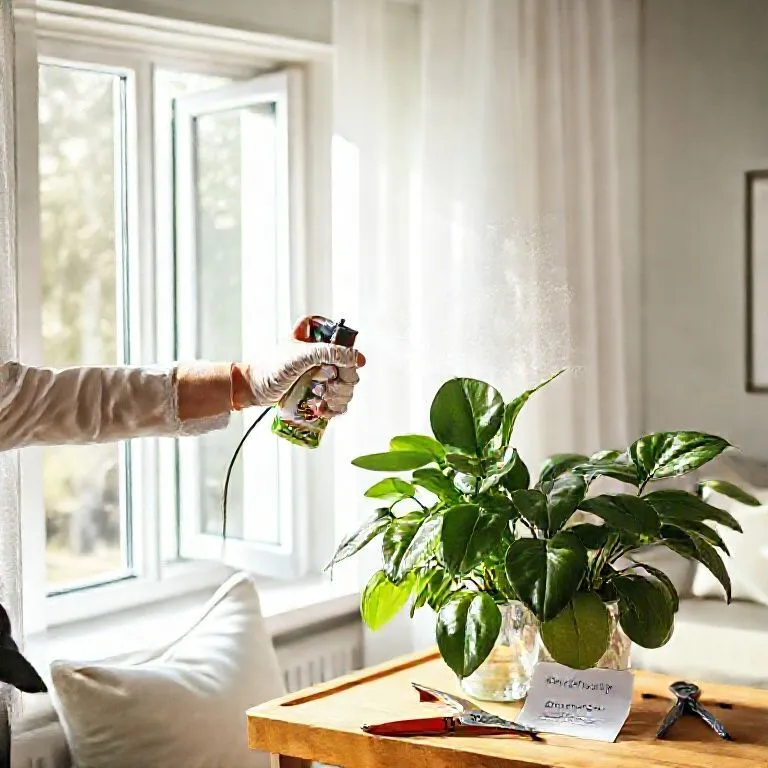
Fungicides for indoor plants — essentials, safety, and when to treat
When leaf spots spread overnight or powdery mildew dusts your leaves, it’s tempting to spray first and ask questions later. But smart, low‑risk results come from a simple sequence: diagnose, isolate, improve conditions, then treat. Used this way, fungicides for indoor plants become precise tools—not guesswork.
How do you treat fungus in indoor plants? Diagnose, isolate, and act fast
Get the diagnosis right before you reach for anything.
- Identify the issue
- Powdery coating that wipes off = powdery mildew
- Tan/black circles with yellow halos = leaf spot
- Gray fuzz on petals/leaves = Botrytis (gray mold)
- Wilting in wet soil with brown roots = root rot
- Isolate the plant to prevent spread; keep good airflow.
- Prune and discard infected tissue (bag it; don’t compost). Sterilize shears between cuts.
- Clean leaves (damp cloth) so sprays contact the surface evenly.
- Adjust culture now: water at the soil line, increase light, and avoid splashing.
- Choose treatment based on disease and plant sensitivity:
- Contact protectants (sulfur, copper soaps, potassium bicarbonate, bio‑based Bacillus/Trichoderma) for early‑stage foliar issues
- Systemic options for persistent leaf spots and rusts when labeled for indoor use
- Plan 2–3 follow‑ups at label intervals; one spray rarely solves it.
These steps alone reduce pressure so fungicides for indoor plants can finish the job quickly and safely.
Can I spray fungicide on indoor plants? Coverage, intervals, and ventilation
Yes—if the product is labeled for indoor use and you respect safety basics.
- Pre‑spray checklist
- Read the label end to end; note the target diseases and “indoor” directions.
- Spot‑test on 1–2 leaves; wait 24–48 hours for any burn.
- Protect surfaces; open a window and run a small fan across the room.
- Wear gloves; keep children and pets away until leaves are dry (follow re‑entry guidance).
- Application that works
- Fine, even mist to near‑runoff; cover tops and undersides of leaves.
- Spray in the morning or evening—never under harsh midday sun through glass.
- Maintain intervals (often 7–14 days) until new growth emerges clean.
- What to avoid
- Mixing products unless the label allows it
- Spraying stressed, underwatered, or recently repotted plants
- Overusing oils in high heat or low light (risk of phytotoxicity)
Handled this way, fungicides for indoor plants stay effective, low‑odor, and household‑friendly.
Systemic fungicide for Indoor plants vs contact fungicides: when each shines
Use the right mode of action for the job—and rotate to prevent resistance.
- Contact fungicides
- How they work: sit on the surface, protect new infections, and may suppress early outbreaks.
- Best for: powdery mildew, light leaf spot, preventative use after pruning.
- Pros: fewer resistance issues; many “natural” or bio‑based options.
- Watch‑outs: require thorough coverage and repeat applications.
- Systemic fungicide for Indoor plants
- How they work: move within tissues to protect new growth or stop established infections.
- Best for: stubborn leaf spot/rust, infections inside the leaf, some stem diseases.
- Pros: longer protection; less reliance on perfect spray coverage.
- Watch‑outs: stricter label rules; rotate FRAC groups to avoid resistance.
Pro tip: Track what you use. Rotate FRAC codes every 2–3 applications and pair with strong cultural care to keep sprays minimal.
Fungicide for indoor plants root rot: when to drench vs fix watering and drainage
Root rot is as much a watering problem as a pathogen problem. Treat the cause and the consequence.
- Fix the environment first
- Let soil dry to appropriate levels; improve drainage (perlite/pumice), and size pots correctly.
- Water at the base; empty saucers promptly; increase light and airflow.
- Assess roots
- Healthy = firm, white/tan; rotted = brown/black, mushy, foul odor.
- Trim rot with sterile scissors and repot into fresh, airy mix if damage is moderate to severe.
- When to drench
- Use only products labeled for drench and for the target (e.g., Pythium/Phytophthora).
- Apply to evenly moist soil, then avoid overwatering while roots recover.
- Consider bio‑controls (Trichoderma, beneficial microbes) as gentler, longer‑term allies.
- What not to rely on
- Repeated “rescue” drenches while habits stay the same. Without drainage and watering fixes, rot returns.
With sound watering and drainage, a targeted fungicide for indoor plants root rot can help reset the balance. Without those cultural changes, no bottle can keep roots healthy for long.
Bring it all together: diagnose cleanly, tidy the plant, optimize conditions, and then choose precise, labeled fungicides for indoor plants. This order of operations protects your space, your plant, and your results.
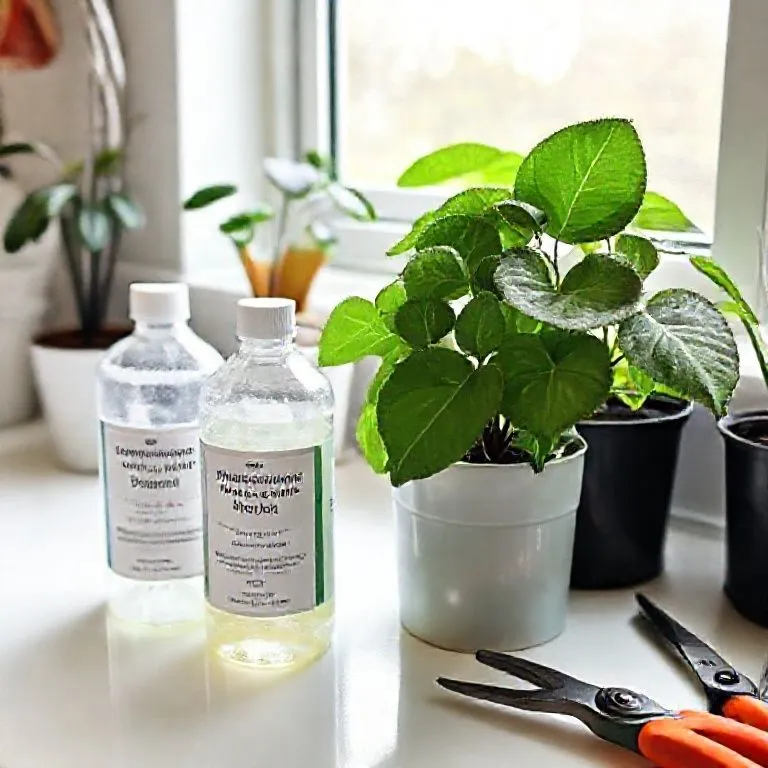
Choose smarter — Best fungicide for indoor plants by problem and plant
Choosing fungicides for indoor plants shouldn’t feel like guesswork. The “best” product is the one that matches your disease, your plant, and your space. Below, we map common problems to proven actives, highlight indoor‑safe picks, and clarify where natural options shine—and where they don’t.
What is the best fungicide for indoor plants? Match product to disease (mildew, leaf spot, blights)
Match symptoms first, then choose a targeted active. Keep coverage even, rotate modes of action, and follow the label.
- Powdery mildew (white, talc‑like film)
- Potassium bicarbonate (fast knockdown; gentle on foliage)
- Horticultural oils (paraffinic) or neem oil (suppression; avoid heat/intense sun)
- Biofungicides (Bacillus amyloliquefaciens/Bacillus subtilis) for prevention and mild cases
- Avoid sulfur on ferns, schefflera, or when temps are high
- Leaf spot/anthracnose (tan/black lesions, yellow halos)
- Copper soap (copper octanoate) as a protectant; low odor when used properly
- Biofungicides (Bacillus strains, Trichoderma) for early infections and rotation
- Systemic options (if labeled for indoor ornamentals) for persistent/recurrent spots
- Gray mold/Botrytis (gray fuzz, petals/leaves)
- Prune and improve airflow first; then potassium bicarbonate or biofungicide
- Sanitize tools/surfaces; avoid evening overhead misting
- Downy mildew/oomycetes (yellowing with fuzzy undersides)
- Phosphite (phosphorous acid) products labeled for indoor ornamentals
- Copper soap as a protective partner; increase light and reduce humidity
The best fungicide for indoor plants is specific to the pathogen and your conditions. If you’re unsure, start with a biofungicide + potassium bicarbonate rotation and tighten cultural care.
Best fungicide for plants vs fungicides for indoor plants: indoor-safe, low-odor picks
Not every “garden” product belongs in your living room. Prioritize indoor‑safe formulations and practical handling.
- What to look for
- “For indoor ornamentals/houseplants” on the label
- Low‑odor, water‑based RTU (ready‑to‑use) or concentrates with clear dilution rates
- Non‑staining formulas; short re‑entry time once leaves are dry
- Modes of action you can rotate (contact protectant + bio + systemic if needed)
- Smart short list for apartments/closed rooms
- Potassium bicarbonate (fast, low residue)
- Biofungicides (Bacillus species, Trichoderma) for prevention/early stages
- Copper soap used sparingly as a protectant (avoid buildup on sensitive plants)
- Systemic fungicide for Indoor plants only when the label permits indoor use and you have ventilation
- What to skip indoors
- Strong solvent‑based sprays, heavy odors, or products without indoor directions
- Broad‑spectrum combos unless the label specifically approves indoor use
When in doubt, default to bio‑based options and protectants, then escalate cautiously. That’s how fungicides for indoor plants stay effective and household‑friendly.
Natural fungicide for indoor plants: bio-based options and limits
Natural doesn’t mean weak—it means you’ll rely on prevention, timing, and consistency.
- Biofungicides
- Bacillus amyloliquefaciens/B. subtilis: colonize leaf surfaces; suppress mildew and leaf spots; great for rotation
- Trichoderma harzianum: root‑zone ally for damping‑off and general resilience
- Minerals and salts
- Potassium bicarbonate: rapid mildew control; works best with thorough coverage
- Sulfur and copper soap: effective protectants; watch for plant sensitivity and don’t overuse
- Limits to respect
- Curative power is modest—necrotic spots won’t turn green again
- Frequent reapplication (7–14 days) and clean leaves/airflow are essential
Used proactively, a Natural fungicide for indoor plants can keep disease pressure low—often enough that you never need to reach for stronger chemistry.
What is the strongest natural fungicide? Evidence-backed oils/extracts and cautions
Some botanical oils pack a punch—but precision matters.
- Strong contenders (evidence‑backed)
- Thyme oil (thymol) and clove oil (eugenol): robust against mildew/spot in trials
- Rosemary/cinnamon oil blends: broad suppression on foliage
- Neem oil: fungistatic and insecticidal; better for prevention than heavy cure
- Safe use guidelines
- Dilute per label (often 0.5–1% oil in water with an emulsifier)
- Spot‑test 24–48 hours; avoid direct midday sun and heat
- Skip on thin‑leaved ferns, some succulents, and blooms prone to burn
- Rotate with biofungicides or potassium bicarbonate to avoid overexposure
Botanical oils can be among the strongest “natural” tools—just remember that even natural products demand discipline. Combine them with airflow, sanitation, and the right intervals to get professional results from fungicides for indoor plants.
How to use fungicides for indoor plants: 7 pro tips for safer, stronger results
Great results don’t come from spraying more—they come from spraying smarter. These seven pro tips turn fungicides for indoor plants into a precise, low‑risk routine that actually sticks.
Tip 1–2: Read labels, spot-test leaves; dose precisely to avoid burn
- Read the label like a pro
- Confirm your target disease is listed (mildew, leaf spot, blights, rot).
- Verify indoor directions, spray vs drench use, and re‑entry time.
- Note the FRAC group (for rotation), intervals, and max applications per season.
- Check plant sensitivities (e.g., oils on ferns) and mixing restrictions.
- Spot‑test and measure accurately
- Test on 1–2 leaves; wait 24–48 hours for any leaf burn or spotting.
- Measure concentrates with a syringe or measuring spoon for precise dosing—never “eyeball.”
- Use clean, room‑temp water; avoid very hard water that can reduce performance or mark leaves.
- Keep your sprayer dedicated to fungicides for indoor plants and label it to avoid cross‑contamination.
Tip 3–4: Time applications (morning/evening) and rotate FRAC groups to prevent resistance
- Perfect the timing
- Spray in the morning or evening so leaves dry gradually without heat stress.
- Open a window and run a small fan across the room (indirectly) for gentle airflow.
- Aim for fine, even coverage to near‑runoff on tops and undersides of leaves.
- Rotate modes of action (FRAC)
- Treat in “blocks”: 1–2 applications of a given FRAC group, then rotate to a different group.
- Track what you use in a simple log: product, FRAC, date, plant response.
- If you escalate to a Systemic fungicide for Indoor plants, still rotate FRAC and avoid back‑to‑back use beyond label limits.
Tip 5–6: Prep first—prune, clean leaves, boost airflow; choose spray vs drench correctly
- Prepare the plant and space
- Isolate the plant, prune infected tissue, and sanitize shears between cuts.
- Wipe leaves with a damp cloth so sprays contact the surface evenly.
- Increase spacing and airflow; water at the soil line to avoid splashing disease around.
- For Natural fungicide for indoor plants (oils/salts), avoid intense sun through glass for 24 hours.
- Choose the right delivery (spray vs drench)
- Foliar diseases (powdery mildew, leaf spot): spray leaves thoroughly; repeat at label intervals.
- Root issues (damping‑off, Pythium/Phytophthora): use a fungicide for indoor plants root rot as a drench only if the label allows it, and fix drainage/watering habits first.
- Biofungicides (e.g., Bacillus/Trichoderma) excel as preventatives—great in rotation or in the root zone after repotting.
Tip 7: Post-care—stagger feeding, manage humidity/light, and track outcomes
- Lock in results with smart aftercare
- Pause fertilizer for 3–5 days post‑spray; resume at half strength if the plant looks perky.
- Keep indoor humidity in a moderate range (around 40–55%) and give bright, indirect light to speed drying and recovery.
- Rinse any visible residues gently after 24–48 hours if the label permits.
- Score progress weekly: new growth clean? fewer spots? If not, adjust timing, switch FRAC groups, or refine coverage.
Used thoughtfully, fungicides for indoor plants are powerful allies. Diagnose first, prep well, rotate intelligently, and your plants—and your home—stay spotless with minimal fuss.
DIY, routines, and prevention that reduce disease pressure long-term
Great news: most outbreaks shrink when you pair smart culture with targeted products. Think of fungicides for indoor plants as the finishing touch—not the whole plan. Here’s how to mix safe DIY options, decide when to buy pro‑grade, and build a routine that keeps disease pressure low for good.
How do you make indoor plant fungicide? Safe DIY basics vs when to buy pro-grade
You can make a few gentle, effective mixes at home. But some problems need labeled products. Use this guide to choose wisely.
- Safe DIY basics (foliar issues like powdery mildew)
- Potassium bicarbonate spray (preferred over baking soda)
- Mix: 1 teaspoon potassium bicarbonate + 1/2 teaspoon mild, non‑ionic soap in 1 quart (1 liter) water.
- Use: Fine mist to near‑runoff; repeat every 7–10 days. Spot‑test first.
- Clarified hydrophobic neem or horticultural oil (preventative/suppression)
- Mix: 1–2 teaspoons oil + a few drops emulsifying soap per quart water (≈0.5–1% solution).
- Use: Evening/morning only; avoid heat/intense sun through glass for 24 hours.
- Potassium bicarbonate spray (preferred over baking soda)
- What not to DIY indoors
- Vinegar/milk/bleach mixes: odor, residue, and phytotoxicity risks.
- Sulfur and copper “home brews”: imprecise dosing and surface staining. Use labeled copper soap if needed.
- When to buy pro‑grade
- Persistent leaf spots, downy mildew, or infections inside tissue.
- Choose indoor‑safe RTU or concentrates with clear directions (biofungicides, potassium bicarbonate, copper soap).
- Reserve Systemic fungicide for Indoor plants for tough, labeled targets and always with good ventilation.
Used thoughtfully, DIY options complement fungicides for indoor plants—saving money while keeping your space safe and odor‑light.
Natural fungicide for indoor plants you can mix at home (with precautions)
Natural works best with consistency and clean technique.
- Two reliable mixes
- Potassium bicarbonate (rapid mildew knockdown)
- Recipe: 1 tsp potassium bicarbonate + 1/2 tsp mild soap in 1 qt water.
- Notes: Wipe leaves first; spray tops/undersides; reapply in 7–10 days.
- Botanical oil spray (neem/paraffinic/thyme oil formulations)
- Recipe: 1–2 tsp oil + a few drops emulsifier per qt water.
- Notes: Spot‑test 24–48 hours. Skip on tender ferns and blooms.
- Potassium bicarbonate (rapid mildew knockdown)
- Precautions that matter
- Never mix oils with sulfur products or apply within 2–3 weeks of each other.
- Avoid back‑to‑back heavy sprays in low light—risk of leaf burn.
- Dirty leaves = poor contact. Always wipe before you spray.
Natural fungicide for indoor plants shines as a preventative or in mild cases; severe, spreading infections usually need labeled biofungicides or copper soap in rotation.
Integrate fungicides for indoor plants with cultural care—watering rhythm, sanitation, and airflow
Stronger culture = fewer sprays. Lock in these habits and you’ll notice calmer, cleaner growth.
- Watering rhythm
- Water at the soil line; bottom‑water when possible to avoid splashing spores.
- Let the top 1–2 inches dry between waterings (plant‑appropriate).
- Empty saucers within 10 minutes; improve drainage with perlite or pumice.
- Sanitation and spacing
- Prune infected tissue promptly; bag and bin it. Sterilize shears between cuts (70% alcohol).
- Wipe leaves weekly with a damp microfiber cloth.
- Quarantine new plants 7–10 days; monitor under bright, indirect light.
- Airflow and light
- A small fan on low across the room speeds surface drying.
- Give bright, indirect light; rotate plants weekly for even exposure.
- Root-zone protection
- For chronic wet feet or damping‑off, fix the mix and pot size first; a fungicide for indoor plants root rot drench only helps when culture is corrected.
- Simple cadence
- Weekly: inspect/prune/wipe, check moisture, update treatment log (product + date + response).
- Every 7–14 days (only if needed): reapply per label, then reassess.
This integration keeps fungicides for indoor plants effective while reducing how often you need them.
Storage, re-entry intervals, and household safety for kids and pets
Small safety steps make treatments stress‑free in a shared space.
- Storage
- Keep products in original containers with intact labels; store cool, dry, and locked away from kids and pets.
- Don’t decant into food/drink bottles. Check expiration dates seasonally.
- Mixing and cleanup
- Mix only what you’ll use today; rinse measuring tools over the sink with plenty of water (unless label advises otherwise).
- Never pour concentrates down drains; follow local disposal guidance on the label.
- Re‑entry intervals and ventilation
- Most indoor‑safe products allow re‑entry once leaves are dry—verify on the label.
- Open a window and run a small fan during and after application; cover aquariums and move pet cages away from the area.
- Personal protection
- Wear gloves; consider glasses/respirator if you’re sensitive.
- If splashed on skin, wash with soap and water. If ingested or in eyes, follow the label’s first‑aid instructions and contact poison control.
Handle, apply, and store fungicides for indoor plants with the same care you’d give your plants—precise, calm, and consistent—and you’ll get clean leaves and peace of mind.
FAQ
Quick answers you can use today—so fungicides for indoor plants stay effective, safe, and stress‑free.
How often should I reapply fungicide once symptoms fade?
Keep treating through one full flush of clean new growth, then shift to prevention.
- Typical intervals
- Contact/bicarbonate/copper soap: every 7–14 days
- Biofungicides (Bacillus/Trichoderma): every 7–10 days
- Systemics (when labeled for indoor use): 10–21 days, per label
- After symptoms fade
- Continue for 1–2 more cycles to protect new leaves
- Move to preventive sprays only when conditions favor disease (humid weeks, crowded shelves)
- Pro tip: If you changed watering/airflow, you’ll need fewer applications. That’s the real power move with fungicides for indoor plants.
Can I mix insecticide and fungicide in one spray safely?
Sometimes—but only if both labels say it’s permitted.
- Do this first
- Check both labels for “tank mix” compatibility and indoor directions
- Jar test: mix small amounts in a glass jar; look for clumping, heat, or separation
- Spot‑test on a few leaves and wait 24–48 hours
- Never mix
- Oils with sulfur (or within 2–3 weeks of each other)
- Strong alkaline mixes (e.g., high rates of bicarbonate) with copper soap
- Products that lack indoor ornamentals directions
- Often better: alternate days (e.g., fungicide today, insecticidal soap 48 hours later). When in doubt, keep fungicides for indoor plants and pest controls separate to avoid burn.
Will fungicides reverse existing leaf damage?
No. Fungicides stop spread; they don’t “heal” dead tissue.
- What to expect
- Spots may dry, turn tan, or remain visible
- New leaves should emerge clean if control is working
- Make it look better
- Prune worst leaves (bag and bin); wipe remaining foliage to improve coverage next time
- Feed lightly once growth resumes
- Reminder: Natural fungicide for indoor plants and biofungicides are great for prevention; they won’t restore damaged tissue.
When should I repot after a severe infection?
Repot for root problems; not usually for leaf‑only issues.
- Repot now if
- Roots are mushy, brown/black, or foul‑smelling (classic rot)
- Soil stays wet for days and drainage is poor
- How to repot (quick checklist)
- Unpot; trim rotten roots with sterile scissors
- Rinse gently; repot into a fresh, airy mix (potting mix + perlite/pumice)
- Water lightly; improve light and airflow
- Consider a labeled fungicide for indoor plants root rot drench after repotting, only if the product permits soil drenches
- For leaf diseases only: refresh the top layer, prune, and clean—no full repot needed unless the mix is exhausted.
How do I know if resistance is developing and it’s time to rotate products?
Watch the trend, not one spray.
- Red flags
- No reduction in new spots after 2 correctly timed applications
- Disease spreads despite good coverage and improved culture
- You’ve used the same active/FRAC group repeatedly across weeks
- Fix it fast
- Switch to a different FRAC group (e.g., rotate from a contact protectant to a biofungicide, or to a Systemic fungicide for Indoor plants if labeled)
- Tighten culture: lower humidity, increase airflow, and water at the soil line
- Verify dose, pH, and coverage; dirty leaves = poor contact
- Simple rotation plan
- Block A (2 apps): potassium bicarbonate or copper soap
- Block B (2 apps): biofungicide (Bacillus/Trichoderma)
- Block C (1–2 apps): labeled systemic if needed—then back to Block A or B
- Log dates/products/results so fungicides for indoor plants stay effective long‑term
Keep it consistent, keep it gentle, and let your culture do the heavy lifting. With smart habits plus targeted fungicides for indoor plants, you’ll enjoy spotless foliage and calmer maintenance.
Conclusion:
You’ve got everything you need to treat confidently, prevent wisely, and keep foliage flawless. The real win with fungicides for indoor plants isn’t a single “miracle” spray—it’s a calm, repeatable system: diagnose first, tidy the plant and space, then apply the right product with precision and follow-through.
Still wondering, “How do you treat fungus in indoor plants?” Start by naming the disease, improving airflow and watering habits, and only then choosing a product that fits the job. Prefer gentle options? A Natural fungicide for indoor plants (like potassium bicarbonate or a biofungicide) shines for prevention and early cases. Facing persistent leaf spots or downy issues? A Systemic fungicide for Indoor plants—used exactly as labeled—can protect new growth from the inside. Dealing with soggy roots? A fungicide for indoor plants root rot drench helps only after you fix drainage and watering.
And yes, “Can I spray fungicide on indoor plants?” Absolutely—when the label permits indoor use, with a window open, light protective gear, and a quick spot-test. That small discipline is what keeps treatments effective, odor-light, and safe for shared spaces.
Use this 10-minute action plan to lock in results:
- Inspect and clean: prune damaged tissue, wipe leaves, and space plants for airflow.
- Match product to problem: pick the Best fungicide for indoor plants for your disease (contact or bio for mild cases, systemic for stubborn ones).
- Apply with intent: fine, even coverage at morning or evening; follow intervals and total application limits.
- Rotate smartly: switch FRAC groups after 1–2 applications to sidestep resistance.
- Track outcomes: note dates, products, and plant response so you know what truly works in your environment.
Keep culture doing the heavy lifting—water at the soil line, let the top layer dry, and keep tools and shelves clean—and you’ll find you need fungicides for indoor plants less often over time. Within a couple of cycles, the proof shows up as spotless new growth and calmer maintenance.
Ready to move from troubleshooting to prevention? Choose one plant, one product, and one small habit to improve today. Stay consistent, rotate thoughtfully, and let fungicides for indoor plants be the precise, confidence-boosting tools they’re meant to be.
Dennis P. Hansen
Dennis P. Hansen is a home gardener with a genuine passion for plants and the simple pleasure of growing them. He enjoys caring for houseplants, succulents, and other plants at home while continually learning from everyday gardening experiences. Dennis likes to share practical plant care tips, useful observations, and simple solutions that can help others grow healthier plants. He believes that caring for plants is a rewarding journey and that there is always something new to learn along the way.