
10 Easy White Flower Plants to Grow at Home


Table of Contents
Introduction:
Ever wondered how to add a touch of elegance to your home without the hassle of high-maintenance gardening? White flower plants offer a stunning solution—delicate, timeless, and surprisingly easy to care for. Whether you’re a seasoned gardener or a beginner eager to start, white flower plants can transform your space into a serene oasis. But with so many options available, how do you choose the right white flower plants for your home? This guide explores 10 of the most beginner-friendly white flower plants, from low-maintenance varieties that thrive indoors to resilient outdoor favorites. Discover how these blooms can enhance your living environment, boost your mood, and even symbolize purity and peace. Ready to uncover the secrets of growing beautiful white flower plants? Let’s dive in.

Why White Flower Plants Are Perfect for Beginners
Ever wondered how to add a touch of elegance to your home without the hassle of high-maintenance gardening? White flower plants offer a stunning solution—delicate, timeless, and surprisingly easy to care for. Whether you’re a seasoned gardener or a beginner eager to start, white flower plants can transform your space into a serene oasis. But with so many options available, how do you choose the right white flower plants for your home?
Discover the beauty of white flower plant varieties
White flower plants come in a dazzling array of shapes, sizes, and scents. From the delicate petals of white lilies to the cascading blooms of white jasmine, each variety brings its own unique charm. Here are a few standout options:
- Peace Lily: A low-maintenance plant that thrives in indirect light and purifies the air.
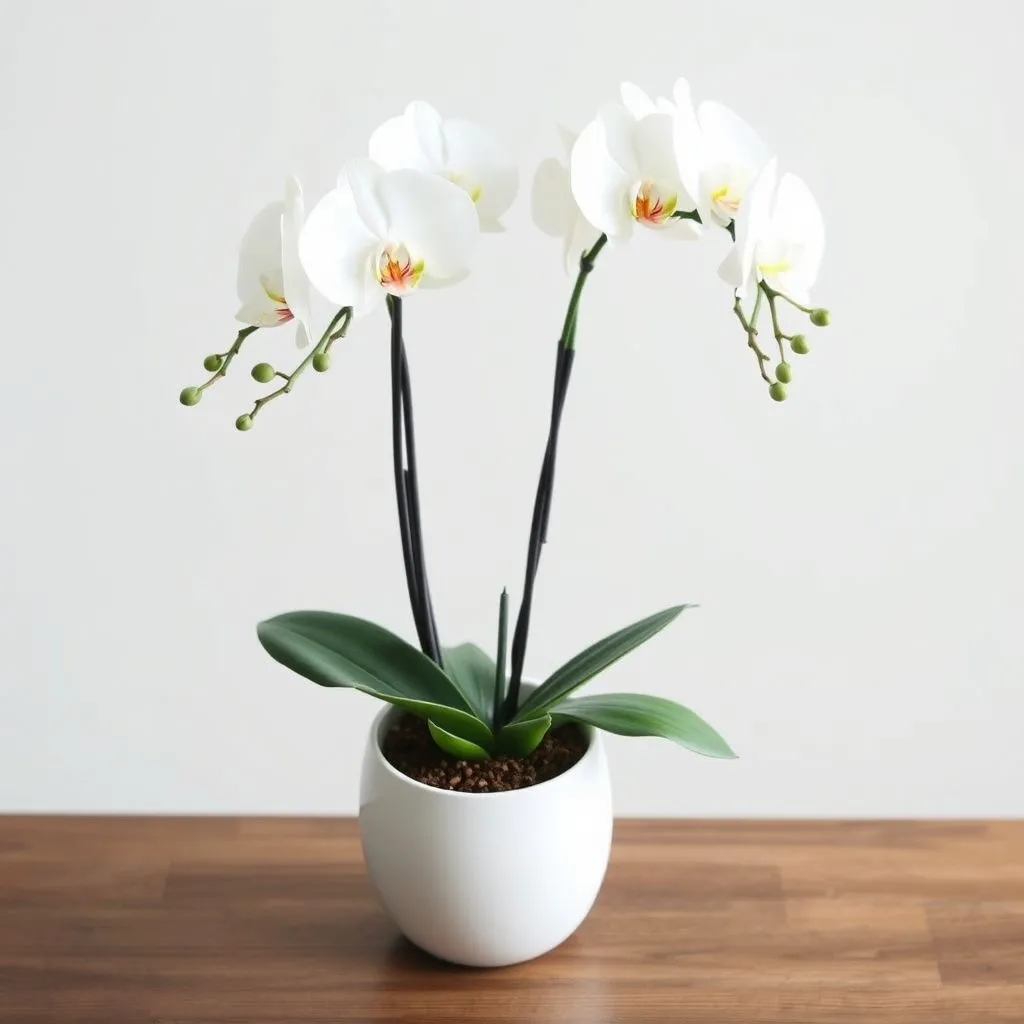
- White Orchid: A symbol of purity, these blooms require minimal watering and thrive in humid environments.
- Daisy: A cheerful, hardy choice that adds a pop of white to any garden or indoor space.
- Lilac: Known for its fragrant clusters, this plant is perfect for outdoor spaces.
- Hydrangea: A versatile option that changes color based on soil pH, often appearing white in alkaline conditions.
These varieties aren’t just visually appealing—they’re also incredibly resilient, making them ideal for beginners.
Benefits of growing white flower plant indoors
Bringing white flower plants indoors isn’t just about aesthetics. These plants offer a range of benefits that can enhance your daily life:
- Air purification: Plants like the peace lily and snake plant (often mistaken for white flower plants) filter toxins from the air, creating a healthier living environment.
- Stress reduction: The soft, calming hues of white flowers can soothe your mind and create a peaceful atmosphere.
- Low maintenance: Many white flower plants require minimal care, making them perfect for busy lifestyles.
- Symbolism: White flowers often represent purity, hope, and renewal, adding a meaningful touch to your space.
Whether you’re looking to boost your mood or create a tranquil retreat, white flower plants are a fantastic choice.
How white flower plant enhances your living space
Imagine walking into a room filled with the soft glow of white flower plants. Their subtle beauty can elevate any space, whether it’s a cozy living room, a sunlit kitchen, or a quiet bedroom. Here’s how they can transform your environment:
- Add visual interest: The contrast of white against green foliage or neutral walls creates a striking focal point.
- Create a sense of calm: The soft, natural tones of white flower plants promote relaxation and mindfulness.
- Boost natural light: Plants like daisies or lilies can reflect light, making your space feel brighter and more open.
- Encourage creativity: A well-placed white flower plant can inspire artistic or reflective moments, whether you’re reading, meditating, or working.
By incorporating white flower plants into your home, you’re not just adding decor—you’re crafting an experience.
White flower plant care tips for novice gardeners
Even if you’re new to gardening, caring for white flower plants is simpler than you might think. Follow these essential tips to keep your plants thriving:
- Light requirements: Most white flower plants prefer bright, indirect light. Avoid direct sunlight, which can scorch their leaves.
- Watering: Check the soil regularly. Water when the top inch feels dry, but avoid overwatering.
- Soil and nutrients: Use well-draining soil and fertilize every 4–6 weeks during the growing season.
- Pruning: Trim dead or yellowing leaves to encourage healthy growth.
- Pest control: Inspect plants regularly for signs of pests like aphids or spider mites.
With a little attention, your white flower plants will flourish, rewarding you with their timeless beauty.
Top 10 white flower plant options for easy cultivation
If you’re ready to start your journey with white flower plants, here are 10 beginner-friendly choices:
- Peace Lily – Thrives in low light and requires minimal watering.
- White Orchid – Adds a touch of elegance with its fragrant blooms.
- Daisy – Hardy and easy to grow, perfect for beginners.
- Lilac – A fragrant, low-maintenance option for outdoor spaces.
- Hydrangea – Changes color based on soil pH, often appearing white.
- Lily – Delicate and stunning, but requires well-drained soil.
- Jasmine – A climbing plant with sweet-smelling white flowers.
- Chamomile – Not only beautiful but also useful for tea.
- Snowdrop – A hardy, early-blooming plant that signals spring.
- White Geranium – A vibrant, easy-to-care-for addition to any garden.
Each of these white flower plants is a great starting point for your gardening adventure.
Top 10 White Flower Plants for Home Gardens
White flower plant: Aesthetic and low-maintenance choice
Looking to add a touch of elegance to your garden or living space? White flower plants are the perfect solution—elegant, timeless, and surprisingly easy to care for. Whether you’re a seasoned gardener or just starting out, these blooms offer a stunning visual impact without the hassle of high-maintenance upkeep.
Here’s why white flower plants are a top pick for beginners:
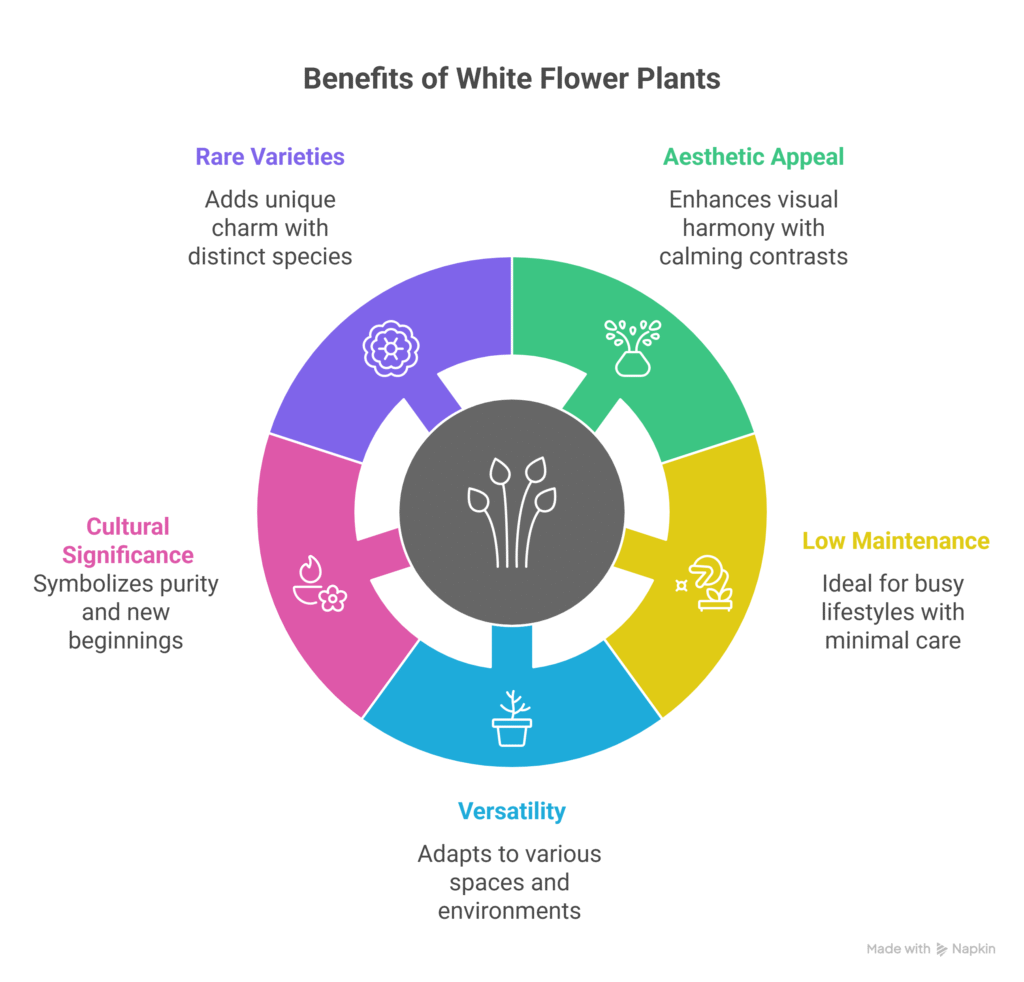
- Visual appeal: The soft, pure tones of white flowers create a calming contrast against green foliage or neutral backdrops.
- Low effort: Many white flower plants thrive in indirect light and require minimal watering, making them ideal for busy lifestyles.
- Versatility: From compact indoor varieties to sprawling outdoor options, white flower plants adapt to various spaces.
For example, the peace lily (Spathiphyllum) is a favorite among beginners. Its glossy leaves and delicate white blooms thrive in low-light conditions, while the white orchid (Phalaenopsis) adds a touch of sophistication with its long-lasting, fragrant flowers.
White flower plant: Ideal for small spaces and apartments
Living in a compact apartment or a small home doesn’t mean you can’t enjoy the beauty of white flower plants. These plants are perfect for tight spaces, offering lush greenery and blooming charm without taking up much room.
Consider these white flower plant options for small areas:
- Snake Plant (Sansevieria): Known for its resilience, this plant thrives in low light and requires minimal watering.
- Begonia: A compact, flowering plant that adds color and texture to windowsills or shelves.
- Pothos (Epipremnum aureum): While not a flower, its trailing vines create a lush, white-tinged display when paired with white blooms.
These white flower plants are not only space-efficient but also air-purifying, making them a practical and beautiful addition to any home.
Subheading 3: White flower plant: Symbolism and cultural significance
Beyond their beauty, white flower plants carry deep symbolic meanings across cultures. From representing purity and peace to signaling new beginnings, these blooms have been cherished for centuries.
Here’s how white flower plants resonate culturally:
- Peace Lily: Often associated with hope and resilience, this plant is a popular choice for hospitals and meditation spaces.
- White Orchid: In many Asian cultures, the orchid symbolizes refinement, strength, and spiritual growth.
- Daisy: A universal symbol of innocence and joy, daisies are commonly used in weddings and celebrations.
By incorporating white flower plants into your garden or home, you’re not just adding decor—you’re embracing a legacy of meaning and tradition.
White flower plant: Best for indoor and outdoor settings
Whether you’re looking to brighten your indoor space or enhance your outdoor garden, white flower plants are a versatile choice. Their adaptability makes them suitable for both environments, offering year-round beauty.
Indoor favorites:
- White Geranium: A vibrant, easy-to-grow plant that thrives in sunny windows.
- Chamomile: Not only beautiful but also useful for tea, this plant adds a fragrant touch to kitchens.
Outdoor options:
- Hydrangea: Known for its large, showy blooms, this plant adapts well to gardens and patios.
- Lilac: A fragrant, low-maintenance shrub that brings springtime charm to outdoor spaces.
With the right care, these white flower plants can flourish in either setting, adding life and beauty to your surroundings.
White flower plant: Rare and unique varieties to explore
For gardeners seeking something extraordinary, white flower plants also include rare and unique species that stand out with their distinct characteristics. These plants are perfect for adding a sense of wonder to your collection.
Check out these rare white flower plant options:
- White Orchid (Phalaenopsis): A delicate, long-lasting bloom that thrives in humid environments.
- Night-Blooming Jasmine (Cestrum nocturnum): Releases a sweet fragrance at night, creating a magical atmosphere.
- Snowdrop (Galanthus): One of the earliest bloomers, signaling the arrival of spring with its elegant white flowers.
These white flower plants are not only visually striking but also offer a sense of discovery, making them a rewarding addition to any garden.
Essential Care Tips for White Flower Plants
White flower plant: Lighting and watering requirements
Every white flower plant thrives best when it gets the right balance of light and water. But how do you know what your white flower plant needs? Let’s break it down.
Most white flower plants prefer bright, indirect light. For example, the peace lily (a popular white flower plant) can tolerate low-light conditions, while white orchids need more sunlight. Here’s a quick guide:
- Indirect light: Ideal for white flower plants like daisies or lilacs.
- Direct light: Best for white flower plants such as geraniums or chamomile.
Watering is equally critical. Overwatering can harm your white flower plant, so check the soil before adding more. A general rule: water when the top inch of soil feels dry. For white flower plants like hydrangeas, keep the soil consistently moist, while white orchids prefer drier conditions.
White flower plant: Soil and fertilization guidelines
The right soil and nutrients are key to keeping your white flower plant healthy and vibrant. But what kind of soil do white flower plants need?
Most white flower plants thrive in well-draining soil. A mix of peat, perlite, and compost works well for white flower plants like lilies or jasmine. For white flower plants that grow in containers, ensure pots have drainage holes to prevent root rot.
Fertilization is another important factor. Use a balanced, water-soluble fertilizer every 4–6 weeks during the growing season. However, avoid over-fertilizing, as this can damage white flower plants like orchids or daisies. For white flower plants that bloom frequently, a high-phosphorus fertilizer can encourage more flowers.
White flower plant: Pest control and disease prevention
Even the most beautiful white flower plant can fall victim to pests or diseases. How do you protect your white flower plant from these threats?
Common pests like aphids, spider mites, and mealybugs can attack white flower plants. To keep them at bay:
- Inspect your white flower plant regularly for signs of infestation.
- Use natural remedies like neem oil or insecticidal soap.
- Isolate affected white flower plants to prevent spreading.
Diseases such as powdery mildew or root rot can also harm white flower plants. Prevent these by:
- Avoiding overwatering.
- Ensuring good air circulation around your white flower plant.
- Removing dead or diseased leaves promptly.
White flower plant: Pruning and seasonal maintenance
Pruning isn’t just about keeping your white flower plant looking neat—it’s about promoting healthy growth and more blooms. But when should you prune your white flower plant?
For white flower plants like lilacs or hydrangeas, prune after they’ve finished blooming to encourage new growth. For white flower plants such as jasmine or orchids, trim back dead or damaged stems to maintain their shape.
Seasonal maintenance is also crucial. In spring, fertilize and check for pests. In winter, protect white flower plants from frost by moving them indoors or covering them. By staying on top of these tasks, your white flower plant will stay healthy and vibrant year-round.
White flower plant: Troubleshooting common issues
Even with the best care, your white flower plant might face challenges. What should you do if your white flower plant isn’t thriving?
Here’s how to address common problems:
- Yellowing leaves: Could indicate overwatering or poor drainage. Adjust your watering schedule and check the soil.
- Lack of blooms: May signal insufficient light or nutrients. Ensure your white flower plant gets enough sunlight and consider a fertilizer boost.
- Brown edges on leaves: Often a sign of low humidity. Mist your white flower plant or use a humidifier.
By identifying and addressing these issues early, you’ll keep your white flower plant looking its best. Remember, every white flower plant is unique—pay attention to its needs and adjust your care routine accordingly.
Creative Ways to Use White Flower Plants
Subheading 1: White flower plant: Decorative ideas for your home
Ever wondered how to elevate your home’s aesthetic without breaking the bank? White flower plants are a versatile and affordable way to add elegance to any space. Whether you’re decorating a living room, bedroom, or kitchen, these blooms bring a fresh, calming energy.
Here are some creative ideas to showcase your white flower plants:
- Window sills: Place a white flower plant like a peace lily or daisy on a sunny windowsill to brighten up your space.
- Bookshelves: Add a white flower plant to your bookshelf for a touch of natural beauty.
- Entryways: A white flower plant in a stylish pot can create a welcoming vibe at your front door.
- Coffee tables: A small white flower plant in a minimalist vase adds sophistication to your living room.
By incorporating white flower plants into your decor, you’re not just adding color—you’re creating a peaceful, inviting atmosphere.
White flower plant: Use in floral arrangements and bouquets
Looking to add a touch of elegance to your events or home? White flower plants are a timeless choice for floral arrangements and bouquets. Their purity and simplicity make them perfect for weddings, birthdays, or even a romantic dinner.
Here’s how to use white flower plants in floral designs:
- Weddings: Pair white orchids or lilies with greenery for a classic, romantic look.
- Bridal bouquets: A white flower plant like a daisy or chamomile adds a soft, natural touch.
- Centerpieces: Use white geraniums or jasmine in vases for a fresh, fragrant display.
- Gifts: A small bouquet of white flower plants makes a thoughtful, meaningful gift.
These blooms aren’t just beautiful—they’re a symbol of purity and grace, making them ideal for special occasions.
Subheading 3: White flower plant: Incorporating into garden designs
If you have an outdoor space, white flower plants can transform your garden into a serene, visually striking area. Whether you’re designing a small patio or a sprawling backyard, these plants offer endless possibilities.
Consider these garden design ideas:
- Rock gardens: Use snowdrops or daisies to add a delicate touch to rocky landscapes.
- Hedges: Lilacs or jasmine can create a fragrant, low-maintenance hedge.
- Patio gardens: Pair white orchids with potted herbs for a functional, beautiful space.
- Water features: White lilies or hydrangeas near a pond or fountain add a tranquil, natural vibe.
By thoughtfully placing white flower plants in your garden, you’re creating a space that’s both beautiful and harmonious.
White flower plant: Benefits for mental well-being
Beyond their beauty, white flower plants offer significant mental health benefits. Studies show that surrounding yourself with greenery and blooming flowers can reduce stress, improve mood, and boost creativity.
Here’s how white flower plants support your well-being:
- Stress reduction: The soft, natural colors of white flower plants create a calming environment.
- Mood enhancement: The sight of white flower plants can uplift your spirits and inspire positivity.
- Mindfulness: Caring for a white flower plant encourages presence and connection to nature.
- Air purification: Plants like peace lilies and snake plants (often mistaken for white flower plants) improve indoor air quality.
By incorporating white flower plants into your daily life, you’re investing in both your physical and emotional health.
Subheading 5: White flower plant: Eco-friendly and sustainable practices
If you’re passionate about sustainability, white flower plants are a great way to reduce your environmental footprint. These plants not only beautify your space but also contribute to a healthier planet.
Here’s how to make your white flower plant care eco-friendly:
- Composting: Use organic waste to fertilize your white flower plants.
- Water conservation: Collect rainwater or use drip irrigation systems to minimize waste.
- Natural pest control: Opt for neem oil or insecticidal soap instead of chemical pesticides.
- Recycling pots: Repurpose old containers or choose biodegradable options for your white flower plants.
By adopting these practices, you’re not only nurturing your white flower plants but also supporting a more sustainable lifestyle.
Conclusion:
If you’ve ever dreamed of adding a touch of elegance to your home or garden without the stress of high-maintenance gardening, white flower plants might just be the answer you’ve been looking for. From their serene beauty to their practical benefits, these blooms offer a perfect blend of simplicity and sophistication. Whether you’re a seasoned gardener or a complete beginner, the journey of growing white flower plants is as rewarding as the results.
But here’s the real question: What’s stopping you from starting today? Imagine walking into a room filled with the soft glow of white flower plants, their delicate petals catching the light and creating a sense of calm. Or picture your outdoor space transformed by the timeless charm of white flower plants that thrive with minimal effort. These plants aren’t just decorative—they’re a testament to resilience, adaptability, and the joy of nurturing life.
As you reflect on the tips, care guidelines, and creative ideas shared in this guide, consider how white flower plants can fit into your lifestyle. Are you drawn to the low-maintenance appeal of a peace lily? Or do you crave the fragrant allure of a white orchid? Whatever your preference, there’s a white flower plant perfectly suited to your space and goals.
Remember, the beauty of white flower plants lies not just in their appearance but in the connection they foster—between you and nature, between your home and the world outside. By embracing these plants, you’re not only enhancing your environment but also cultivating a deeper appreciation for the small, meaningful moments that gardening brings.
So, take a deep breath, grab a pot, and let the journey begin. With the right care and a little patience, your white flower plants will flourish, bringing joy, tranquility, and a touch of magic to your daily life. After all, isn’t it time you gave your space the gift of white flower plants?
Dennis P. Hansen
Dennis P. Hansen is a home gardener with a genuine passion for plants and the simple pleasure of growing them. He enjoys caring for houseplants, succulents, and other plants at home while continually learning from everyday gardening experiences. Dennis likes to share practical plant care tips, useful observations, and simple solutions that can help others grow healthier plants. He believes that caring for plants is a rewarding journey and that there is always something new to learn along the way.