
Brighten Your Space with Stunning Red Flower Plant


Table of Contents
Introduction:
Have you ever walked into a room or garden and been instantly captivated by the bold splash of red blooms? Red flower plant aren’t just visually striking—they can transform any space into a vibrant, energetic oasis. Whether you’re looking to add a pop of color to your indoor environment or create a dramatic statement outdoors, these stunning blooms offer endless possibilities. But how do you choose the right red flower plant for your space? What care essentials ensure they thrive and continue to dazzle? And, importantly, how can you style these plants to maximize their visual impact?
In this guide, we’ll walk through everything you need to know about incorporating red flower plants into your home and garden. From selecting the perfect varieties to expert tips on their maintenance, you’ll discover how these gorgeous blooms can elevate your environment and brighten your space with natural beauty. Ready to unlock the secrets to vibrant, healthy red flower plants? Let’s dive in!
Understanding the Charm of Red Flower Plant
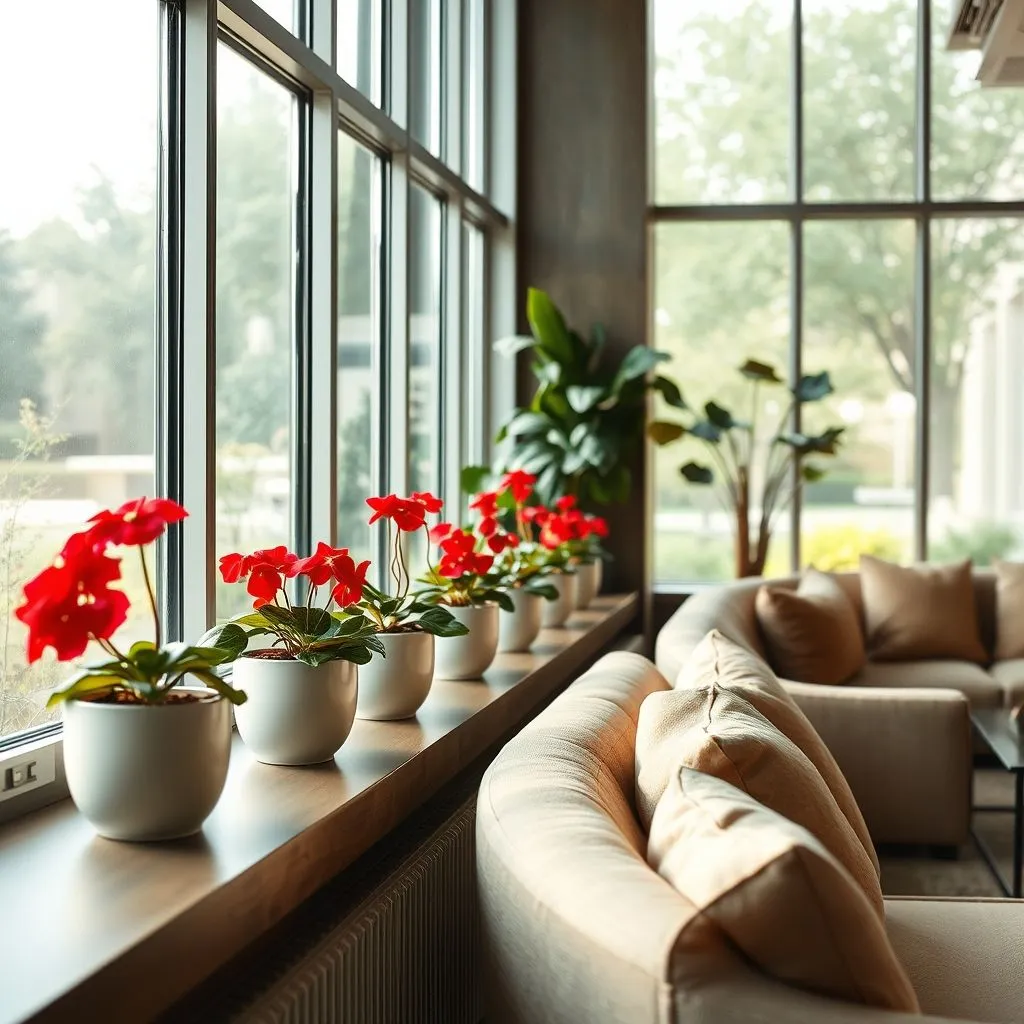
Imagine walking into a space where a splash of vibrant red blooms instantly lifts your mood. The visual impact of red flower plants in any space—be it a cozy living room or a sprawling garden—is undeniable. Their bold color commands attention and infuses the environment with energy and warmth. Ever wondered why these plants have such a universal appeal? It’s because red is associated with passion, love, and vitality, making it one of the most captivating hues in the plant world.
Popular Red Flower Plant Varieties and Their Unique Traits
Not all red flower plants are created equal, and understanding their unique traits can help you choose the perfect one for your space. Here are some of the most popular varieties:
- Red Rose (Rosa spp.): The classic symbol of love, roses are versatile and come in numerous shades of red. They thrive in well-drained soil and need plenty of sunlight.
- Hibiscus (Hibiscus rosa-sinensis): Known for their large, trumpet-shaped blooms, hibiscus are ideal for warm climates. They add a tropical flair and attract hummingbirds!
- Begonia (Begonia spp.): Perfect for shaded areas, begonias feature fiery red flowers and lush foliage, making them excellent for containers or indoor spaces.
- Geraniums (Pelargonium spp.): Easy to grow and maintain, geraniums produce vibrant red clusters that easily brighten up balconies and garden beds.
Each of these varieties offers a different visual appeal—whether you’re after striking blooms, lush foliage, or a mix of both.
How Red Flowers Enhance Mood and Atmosphere
Red flowers aren’t just eye candy; they influence how we feel. Have you noticed how a room brightened with fresh red blooms makes you feel more energized? That’s because red is a color linked to increased heart rate and adrenaline, naturally invigorating a space. Red flower plants also evoke feelings of passion and love, making them great choices for romantic or lively environments.
Installing red flower plants in your home or garden can foster an atmosphere of excitement, motivation, or even calm intensity, depending on how you style them. Whether you want to spark energy during a gathering or create a romantic nook, red blooms are your allies.
Common Myths About Growing Red Flower Plant Debunked
Despite their popularity, several misconceptions cloud the world of red flower plant cultivation. Let’s clear the air:
- “Red flower plants are difficult to grow.” Not true! Many red flowering plants, like geraniums and begonias, are quite hardy and forgiving, even for beginner gardeners.
- “They need constant sunlight.” While some varieties like hibiscus thrive in full sun, others such as begonias prefer shaded spots. It’s all about choosing the right plant for your environment.
- “Red flowers are fragile and short-lived.” With proper care—adequate watering, fertilization, and pruning—these plants can flower repeatedly and last season after season.
Knowing these facts helps you approach red flower plants with confidence, ensuring you enjoy their beauty without unnecessary worry.
Choosing the Perfect Red Flower Plant for Your Space: A Guide to Making the Right Pick
Ever wondered how to pick that eye-catching red flower that not only brightens your space but truly thrives there? The secret lies in understanding your environment and personal preferences. Let’s explore how to navigate the essentials—light, climate, and space—to find a red flower plant that fits seamlessly into your life.
Assessing Light, Climate, and Space Requirements
First things first: ask yourself, How much sunlight does my space receive? Whether your home has a bright south-facing window or a shady corner, selecting a red flower plant aligned with your light exposure ensures it stays vibrant. For example:
- Full sun (6+ hours daily): Consider plants like the Red Trumpet or Hibiscus – they flourish in direct sunlight.
- Partial shade: Look at varieties such as the Red Begonia or certain types of Anthuriums.
- Indoor low-light: Even in dim corners, a Peace Lily with red blooms might do wonders.
Climate matters too. Do you experience frost, high humidity, or dry heat? Some red flowering plants like the Adenium (desert rose) are drought-tolerant, perfect for hot climates, while others need a more temperate environment. Measure your space’s temperature and moisture levels before choosing.
Next, evaluate your available space—are you working with a small balcony, a sprawling garden, or an indoor nook? Compact varieties like the Red Kalanchoe suit tight spots, while larger plants such as the Red Bougainvillea can transform a spacious outdoor yard into a tropical paradise.
Matching Red Flower Plants to Indoor or Outdoor Environments
Indoor spaces demand plants that can survive and excel in managed conditions, while outdoor gardens offer a broader playground. Here’s how to match:
- Indoor Red Flower Plants:
- Require less direct sunlight: Chinese Red Jackets or certain decorative varieties of Croton.
- Ease of maintenance: Schefflera with striking red berries or flowers.
- Air purification bonus: Many indoor plants also tidy your air quality.
- Outdoor Red Flower Plants:
- Sun lovers: Red Roses, Red Salvia, or Scarlet Coneflowers.
- Resilient against weather changes: Bougainvillea and Red Oleander.
- Visual impact: These are perfect as focal points, hedges, or climbing accents.
Thinking about where you’ll place your plant helps narrow down choices—whether it’s a shaded patio or a sun-drenched garden bed.
Selecting Low-Maintenance vs. Show-Stopping Varieties
Are you after effortless beauty or a dramatic statement? Here’s the lowdown:
- Low-Maintenance Red Flower Plants:
- Require minimal watering and care.
- Examples include Red Kalanchoe, which blooms reliably with little fuss.
- They’re perfect if you travel often or prefer a ‘set-it-and-forget-it’ approach.
- Show-Stopping Red Flower Plants:
- Bring bold color and require some TLC—pruning, fertilizing, maybe staking.
- Think of the Red Bougainvillea or the iconic Red Hibiscus, which reward your attention with spectacular blooms.
Choosing between these depends on how much time and effort you’re willing to devote. Remember, even easier varieties can be surprisingly striking, especially when they flower en masse or are paired with complementary foliage.
Tips for Buying Healthy and Vibrant Plants
Ready to shop? Here’s how to ensure you bring home lively, thriving red flowers:
- Inspect the leaves and stems: Look for firm, brightly colored foliage without spots or wilting signs.
- Check the roots: Gently remove the plant from its container—healthy roots are white or light brown and firm. Avoid plants with roots circling tightly or appearing rotten.
- Choose vibrant blooms: Bright, fresh-looking flowers indicate recent blooming and good health.
- Ask the nursery staff: They can provide insider tips for maintaining their particular varieties and point out stressed or unhealthy plants.
Whether you’re revamping your porch or energizing your living room, selecting the right red flower plant involves aligning your environment, maintenance preferences, and aesthetic goals. Do you already have a favorite red bloom in mind? Or are you dreaming of transforming your space with a splash of vibrant scarlet? Whatever your choice, the perfect red flower awaits—ready to bring your garden or room to life.
Essential Care Tips for Keeping Your Red Flower Plants Radiant and Healthy
So, you’ve chosen the perfect red flower plant—now what? Maintaining its vibrant hue and lush blooms requires a bit of know-how, but don’t worry — it’s more straightforward than you might think. Let’s walk through some essential care tips that will help your red flowering marvels thrive season after season.
Optimal Watering and Fertilization Practices
Water is the lifeblood of any thriving plant, but overdoing it can turn your vibrant blooms into a wilted mess. How often should you water? Think of your plant’s needs first—most red flowering plants prefer consistent, moderate watering, allowing the top inch of soil to dry out between drinks. For outdoor plants, early morning watering helps reduce evaporation and pest issues.
Fertilization is equally vital. Opt for a balanced, flower-boosting fertilizer with slightly higher phosphorus content, like an NPK ratio of 10-20-10, applied every 4-6 weeks during the growing season. This feeds the roots and encourages those show-stopping blossoms.
Pro tip: Always follow the recommended dosage to avoid fertilizer burn—more isn’t merrier here.
Sunlight and Environmental Conditions for Best Blooms
Ever notice how some plants bloom wildly in full sun while others prefer the shade? Red flower plants often crave a good dose of sunlight—aim for at least 4-6 hours of direct sun daily for best color and flowering.
But keep your environment in mind. If you live in a particularly hot or dry climate, providing some afternoon shade can protect your plants from scorching and help retain soil moisture. Conversely, indoor plants need a bright, sunny spot, ideally near a south or west-facing window.
Temperature and humidity also play roles. Many red flowering plants flourish in moderate temperatures—around 65-85°F—and benefit from a slightly humid environment, especially indoors where air can get dry.
Pruning and Deadheading to Promote Continuous Flowering
Want your red blooms to last longer? Regular pruning and deadheading are your best friends. Removing spent flowers—deadheading—not only keeps your plant looking tidy but signals it to produce new blossoms.
When to prune? Cut back just above leaf nodes after flowering, shaping your plant and encouraging bushier growth. For larger plants like Hibiscus, light pruning every few weeks can invigorate growth and prevent legginess.
Tip: Use clean, sharp shears to make precise cuts, reducing the risk of disease.
Pest and Disease Prevention Strategies
Even the healthiest plants can fall prey to unwelcome guests. The key lies in early detection and prevention. Keep an eye out for common pests—like aphids, whiteflies, and spider mites—by inspecting your plants regularly.
Prevention tips:
- Maintain proper spacing to ensure good air circulation.
- Remove fallen leaves or debris promptly.
- Use organic pest controls, like neem oil or insecticidal soap, at the first sign of infestation.
For diseases such as powdery mildew or fungal spots, avoid overhead watering and ensure your plant isn’t sitting in overly wet soil. Applying a fungicide approved for flowering plants can also help.
Your Red Flower Plants Deserve This TLC
Think of caring for your red blooms as nurturing a living piece of art—attention and patience bring out their best. With these simple, effective tips—balanced watering, optimal sunlight, strategic pruning, and vigilant pest prevention—you’ll enjoy those dazzling, fiery blossoms year after year.
Unlocking Creative Styling and Placement Ideas for Red Flower Plants
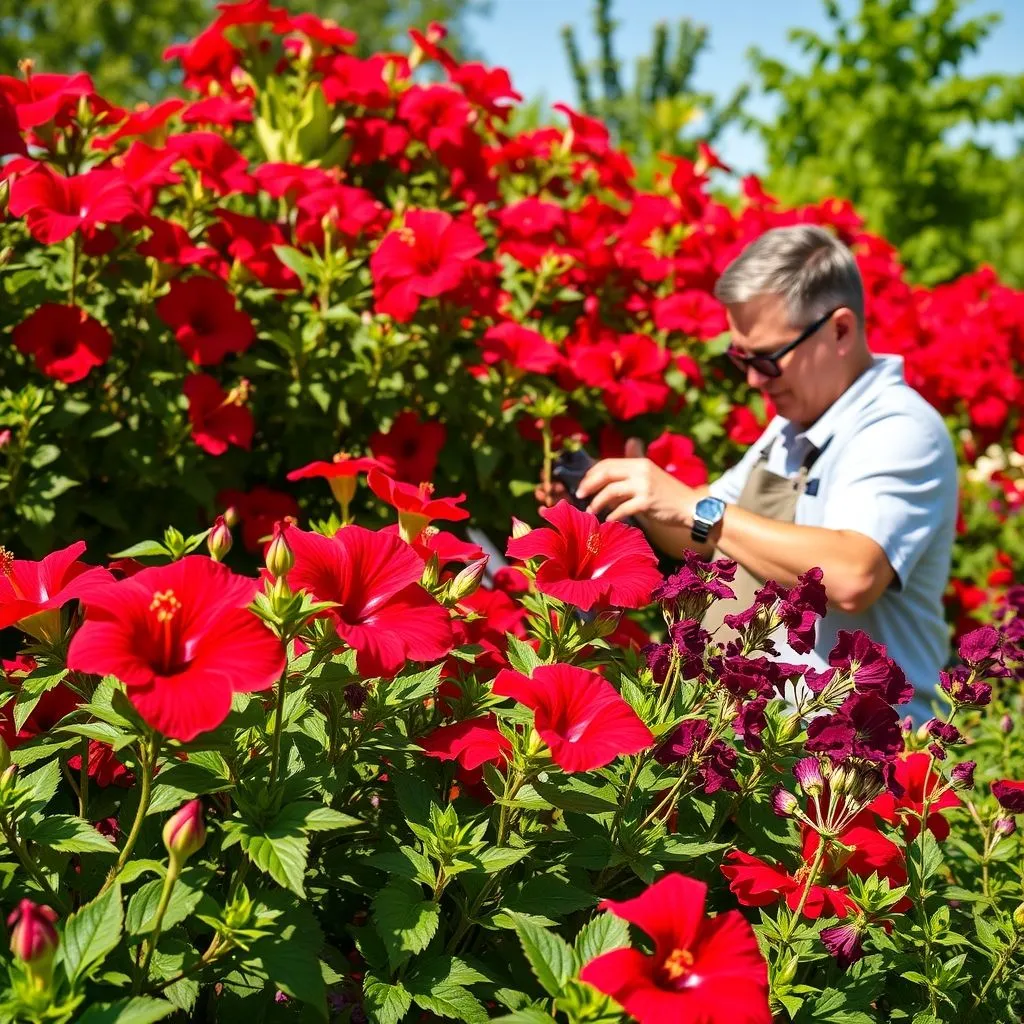
Have you ever wondered how to transform your space into a vibrant oasis using red flower plants? Whether you’re sprucing up your living room or creating a stunning garden display, thoughtful placement and styling can make all the difference. Let’s explore some inspiring ways to incorporate red blooms into your decor, ensuring your space bursts with color and personality year-round.
Incorporating Red Flower Plants into Your Interior Decor
Red flower plants aren’t just for outdoor gardens—they’re fantastic for adding warmth and energy indoors as well. Imagine a sleek, modern vase holding a bouquet of red amaryllis or red kalanchoe on your coffee table. Not only do they add a splash of color, but they also bring elevated sophistication and a touch of nature inside.
- Accent corners: Place a tall, potted red hibiscus in a cozy corner for an eye-catching focal point.
- Kitchen windowsills: Brighten up your space with small containers of red petunias or red geraniums.
- Entryways: Make a bold first impression with a large, decorative planter filled with red roses or red tulips, greeting guests with vibrancy.
Have you considered how the color red can energize a space? It’s perfect for creating focal points that ignite passion and excitement in your daily environment.
Designing Eye-Catching Garden Displays with Red Blooms
When it comes to outdoor gardens, red flower plants are the show-stoppers. Strategic placement can turn your garden into a visual masterpiece. Think of them as the red carpet of your landscape—drawing the eye and creating stunning visual pathways.
Here are some ideas to craft captivating garden displays:
- Color contrast: Pair red blooms with lush greens like fuchsia, or contrast with white flowers for a striking effect.
- Layering: Plant taller red canna lilies at the back and shorter red impatiens in front for depth and dimension.
- Focal points: Use a cluster of red dahlias or red peonies as a central feature, guiding the eye through your garden.
Why not get playful with shapes and textures? Mixing spiky red agapanthus with soft, rounded red roses provides visual variety and intrigue.
Using Containers and Plant Arrangements for Maximum Impact
Containers are your best friends when it comes to flexible garden styling. Whether indoors or outdoors, choosing the right container amplifies your red flower display.
- Choose bold containers: Bright, colorful pots or sleek metallic planters can make red flowers pop even more.
- Layered arrangements: Combine different heights—think a tall red calla lily in the center with trailing red petunias around the edges.
- Grouping: Cluster multiple containers together for a lush, garden-like feel—great for patios, balconies, or porch entrances.
Don’t forget to play with plant combinations—pair red flowers like scarlet begonias with contrasting foliage for added texture and interest.
Seasonal Considerations for Maintaining Vibrancy
To keep your red flower plants looking their best throughout the seasons, some planning is necessary. Each season calls for different care strategies:
- Spring: Start with fresh, healthy bulbs like red tulips and red daffodils to create stunning early blooms.
- Summer: Ensure consistent watering and consider fertilizing regularly to support abundant, vibrant blooms like red roses and red hibiscus.
- Autumn: Plant hardy red chrysanthemums and prepare for fall by mulching to protect roots.
- Winter: Bring tropical red anthuriums or red bromeliads indoors, providing bright indirect light and proper humidity.
Thinking ahead about seasonal care helps your red flower plants stay vibrant, healthy, and the star of your decor all year long.
Ready to elevate your space? Incorporate these creative styling tips and placement ideas, and watch your red flower plants transform your surroundings into a lively, colorful sanctuary. What’s your favorite way to showcase red blooms—indoor elegance or outdoor drama?
Maximizing Longevity and Re-blooming Potential of Your Red Flower Plants
Imagine your red flowers thriving longer and blooming repeatedly—sounds like a dream, right? Well, with a few strategic steps, you can unlock the full potential of your red flower plants, ensuring they stay vibrant and beautiful season after season. Whether you’re a seasoned gardener or just starting out, understanding seasonal care, propagation techniques, and common growth troubleshooting can make all the difference.
Seasonal Care Tips: Extending Flower Life and Boosting Re-blooming
Every season presents opportunities—and challenges—for maintaining your red blooms. To keep your flowers spectacular:
- Spring & Summer: Regular watering is key, especially during hot months. Deep watering encourages strong roots, while mulching helps retain moisture and regulate soil temperature. Don’t forget to apply organic fertilizer every few weeks to promote abundant blooming.
- Autumn: As days grow shorter, reduce fertilization—your focus should shift to protecting the roots. Use mulch to shield tender roots from early frost damage.
- Winter: Many red flower plants, like red begonias or red hibiscus, need to be brought indoors or given winter protection. Place them where they receive bright, indirect sunlight, and avoid overwatering to prevent root rot.
Want your plants to rebloom? Deadheading—that is, removing spent flowers—triggers the plant to produce new blooms. Think of it as giving your plants a little pep talk to keep going.
Propagation Techniques for Red Flower Plants
Propagation allows you to multiply your favorite red blooms—plus, it’s rewarding to see new plants grow from cuttings or seeds!
- Stem Cuttings: This is the easiest method for many types, such as red pentas or red geraniums. Cut healthy stems, remove lower leaves, and root them in moist potting mix. Keep the environment humid with a plastic cover until roots develop.
- Division: Perennials like red peonies and red hostas can be divided in early spring or fall. Carefully separate the clumps, plant them anew, and provide consistent moisture.
- Seed Starting: Some red flowers like red poppies can be grown from seed. Sow in early spring and keep soil consistently moist to encourage germination.
Propagation isn’t just cost-effective—it’s your secret weapon for always having lush red flowers ready to brighten your garden.
Troubleshooting Common Growth Issues
Even the most dedicated gardeners encounter challenges. Here’s a quick guide to common problems and their solutions:
- Wilting or yellowing leaves: Likely overwatering or poor drainage. Improve soil aeration and reduce watering frequency.
- Lack of blooms: Could be insufficient sunlight or nutrient deficiency. Ensure your plants get at least 6 hours of direct sun and feed with a balanced fertilizer.
- Pests and diseases: Watch out for aphids, spider mites, or fungal spots. Regular inspection and organic pest control methods can keep your plants healthy.
Staying vigilant and proactive helps prevent small issues from turning into major setbacks.
Incorporating Red Flower Plants into your Year-Round Floral Planning
Why limit red blooms to one season? With thoughtful planning, your red flower plants can be part of a continuous floral display.
- Plan ahead: Mix early bloomers like red tulips with late-season red dahlias to ensure color from spring to fall.
- Indoor provision: Use potted red anthuriums or red bromeliads indoors during colder months.
- Succession planting: Replace fading blooms with fresh plantings, keeping your garden lively and colorful throughout the year.
The key is a strategic approach—think of your garden as an ongoing canvas, where red flowers serve as a vibrant thread woven through each season.
Committed to prolonging your garden’s fiery display? With proper care, propagation, and planning, your red flower plants will continue to dazzle year-round. Curious to try something new—perhaps a specific propagation technique? Or maybe troubleshooting a stubborn plant? I’d love to hear your gardening adventures!
Conclusion:
As we reflect on the journey through this exploration, it’s clear that understanding the nuances of effective strategies can truly transform your goals into tangible results. Have you ever wondered how small adjustments can lead to significant breakthroughs? By embracing innovative approaches and staying adaptable, you position yourself ahead of the curve. Remember, success isn’t just about the destination—it’s about the continuous pursuit of growth and learning. So, what’s your next step? Are you ready to harness these insights to elevate your endeavors and make a lasting impact? Let’s turn these insights into action and watch your vision come to life.
Dennis P. Hansen
Dennis P. Hansen is a home gardener with a genuine passion for plants and the simple pleasure of growing them. He enjoys caring for houseplants, succulents, and other plants at home while continually learning from everyday gardening experiences. Dennis likes to share practical plant care tips, useful observations, and simple solutions that can help others grow healthier plants. He believes that caring for plants is a rewarding journey and that there is always something new to learn along the way.