
Discover the Beauty of Prayer Plant Flowers | Care & Tips


Table of Contents
Introduction:
Are you fascinated by the delicate beauty of prayer plant flowers and eager to learn how to nurture these captivating plants? Whether you’re a seasoned gardener or a beginner, understanding the unique blooming habits of prayer plants can transform your approach to care and appreciation. Have you ever wondered what makes these plants flower indoors or how to encourage vibrant, healthy blooms? In this comprehensive guide, we’ll delve into everything you need to know—from the natural habitat and flowering triggers to expert tips for promoting stunning blossoms. By mastering the art of caring for prayer plant flowers, you can enjoy their lively foliage and gentle, enchanting blooms that add a touch of serenity and beauty to any space. Ready to unlock the secrets behind their stunning floral display? Let’s explore how you can successfully cultivate and showcase these remarkable plants.
I. Understanding Prayer Plant Flowers
Are you curious about what makes prayer plant flowers so special? Many plant enthusiasts marvel at their unique blooms and vibrant foliage, but there’s more to these captivating plants than meets the eye. In this section, we’ll explore what prayer plant flowers are, where they come from, and why they hold such significance both botanically and culturally.
A. What Are Prayer Plant Flowers?
At first glance, you might notice the distinctive, vibrant leaves of the prayer plant (Maranta leuconeura), but did you know they also produce charming, subtle flowers? These blooms are typically small, delicate, and lie hidden among the lush foliage. In fact, prayer plant flowers are often understated in comparison to their stunning leaves, but their beauty lies in their simplicity and elegance.
Description and Visual Characteristics:
- Size: Usually small, about 1-2 inches in diameter
- Color: Typically white or pale yellow with subtle markings
- Shape: Tubular or bell-shaped, with a gentle curve that resembles a delicate bell
- Blooming Habit: Appears at the base of the plant, often nestled among the foliage
While the flowers may not be large or showy, their subtle charm complements the plant’s vibrant, patterned leaves, creating a harmonious visual display.
B. Natural Habitat and Flowering Tendencies
Have you ever wondered where prayer plants naturally thrive and what environmental conditions trigger their blooming? These plants originate from the tropical rainforests of Central and South America, where they flourish under the dense canopy, receiving dappled sunlight and high humidity.
Native Environments and Blooming Triggers:
- Habitat: Humid, shaded forest floors with rich, well-draining soil
- Lighting: Indirect bright light or partial shade
- Temperature & Humidity: Warm temperatures around 65-80°F (18-27°C) with high humidity levels—ideal for encouraging flowering
- Blooming Triggers: Consistent care, optimal environmental conditions, and sometimes seasonal cues trigger the plant to produce its delicate flowers
Understanding these natural tendencies helps us recreate similar conditions at home, increasing the chances of your prayer plant blooming beautifully.
C. Significance of Prayer Plant Flowers
Why do prayer plant flowers hold such cultural and symbolic significance? Beyond their botanical beauty, these flowers have inspired admiration across various cultures.
Symbolism and Cultural Meanings:
- Faith and Spirituality: The prayer plant’s name derives from the way its leaves fold at night, resembling hands in prayer—a symbol of hope, faith, and serenity
- Peace and Reflection: The gentle blooming of these flowers can be seen as a sign of tranquility and mindfulness
- Decorative Value: Their subtle yet elegant blooms add a layer of liveliness and spiritual charm to indoor gardens and spiritual spaces
While their blooms might not be as prominent as some tropical flowers, their symbolic importance and understated beauty continue to fascinate plant lovers worldwide.
II. Proper Care for Healthy Blooms: Unlocking the Secrets to Flourishing Flowers
Are you dreaming of vibrant, long-lasting blooms in your garden or home? The key to achieving stunning blossoms lies in understanding the essentials of proper plant care. Let’s explore how you can optimize each element—from light to environmental factors—to nurture healthy, abundant flowers.
Optimal Light Conditions: The Foundation of Beautiful Blooms
Have you ever wondered why some plants flourish while others struggle? Light is arguably the most critical factor in promoting flowering. Most flowering plants thrive with bright, indirect sunlight. Ideally, they should receive at least 6 hours of sunlight daily, but beware of intense, direct rays that can scorch delicate petals. For indoor plants, placing them near south-facing windows often provides the perfect light spectrum.
Pro tip: If natural light is limited, consider supplementing with grow lights designed for flowering plants. Proper lighting not only boosts photosynthesis but also signals the plant to produce and sustain blooms.
Watering and Humidity Needs: Maintaining the Perfect Moisture Balance
Ever overwatered or underwatered your plants? Striking the right moisture balance is crucial for healthy flowering. Most blooming plants prefer soil that’s consistently moist but not waterlogged. To prevent root rot, water when the top inch of soil feels dry.
Humidity matters too! Many flowering plants, particularly those native to tropical regions, thrive in moderate to high humidity levels. If your home tends to be dry, especially during winter, consider using a humidifier or placing a tray of water near your plants to boost moisture around them.
Quick tip: Use a moisture meter to avoid guessing, and always ensure proper drainage to prevent standing water.
Soil and Fertilization Tips: Feeding Your Flowers for Maximum Blooming
Choosing the right soil and feeding routine can make or break your flowering success. Most flowering plants prefer well-draining soil rich in organic matter. A blend of peat moss, perlite, and compost creates an ideal environment to retain moisture while allowing excess water to escape.
When it comes to fertilization, a balanced fertilizer with a higher phosphorus content (the middle number in N-P-K ratios) promotes flowering. Apply a liquid or slow-release fertilizer every 2-4 weeks during the growing season.
Remember: Over-fertilizing can lead to lush foliage but fewer blooms. Find your sweet spot by following the manufacturer’s instructions carefully.
Temperature and Environmental Factors: Creating a Bloom-Friendly Environment
Temperature plays a significant role in flowering cycles. Most flowering plants thrive in temperatures ranging from 65°F to 75°F (18°C to 24°C). Sudden temperature drops or fluctuations can stress plants, hindering bloom production.
Ensure your plants are shielded from drafts, cold windows, or heat sources like radiators. Additionally, providing consistent environmental conditions nurtures strong, healthy blooms that last longer.
To summarize: For vibrant, healthy blooms, give your plants the right light, maintain proper watering and humidity, feed them with suitable soil and fertilizers, and keep environmental conditions stable. These small, thoughtful steps will reward you with a garden or home filled with stunning, carefree flowers.

III. Encouraging and Enhancing Flowering: Tips to Maximize Your Garden’s Floral Display
Are your plants producing the vibrant blooms you desire? Sometimes, a few strategic actions can significantly boost flowering and lead to a more spectacular garden. Let’s explore how you can encourage and enhance flowering through effective pruning, the right use of fertilizers, pest management, and seasonal adjustments.
Pruning and Maintenance: Stimulating New Blooms Through Thoughtful Trimming
Have you noticed your plants becoming congested or aging? Regular pruning is more than just tidying up—it’s about stimulating the growth of new flowers. When you prune:
- Remove dead, damaged, or diseased stems to help your plant focus energy on healthy growth.
- Cut back older flowering stems after blooming to encourage a second flush of flowers.
- Use clean, sharp tools to avoid disease transmission and make precise cuts.
Think of pruning as giving your plant a health boost—by removing the old, you’re inviting fresh blooms to take their place.
Pro tip: Timing matters! Prune shrub roses in late winter or early spring, and deadhead flowering perennials regularly during the growing season for continuous blossoms.
Using Growth Boosters and Fertilizers: Feeding Your Flowers for Peak Performance
To truly encourage abundant flowering, your plants need the right nutrients at the right time. Incorporate growth boosters and fertilizers designed for flowering plants, focusing on:
- High phosphorus levels (look for fertilizers labeled for bloom promotion) to support flower development.
- Regular feeding every 2-4 weeks during active growth phases, especially in spring and summer.
- Organic options like compost tea or fish emulsion to provide natural nutrients that improve overall plant health.
Want more vibrant blooms? Consider using root stimulators or bloom-enhancing fertilizers tailored for flowering plants, ensuring you give your garden the nutrients it needs to shine.
Managing Pests and Diseases: Protecting Your Flowers and Foliage
Nothing dampens a garden’s beauty like pests or diseases. How can you safeguard your flowering plants?
- Regularly inspect leaves and stems for signs of pests such as aphids, spider mites, or caterpillars.
- Use environmentally friendly pest control methods like neem oil, insecticidal soaps, or introducing beneficial insects.
- Keep an eye out for fungal infections or diseases like powdery mildew, and take prompt action with appropriate fungicides or organic remedies.
Prevention is better than cure. Consistent monitoring and early intervention will keep your flowers healthy and vibrant all season long.
Seasonal Care Tips: Adapting Practices to Promote Year-Round Blooms
Every season offers opportunities—and challenges—for flowering plants. To optimize blooming throughout the year:
- Spring: Clear debris, prune winter-damaged growth, and start fertilizing early.
- Summer: Water consistently, mulch to retain moisture, and deadhead spent blooms.
- Fall: Reduce watering as days shorten, and trim back dead or diseased stems.
- Winter: Protect sensitive plants with mulch, covers, or bring potted plants indoors.
Adjust your care routine based on the season, ensuring your plants receive the right care to bloom optimally all year round.
Summary: From strategic pruning to timely fertilizing and vigilant pest control, there are numerous ways to encourage and enhance flowering. By paying attention to seasonal shifts and making smart adjustments, you can enjoy a garden bursting with colorful, healthy blooms for seasons to come.
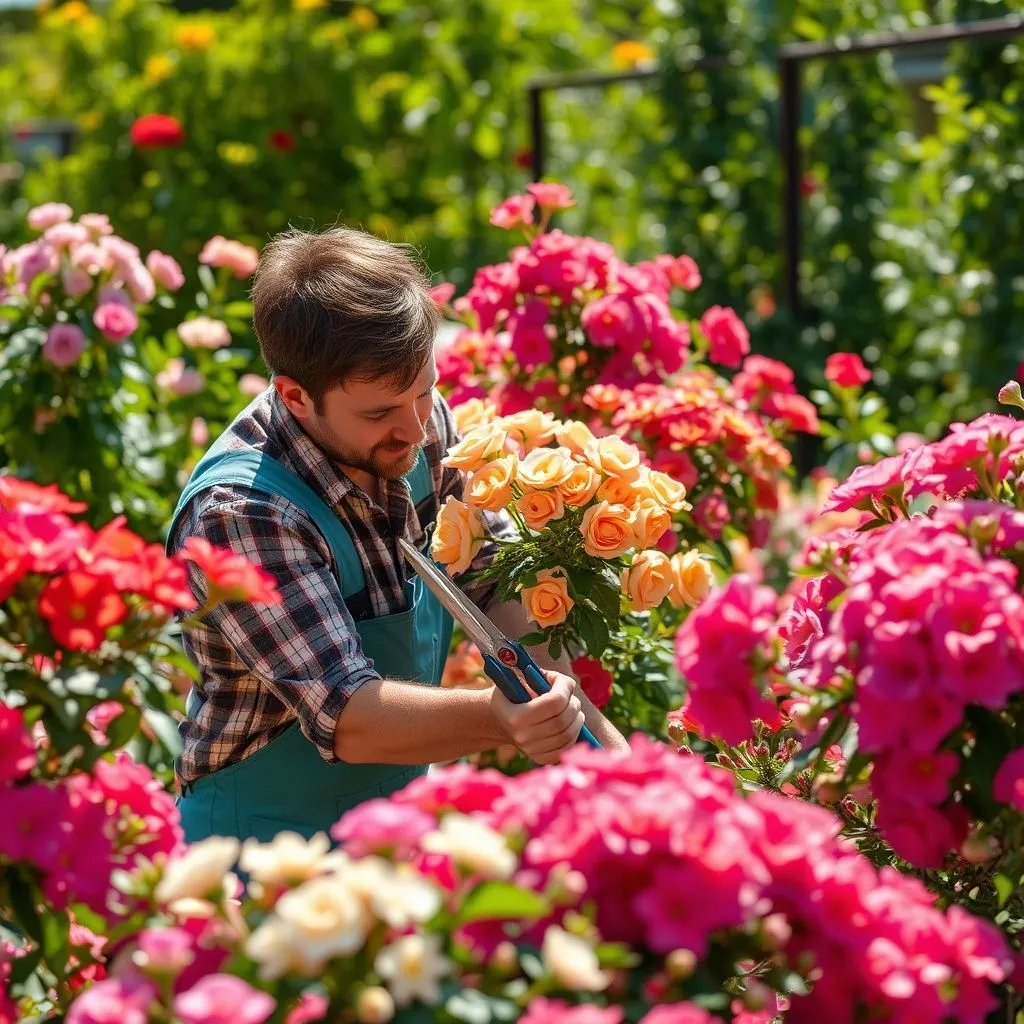
Showcasing and Caring for Prayer Plant Flowers: Your Guide to Stunning Displays and Lasting Blooms
Have you ever wondered how to best showcase your prayer plant’s beautiful flowers? Or maybe you’re eager to extend their fleeting bloom lifespan so you can enjoy their charm longer? You’re in the right place! Whether you’re a seasoned plant enthusiast or just starting your indoor gardening journey, knowing how to display and care for prayer plant flowers can truly elevate your space.
Best Practices for Displaying Prayer Plant Flowers
The way you present your flowers can make a noticeable difference in showcasing their natural beauty. Here are some tips to ensure they’re displayed for maximum visual appeal:
- Choose the Right Spot: Place your prayer plant near indirect sunlight—bright but filtered light enhances the flowers’ colors and encourages blooming. Avoid direct sun, which might scorch delicate petals.
- Create a Focal Point: Use decorative plant stands or elegant containers to draw attention. Position your prayer plant where it can be admired—perhaps on a side table, shelf, or entryway.
- Balance and Harmony: When arranging multiple plants, consider height variety and complementary foliage to craft an appealing, vibrant display. Grouping plants with contrasting textures can add depth and interest.
- Lighting & Background: Soft, natural lighting makes flowers pop, while a simple background keeps the focus on your plant’s blooms.
Extending Flower Longevity
We all love to enjoy our prayer plant’s flowers longer, right? Here are some tried-and-true techniques to prolong their lifespan:
- Maintain Consistent Care: Keep the soil evenly moist but not waterlogged. Proper watering prevents stress and encourages healthy blooming.
- Temperature & Humidity: Prayer plants favor warm, humid conditions. Use a humidifier or mist the leaves to mimic their natural environment, which can help prolong flowering.
- Prune Gently: Remove faded or brown flowers promptly. Doing so redirects the plant’s energy toward producing new blooms.
- Encourage Continuous Blooming: Fertilize your prayer plant monthly during the blooming season with a balanced, water-soluble fertilizer. This support can sustain the flowering cycle longer.
Combining Prayer Plants with Other Indoor and Outdoor Plants
Interested in creating a vibrant, dynamic plant arrangement? Combining prayer plants with other houseplants or garden plants can add visual interest and diversity. Consider these tips:
- Mix Textures & Colors: Pair prayer plants with plants that have contrasting foliage—think bold leaves or delicate flowers—to create a captivating tableau.
- Layering Plants: Arrange taller plants behind or beside your prayer plant to create depth. Think about ferns, pothos, or calatheas for a lush backdrop.
- Indoor Garden Ideas: Use a plant stand or a decorative tray to assemble a mini garden with prayer plants, succulents, and colorful bromeliads for a lively interior statement.
- Outdoor Arrangements: For patios or shaded garden beds, combine prayer plants with shade-loving perennials and annuals, forming a cozy, inviting outdoor oasis.
By showcasing your prayer plant flowers thoughtfully and caring for them with attention to detail, you’re not just growing a plant—you’re cultivating a living work of art. So, next time you see those delicate blooms, ask yourself: How can I make the most of this fleeting beauty? Whether through display techniques, care routines, or creative plant pairings, your blooming prayer plant will surely become a captivating focal point in your home or garden.
Keywords: prayer plant flowers, show off prayer plant blooms, extend flower lifespan, indoor plant arrangements, caring for prayer plant blooms
Troubleshooting Common Prayer Plant Bloom Challenges: Keep Your Flowers Vibrant and Healthy
Have you ever experienced your prayer plant’s flowers refusing to show up, or noticed blooms fading just when they start to shine? It can be frustrating, but don’t worry—most issues with prayer plant flowers are manageable once you understand the underlying causes. Let’s dive into common challenges, how to identify them, and practical solutions to keep your prayer plant flourishing with stunning blooms.
Why Do Prayer Plant Flowers Sometimes Not Appear?
If your prayer plant isn’t flowering, ask yourself:
- Is it getting enough indirect light? Insufficient light is a leading cause of non-blooming prayer plants. They thrive in bright, filtered light—so reposition your plant if needed.
- Are you overwatering or underwatering? Both can stress the plant, preventing flowering. Maintain consistent moisture, keeping soil evenly damp but not soggy.
- Could it be a nutrient deficiency? Lack of essential nutrients, especially phosphorus, can hinder blossoms. Use a balanced, water-soluble fertilizer during the active blooming season.
- Is the plant under stress? Changes in environment, drafts, or abrupt temperature shifts can delay flowering. Keep the plant in a stable, warm environment.
Pro Tip: Regularly observing your prayer plant can help you spot issues early. Addressing these factors often prompts new flowers to bloom sooner.
How to Address Fading or Drooping Blooms
When your prayer plant’s blooms start fading or drooping, it signals a need for extra care:
- Ensure optimal watering: Overwatering can lead to root rot, while underwatering causes dehydration. Use your finger to check soil moisture—water when the top inch feels dry.
- Increase humidity levels: Dried air causes blooms to fade. Mist the leaves regularly or place a humidity tray nearby.
- Trim faded flowers: Removing spent blooms not only improves appearance but also encourages the plant to produce new flowers.
- Maintain stable temperatures: Keep your plant in a warm environment—generally between 65-80°F (18-27°C)—avoiding cold drafts or sudden temperature drops.
By supporting these needs, you’ll help your prayer plant’s flowers stay vibrant and lively for longer.
Diagnosing and Treating Pest Problems
Pests are notorious for undermining your prayer plant’s health and flowering potential. Watch for:
- Spider mites: Tiny webs or speckled leaves may indicate their presence. Treat with insecticidal soap or neem oil.
- Mealybugs: White, cottony spots mainly on stems and leaf joints. Remove manually and apply neem oil.
- Scale insects: Hard-shelled pests that sap your plant’s vitality. Use soft brushes or alcohol swabs to remove them.
- Aphids: Small green or black bugs that cluster on new growth. Attract predators like ladybugs or use insecticidal soap.
Preventive measures: Regularly check your plant, maintain good hygiene, and avoid over-fertilizing to prevent pest outbreaks that delay flowering.
By understanding the common challenges faced by prayer plants and implementing our troubleshooting tips, you’ll be well on your way to enjoying lush, vibrant blooms year-round. Remember, patience and attentive care are key—your prayer plant has a remarkable ability to recover and rebloom when conditions improve.

Conclusion:
As you’ve discovered, caring for prayer plant flowers is both an art and a rewarding journey. Have you ever paused to think about how a simple splash of indirect light, proper watering, and a touch of patience can transform your plant into a vibrant focal point? Whether you’re showcasing its delicate blooms or troubleshooting those common challenges, remember that every effort you invest is a step toward nurturing a healthy, thriving prayer plant.
Are you excited to experiment with creative plant arrangements or explore ways to extend the lifespan of those beautiful blossoms? The truth is, with attentive care and a little knowledge, you can enjoy prolonged, vibrant flowering that brightens your indoor or outdoor spaces. And when pest problems or faded blooms occur, they’re just small hurdles on your journey—easily overcome with some proactive troubleshooting.
So, what’s next on your prayer plant care adventure? Keep observing, experimenting, and nurturing with confidence. Your plant’s captivating flowers aren’t just a fleeting spectacle—they’re a testament to your dedication. With consistent effort, you’ll find yourself marveling at its resilience and beauty, enriching your environment with nature’s gentle magic. After all, when you care for your prayer plant thoughtfully, you’re not just growing a plant—you’re cultivating a living masterpiece full of vitality and grace.
Dennis P. Hansen
Dennis P. Hansen is a home gardener with a genuine passion for plants and the simple pleasure of growing them. He enjoys caring for houseplants, succulents, and other plants at home while continually learning from everyday gardening experiences. Dennis likes to share practical plant care tips, useful observations, and simple solutions that can help others grow healthier plants. He believes that caring for plants is a rewarding journey and that there is always something new to learn along the way.