
8 Mistakes to Avoid in Succulent Vine Care


Table of Contents
Introduction:
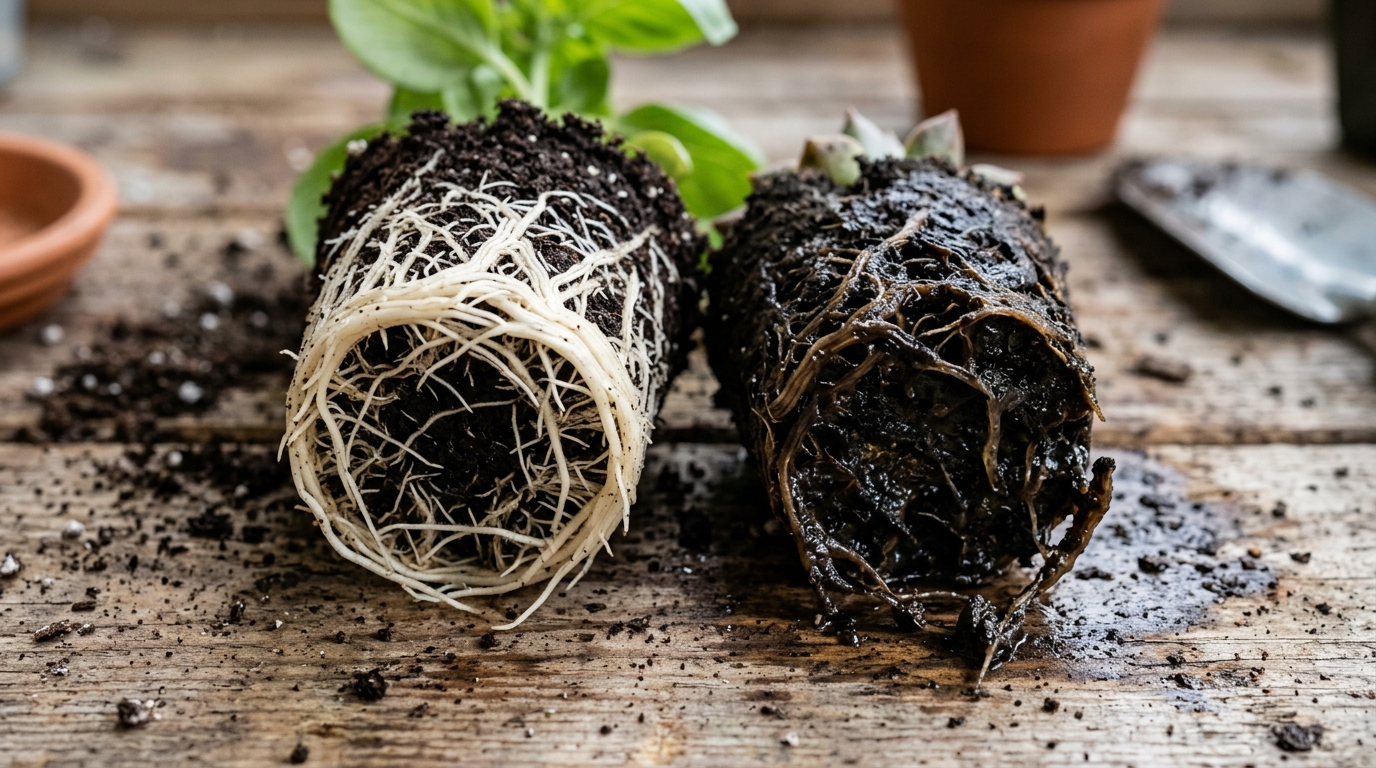
Succulent vine care can feel confusing—one week your vines look lush, the next they’re sparse or mushy. Are you watering on a schedule, guessing at light, or trusting the bagged soil that came with the plant? If you’ve wondered why growth stalls or why leaves wrinkle and drop, you’re not alone—and you don’t need a greenhouse to fix it.
In this guide, we’ll pinpoint eight common mistakes in succulent vine care and show you exactly what to do instead. You’ll get practical, evidence-based tips you can apply today, plus quick checks to help you troubleshoot before problems snowball. Whether you’re tending trailing succulents on a sunny windowsill or building a small indoor jungle, these steps will help you grow longer, fuller trails with less stress.
Here’s what we’ll cover—so you can zero in on the right fix fast:
- Watering and soil: Swap guesswork for a well-draining soil mix (add perlite for extra airflow), use bottom watering strategically, and master root rot prevention.
- Light and placement: Dial in bright indirect light and avoid drafty, hot, or cold spots that cause stretch and stress.
- Potting, pruning, and support: Choose the right pot size and materials, then pinch and train trailing succulents for dense, elegant cascades.
- Feeding, pests, and propagation: Feed lightly in the growing season, spot issues early, and propagate with confidence to refresh leggy vines.
You’ll see why each mistake happens, how to catch it early, and the simple tweaks that make the biggest difference. We’ll keep the science clear, the steps actionable, and the results visible—so your routine becomes calm, consistent, and effective.
By the end, you’ll have a streamlined approach to succulent vine care that fits real life: clear light targets, a soil and watering system that prevents problems, and a maintenance rhythm that keeps vines thriving. Ready to turn small changes into big, beautiful growth?
Succulent vine care basics: watering and soil errors to avoid
When vines start to shrivel, yellow, or drop beads and leaves, it’s usually not a mystery—it’s watering and soil. Strong succulent vine care rests on two habits: a soak-and-dry rhythm and a gritty, oxygen-rich substrate. Nail these, and most other problems fade.

Mistake 1: Watering too often; skipping soak-and-dry and seasonal pauses
Succulents store water in their leaves and stems. If the pot stays damp, roots can’t breathe, and rot creeps in from the bottom up.
What overwatering looks like:
- Leaves turn translucent, mushy, or burst at the seam.
- Soil feels cool and heavy days after watering.
- Fungus gnats or a sour smell signal stagnant moisture.
Do this instead:
- Soak-and-dry cycle: Water thoroughly until you see a steady stream from the drainage holes, then wait until the mix is dry all the way through before watering again. This mimics desert rain patterns and encourages deep, resilient roots—key to reliable succulent vine care.
- Seasonal pauses: In fall and winter (shorter days, cooler temps), metabolism slows. Stretch your intervals by 30–50% and water only when the mix is bone-dry. In spring/summer, resume a more frequent rhythm.
Handy starting points (adjust to your home):
- Growing season: every 10–14 days in average indoor conditions.
- Winter: every 21–35 days, sometimes longer.
- After repotting: wait 5–7 days before the first drink to let micro-wounds callus—an easy win for root rot prevention.
Mistake 2: Heavy, moisture-holding soil instead of a gritty mix
Many “succulent” blends are still peat-heavy. Peat compacts, clings to water, and collapses around roots—exactly what trailing vines don’t want.
Why this matters:
- Waterlogged cores create a perched water table (a soggy layer that never really dries), suffocating roots.
- Poor airflow = weak roots and opportunistic rot.
How to spot it:
- Mix stays dark and damp at the center long after the top dries.
- Hard, compressed clumps when you unpot.
- Roots circle the pot’s top layer, avoiding the wet middle.
What to use instead:
- A well-draining soil mix that’s at least 50–70% mineral for structure and airflow. Minerals hold the architecture; organics provide nutrients and a bit of moisture without swampy pockets.
Quick fix: Gritty soil recipe and watering schedule for succulent vine care
Try this easy, repeatable blend by volume:
- 1 part cactus potting mix (base organic component)
- 1 part pumice (long-lasting, doesn’t float)
- 1 part coarse perlite (boosts porosity; rinse to reduce dust)
Optional tweaks:
- For small-leaved or bead-like vines, lean drier: 1 part cactus potting mix, 2 parts mineral (pumice/perlite).
- If perlite floats, top-dress with a thin layer of decorative gravel to keep it in place and reduce algae.
Repotting steps:
- Pre-wet the mix lightly so dust settles and ingredients bind.
- Loosen old soil, trim mushy roots, and let cuts dry 30–60 minutes.
- Pot snugly—succulents prefer a “just-right” fit rather than too roomy.
- Wait several days before the first soak for extra root rot prevention.
Watering schedule (start here, then customize):
- Bright room, average humidity: water deeply, then wait until the pot feels notably lighter and a probe or chopstick comes out clean and dry.
- Use bottom watering occasionally for dense root balls—set the nursery pot in a tray for 10–15 minutes, then lift to drain. Alternate with top watering to flush salts once a month.
Why this works:
- Minerals like pumice and perlite hold micro-pockets of air so roots breathe even right after a soak.
- Deep watering followed by full drying trains roots to explore the entire pot, improving stability and nutrient uptake—smoother, fuller growth and easier succulent vine care over time.
Setup checklist: Drainage holes, cachepot care, and simple moisture tests
Small setup tweaks compound into healthier vines and fewer guesswork moments.
Container and drainage:
- Drainage holes are non-negotiable. If your decorative pot lacks them, keep the plant in a holed nursery pot and use it as a liner.
- Cachepot care: water over a sink, let drip for 5–10 minutes, then return the plant to its sleeve. Never let runoff pool at the bottom of a cachepot.
- Saucers: empty promptly. Consider pot feet to elevate the container and boost airflow.
Easy moisture tests (pick two and be consistent):
- Skewer test: Insert a wooden chopstick to the bottom. If it comes out cool or with dark debris, wait. Dry and clean = time to water.
- Pot weight: Weigh the pot (or just hand-feel) right after a soak and again every few days; water at roughly 40–50% of that wet weight.
- Finger test: In smaller pots, check 2 inches down. Cool and damp means hold; warm and dry means go.
- Meter sanity-check: If you use a moisture meter, take readings in three spots and avoid watering above “2” in a gritty mix.
Pro tips you’ll feel right away:
- Terracotta breathes and speeds dry-down; glazed ceramics retain moisture longer.
- Top-dress with gravel to keep vines clean and reduce fungus gnat interest.
- Keep a small fan on a low setting near crowded plant shelves; gentle airflow helps the mix dry evenly.
Get these fundamentals right and you’ll see the difference fast: fewer mystery declines, fewer gnats, and steadier growth. Better watering habits and an airy substrate are the backbone of confident, repeatable succulent vine care.
Light, temperature, and placement for vigorous vines
Light is the growth engine. Temperature is the throttle. Placement ties them together. If you’ve nailed watering and soil but vines are still sparse or stretching, this is where to look next. In succulent vine care, dialing in light and microclimate is the difference between leggy and lush.
Mistake 3: Not enough bright, indirect light; no grow light backup
Most indoor spots are dimmer than they look. A plant 6 feet from a window may receive 10–20× less light than one on the sill.
How low light shows up:
- Long gaps between leaves (stretching/etiolation)
- Pale, flat foliage and weaker variegation
- Sparse new growth; beads on string of pearls shrinking
- Vines leaning hard toward the nearest window
Targets that work for trailing succulents:
- Bright indirect light: aim for roughly 8,000–20,000 lux at midday. Use a free phone lux app or the “shadow test” (crisp, soft-edged shadow = good).
- Photoperiod: 12–14 hours total light daily in winter; 10–12 hours in summer usually suffices indoors.
Quick fixes:
- Move closer: place pots within 1–3 feet of bright east or south windows. West windows are great with a sheer curtain during peak afternoon.
- Remove barriers: insect screens can cut a surprising amount of light, and deep overhangs shade more than you think.
- Add a grow light backup: a 20–40W LED bar or clamp light positioned 12–18 inches above the canopy for 12–14 hours keeps growth compact. Rotate plants weekly for even exposure.
- Species nuance:
- String of pearls care: tolerates a touch of gentle morning sun alongside bright indirect light; too little light = stringy, deflated “pearls.”
- String of hearts care: thrives in bright indirect light; introduce direct sun gradually to avoid leaf scorch.
Pro tip: If you can read fine print comfortably without eye strain at plant level, you’re in the right ballpark. If you can’t, boost the light.
Mistake 4: Ignoring temperature swings, drafts, and airflow
Even perfect light can’t compensate for a turbulent microclimate. Sudden hot/cold blasts or stagnant air stress roots and leaves—and your watering schedule.
Ideal ranges:
- Day: 65–80°F (18–27°C)
- Night: a slight drop to 60–70°F (16–21°C)
- Caution zones: below 50°F (10°C) for long periods, or above 90°F (32°C) with strong sun can cause leaf scorch and stress.
Draft and vent dangers:
- AC vents: rapid chilling + dry air = leaf puckering and halted growth.
- Heat registers: hot, desiccating air spikes transpiration and can crisp tips.
- Window glass in winter: leaves touching cold panes may scar.
Airflow that helps (without overdrying):
- Aim for gentle, consistent movement—think a small fan on low across the room, not directly blasting the plant.
- Space pots so foliage isn’t matted together; this speeds dry-down and supports root rot prevention.
Microclimate audit:
- Put your hand where the vines live. Is the air still? Is there a notable temperature change morning vs. afternoon? Adjust placement before changing your whole watering routine. This is smart, efficient succulent vine care.
Placement tips: Best windows, light distance, and safe sun acclimation
Use this simple placement playbook to lock in consistency.
Best windows:
- East: soft morning sun + long bright window—great default for trailing succulents.
- South: bright all day; use sheer curtains midday or set plants 1–3 feet back.
- West: strong afternoon sun—filter with a sheer to prevent scorch in summer.
- North: often too dim without a grow light backup.
Distances that work:
- East/south sills: 0–12 inches from glass with a sheer during peak sun.
- West: 12–36 inches behind a sheer, especially in summer.
- With LEDs: start at 12–18 inches above the canopy; adjust up or down if leaves pale (too close) or stretch (too far).
Safe sun acclimation (7–14 days):
- Days 1–3: 30–60 minutes of direct morning sun, then bright indirect light.
- Days 4–7: increase to 1–2 hours; watch for bleaching or crispy edges.
- Week 2: 2–4 hours if the plant is responding well. Pause if leaves feel hot to the touch or fade quickly.
- Maintain: keep consistent bright indirect light the rest of the day.
Seasonal adjustments:
- Winter: move plants closer to windows or extend grow light hours; glass and short days reduce intensity.
- Summer: pull back a few inches or add a sheer during heat waves; rooms can spike well above the forecast near glass.
Small upgrades with big payoff:
- Rotate 90° weekly to prevent one-sided growth.
- Clean glass and leaves monthly—dust can noticeably cut light.
- Avoid crowding shelves; an extra inch of space improves airflow and light penetration.
When light, temperature, and placement are in harmony, everything else in succulent vine care gets easier—watering intervals stabilize, growth tightens up, and your vines trail with confidence.
Potting, pruning, and support for fuller, longer trails
You’ve nailed watering and light—now let’s turn those thin, stringy strands into dense cascades. The fastest upgrades in succulent vine care come from right‑sizing the pot, guaranteeing drainage, and shaping growth with confident snips and smart supports.
Mistake 5: Wrong pot size or no drainage; water trapped in sleeves
Pot size controls moisture. Too big, and the mix stays wet for days; too small, and roots coil at the edges and dry too fast. Both stall growth and risk rot.
Spot the issue
- Oversized pot: soil stays cool and damp in the center; yellowing, mushy leaves; fungus gnats.
- Undersized pot: roots circling; water runs down the sides; plant topples easily.
- No drainage or trapped water: cachepots (“decorative sleeves”) hide runoff that keeps roots soaked.
Fix it fast
- Right-size guide: upsize only 1–2 inches wider than the current root ball. Trailing succulents prefer shallow, wider pots for stability and quicker dry‑downs.
- Drainage is non‑negotiable: choose pots with holes. If you love a sleeve, keep the plant in a perforated nursery pot and lift it out to water. Empty saucers and cachepots every time.
- Skip the “drainage layer” myth: pebbles create a perched water table. Use one uniform, well-draining soil mix instead.
- Best materials: terracotta breathes and speeds up dry‑time; glazed ceramic retains moisture longer; plastic is light but can run wet—adjust watering accordingly.
- Mix refresher for root rot prevention: use a cactus potting mix amended with extra mineral content—think pumice and perlite—for airy structure that dries predictably.
When to repot
- Roots circle densely, the plant lifts with the soil, or you’re watering every few days despite a gritty mix. Spring is ideal for a stress‑free move.
Mistake 6: Skipping pinching, pruning, or trellising; leads to leggy growth
Left alone, many vines obey apical dominance—the tip grows, side shoots nap. The result: long, sparse strands. Strategic pruning wakes up dormant buds and multiplies branches, a cornerstone of succulent vine care.
What happens without it
- Long internodes, few leaves, and bald crowns.
- “One‑sided” plants leaning toward the light.
- Tangled strings that can’t support their own weight.
What to do instead
- Pinch young tips: remove 0.5–1 inch above a node to break apical dominance. Each cut can trigger 2–3 new shoots.
- Shape with intent: trim the longest 20–30% of vines first to even the canopy.
- Use supports where helpful: a small hoop or mini‑trellis can guide growth for fuller coverage—especially useful for hoya and other semi‑succulent vines.
- Species nuance:
- String of hearts care: loop vines back onto the soil and pin nodes with U‑clips; they root and thicken the crown.
- String of pearls care: lay cut vines on top of the mix with pearls above the surface; anchor lightly so nodes contact the soil without staying soggy.
Aftercare
- Sterilize tools with 70% isopropyl before each cut.
- Let cut ends callus 24–48 hours before heavy watering.
- Keep plants in bright indirect light while new buds form.
How-to: Train vines and prune nodes to stimulate branching for succulent vine care
Follow this simple, repeatable routine for dense, elegant trails.
- Prep your tools and pot
- Tools: sharp snips, U‑pins or paperclips, soft plant ties.
- Check the pot: confirm drainage holes; refresh the top inch with a well-draining soil mix (cactus potting mix + pumice + perlite).
- Map your cuts
- Identify 3–6 longest vines. Cut just above a node with healthy leaves.
- Aim for symmetry: work around the plant so light reaches all sides.
- Tuck‑back for instant fullness
- Coil trimmed vines on the soil surface and pin nodes every 1–2 inches.
- Lightly top‑dress with gravel to keep contact and tidy the look.
- Set gentle support
- Insert a low hoop or mini‑trellis at the pot’s edge. Tie vines loosely in a spiral to expose more nodes to light (more light = more branching).
- Time your water
- Wait 3–5 days post‑prune, then water deeply and let dry out fully. This spacing reduces the risk of rot while cut surfaces harden.
- Maintain the momentum
- Pinch tips monthly during active growth to keep branching.
- Repot every 12–18 months or when the root ball fills the pot.
- Rotate 90° weekly so new shoots develop evenly.
Common pitfalls to avoid
- Burying pearls or hearts—keep leaves above soil to prevent rot.
- Heavy pruning in winter; growth is slower and recovery lags.
- Tight ties that constrict stems; use soft, adjustable loops.
With the right pot, real drainage, and confident shaping, you’ll see fuller crowns and longer, balanced cascades. This is the quiet power of precise succulent vine care—small, consistent tweaks that compound into lush results.

Feeding, pests, and propagation for long‑term success
Think of this as your long game. In succulent vine care, measured feeding, early pest detection, and a simple propagation routine give you fuller trails and fewer surprises. If you’ve ever scorched tips with fertilizer or spotted cottony specks overnight, this section will calm the chaos and make your care routine predictable.
Mistake 7: Over‑fertilizing or feeding in winter; using high‑salt formulas
Succulents are efficient. Too much fertilizer (or feeding when growth is slow) stresses roots and invites salt buildup.
How overfeeding shows up:
- Crispy tips, brown leaf edges, or sudden leaf drop
- White crust on the soil surface or pot rim
- Stalled growth despite good light and watering
What to do instead:
- Feed lightly, only in the growing season: every 4–6 weeks from spring through early fall.
- Use low‑salt, urea‑free fertilizer at 1/4 strength. A balanced 3‑1‑2–style formula keeps growth compact and sturdy.
- Always feed on damp soil. Water first, then apply your diluted feed. Dry roots + fertilizer = burn.
- Skip winter feedings. Short days slow metabolism; let plants rest.
- Flush salts monthly: top‑water thoroughly until you see a generous runoff. This is quiet insurance for root rot prevention.
Pro tip for trailing succulents: Aim for “steady lean nutrition,” not feast‑or‑famine. You’ll see tighter internodes and stronger color without bloating leaves.
Mistake 8: Overlooking pests and disease; late action on mealybugs or mites
Pests love hidden crevices and hanging baskets. A weekly 60‑second inspection is the cheapest insurance in succulent vine care.
What to look for:
- Mealybugs: white cotton in nodes and along stems; sticky honeydew
- Spider mites: fine webbing, sand‑grain specks, and pale stippling on leaves
- Root mealybugs: plants decline despite clean foliage; check roots for white fuzz
- Fungus gnats: tiny flies hovering near soil—usually a sign of persistently damp media
Fast, plant‑safe responses:
- Quarantine: Move the plant away from others immediately.
- Manual removal: Dab visible mealybugs with 70% isopropyl alcohol on a cotton swab. Repeat every 3–4 days until gone.
- Gentle sprays: Use an insecticidal soap at 1–2% on a test leaf first; rinse after 20–30 minutes. Avoid heavy oils on bead‑leaf species (string of pearls care) to prevent suffocation.
- For mites: Increase gentle airflow, reduce dust, and use a miticide labeled for houseplants—or deploy predatory mites as a clean, targeted option.
- Soil pests: For gnats or root mealybugs, unpot, remove old soil, and repot into a fresh, well‑draining soil mix. Add extra perlite for airflow and dry‑downs. Sticky traps help monitor adults.
- Sanitation: Wipe shelves, pots, and tools. Inspect nearby plants; treat promptly if needed.
If you’ve battled a heavy outbreak, consider a systematic follow‑up schedule (Days 0, 7, 14) to catch late hatchlings. Consistency beats intensity.
Quick wins: Simple propagation and quarantine routine to keep succulent vine care on track
Propagating gives you backup plants and instantly thickens sparse crowns.
A repeatable method for vining cuttings:
- Take cuttings 4–6 inches long with at least 3–5 nodes. Trim just above a node.
- Let cut ends callus 24–48 hours in a dry, shaded spot.
- Prep a shallow tray with a well‑draining soil mix and extra perlite (aim for an airy, gritty texture).
- Lay cuttings on the surface so nodes touch the mix; lightly pin in place. Keep leaves (or “pearls”) above the substrate.
- Bright, indirect light; no direct sun at first. Mist the surface lightly every few days; avoid soggy conditions.
- After 2–4 weeks, check for roots. Begin gentle, deep watering with full dry‑downs between.
Species nuance:
- String of pearls care: Keep “pearls” dry and elevated; focus on node‑to‑soil contact.
- Crown‑thickening: Loop long vines back onto the soil and pin nodes. It’s the fastest way to bulk up the plant you already have.
Quarantine made easy:
- Isolate new plants and fresh cuttings for 14 days.
- Inspect on Day 1, 7, and 14 with a bright flashlight—especially nodes, undersides, and soil line.
- Only after two clean checks should you place them near your collection.
Final action plan for succulent vine care: monthly tasks, alt text for images, and trusted internal/external links
Make success automatic with a lightweight checklist.
Weekly (5 minutes):
- Inspect leaves, nodes, and soil line for pests; wipe dust.
- Rotate plants 90° for even growth and light exposure.
- Confirm airflow (a small fan on low across the room is perfect).
Monthly:
- Feed at 1/4 strength in spring–early fall; skip winter.
- Flush salts with a long, thorough top‑water.
- Groom: pinch overly long tips to encourage branching.
- Audit moisture: if dry‑downs are slow, add perlite at your next repot.
Seasonally:
- Spring: Repot if root‑bound; refresh the top inch of mix.
- Summer: Add sheer curtains during heat waves; check vines more often for mites.
- Fall/Winter: Lengthen light hours if growth stalls; pause feeding.
Alt text that actually helps readers (and SEO):
- Be specific, action‑oriented, and under ~125 characters.
- Include plant/technique and one benefit where natural.
- Examples:
- “Dabbing mealybugs with alcohol on trailing succulents to stop spread”
- “Pinning vine nodes onto perlite‑rich mix for faster branching”
- “Diluting fertilizer to quarter strength for safe succulent vine care”
Linking that builds trust:
- Internal links: point to your watering guide, gritty soil recipe, and pruning tutorial to reinforce root rot prevention and training steps.
- External references: link to reputable resources on houseplant pests and IPM (university extensions, horticultural societies). Use clear anchor text like “spider mite identification” or “mealybug control.”
With this cadence, your nutrient routine stays gentle, pests never get a head start, and fresh cuttings keep the display full—all the compounding benefits of thoughtful, consistent succulent vine care.
Conclusion:
You’ve got the playbook now—and the confidence to use it. Succulent vine care isn’t about perfection; it’s about a handful of consistent habits that stack up to longer, fuller trails. Before you close this tab, ask yourself: Which one change will you make today—light, soil, or pruning? Pick it, do it, and watch your routine get easier.
Quick recap—8 pitfalls and the simple fixes:
- Watering too often: switch to soak‑and‑dry and extend intervals in winter.
- Heavy soil: repot into a well-draining soil mix with added perlite for airflow.
- Dim conditions: move closer to bright indirect light or add a small LED.
- Drafts and heat spikes: keep vines away from vents and cold glass.
- Wrong pot/no drainage: use holes, skip “drainage layers,” and empty cachepots.
- No pruning/trellis: pinch tips and guide vines to spark branching.
- Overfeeding: fertilize lightly in the growing season; pause in winter.
- Late pest response: inspect weekly and treat mealybugs or mites fast.
Your next 10‑minute moves:
- Light: place trailing succulents within 1–3 feet of an east or south window (filtered as needed). If growth is still stretchy, extend photoperiod with a grow light.
- Soil: refresh the top inch with a gritty blend; add perlite to speed dry‑downs and support root rot prevention.
- Watering rhythm: after a deep soak, let the mix dry completely. Use bottom watering only to rehydrate dense root balls, then top‑water monthly to flush salts.
- Shape: pinch the longest tips to break apical dominance and thicken the crown.
- Protect: do a quick node‑by‑node check for cottony specks or webbing; quarantine new plants for 14 days.
Troubleshooting at a glance:
- Stretchy, pale vines = boost light intensity or duration.
- Mushy leaves + fungus gnats = too much moisture; lighten the mix and lengthen intervals.
- Crispy edges near windows = heat or draft; shift placement a few inches.
- Slow dry times = add mineral content and improve airflow.
- Sparse crowns = pinch and loop vines back over the soil to root new nodes.
Whether you’re refining string of hearts care or dialing in a mixed shelf of trailing succulents, the formula stays steady: bright indirect light, an airy, well-draining soil mix, measured watering, gentle feeding, and early pest checks. That’s sustainable, low‑stress succulent vine care.
So, what’s your first small win—moving a pot closer to the window, swapping to a grit‑rich blend, or taking a few smart cuttings? Bookmark this guide, take a quick “before” photo, and revisit in a month. With clear signals and simple systems, succulent vine care becomes calm, repeatable, and visibly rewarding.
Dennis P. Hansen
Dennis P. Hansen is a home gardener with a genuine passion for plants and the simple pleasure of growing them. He enjoys caring for houseplants, succulents, and other plants at home while continually learning from everyday gardening experiences. Dennis likes to share practical plant care tips, useful observations, and simple solutions that can help others grow healthier plants. He believes that caring for plants is a rewarding journey and that there is always something new to learn along the way.