
How to Master Succulent Care Outdoors in 9 Easy Wins


Table of Contents
Introduction:
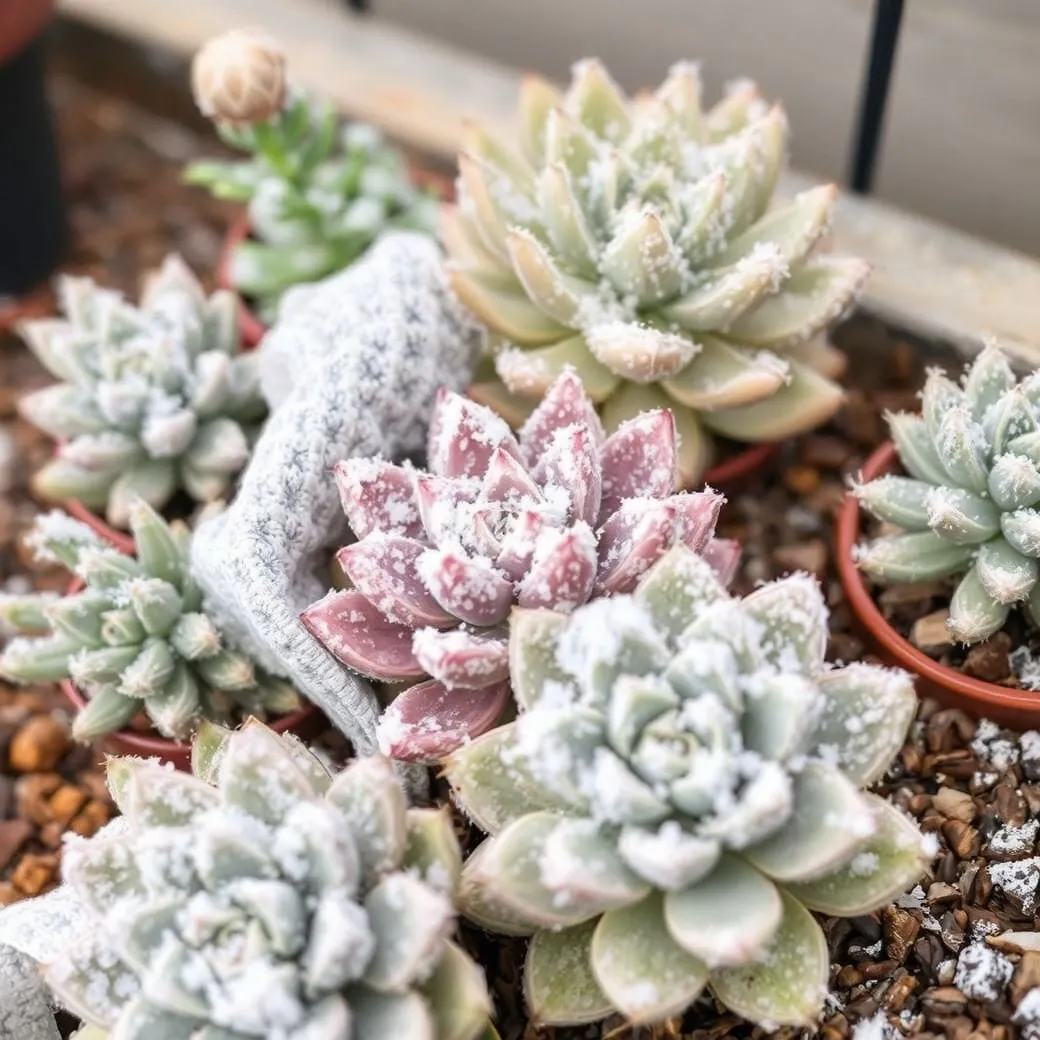
If you love bold texture and low-maintenance plants but hate guesswork, you’re in the right place. With succulent care outdoors, you can turn a balcony, patio, or garden bed into a resilient, color-rich display that thrives with minimal fuss. The secret? Pairing sun, airflow, gritty soil, and a clean watering rhythm to match your climate.
You might be asking: Can succulents survive outdoors in your zone? Can succulents take full sun outside, or is morning sun safer? How often should I water my succulents outside as seasons shift? In the next sections, we’ll walk through 9 easy wins that remove trial and error and help you get consistent, vibrant growth.
What you’ll learn:
- Smart sun placement: when full sun works, when filtered light prevents scorch, and how to acclimate plants gradually.
- Soil that protects roots: a fast-draining, mineral-rich mix and proper pot selection to eliminate soggy, oxygen-poor conditions.
- Watering with confidence: a simple schedule guided by temperature, pot size, and species—water less, grow better.
- How to care for succulents outdoors in pots: breathable containers, gravel top-dress, and airflow that keeps rot at bay.
- Seasonal protection: Can succulents live outside in winter, and can succulents stay outside in rain? Learn exactly when to shelter and how.
By the end, you’ll have a clear, repeatable plan for succulent care outdoors—no stretching, no rot, just tighter rosettes, richer color, and steady growth. Let’s dive into the practical, step-by-step wins that make succulent care outdoors both simple and rewarding.
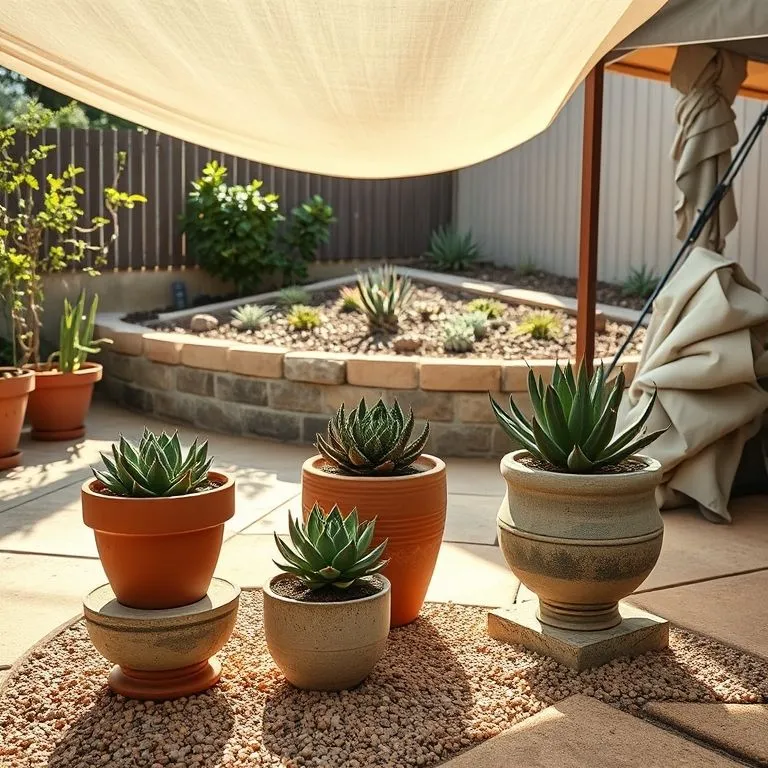
Succulent care outdoors: quick-start roadmap (what you’ll learn)
Can succulents survive outdoors? Climate, zones, and acclimation steps
Short answer: yes—if you match the plant to your climate and ease it into new conditions. Think “right plant, right place,” then gradual exposure.
- Know your zone:
- Warm/wet winters (USDA 9–11): Echeveria, Aloe, Crassula, and many Agave thrive with light frost protection.
- Cold winters (USDA 4–8): Sempervivum and hardy Sedum laugh at snow; select cold-hardy Agave (e.g., A. parryi) with excellent drainage.
- Map microclimates:
- South-facing walls radiate heat; overhangs reduce rain exposure.
- Windy corners dry soil fast but cool leaves; enclosed patios hold humidity.
- Ground vs. pot: pots heat/cool faster—great for fine-tuning succulent care outdoors.
- Acclimation that sticks (10-day sun plan):
- Days 1–3: Bright shade + 2–3 hours morning sun.
- Days 4–6: Add 1–2 hours; watch for pale patches or crispy tips.
- Days 7–10: Move to final spot; consider 30–40% shade cloth in hot, dry climates.
- Pro tip: pause fertilizer and deep watering during acclimation to reduce sunburn risk.
With a climate-first approach and a calm ramp-up, succulent care outdoors becomes predictable—not a gamble.
Succulent plant outdoor essentials: sun, airflow, soil, and drainage
Dial these four levers and most problems disappear.
- Sun (smart exposure):
- Aim for 4–6 hours of gentle morning sun; protect from harsh afternoon rays in summer.
- Wondering, “Can succulents take full sun outside?” Many can—after acclimation and with airflow. Start morning-sun strong, then test mid-day light incrementally.
- Airflow (mold and pest insurance):
- Space rosettes so leaves don’t touch; leave 4–6 inches between plants.
- Avoid stagnant corners; use plant risers to let breezes circulate under pots.
- Soil (fast-draining by design):
- Go gritty: 60–80% mineral (pumice, 1/4″ gravel, coarse sand) + 20–40% organic (pine bark fines or sifted compost).
- For in-ground beds, mound soil or create raised, sloped berms to shed water.
- Drainage & containers (no soggy roots):
- Pots need large drainage holes; terracotta breathes and dries faster than glazed ceramic.
- Add a 1/2″ gravel top-dress to reduce splash, wick moisture from crowns, and keep leaves clean—an easy win for succulent care outdoors.
These essentials form a resilient “set and forget” baseline for your succulent plant outdoor setup.
How to care for outdoor succulents? 9 easy wins to start strong
Here’s your quick-start checklist to make succulent care outdoors low-fuss and high-reward.
- Place for success: prioritize morning sun, test afternoon exposure slowly.
- Set the soil: use a gritty, mineral-forward mix; avoid peat-heavy potting soils.
- Elevate everything: use pot feet and sloped beds so water exits fast.
- Water on cues, not a clock: soak fully, then wait until the top 2 inches are dry and leaves feel slightly pliable.
- Asking, “How often should I water my succulents outside?” Expect weekly to biweekly in heat; every 3–4 weeks (or less) in cool seasons.
- Stress, safely, for color: slightly brighter light + lean watering = richer pigments without scorch.
- Feed lightly: a dilute, low-nitrogen feed (1/4 strength) once in late spring and early summer.
- Guard against pests: inspect new plants; treat mealybugs with 70% isopropyl + a drop of soap or horticultural oil.
- Winterize smart: keep pots dry ahead of cold snaps; move tender species near walls or under eaves.
- Track and tweak: note sun hours, rain totals, and results—small data, big gains.
Can succulents stay outside in rain? When to shelter and how
Rain can be a free, gentle watering—if temperatures are mild and drainage is excellent. Trouble starts when it’s cool, dark, and soggy for days.
- When rain is helpful:
- Warm temps (55–85°F), breezy conditions, and fast-draining mixes.
- Clean foliage and a light nutrient boost from the sky.
- Shelter triggers (move or cover):
- Forecast of 48+ hours of rain with temps below ~50°F.
- Clay-heavy or compacted soil that puddles.
- Dense rosettes (Echeveria) and tender species recently repotted or not fully rooted.
- Easy protection tactics:
- Slide pots under eaves, a covered porch, or a patio umbrella.
- Use vented pop-up canopies or 30% shade cloth to blunt downpours while maintaining airflow.
- Tilt pots slightly, raise them on feet, and add gravel top-dress to keep crowns dry.
- After-rain reset:
- Gently shake water out of tight rosettes, then let the breeze finish the job.
- If soil stays wet >3 days, relocate to brighter, breezier conditions.
Handle storms with simple shelters and you’ll keep momentum in your succulent care outdoors routine—even in a rainy week.
Sun and placement strategy for succulent care outdoors
Getting sun and placement right is the single biggest lever in succulent care outdoors. Where you set your plants determines color, compact growth, and resilience. Think of light like seasoning: the right amount makes everything pop—too much, and it burns.
Can succulents take full sun outside? Morning vs. afternoon light, shade cloth
Short answer: yes, some can—but context matters. Morning sun is gentler; afternoon sun is hotter and more intense, especially in late spring and summer.
- Start with morning light:
- East-facing spots deliver 4–6 hours of kind, photosynthesis-rich rays.
- Transition to stronger light slowly to avoid scorch.
- Use full sun selectively:
- Thick-leaved Agave, many Opuntia, and hardy Sedum handle full sun after acclimation.
- Rosette beauties like Echeveria often prefer bright morning sun + light afternoon shade.
- Shade cloth is your friend:
- 30–40% shade cloth softens harsh midday rays while preserving color.
- In desert climates, go 40–50% during heatwaves (95°F+/35°C+).
- Read the leaves:
- Too much sun: bleached patches, crispy margins.
- Too little sun: stretched, floppy growth, pale leaves.
- Just right: compact rosettes, saturated color, tight internodes.
Pro move for succulent care outdoors: place pots where you can slide them a few feet as seasons shift—small moves, big gains.
How to plant succulents outside in the ground: site prep, spacing, sloped beds
In-ground planting is all about drainage and microclimates. If water moves, roots breathe—and thrive.
- Test drainage first
- Dig a 12″ x 12″ hole, fill with water, let it drain; refill. If the second fill drains within 30–60 minutes, you’re golden. Over 2 hours? Build raised, sloped beds.
- Shape the site
- Create a 2–5% slope or 4–8″ berms so rain sheds fast.
- Angle rosettes slightly downhill to keep water from pooling at the crown.
- Craft the soil
- Aim for a gritty blend: 60–80% mineral (pumice, crushed lava, 1/4″ gravel) + 20–40% organic (pine bark fines or sifted compost).
- Avoid pure peat mixes; they hold water too long for most succulent plant outdoor beds.
- Space for airflow and growth
- Small rosettes (2–4″): 6–8″ apart.
- Medium rosettes (4–8″): 10–14″ apart.
- Agave/Aloe: give mature spread room—18–36″+ depending on species.
- Lock in a clean finish
- Top-dress with 1/4″ gravel to reduce splash and suppress weeds.
- Water once to settle soil; then let the top few inches dry before the next soak.
Tip: Use stones and boulders as heat sinks near tender species—warm days, mild nights, steadier succulent care outdoors.
Growing succulents in pots: choosing materials, airflow, and size
Containers give you precision control—perfect when your climate is moody or space is tight.
- Pick the right material
- Terracotta: porous and fast-drying—great for humid areas.
- Glazed ceramic: holds moisture longer—useful in arid regions or for thirsty species.
- Concrete/fiber cement: stable, slow to heat/cool; heavy and durable.
- Plastic/resin: lightweight, retains moisture; add pot feet for airflow.
- Size and shape that fit
- Choose a pot 1–2″ wider than the root ball (or 5–10% larger).
- Wide, shallow pots suit rosettes; deeper pots support taproots (some Aloes, Agaves).
- Airflow and placement
- Elevate pots on feet or grids; never let saucers hold standing water.
- Keep 4–6″ between containers so breezes can do their work.
- Avoid reflective glare from glass or white walls that can double the heat load.
Done right, growing succulents in pots becomes a flexible backbone of succulent care outdoors—easy to tweak as seasons change.
Planting succulents outside in pots: gritty mix, drainage holes, and top-dress
Potting is a process. Follow these steps for stress-free, root-healthy results.
- Prep the container
- Ensure large drainage holes; cover with mesh—not rocks—to prevent soil loss without creating a perched water table.
- Mix the medium
- Go gritty: about 70% mineral (pumice, lava rock, coarse sand) + 30% organic (pine bark fines). Adjust to climate—more mineral in humid zones.
- Set the plant
- Tease away excess nursery peat; keep roots intact when possible.
- Seat the crown slightly above the rim to keep leaves dry during watering.
- Fill and firm
- Backfill with the gritty mix, tapping the pot to remove air pockets.
- Top-dress for function and polish
- Add 1/4–1/2″ gravel or pumice to keep crowns dry and leaves clean.
- Water and acclimate
- If you trimmed roots or planted cuttings, wait 2–3 days before the first watering. If not, water once to settle, then let the mix dry well.
- Park in bright shade for a week; then reintroduce morning sun.
Repeatable systems win. When planting succulents outside in pots with this method, you’ll see tighter growth, richer color, and fewer issues—exactly what we want from succulent care outdoors.
Water, soil, and seasonal rhythms for succulent care outdoors
Master these three levers—water, soil, and timing—and succulent care outdoors becomes simple, repeatable, and low-stress. Your climate sets the tempo; your soil mix and container choices fine-tune it. Together, they dictate how often you water, how you winterize, and when to pivot indoors.
How often should I water my succulents outside? Signs, seasons, and schedules
If you’ve ever asked, “How often should I water my succulents outside?” you’re not alone. The honest answer: water by cues, not the calendar.
- Use the three-cue method:
- Soil: Top 2–3 inches are bone-dry and gritty to the touch.
- Leaves: Slightly flexible, not mushy or brittle.
- Pot weight: Noticeably lighter than after a soak.
- Seasonal cheat sheet (adjust 20–30% based on pot size, soil, and wind):
- Spring (60–80°F / 16–27°C): Every 7–14 days.
- Summer (85–100°F+ / 29–38°C+): Every 4–7 days in small pots; 7–10 in larger pots. Morning watering beats heat.
- Fall (55–75°F / 13–24°C): Every 10–21 days as growth slows.
- Winter (35–55°F / 2–13°C): In mild climates, monthly or less; in cold-wet zones, keep almost dry.
- Container vs. in-ground:
- Pots dry faster (especially terracotta), so expect more frequent watering.
- In-ground beds with sloped, mineral-rich soil often need far less water.
- Technique that prevents rot:
- Soak-to-drain thoroughly, then let the mix dry well before the next watering.
- Water at dawn to fuel photosynthesis and reduce evaporation.
- Leach salts monthly by watering 2–3x in a row until runoff runs clear (especially if using tap water).
Remember: slight underwatering is safer than overwatering—one of the golden rules of succulent care outdoors.
Can succulents live outside in winter? Cold-hardy picks and freeze protection
Yes—many can, with the right species and protection. Winter is the stress test for succulent care outdoors, so plan by hardiness and moisture control.
- Cold-hardy champs (great for USDA 4–8 with drainage):
- Sempervivum (hens & chicks), hardy Sedum (e.g., S. rupestre, S. reflexum), Delosperma (ice plant)
- Agave parryi, Agave neomexicana; Opuntia humifusa and related prickly pears
- Tender or borderline (often USDA 9–11):
- Echeveria, many Aloes, Crassula ovata—protect these or overwinter indoors in cold regions.
- Winter moisture management:
- Keep crowns dry and soil lean. Wet + cold = rot.
- Add a 1/4–1/2″ gravel top-dress to shed water from rosettes.
- Water sparingly during dormancy; allow longer dry periods.
- Freeze protection playbook:
- Cover before dusk with breathable frost cloth (not plastic). Use a simple frame so fabric doesn’t touch leaves.
- Anchor covers against wind; remove in the morning to restore light and airflow.
- Tuck containers near south-facing walls, under eaves, or in cold frames.
- In a deep freeze, move pots into a bright garage or porch just above freezing.
- Timing and feeding:
- Stop fertilizing 6–8 weeks before first frost; soft growth is frost-prone.
- After severe cold, wait to prune damage until new growth returns.
Dry, fast-draining soil plus targeted covers is the winning winter combo for succulent care outdoors.
How to care for succulents outdoors in pots: watering, light, and feeding
Growing succulents in pots gives you precision control—ideal if your weather swings from heatwaves to cold snaps.
- Watering that fits pots:
- Smaller pots dry quickly; check more often in summer.
- Terracotta breathes (dries faster); glazed or plastic retains moisture longer.
- Always ensure large drainage holes and use pot feet for airflow.
- Light that builds color without scorch:
- Prioritize 4–6 hours of morning sun; introduce afternoon sun gradually.
- Rotate pots weekly for even growth; back off if you see bleached patches.
- During heatwaves, add 30–40% shade cloth midday.
- Feeding for steady, compact growth:
- Use a low-nitrogen, balanced succulent fertilizer at 1/4 strength.
- Feed once in late spring and once in early summer; skip late-season feedings.
- Flush with clear water after two or three feedings to prevent salt buildup.
- Soil that works for you:
- A gritty mix (~70% mineral like pumice/lava/coarse sand + ~30% organic) dries predictably.
- Top-dress with gravel to keep crowns clean and moisture off leaves.
Dial these in, and your container routine becomes a cornerstone of succulent care outdoors—predictable, colorful, and low-fuss.
How to care for succulents indoors: when weather turns extreme
Sometimes the forecast calls the shots. Move plants inside when prolonged rain + cold, hard freezes, hail, wildfire smoke, or 105°F+/40°C+ heat threaten.
- Smooth transitions:
- Before moving indoors, rinse leaves and inspect for pests. Quarantine new or affected plants.
- Acclimate light over 5–7 days: bright shade → east window → south/west window or grow lights.
- Indoor light that prevents stretch:
- Aim for a bright south or west window. If light is weak, supplement 10–12 hours/day with full-spectrum LEDs positioned 8–14″ above plants.
- Rotate weekly to keep rosettes compact.
- Watering indoors (less is more):
- Evaporation slows inside. Reduce frequency by 30–50% versus outside.
- Stick to the three-cue method and avoid saucers with standing water.
- Boost airflow with a gentle fan to deter fungus gnats and mildew.
- Reset for the return outside:
- When weather stabilizes, re-acclimate to sun over 7–10 days.
- Resume your outdoor schedule, starting with morning light and gritty soil that drains fast.
With a clear indoor backup plan, you can ride out extremes and jump right back into consistent, healthy growth—keeping your succulent care outdoors routine on track year-round.
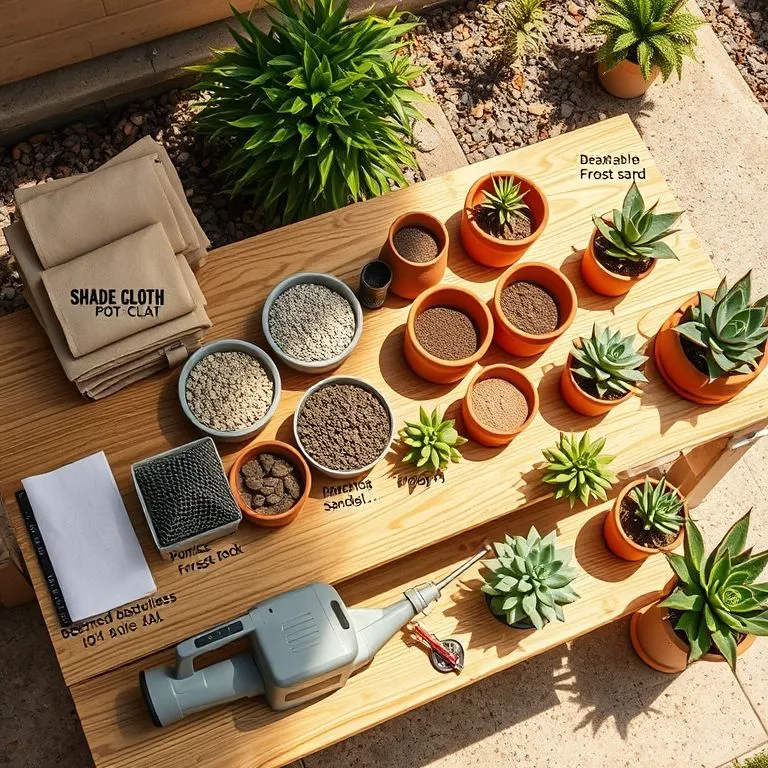
Action plan, mistakes to avoid, and tools to master succulent care outdoors
You don’t need guesswork—you need a repeatable system. This action plan turns succulent care outdoors into a clean routine you can run in minutes each week. Wondering how to care for outdoor succulents day to day? Start here, then fine-tune with your climate and microclimates.
9 easy wins checklist: sun placement, airflow, watering rhythm
- Place for morning power
- Aim for 4–6 hours of gentle morning sun; slide plants a few feet seasonally. Can succulents take full sun outside? Yes—after slow acclimation and with airflow.
- Map microclimates
- Warmer near walls, cooler in breezy corners. Use these zones to color up sun-lovers and shelter tender rosettes.
- Elevate for airflow
- Pot feet, plant risers, and sloped beds prevent soggy bases and keep roots oxygenated.
- Build a gritty soil foundation
- Use ~70% mineral (pumice/lava/coarse sand) + ~30% organic (pine bark fines). This is the backbone of reliable succulent care outdoors.
- Water by cues, not the calendar
- Ask yourself: How often should I water my succulents outside? Soak thoroughly, then wait until the top 2–3 inches are dry, leaves feel slightly flexible, and the pot is lighter.
- Add a protective top-dress
- 1/4–1/2″ gravel or pumice keeps crowns dry, reduces splash, and looks sharp.
- Shade cloth on standby
- During heatwaves, clip on 30–40% shade cloth midday to prevent scorch without sacrificing color.
- Plan for rain and winter
- Can succulents stay outside in rain? Yes—when warm, breezy, and well-drained. In cool, prolonged storms or frost, move pots under eaves or cover with breathable fabric.
- Log tiny tweaks
- Track sun hours, watering dates, and outcomes. Monthly photos make improvements obvious—and succulent care outdoors more consistent.
Common mistakes to avoid: overwatering, full-sun shock, soggy soil
- Watering on a schedule
- Fix: Use soil feel, leaf firmness, and pot weight. Slight underwatering beats chronic wet feet.
- Over-potting new plants
- Fix: Choose a pot just 1–2″ wider than the root ball. Oversized containers stay wet too long.
- Peat-heavy mixes
- Fix: Go mineral-forward with a gritty mix to prevent perched water tables and root rot.
- Full-sun shock after indoor growth
- Fix: 7–10 days of acclimation. If you’re asking, Can succulents take full sun outside? Yes—with gradual exposure and airflow.
- Trapped water in saucers
- Fix: Use pot feet and empty saucers immediately, especially when growing succulents in pots.
- Crowded rosettes, poor airflow
- Fix: Space plants so leaves don’t touch; rotate containers for even light.
- Late-season fertilizing
- Fix: Stop feeding 6–8 weeks before first frost; soft, new growth is cold-sensitive. Can succulents live outside in winter? Many do—with drainage and frost protection.
- Skipping rain prep
- Fix: Before multi-day storms, move tender plants under cover and tilt pots slightly to shed water.
- Planting succulents outside in pots without mesh
- Fix: Cover drainage holes with mesh (not rocks) to maintain flow and keep soil in.
Tools and supplies for succulent plant outdoor success: shade cloths, frost covers, gritty mix
- Light management
- 30–40% shade cloth, clip set, adjustable stakes; light meter app to gauge intensity.
- Soil and drainage
- Pumice/lava rock/coarse sand, pine bark fines, top-dress gravel, mesh screens for drainage holes, hand scoop for consistent ratios.
- Containers and airflow
- Terracotta or breathable concrete, pot feet/risers, drill + masonry bit for adding drainage, lightweight nursery pots for quick moves.
- Weather protection
- Breathable frost covers (1.0–1.5 oz), pop-up canopy for downpours, garden staples/clamps to secure fabric, small cold frame for tender species.
- Watering and maintenance
- Narrow-spout watering can, squeeze bottle for crown control, soft brush to clean rosettes, isopropyl spray (70%) for mealybugs, gloves and tongs for spiky Agaves.
- Monitoring
- Thermometer/hygrometer, rain gauge, notebook or app for a simple care log—your data advantage in succulent care outdoors.
Stocking a compact kit means you can pivot fast—from heatwave to cold snap—keeping your routine smooth and your results consistent. That’s the real win in succulent care outdoors.
FAQ — succulent care outdoors
Can succulents survive outdoors?
Yes—if you match species to climate, control moisture, and acclimate to light. The winning formula for succulent care outdoors is “right plant, right place,” supported by fast drainage and steady airflow.
- Warm zones (USDA 9–11): Echeveria, Aloe, Crassula, many Agave thrive with light frost protection and rain cover during cool, soggy spells.
- Temperate/cold zones (USDA 4–8): Choose hardy picks like Sempervivum, Sedum, Delosperma, Agave parryi, and cold-tolerant Opuntia.
- Microclimates matter: South-facing walls add warmth, eaves reduce rain exposure, and breezy patios dry soil fast—huge for a resilient succulent plant outdoor display.
- Acclimation basics (7–10 days): Start with bright shade + morning sun, then increase exposure gradually to prevent shock or scorch.
Get these right and succulent care outdoors shifts from guesswork to a predictable, year-round rhythm.
Can succulents take full sun outside?
Many can—but context is everything. Morning sun is gentler; afternoon sun is intense. Use acclimation and shade tools to fine-tune.
- Full-sun candidates: Agave, Opuntia, hardy Sedum, and Delosperma handle strong light once acclimated.
- Morning vs. afternoon: Aim for 4–6 hours of morning sun; add limited afternoon exposure only after a successful two-week ramp-up.
- Shade cloth strategy: Clip on 30–40% shade cloth during heatwaves to keep color without crisping leaves.
- Read the leaves:
- Too much: bleached patches, brown tips, crispy margins.
- Too little: stretched, floppy growth, faded color.
- Just right: compact rosettes, saturated hues, tight internodes.
- Bonus: Rotate pots 90° weekly to prevent lopsided growth near reflective walls or glass.
Handled thoughtfully, full sun becomes a tool—not a hazard—in your succulent care outdoors plan.
How often should I water my succulents outside?
Water by cues, not a calendar. Your mix, pot size, wind, and temperature drive timing.
- Three-cue method:
- Soil: Top 2–3 inches are bone-dry and gritty.
- Leaves: Slightly flexible, not mushy or brittle.
- Pot weight: Noticeably lighter than after a soak.
- Seasonal targets (adjust by pot size and wind):
- Spring: Every 7–14 days.
- Summer heat: Every 4–7 days for small pots; 7–10 for larger.
- Fall: Every 10–21 days as growth slows.
- Mild winters: Monthly or less; keep almost dry in cold-wet climates.
- Pot vs. ground:
- Terracotta dries fastest; glazed and plastic hold moisture longer.
- In-ground beds with a gritty profile need far less frequent water.
- Technique:
- Soak thoroughly until water runs from the drainage holes, then let the mix dry well.
- Water at dawn to fuel photosynthesis and reduce rot risk.
Golden rule of succulent care outdoors: slight underwatering beats chronic wet feet.
Can succulents live outside in winter?
Yes—many do, especially with drainage and protection. Winter success hinges on keeping roots dry and buffering extreme cold.
- Cold-hardy standouts: Sempervivum, hardy Sedum (e.g., S. rupestre), Delosperma, Agave parryi, Opuntia humifusa.
- Protect tender types (Echeveria, many Aloes, Crassula) below freezing; move pots near warm walls or into bright, unheated shelters.
- Moisture control:
- Add gravel top-dress to shed water from rosettes.
- Water sparingly during dormancy; avoid wet soil before a freeze.
- Frost protocol:
- Cover with breathable frost cloth before dusk; remove in the morning to restore light and airflow.
- Use simple frames so fabric doesn’t touch leaves; anchor against wind.
- Timing tips:
- Stop fertilizing 6–8 weeks before first frost to prevent tender new growth.
Dry soil + targeted covers = reliable winterproofing for succulent care outdoors.
How to plant succulents outside in the ground?
Think drainage first, then light and spacing. A quick prep now prevents years of problems.
- Test drainage
- Dig a 12″ hole, fill with water twice. If the second fill drains within 30–60 minutes, you’re good. If not, build raised, sloped beds.
- Shape the site
- Create a gentle 2–5% slope or 4–8″ berms to shed rain. Angle rosettes slightly downhill to protect crowns.
- Mix a gritty soil
- Aim for ~60–80% mineral (pumice, crushed lava, 1/4″ gravel) + ~20–40% organic (pine bark fines or sifted compost).
- Plant slightly high
- Set the crown just above grade to keep leaves dry. Backfill, then tap to settle without compacting.
- Space for airflow
- Small rosettes: 6–8″ apart; medium: 10–14″; large Agave/Aloe: 18–36″+ depending on mature spread.
- Top-dress and tidy
- Add 1/4–1/2″ gravel to reduce splash, suppress weeds, and speed drying.
- Water and wait
- Give a light settling drink; then let the top inches dry fully before the first deep soak.
Follow these steps and your in-ground layout becomes a low-maintenance showcase—the ideal finish to thoughtful, long-term succulent care outdoors.
Bringing it all together: make succulent care outdoors second nature
You’ve now got a simple, repeatable system for succulent care outdoors: place for morning light and airflow, plant in a gritty, fast-draining mix, water by cues (not a calendar), and protect during extremes. Those 9 easy wins weren’t theory—they’re your new habits. You don’t need to overhaul everything today. Choose one lever, test it in your microclimate, and watch your plants respond with tighter rosettes and richer color.
Still wondering how to care for outdoor succulents without overthinking it? Debating “Can succulents take full sun outside?” or “How often should I water my succulents outside?” Planning ahead for cold snaps and asking, “Can succulents live outside in winter?” You’ve got the guardrails. From planting succulents outside in pots to setting up raised, sloped beds, you’re equipped to experiment—confidently.
Try this this week:
- Reposition for 4–6 hours of morning sun; add light afternoon shade or 30–40% shade cloth during heatwaves.
- Elevate containers on pot feet, confirm large drainage holes, and refresh the top layer with a gritty top-dress.
- Start a simple care log: date, sun hours, watering cues, and what changed—your fast track to precision in succulent care outdoors.
- Choose one project: growing succulents in pots with a mineral-forward mix, or practice how to plant succulents outside in the ground with a sloped bed.
- Build a weather kit: shade cloth, frost covers, and a spot under eaves for storms or multi-day rain.
Evergreen rules to keep close:
- Right plant, right place—match species to zone and microclimate.
- Drainage first—gritty soil and airflow beat almost every issue.
- Acclimate slowly before adding intense light.
- Water deeply, then let the mix dry well; crowns stay clean and dry.
- Protect early when forecasts shift—don’t wait for damage.
If you apply just one improvement per week, succulent care outdoors becomes effortless. The answer to “How to care for outdoor succulents?” stops being a mystery and turns into muscle memory. Bookmark this guide, snap a before-and-after photo, and keep iterating. With small, consistent tweaks—whether you’re planting succulents outside in pots or refining an in-ground bed—you’ll see steadier growth, bolder color, and plants that thrive year-round.
Dennis P. Hansen
Dennis P. Hansen is a home gardener with a genuine passion for plants and the simple pleasure of growing them. He enjoys caring for houseplants, succulents, and other plants at home while continually learning from everyday gardening experiences. Dennis likes to share practical plant care tips, useful observations, and simple solutions that can help others grow healthier plants. He believes that caring for plants is a rewarding journey and that there is always something new to learn along the way.