
haworthia succulent care: Beginner’s Guide


Table of Contents
As a beginner, you might be attracted to Haworthia succulents because they look unique and are easy to care for. These plants are popular among fans, and with the right care, they can do well. In this guide, we’ll cover the key tips and
methods for the best care for your Haworthia succulents.
Proper care means knowing what your Haworthia needs, like the right light, water, and soil. By following our detailed guide, you’ll be able to make a great home for your plants to grow.

Proper care means knowing what your Haworthia needs, like the right light, water, and soil. By following our detailed
guide, you’ll be able to make a great home for your plants to grow.
Key Takeaways
- Understand the specific lighting needs of Haworthia succulents
- Learn how to water your Haworthia correctly
- Discover the best soil composition for optimal growth
- Explore common mistakes to avoid in Haworthia care
- Find out how to propagate Haworthia succulents effectively
Getting to Know Haworthia Succulents
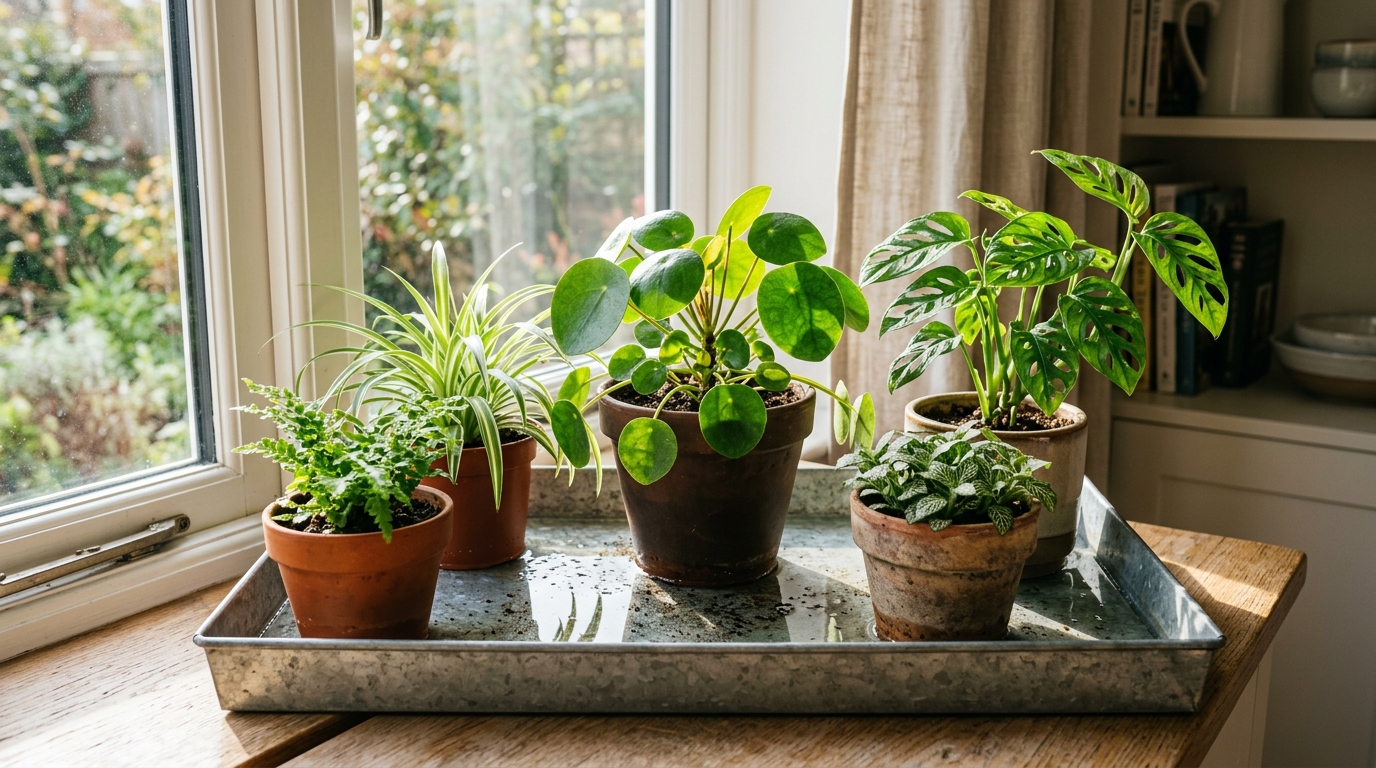
Haworthia succulents are a standout in the succulent world. They come in many species, each with its own beauty and
ease of care. Their striking patterns and rosette shape make them a hit among succulent lovers.
Popular Haworthia Varieties for Beginners
For those new to succulents, some Haworthia varieties are great to start with. These include:
- Haworthia Fasciata (Zebra Plant): It’s known for its zebra-like stripes, making it a favorite for its unique look.
- Haworthia Attenuata: Similar to the Zebra Plant, it has white spots or stripes, adding to its beauty.
- Haworthia Cooperi: This one has translucent leaves, giving it a “window” look.
Unique Characteristics of Haworthia Plants
Haworthia plants have some special features. Two of the most notable are:
Distinctive Window Leaves
Some Haworthia species, like Haworthia Cooperi, have leaves that are partially translucent. This creates a “window”
effect, letting light pass through the leaf.
Rosette Growth Pattern
Most Haworthia varieties grow in a rosette pattern. The leaves are arranged in a circle around the plant’s center. This
creates a beautiful display.
Why Haworthia Succulents Are Perfect for Beginners
Haworthia succulents are great for beginners in succulent care. They are beautiful and very tough. This makes them
perfect for indoor spaces.
Low Maintenance Requirements
Haworthia succulents need very little care. They can go without water for a while. This is great for people who are
always busy or new to caring for plants.
Adaptability to Indoor Environments
These plants can handle different light and temperatures well. They fit well in many indoor spots, from sunny windows
to shady corners.
Slow Growth Rate Benefits
Haworthia succulents grow slowly. This means they don’t need to be moved to new pots often. Their slow growth helps beginners learn and adjust without stress.

| Characteristics | Haworthia Succulents | Other Succulents |
| Maintenance Level | Low | Variable |
| Adaptability to Indoor Conditions | High | Moderate |
| Growth Rate | Slow | Variable |
Haworthia Succulent Care Essentials
To keep your Haworthia succulents thriving, it’s key to know their basic care needs. The right conditions will help your
plants stay healthy and grow well.
Light Requirements
Haworthia succulents love bright, indirect light. Direct sunlight can harm them, so it’s best to filter the light. Place them
in a spot that gets morning or afternoon sun.
Ideal Light Conditions
The best light for Haworthia is bright, indirect. An east- or west-facing window is ideal. It gives the right light without scorching the leaves.
Avoiding Direct Sunlight Damage
Direct sunlight can burn the leaves, causing discoloration and damage. If your Haworthia is getting too much sun, move it to a shadier spot. Or use a sheer curtain to soften the light.
Temperature Preferences
Haworthia succulents like temperatures between 65°F to 75°F (18°C to 24°C) during the day. At night, they prefer
around 55°F (13°C). Keep them away from heating vents, fireplaces, or drafty windows.
Humidity Considerations
Haworthia succulents thrive in low humidity. Indoor humidity levels are usually fine. But in very dry climates, use a
humidifier or group plants together for a microclimate.
By following these care tips, you can create a perfect home for your Haworthia succulents. Here are the main points:
- Provide bright, indirect light.
- Maintain temperatures between 65°F to 75°F (18°C to 24°C) during the day.
- Keep humidity at average indoor levels.
Watering Your Haworthia Correctly
Haworthia succulents need the right amount of water to grow well. Knowing how to water them is key to their health and life span.
The “Soak and Dry” Method
The “soak and dry” method is great for Haworthia succulents. It means soaking the soil well and then letting it dry out
before watering again. Here’s how to do it right:
- Water your Haworthia succulent until water flows out of the pot’s holes.
- Check if the soil is dry before watering again.
- Make sure not to get water on the leaves to avoid rot.
Seasonal Watering Adjustments
Changing your watering based on the season is important for Haworthia care. In the active growing season (spring and summer), they need more water because they grow and lose moisture faster. In the dormant period (fall and winter),
they need less water since they grow slower.
Signs of Overwatering and Underwatering
Knowing the signs of too much or too little water is crucial for healthy Haworthia succulents. Here are some signs to
look out for:
Leaf Discoloration
Overwatering can turn leaves yellow or soft and mushy. Underwatering can make leaves shriveled or discolored.
Root Rot Symptoms
Too much water can cause root rot, which is soft, rotting roots and a bad smell. To avoid this, make sure the soil drains well and doesn’t stay wet.
Shriveling Leaves
Not enough water can cause leaves to shrivel. If you see this, it’s time to change your watering schedule.
By following these tips and watching for signs of too much or too little water, you can keep your Haworthia succulents
happy and healthy.
Soil Requirements for Healthy Haworthia Plants
Creating the right soil mix is key for your Haworthia succulents’ health. A well-draining soil mix prevents root rot and promotes healthy roots.
Ideal Soil Composition
The perfect soil for Haworthia succulents drains water quickly to avoid waterlogged soil. A good mix combines organic and inorganic materials. Organic materials offer nutrients, while inorganic materials help with drainage.
DIY Haworthia Soil Mix Recipe
Making your own DIY soil mix for Haworthia succulents is easy. Here’s a simple recipe:
Basic Ingredients
- 2 parts of potting soil
- 1 part of perlite
- 1 part of coarse sand
Mixing Instructions
- Combine the potting soil, perlite, and coarse sand in a bowl.
- Mix the ingredients until they are well combined.
- Sift the mix through a wire mesh to remove any lumps.
Drainage Considerations
Good drainage is vital for Haworthia succulents. Poor drainage can cause root rot, a common problem with succulents. To ensure good drainage, add materials like perlite or small rocks to the soil mix.
| Material | Purpose | Proportion |
| Potting Soil | Provides nutrients | 2 parts |
| Perlite | Improves drainage | 1 part |
| Coarse Sand | Enhances drainage | 1 part |
By following this DIY recipe and focusing on drainage, you can make a soil mix that supports your Haworthia succulents’ health and growth.
Potting and Repotting Haworthia Succulents
Potting and repotting are key steps in caring for Haworthia succulents. They ensure your plants thrive in the right
environment. Done right, these steps can greatly improve your plants’ health and growth.
Choosing the Right Container
Choosing the right container is crucial for your Haworthia succulents. It should give roots enough room to grow and
ensure good drainage.
Size Considerations
Container size is important. A pot that’s too small can harm roots, while a too-large one can make soil too wet. Repotting Haworthia succulents works best in a pot 1-2 sizes larger than their current one.
Material Options
The container’s material matters too. Terracotta pots are breathable, helping prevent overwatering. But, they can dry out
fast. Ceramic pots are decorative, while plastic ones are lightweight and easy to clean.
When and How to Repot
Repot when your Haworthia succulent has outgrown its pot or shows root-bound signs. Spring or early summer is the best time to repot, when the plant is growing. Carefully remove the plant, handling roots gently. If roots are circling, gently tease them apart.
Post-Repotting Care
After repotting, your Haworthia succulent needs special care. Water it sparingly until it settles in its new pot. Wait until
the soil is dry before watering again. Watch for signs of stress or adjustment problems.
Fertilizing Your Haworthia Plants
Fertilizing is key in caring for Haworthia succulents. It greatly affects their health and growth. Even though they are easy to care for, they still need the right food to thrive.
Types of Fertilizers to Use
Choose a balanced, water-soluble fertilizer for Haworthia succulents. Opt for one made for cacti and succulents. These products have the right mix of nutrients for growth. Don’t use regular houseplant fertilizers because they have too much nitrogen. This can make Haworthia plants grow too tall and leggy.
Fertilizing Schedule
Fertilize your Haworthia plants from spring to early fall. Use half the recommended strength to avoid harming the roots. Fertilizing once a month is enough, but adjust based on your plant’s needs and the fertilizer’s strength.
Common Fertilizing Mistakes to Avoid
One big mistake is overfertilizing, which can hurt the roots and plant health. Always follow the fertilizer package’s
instructions and start with a weaker solution. Also, don’t fertilize during the plant’s dormant season. This can stress the plant unnecessarily.
Propagating Haworthia Succulents
Propagating Haworthia succulents is fun and rewarding. It lets you grow more plants and share them with others.
Offset Division Method
Offset division is a popular way to grow more Haworthia succulents. It involves separating the offsets from the mother plant.
Identifying Mature Offsets
It’s important to pick mature offsets for successful division. Look for offsets with their own roots and a few leaves.
Mature offsets are easier to separate and more likely to thrive.
Separation Techniques
When you find good offsets, use a sharp tool to carefully remove them. Make clean cuts to avoid damage and infection. Let the offsets dry for a few days to form a callus, which helps prevent rot.
Leaf Cutting Propagation
Leaf cutting is another way to grow Haworthia succulents. It’s not as common, but it works for some species.
To do leaf cutting, pick healthy leaves and twist them off. Let them dry and form a callus before planting. Keep the soil moist until roots grow.
Caring for Haworthia Pups
After growing Haworthia succulents, they need the right care.
Initial Watering
Water the new plants a little until they have strong roots. Too much water can cause rot and slow growth.
Establishing Root Systems
For strong roots, use well-draining soil and enough light. Don’t overwater and keep a steady temperature for healthy growth.
By using these methods and tips, you can grow more Haworthia succulents. Enjoy a beautiful collection.
Troubleshooting Common Haworthia Problems
Growing Haworthia succulents can sometimes lead to problems. These issues might include pests, diseases, or growth
problems. We’ll look at how to spot and fix these common issues.
Pest Identification and Treatment
Haworthia succulents can face pests like mealybugs, spider mites, and scale insects. Spotting these pests early is key to
treating them effectively.
Mealybugs
Mealybugs are small, white, cottony insects found on Haworthia leaves and stems. To get rid of them, use a cotton swab with alcohol or insecticidal soap.
Spider Mites
Spider mites are tiny, spider-like insects that can turn leaves yellow or bronze. To fight spider mites, spray the plants with water or insecticidal soap.
Scale Insects
Scale insects are small, armored insects that stick to leaves and stems. Use insecticidal soap or horticultural oil to treat
scale insects.
Disease Prevention and Management
Diseases like root rot and leaf spot can harm Haworthia succulents. These often come from too much water or poor air circulation.
To stop diseases, make sure plants have good air flow and don’t overwater. If you see signs of disease, like soft roots or black spots, act fast.
Addressing Growth Issues
Growth problems, like slow growth or stretched leaves, can have many causes. These include not enough light, too
much water, or lacking nutrients.
To fix growth issues, change your care routine. For example, if your Haworthia lacks light, move it to a brighter spot or
use grow lights.
Seasonal Haworthia Succulent Care
As seasons change, our care for Haworthia succulents must too. It’s key to know their needs throughout the year for their health.
Spring and Summer Care
In spring and summer, Haworthia succulents grow fast. They need more water to support this growth. But don’t
overwater. The soil should be moist but not too wet.
Here’s a summary of spring and summer care tips:
| Care Aspect | Spring | Summer |
| Watering | Increase frequency | Maintain high frequency |
| Fertilization | Start fertilizing | Continue fertilizing |
| Pest Control | Monitor for pests | Continue monitoring |
Fall and Winter Care
In fall and winter, Haworthia succulents need less water. Water them once a month or less, depending on the weather.
Keep them away from frost since they can’t handle cold.
Dormancy Period Management
In winter, Haworthia succulents often go dormant. Look for signs like no new growth and leaf drop. During this time,
water them less and keep them in a cooler, brighter spot.
By changing our care with the seasons, we help our Haworthia succulents stay healthy all year.
Decorative Uses and Display Ideas
Decorating with Haworthia succulents brings natural beauty to any room. Their unique shapes and textures are perfect
for creative displays.
Haworthia in Terrariums and Dish Gardens
Haworthia succulents do well in terrariums and dish gardens. Their small size and low watering needs are big pluses.
To make a stunning terrarium, choose a clear glass container.
Layer it with small rocks, charcoal, and well-draining soil. Plant your Haworthia, add decorative rocks or small pebbles, and place it in bright, indirect light.
Pairing with Other Succulents
Pairing Haworthia with other succulents creates beautiful arrangements. Mix succulents with different textures and shapes for a diverse display. For instance, pairing Haworthia with Echeveria or Crassula adds variety to your succulent collection garden.
Creative Display Arrangements
Displaying Haworthia succulents offers endless possibilities. You can go for minimalist designs with a single succulent in a simple pot. Or, create themed collections by grouping multiple plants in a decorative tray.
Minimalist Designs
Minimalist designs focus on simplicity and elegance. A single Haworthia succulent in a sleek, modern pot can enhance
any room.
Themed Collections
Themed collections let you show off your creativity. Group Haworthia succulents by color or texture and display them in a decorative container. This creates a visually appealing arrangement.
Conclusion
We’ve covered the basics of Haworthia succulent care in this guide. You now know how to grow and care for these
plants. By understanding their needs, like light, temperature, and watering, you can create a perfect home for them.
Watering is key, and the “soak and dry” method is best. Adjust your watering based on the season and repot when
needed. These tips will help you enjoy the beauty of Haworthia succulents at home.
Now that you know more, start or keep up with your Haworthia care. Try different varieties and display ideas. This will
help you fully enjoy these interesting plants.
FAQ
How often should we water our Haworthia succulents?
Water your Haworthia succulents using the “soak and dry” method. Adjust how often based on the season. In spring
and summer, water more. In fall and winter, water once a month or less, depending on the environment.
What is the ideal soil composition for Haworthia succulents?
Use a well-draining mix for Haworthia succulents. Include perlite, sand, and a bit of organic matter. You can make your own mix by combining these in the right amounts for good drainage and aeration.
How can we propagate Haworthia succulents?
Propagate Haworthia succulents by offset division or leaf cutting. For offset division, wait until the offsets are mature.
Then, separate them from the mother plant. For leaf cutting, let the cut ends dry before planting in a well-draining mix.
What are the signs of overwatering in Haworthia succulents?
Watch for signs of overwatering like leaf discoloration, soft or mushy leaves, and root rot. If you see these, adjust your
watering schedule to prevent damage.
Can we fertilize our Haworthia succulents?
Yes, fertilize Haworthia during the growing season. Use a balanced, water-soluble fertilizer. Follow the package instructions for dosage and frequency to avoid overfertilizing.
How do we care for Haworthia succulents during their dormancy period?
In the dormancy period, reduce watering significantly and avoid fertilizing. Place them in a cooler, brighter location
without direct sunlight. This helps them conserve energy.
What are some common pests that affect Haworthia succulents, and how can
we treat them?
Pests like mealybugs, spider mites, and scale insects can affect Haworthia succulents. Treat infestations by isolating the plant and gently removing pests with a soft brush or cotton swab dipped in alcohol. Apply insecticidal soap or neem oil as directed.
How can we display our Haworthia succulents creatively?
Display Haworthia succulents in terrariums, dish gardens, or with other succulents. Consider minimalist designs or
themed collections. This highlights the unique features of Haworthia plants.
Dennis P. Hansen
Dennis P. Hansen is a home gardener with a genuine passion for plants and the simple pleasure of growing them. He enjoys caring for houseplants, succulents, and other plants at home while continually learning from everyday gardening experiences. Dennis likes to share practical plant care tips, useful observations, and simple solutions that can help others grow healthier plants. He believes that caring for plants is a rewarding journey and that there is always something new to learn along the way.