
11 Secrets for an Indoor Lavender Plant That Thrives

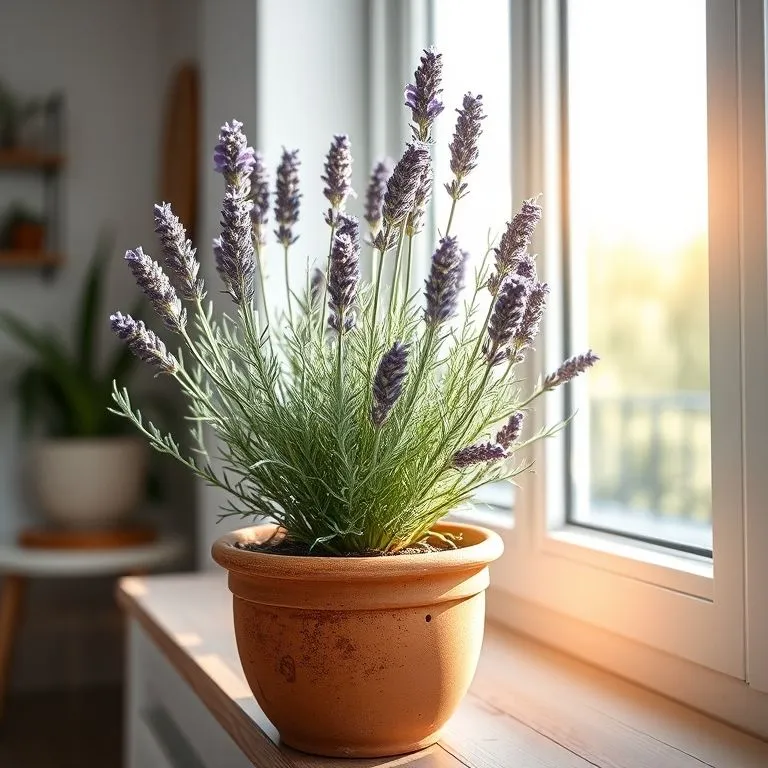
Table of Contents
Introduction:
If you’ve ever brought home a gorgeous pot of lavender only to watch it struggle, you’re not alone. The good news: with a few smart tweaks, an indoor lavender plant can flourish—filling your space with calming fragrance, soft color, and a little daily joy. In this guide, I’ll share 11 grower-tested secrets that take the guesswork out of Indoor lavender plant care, so you can keep your plant compact, healthy, and blooming.
We’ll start by answering the questions most people ask: Is lavender a good indoor plant? How do you keep lavender alive indoors? Can you put a lavender plant in your bedroom? What is the best lavender plant for indoors? Along the way, you’ll learn which potting mix drains fast enough, how to dial in light (natural or grow lights), the right watering rhythm to avoid root rot, and the pruning moves that encourage more buds with less leggy growth.
Why try it at all? Lavender plant indoor benefits go beyond looks. A thriving indoor lavender plant can create a spa-like atmosphere, nudge you toward better focus during the day, and set a soothing tone at night—all while bringing a touch of Mediterranean charm to your windowsill.
Not all varieties behave the same indoors, though. I’ll help you choose the best indoor lavender plant for your conditions (including compact English types that perform beautifully in bright windows), set it up for success on day one, and keep it happy through the seasons. By the end, you’ll have a simple, repeatable routine that makes an indoor lavender plant feel effortless.
You’ll learn how to:
- Position your plant for strong, compact growth (even in winter)
- Mix and pot for superb drainage and airflow
- Water deeply—but not too often—for resilient roots
- Prune and pinch for steady blooms and a tidy shape
- Troubleshoot yellowing leaves, weak growth, and pests fast
Ready to turn your windowsill into a mini lavender field? Let’s make your indoor lavender plant thrive.
Indoor lavender plant care basics: Is lavender a good indoor plant?
Yes—with the right setup. Lavender is naturally a sun-loving Mediterranean shrub, so it asks for bright light, lean soil, and good airflow. If you can provide those, an indoor lavender plant rewards you with fragrance, texture, and color year-round.
Lavender plant indoor benefits: fragrance, calm, and cleaner-feeling air
- Gentle, uplifting scent that many people find calming and focus-friendly.
- Silvery-green foliage and purple blooms that add instant style.
- Low-humidity preference fits most heated homes in winter.
- Compact habit (with pruning) makes it perfect for windowsills and desks.
Pro tip: If you’re sensitive to fragrance, start with a smaller pot and place it a few feet from where you sit or sleep. You’ll still enjoy the scent without overwhelm.
Lavender plant indoor or outdoor: how to choose the right environment
Not sure whether your plant will be happier inside or out? Use this quick guide.
Choose indoors if:
- You get at least 6–8 hours of direct sun through a south- or west-facing window, or you’ll use grow lights for lavender.
- Your nights get cool (55–65°F/13–18°C), which lavender loves.
- You prefer a controlled routine and can manage watering carefully.
Choose outdoors if:
- Your windows don’t offer strong sun and you don’t want lights.
- You have a bright, protected patio or balcony with plenty of airflow.
- You live in a mild climate and can keep it out of heavy summer rain.
Seasonal tweak: Many growers keep an indoor lavender plant in bright windows from fall to early spring, then transition it outdoors in late spring for extra sun. Acclimate over 7–10 days to avoid shock.
Can you put a lavender plant in your bedroom? Placement, light, and safety
Absolutely—if your bedroom is bright enough. Place lavender right in a sunny window (ideally south- or west-facing). No bright window? Add a slim LED bar on a timer.
- Keep leaves dry; don’t mist. Lavender prefers drier air (30–50% RH).
- Avoid running a humidifier near the plant.
- Aim for cooler nights; a slight temperature drop supports blooming.
- Safety: Keep out of reach of pets and kids—ingesting foliage can upset stomachs. If you’re scent-sensitive, start farther from the bed and move closer as you adjust.
An indoor lavender plant can be a soothing bedtime companion, as long as light and airflow are on point.
Indoor lavender plant care checklist: How do you keep lavender alive indoors?
This practical routine keeps your plant compact, aromatic, and resilient. Think of it as a simple framework for Indoor lavender plant care you can repeat every season.
Light strategy: 6–8 hours of direct sun or high-output grow lights
- Sun: Target 6–8 hours of direct light daily. Rotate the pot weekly for even growth.
- LEDs: Place a 20–40W full-spectrum grow light 8–12 inches above the plant for 12–14 hours/day.
- Boost intensity: Add a reflective backdrop (white wall or mylar) to bounce light to lower foliage.
Signs you need more light: Leggy stems, few buds, pale foliage. Strong light is the number-one driver of success with an indoor lavender plant.
Pot and mix: fast-draining soil, terra-cotta pots, proper drainage
- Pot: Choose unglazed terra-cotta with large drain holes; size up only 1–2 inches wider than the root ball.
- Mix (best soil for lavender in pots): Try 2 parts high-quality cactus mix + 1 part perlite + 1 part coarse sand or pumice.
- Drainage for potted lavender: Elevate the pot on pot feet; empty saucers immediately after watering.
Tip: Set the crown slightly above the soil line to keep stems dry and discourage rot.
Watering rhythm: deep but infrequent; avoid overwatering stress
- Water when the top 1–2 inches of mix are dry and the pot feels noticeably lighter.
- Soak thoroughly until water drains, then empty the saucer.
- Typical cadence: Every 7–10 days in bright, warm rooms; every 2–3 weeks in cooler, darker months. How often to water lavender indoors depends on light, pot size, and airflow.
Avoid “sip-watering.” Deep, infrequent drinks build strong roots and better drought tolerance.
Pruning and feeding: compact growth, more blooms, longer life
- Pinch tips lightly in spring for a bushier shape.
- Deadhead spent blooms quickly to trigger new spikes.
- Structural prune: After the main flush, trim back up to one-third of the current green growth. Never cut into old, woody stems.
- Feeding: Go lean. Use a low-nitrogen liquid fertilizer at half strength monthly during active growth (spring–summer). Overfeeding = floppy growth.
This approach to pruning indoor lavender keeps your plant compact and flower-focused.
Airflow and humidity: dry leaves, steady circulation, fewer fungal issues
- Lavender loves moving air. Run a small fan nearby on low.
- Space plants so foliage doesn’t touch neighbors.
- Skip misting; it invites fungal spots.
- If you see fuzzy leaves or a musty smell, increase airflow and let the soil dry longer between waterings.
Best indoor lavender plant varieties: What is the best lavender plant for indoors?
Picking the right cultivar is half the battle. Compact, sun-hungry, and container-friendly varieties are your best bet when growing an indoor lavender plant.
English lavender (Lavandula angustifolia): ‘Hidcote’ and ‘Munstead’
- ‘Hidcote’: Deep purple blooms, tight habit, great for windowsills.
- ‘Munstead’: Early bloomer, slightly faster to rebloom, forgiving of minor care slips.
Why they’re tops: English types stay compact, handle cooler nights, and deliver classic fragrance—making them contenders for the Best indoor lavender plant in bright, cool rooms.
Shopping tip: When browsing Indoor Lavender plants for sale, pick bushy, branched plants with gray-green foliage and no blackened stems.
French types (Lavandula dentata, ‘Goodwin Creek Gray’) for containers
- L. dentata (French): Soft, toothed leaves with consistent indoor bloom in high light; thrives in containers.
- ‘Goodwin Creek Gray’: A standout for lower humidity and steady flowering under lights; strong silver foliage adds year-round texture.
Good to know: These tolerate slightly lower light than English types but still want bright conditions.
Spanish lavender (Lavandula stoechas) for warm, bright rooms
- Distinctive “rabbit ear” bracts; dramatic and decorative.
- Prefers extra-bright light and warmer rooms; protect from chills.
- Fragrance is more resinous; perfect if you like a bolder scent.
Care note: Spanish types can stretch quickly without strong sun or quality grow lights for lavender.
Dwarf and compact picks: top Best indoor lavender plant options for small spaces
- ‘Thumbelina Leigh’ (English): Petite, prolific spikes.
- ‘Wee One’ (English): Ultra-compact; ideal for tiny ledges.
- ‘Blue Cushion’ (English): Low mound with repeat blooms.
- ‘Little Lady’ (English): Neat habit, beautifully fragrant.
Compact cultivars make maintenance easier and keep your indoor lavender plant looking tidy between prunes.

Indoor lavender plant setup for long-term success
Give your indoor lavender plant the right start and it will pay you back with steady growth and fragrance. Think light first, drainage second, and gentle acclimation third—this is the core of effective Indoor lavender plant care.
Location first: south-facing windows, reflectors, rotation
- Aim for 6–8 hours of direct sun daily from a south- or west-facing window. East can work with supplemental LEDs.
- Add a reflector behind the pot (white foam board or mylar) to bounce light onto lower leaves.
- Rotate the pot a quarter turn each week for balanced growth and fewer leggy stems.
- A small, quiet fan nearby keeps air moving and foliage dry—key for preventing mildew.
- Quick tool: Use a free lux app. If you’re under ~20,000 lux at midday, pair the window with grow lights for lavender.
Pro tip: If you’re debating Lavender plant indoor or outdoor placement, prioritize the brightest, most consistent light you can provide. Indoors wins in winter control; outdoors wins in summer sun.
Planting technique: loosen roots, correct soil line, first watering
- Tease the roots: After unpotting, gently loosen circling roots. Trim any black, mushy spots.
- Use a fast-draining mix: 2 parts cactus/succulent mix + 1 part perlite + 1 part coarse sand or pumice. Terra-cotta pot, large drain holes.
- Set the crown high: Position the stem base slightly above the final soil line to keep it dry.
- Backfill lightly: Don’t compact the mix; tap the pot to settle.
- First watering: Water deeply until it drains. Empty the saucer immediately. No mulch; top-dress with coarse grit to keep the surface dry.
Why it works: Lavender roots crave air. Great drainage for potted lavender prevents root rot and keeps your indoor lavender plant resilient between waterings.
Acclimation plan: light ramp-up, temperature, first-week checks
- Days 1–3: Bright light with 2–3 hours of direct sun (or 10–12 hours under LEDs). Keep nights cool (55–65°F/13–18°C).
- Days 4–7: Increase to 4–6 hours of sun (or 12–14 hours under LEDs). Start weekly rotation.
- Day 8+: Target 6–8 hours of sun. Maintain steady airflow; avoid misting.
- First-week checks:
- Soil: Top 1–2 inches should dry between waterings.
- Leaves: Pale or leggy = more light needed. Curling = heat stress; back the plant from the glass.
- Pot weight: If still heavy after a week, your mix is too dense—add more perlite and repot.
Result: A stable, light-strong, air-dry environment where an indoor lavender plant settles quickly and avoids shock.
Troubleshooting an indoor lavender plant: quick fixes that work
Even pros hit snags. Use these quick diagnoses to correct course fast.
Lavender not blooming indoors: boost light, right pot, timed pruning
- Light is the lever: Increase direct sun or run a 20–40W full-spectrum LED 12–14 hours/day.
- Pot sizing: Slightly snug is best. Oversized pots stay wet and shift energy to roots, not buds.
- Timed pruning: Deadhead promptly; after the main flush, trim back up to one-third of the green growth. Avoid cutting into old wood.
- Feed lean: Low-nitrogen fertilizer at half strength monthly in spring–summer. Too much nitrogen = leaves over blooms.
Goal: Strong light + conservative pot size + smart pruning equals repeat spikes on your indoor lavender plant.
Yellow or drooping leaves: diagnose overwatering vs underwatering
- Overwatering signs: Limp, yellowing lower leaves; soil stays wet; musty smell. Fix: Let the mix dry longer, increase airflow, and ensure the saucer is emptied. Consider repotting into a grittier mix.
- Underwatering signs: Crispy tips, very light pot, soil pulling from the pot’s edge. Fix: Water deeply, then return to a measured schedule.
- Quick test: Unpot gently. Brown, mushy roots = too wet. Tan, firm roots = healthy. Bone-dry roots = under-watered.
Rule of thumb: Deep but infrequent watering wins. Avoid the “every few days” habit—calibrate by light, pot, and airflow.
Pest control: spider mites and fungus gnats in indoor lavender plant
- Spider mites: Look for stippled leaves and fine webbing.
- Actions: Isolate plant. Rinse foliage in the sink and dry with a fan. Spot-treat with 1–2% insecticidal soap or horticultural oil; test a leaf first and apply at dusk with lights off.
- Prevention: Strong light, good airflow, and regular rotation.
- Fungus gnats: Adults hover; larvae live in wet soil.
- Actions: Let the top 2 inches dry. Use yellow sticky cards. Top-dress with 0.5 inch of coarse sand or pumice. Water from the bottom occasionally to keep the surface drier.
Consistency beats intensity—light, airflow, and drier soil cut most pest cycles.
Fungal issues and root rot: airflow, drying cycles, soil refresh
- Increase airflow and spacing; skip misting.
- Extend drying cycles; water only when the pot is light and the top 1–2 inches are dry.
- If rot is present: Trim damaged roots, repot into fresh, gritty mix, and keep the crown high.
- Optional reset: One-time 1:4 dilution of 3% hydrogen peroxide to water can oxygenate the root zone—use sparingly, then resume normal care.
Think prevention: Bright light, drought-style watering, and a breathable mix keep disease at bay.
Seasonal care for your indoor lavender plant
Adjust with the seasons and you’ll keep blooms and shape on point year-round.
Overwintering indoors: cooler nights, brightest possible days
- Light: Place in your brightest window and add LEDs if days are short.
- Temperature: Cool nights (55–65°F/13–18°C) improve bud set; days 60–72°F (16–22°C).
- Water: Reduce frequency; still water deeply when you do.
- Feeding: Pause or cut to once every 6–8 weeks at half strength.
- Pruning: Only light shaping. Save larger cuts for late winter/early spring.
Winter mantra: Max light, modest water, cool nights.
Summer moves: Lavender plant indoor or outdoor transitions without shock
Want that sun boost? Move your indoor lavender plant outside safely.
- Hardening off (7–10 days):
- Days 1–3: Bright shade.
- Days 4–6: 2–4 hours morning sun.
- Days 7–10: Add midday sun if temps are mild.
- Placement: Elevated spot with airflow; protect from pounding rain.
- Return indoors before first frost or if nights dip below your variety’s comfort zone.
This Lavender plant indoor or outdoor strategy gives you summer vigor without sunburn or stall.
Repotting timeline: when to upsize and refresh the mix
- Signs it’s time:
- Roots circling the drainage holes
- Water rushing straight through
- Frequent wilt despite correct watering
- Best timing: Late winter to early spring, before major growth.
- How to upsize: Increase pot diameter by just 1–2 inches. Refresh with a gritty, fast-draining mix and set the crown slightly high.
- Maintenance repot: Every 12–18 months, root-prune lightly and replace the outer third of mix.
Right-size pots and fresh, airy media keep the Best indoor lavender plant performing for the long haul.

Styling and placement ideas at home
Placement is half the magic. When you stage an indoor lavender plant where light, airflow, and daily life intersect, you’ll enjoy more blooms and better fragrance indoors—without extra work.
Kitchen, office, and entryways: high-light zones that maximize scent
- Kitchen: Park your indoor lavender plant in a sunny, south- or west-facing window, away from steam and splatter. The warm scent pairs beautifully with cooking but keep it clear of the stove.
- Home office: A bright desk or shelf near a window lifts mood and focus. Add a slim reflector (white foam board) behind the pot to bounce light back to lower foliage.
- Entryway: If it’s sun-drenched, it’s perfect. A gust of fragrance as you walk in makes the space feel welcoming—and reminds you to rotate and check water.
Style tips:
- Terra-cotta pots add rustic texture and help the soil dry quickly.
- Use a simple plant stand to raise the canopy into the brightest slice of the window.
- For darker rooms, pair the spot with discreet grow lights for lavender on a timer.
Bedroom placement tips: restful aroma, good light, no dampness
- Place the plant right in the window for direct sun; avoid corners and heavy curtains that block airflow.
- Skip humidifiers nearby—lavender prefers drier air and dry leaves.
- If morning light is weak, run a 20–40W full-spectrum LED 12–14 hours/day to meet lavender light requirements.
- Scent sensitivity? Start the pot a few feet from the bed and move closer as you acclimate.
Result: A calm bedroom that still meets the needs of an indoor lavender plant—bright, airy, and clean.
Pet- and child-friendly positioning: stable, sunny, out of reach
- Elevate on a sturdy shelf or wall-mounted bracket in direct light.
- Choose heavier pots and secure drip trays to prevent tipping.
- Keep foliage away from curious paws and hands; ingestion may cause mild stomach upset.
- Avoid walkways and door swings; protect stems from brush-by damage.
A safe setup lets your indoor lavender plant shine—and keeps little explorers safe.
Where to buy Indoor Lavender plants for sale (and what to avoid)
Finding a healthy, true-to-type plant saves months of frustration. A strong start makes indoor lavender plant care easier from day one.
Online vs local nurseries: find healthy, true-to-type plants
- Online
- Pros: Huge selection, specialty cultivars, detailed care info.
- Cons: Shipping stress; verify heat/cold packs and return policies.
- Local
- Pros: Inspect in person, choose the best specimen, support community growers.
- Cons: Limited variety; stock may be seasonal.
Pro move: Read reviews for cultivar accuracy and survival rate post-shipping.
What to look for: compact growth, buds, pest-free foliage
- Growth: Short internodes, multiple branches, and firm stems (not leggy).
- Foliage: Gray-green, no spots or webbing; rub a leaf—aroma should be clean and strong.
- Roots: Peek through the drainage holes—white/tan and fibrous is good; avoid black or mushy.
- Buds: A few forming buds indicate vigor without exhausting the plant.
- Clean pot: Dry topsoil with no algae; no fungus gnats flying up when disturbed.
Red flags to avoid: Wilting, yellowing lower leaves, soggy media, or mismatched labels.
Best indoor lavender plant value: starter pots vs mature specimens
- Starter (3–4 inches): Budget-friendly, adapts quickly, easier to shape with early pruning indoor lavender.
- Mature (1–2 gallons): Instant impact and scent, but heavier, pricier, and more likely to be rootbound from production.
- Rule of thumb: If your light is average, start small and train. If your setup is dialed (bright window + LED), a fuller plant can thrive immediately.
Either way, choose the healthiest plant over the biggest pot.
Advanced indoor lavender plant care for bigger blooms and fragrance
Once the basics are locked in, a few pro tweaks will supercharge blooms and essential oils on your indoor lavender plant.
Precision pruning and pinching: bushier shape, steady rebloom
- Pinch new tips lightly in early spring to encourage branching.
- Deadhead as spikes fade—snip just above a leaf pair to redirect energy.
- After the main flush, reduce up to one-third of the current green growth (never cut into old wood).
- Late winter shape-up: a light haircut to reset symmetry before new growth.
This gentle, ongoing approach to pruning indoor lavender keeps plants compact and bloom-happy.
Light optimization: rotate pots, reflective backing, tuned LEDs
- Rotation: Quarter-turn weekly for even, sturdy stems.
- Reflectors: White walls or mylar behind the pot can boost usable light by 10–20%.
- LEDs: 4000–5000K full-spectrum, 20–40W, positioned 8–12 inches above the canopy for 12–14 hours/day.
- Metrics: Aim for bright window sun or ~20,000–40,000 lux at the top leaves; add grow lights for lavender if you fall short.
More light equals more buds and denser foliage—consistently.
Scent intensity: timing harvests and deadheads for maximum oils
- Harvest when buds are swollen and just about to open—oil content peaks here.
- Cut early morning after the room has brightened but before heat builds.
- Bundle stems and dry in a cool, airy space; store in airtight jars away from light.
- Indoors, quick deadheads keep the plant producing and the fragrance indoors fresh.
Small timing tweaks can double the impact of your harvests.

FAQ and action plan for an indoor lavender plant that thrives
Use this quick-reference to keep your indoor lavender plant compact, fragrant, and blooming—without guesswork. You’ll find clear answers plus a simple routine you can follow every week.
Is lavender a good indoor plant? Quick pros and cons
Yes—if you can deliver strong light and quick drainage. Here’s the honest rundown.
Pros (why it excels indoors):
- Year-round fragrance and texture; classic lavender plant indoor benefits for mood and focus
- Prefers lower humidity common in heated homes
- Compact size with regular pinching and light pruning
- Evergreen foliage for a tidy, sculptural look on windowsills
Cons (what to plan for):
- Needs high-intensity light; not a low-light houseplant
- Sensitive to overwatering and dense soil
- Dislikes misting and stagnant air
- Can get leggy if you skip rotation or pruning indoor lavender
Bottom line: With bright sun or quality grow lights for lavender and a gritty mix, an indoor lavender plant can be a standout.
How do you keep lavender alive indoors? 11-secrets recap
Follow these steps and your plant will repay you with steady growth and scent.
- Choose the right variety: Compact English types (‘Hidcote’, ‘Munstead’) or ‘Goodwin Creek Gray’ adapt best in containers.
- Max the light: 6–8 hours of direct sun or a 20–40W full‑spectrum LED 8–12 inches above the canopy for 12–14 hours/day.
- Terra-cotta + drainage: Use an unglazed pot with large holes; elevate on pot feet to keep the base dry.
- Gritty soil mix: 2 parts cactus/succulent mix + 1 part perlite + 1 part coarse sand or pumice for excellent airflow.
- Plant high: Set the crown slightly above the final soil line to keep stems dry.
- Water deeply, then wait: Saturate until water drains; empty the saucer. How often to water lavender indoors depends on light and pot size—typically every 7–14 days.
- Keep air moving: A small fan on low reduces fungal issues and strengthens stems.
- Cool nights help: 55–65°F (13–18°C) at night supports bud set and dense growth.
- Feed lean: Low‑nitrogen fertilizer at half strength monthly in spring–summer; skip in low light/winter.
- Prune with purpose: Pinch tips in spring, deadhead spent spikes, and never cut into old wood.
- Rotate and reflect: Quarter‑turn weekly; add a white wall or reflector to boost lower-canopy light and prevent leggy growth.
If you’re seeing lavender not blooming indoors, focus on Steps 2, 8, and 10 first.
Can you put a lavender plant in your bedroom? Final guidance
Absolutely—provided the window is bright. Place your indoor lavender plant right in a sunny south- or west-facing window, or run a slim LED on a timer if light is limited.
- Keep leaves dry; no misting or nearby humidifiers.
- Allow cooler nights and steady airflow for the best sleep-friendly aroma.
- Start a few feet from the bed if you’re scent-sensitive, then move closer as you acclimate.
- Pet safety: Keep foliage out of reach; ingestion may upset stomachs.
Done right, a bedroom-grown indoor lavender plant becomes a restful, low-maintenance ritual.
What is the best lavender plant for indoors? Top cultivar picks
These compact, container-loving choices perform beautifully under bright windows or LEDs—excellent candidates when you want the Best indoor lavender plant for small spaces.
- ‘Hidcote’ (Lavandula angustifolia): Tight habit, deep purple blooms, classic scent.
- ‘Munstead’ (L. angustifolia): Early bloomer, forgiving, rebounds well after pruning.
- ‘Goodwin Creek Gray’ (hybrid): Silver foliage, reliable flowering under lights, tolerates indoor dryness.
- ‘Thumbelina Leigh’ (L. angustifolia): Dwarf, prolific spikes; perfect for narrow sills.
- ‘Wee One’ (L. angustifolia): Ultra-compact, tidy mound; great for desktop light setups.
- Spanish lavender (L. stoechas): Dramatic bracts; choose only if you have very bright, warm conditions.
Action plan: Pick one compact cultivar, set it in the brightest window (or under LEDs), use a gritty mix in terra-cotta, water deeply but infrequently, rotate weekly, and keep nights cool. Follow this rhythm, and your indoor lavender plant will thrive.
Conclusion:
You’ve got the blueprint. With bright light, a gritty potting mix, measured watering, and a few timely snips, your indoor lavender plant can flourish for years. Beyond the pretty blooms, the lavender plant indoor benefits are daily: a calming scent, sculptural foliage, and a tidy routine that’s easy to keep.
Before you close this tab, decide: Where will you place yours? Which cultivar fits your space and schedule? And are you set up to meet lavender light requirements consistently—through winter as well as summer?
Your quick action plan
- Choose a compact variety: ‘Hidcote’, ‘Munstead’, or ‘Goodwin Creek Gray’ are reliable picks when you want the Best indoor lavender plant for containers.
- Place for power: South- or west-facing window with 6–8 hours of direct sun, or add grow lights for lavender (20–40W full-spectrum, 8–12 inches above the canopy).
- Pot for airflow: Terra-cotta pot with large drain holes; gritty mix (2 parts cactus/succulent, 1 part perlite, 1 part pumice or coarse sand). Set the crown slightly high.
- Water with intention: Deeply, then wait until the top 1–2 inches are dry and the pot feels light. No misting.
- Keep air moving: A small fan on low prevents fungal issues and strengthens stems.
- Prune with purpose: Gentle pinching in spring, quick deadheads, and avoid cutting into old wood—smart pruning indoor lavender fuels repeat blooms.
- Rotate and reflect: Quarter-turn weekly; a white wall or reflector keeps the lower canopy compact.
If/then cheat sheet
- If blooms are sparse, increase light, allow cooler nights, and deadhead promptly.
- If leaves yellow or droop, extend the drying period and check drainage; repot into a grittier mix if needed.
- If pests appear, isolate, rinse foliage, dry with a fan, and reset your watering rhythm.
Still choosing between lavender plant indoor or outdoor? Let the seasons guide you: keep your indoor lavender plant in bright windows through fall and winter, then acclimate outdoors in late spring for a sun boost—returning inside before cold snaps.
You don’t need a greenhouse—just a repeatable rhythm. Pick one healthy plant, dial in light and drainage, and follow this simple Indoor lavender plant care routine. Do that, and your indoor lavender plant won’t just survive; it will thrive.
Dennis P. Hansen
Dennis P. Hansen is a home gardener with a genuine passion for plants and the simple pleasure of growing them. He enjoys caring for houseplants, succulents, and other plants at home while continually learning from everyday gardening experiences. Dennis likes to share practical plant care tips, useful observations, and simple solutions that can help others grow healthier plants. He believes that caring for plants is a rewarding journey and that there is always something new to learn along the way.