
Bonide Systemic Houseplant Insect Control: 7 Pro Steps


Few experiences are as disheartening for an indoor plant lover as discovering a stubborn colony of mealybugs nestled in the leaf axils or watching thrips turn glossy foliage silvery-brown. When topical contact sprays fail to eradicate pests hiding deep within leaf sheaths or inside container substrate, many indoor gardeners turn to Bonide Systemic Houseplant Insect Control. I am Dennis P. Hansen, and throughout decades of tending indoor tropical collections, I have evaluated dozens of pest management protocols. Systemic insecticides are among the most potent tools in horticultural science, but they require a clear understanding of vascular botany and strict adherence to safety protocols.
Unlike contact sprays that must physically touch an insect to be effective, systemic granules transform the plant itself into an inhospitable host. When applied to the soil and activated by irrigation, the active compound is absorbed by the roots and translocated throughout the plant’s vascular system. In this comprehensive, science-backed guide, you will master the 7 professional steps for deploying Bonide Systemic Houseplant Insect Control safely. You will learn the exact biological mechanism of imidacloprid, calculate precise container dosage rates, explore which pests are controlled (and which are not), and discover critical pet safety guidelines for multi-pet households.
Table of Contents
- The Science of Systemic Protection: How Imidacloprid Translocates
- Target Pests vs. Non-Target Pests: The Crucial Spider Mite Caveat
- The 7 Professional Steps for Applying Bonide Systemic Granules
- Precision Dosage and Container Sizing Chart
- Comprehensive Pest & Treatment Control Matrix
- Pet Safety Protocols: Protecting Cats and Dogs Indoors
- Strict Environmental Safeguards: Outdoor and Pollinator Prohibitions
- Dennis’s Advanced Troubleshooting: 5 Critical Pest Scenarios
- Integrating Systemics into an Overall IPM Strategy
- Master FAQ: Bonide Systemic Houseplant Insect Control
The Science of Systemic Protection: How Imidacloprid Translocates
To use Bonide Systemic Houseplant Insect Control effectively, one must understand how systemic chemistry interacts with plant anatomy. The active ingredient in Bonide Systemic granules is imidacloprid (typically formulated at 0.22% concentration on an inert carrier granule). Imidacloprid belongs to the neonicotinoid chemical class, synthetic compounds modeled after naturally occurring nicotine that bind to nicotinic acetylcholine receptors in insect nervous systems.
When you sprinkle these granular pellets onto the potting substrate and water them thoroughly, the water dissolves the chemical coating. The dissolved imidacloprid molecules pass through the root epidermis into the plant’s xylem tissue—the microscopic vascular piping that carries water and dissolved minerals upward from roots to stems, petioles, and leaves. Over a period of 5 to 10 days, the active compound distributes through the entire plant canopy.
According to entomological research from the University of California Statewide Integrated Pest Management Program (UC IPM), systemic insecticides provide complete internal coverage. When sap-sucking insects pierce the plant’s cuticle to feed on cellular juices or vascular sap, they ingest the systemic compound. The chemical overstimulates their nervous system, causing paralysis and death within 24 to 48 hours of feeding, even if the pests are hidden inside tightly furled leaf buds where contact sprays cannot reach.
Target Pests vs. Non-Target Pests: The Crucial Spider Mite Caveat
One of the most dangerous mistakes an indoor gardener can make is treating every houseplant pest with Bonide Systemic granules. Imidacloprid is an insecticide engineered specifically against insects; it is not a miticide.
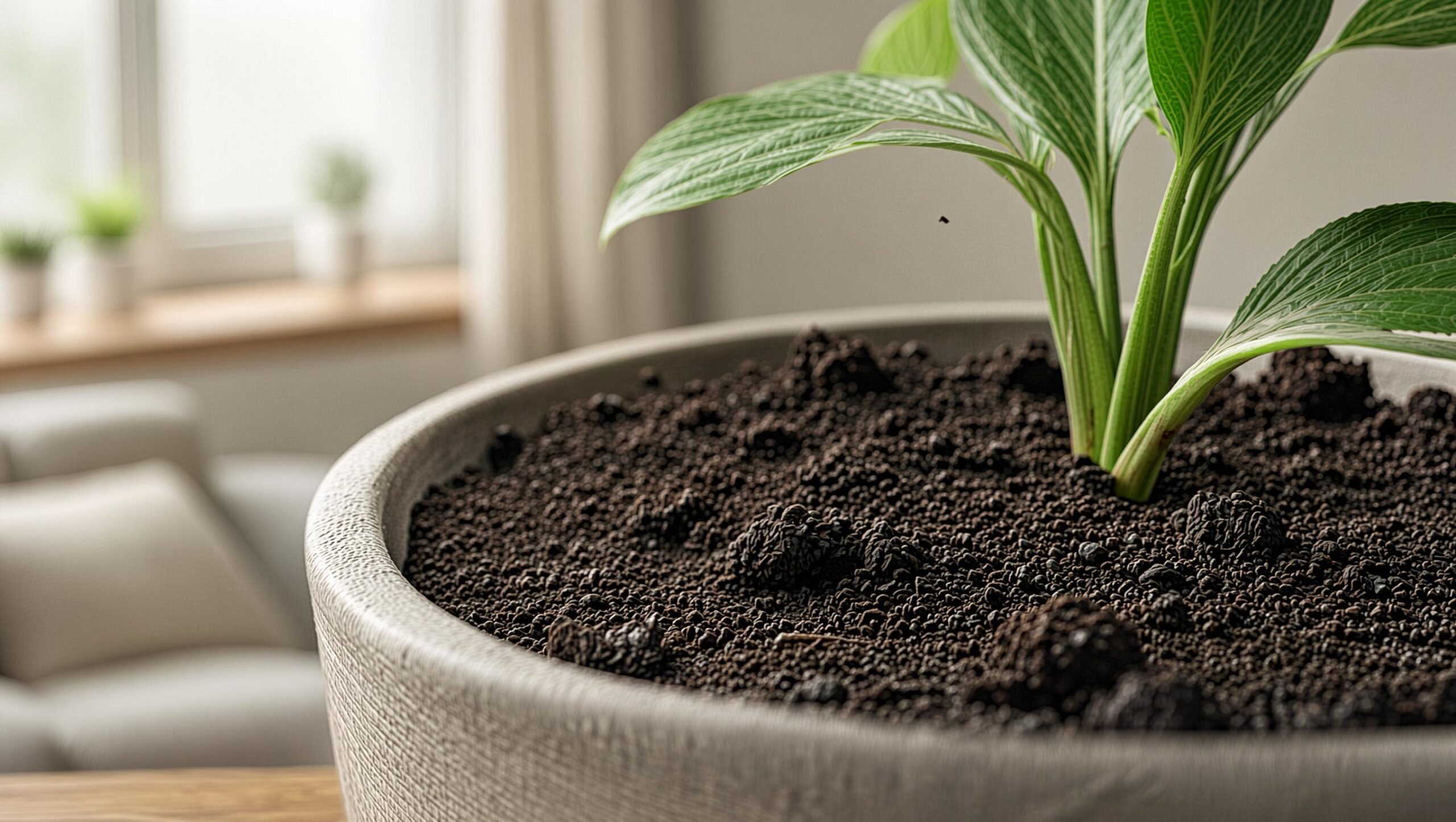
Pests Reliably Controlled by Bonide Systemic:
- Mealybugs (Pseudococcidae): Both foliar mealybugs hiding in leaf sheaths and root mealybugs infesting the root ball.
- Thrips (Thysanoptera): Thrips nymphs and adults feeding on foliar cells ingest the toxin, halting the destructive silver-stippling damage.
- Aphids (Aphidoidea): Rapidly eliminated as soon as sap feeding begins.
- Scale Insects (Coccidae & Diaspididae): Both soft scale and armored scale crawl and feed on vascular stems, absorbing lethal doses through their stylets.
- Whiteflies (Aleyrodidae): Feeding adults and nymphs on leaf undersides are controlled within days.
- Fungus Gnat Larvae (Bradysia spp.): Granules dissolving in the top layer of substrate kill feeding gnat larvae before they can mature into flying adults. For non-chemical biological methods, read our comprehensive tutorial on how to get rid of gnats in houseplants permanently.
The Severe Spider Mite Caveat (Hormoligosis Warning):
Spider mites are arachnids (mites), not insects. Horticultural studies from Colorado State University Extension on houseplant pests have documented a phenomenon known as reproductive hormoligosis. When imidacloprid is applied to plants infested with two-spotted spider mites (Tetranychus urticae), sub-lethal chemical stress triggers female mites to dramatically accelerate egg production. Furthermore, imidacloprid eliminates beneficial predatory insects, causing spider mite populations to explode. Never use Bonide Systemic on plants with spider mite infestations; treat mites with sulfur, insecticidal soaps, or dedicated miticides instead.
The 7 Professional Steps for Applying Bonide Systemic Granules
To achieve maximum pest control while safeguarding your household, follow this sequential 7-step protocol every time you apply Bonide Systemic Houseplant Insect Control.
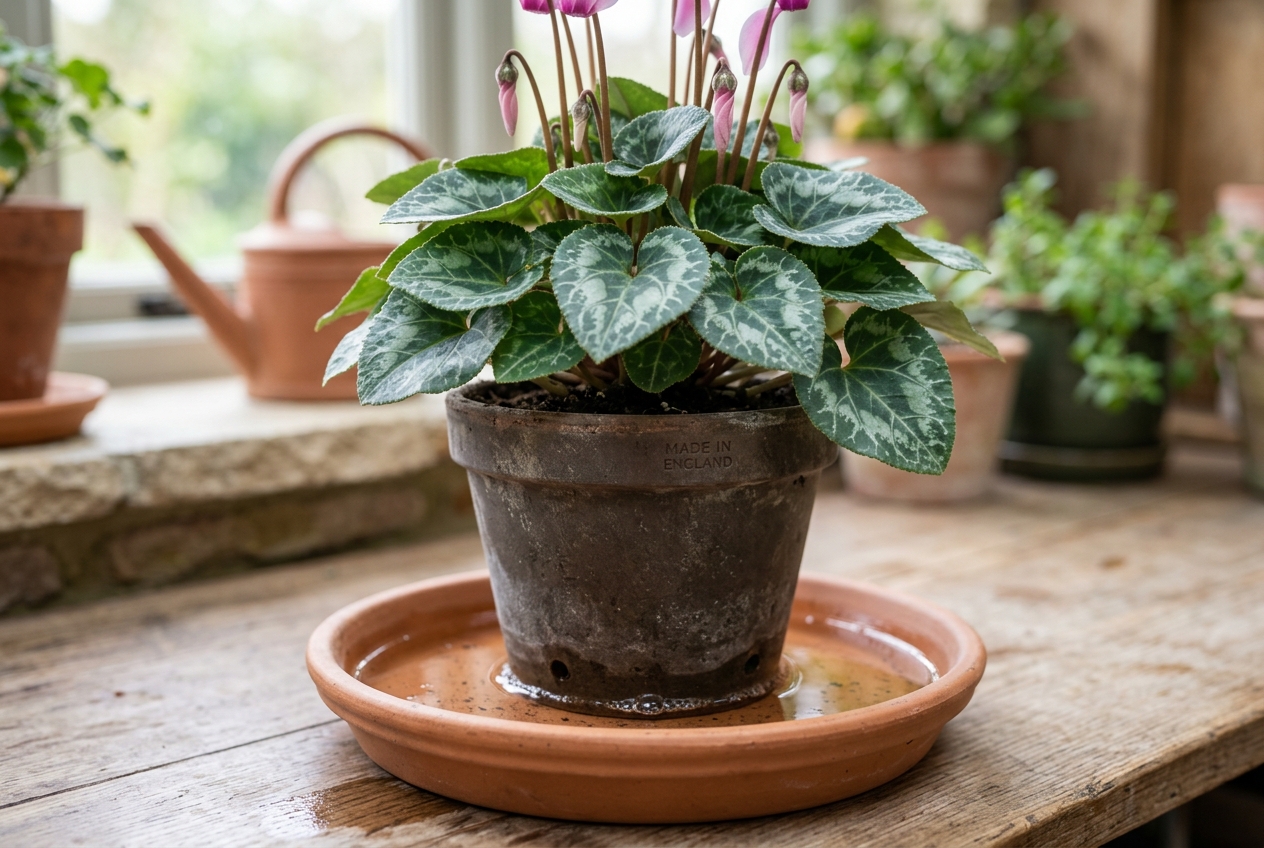
Step 1: Accurate Pest Identification
Confirm that your target pest is an insect controlled by imidacloprid (thrips, mealybugs, scale, aphids, or fungus gnat larvae) and NOT spider mites. Inspect the plant under a bright 10x or 30x jeweler’s loupe.
Step 2: Pre-Watering and Hydration Check
Never apply systemic granules to dry potting soil. If the substrate is dry, the concentrated chemical wash can burn delicate root hair tips. Irrigate the plant with plain water 24 hours prior to application so the root system is fully hydrated and ready for osmotic absorption.
Step 3: Measure the Pot Diameter and Granule Volume
Measure the interior diameter of the container at the top rim. Use the calibrated measuring cap provided with the bottle to meter the exact recommended dosage. Do not guess or add “a little extra,” as chemical overdosing damages tender root tips.
Step 4: Distribute Evenly Across the Substrate
Scatter the granules in a uniform circle across the entire soil surface, keeping them approximately half an inch away from the central plant stem. Even distribution prevents “hot spots” of concentrated chemical in one sector of the root ball.
Step 5: Incorporate Granules into the Upper Soil Profile
Using a small hand fork, wooden chopstick, or gloved fingers, gently work the granules into the top 1 to 2 inches (2.5 to 5 cm) of potting mix. Incorporating the granules ensures direct contact with moist soil particles and prevents pellets from floating away or sitting exposed on the surface where pets could touch them.
Step 6: Activate with a Slow, Thorough Water Drench
Slowly pour lukewarm water over the treated soil until moisture trickles out through the bottom drainage holes. This dissolves the chemical coating and initiates root uptake. Allow the container to drain completely for twenty minutes, then immediately discard any runoff that collects in the saucer tray.
Step 7: Quarantine and Label the Treated Plant
Place the treated plant in an isolated quarantine area away from your general collection and pets for 10 to 14 days. Label the pot with the application date so you know exactly when the 8-week protective window began.
Precision Dosage and Container Sizing Chart
Adhering strictly to manufacturer application rates ensures maximum pest mortality without causing phytotoxicity. Use this standard dosage reference based on container rim diameter:
| Pot Diameter (Inches) | Approximate Soil Volume | Recommended Granule Dose | Application Method | Protection Duration |
|---|---|---|---|---|
| 4-inch Pot (10 cm) | 0.5 Quart (0.5 L) | 2.5 level teaspoons (12.5 ml) | Scratch into top 1 inch, water lightly | Up to 8 weeks |
| 5-inch Pot (13 cm) | 1 Quart (1 L) | 1 to 1.5 tablespoons (15–22 ml) | Even broadcast, work into upper mix | Up to 8 weeks |
| 6-inch Pot (15 cm) | 2 Quarts (2 L) | 2.5 tablespoons (37.5 ml) | Work into top 1.5 inches, water thoroughly | Up to 8 weeks |
| 8-inch Pot (20 cm) | 1 Gallon (4 L) | 1/3 cup (5.3 tablespoons / 80 ml) | Distribute evenly, water until runoff | Up to 8 weeks |
| 10-inch Pot (25 cm) | 2.5 Gallons (10 L) | 1/2 cup (8 tablespoons / 120 ml) | Work into top 2 inches, deep drench | Up to 8 weeks |
| 12-inch Pot (30 cm) | 4 to 5 Gallons (15–20 L) | 3/4 cup (12 tablespoons / 180 ml) | Distribute and scratch into upper root zone | Up to 8 weeks |
Comprehensive Pest & Treatment Control Matrix
To set realistic expectations, consult this detailed matrix comparing how Bonide Systemic performs across common indoor plant invaders.
| Target Pest | Primary Mode of Action | Time to Visible Mortality | Control Efficacy | Recommended Complementary Action |
|---|---|---|---|---|
| Mealybugs | Systemic sap ingestion & direct root contact | 5 to 10 days | High (95%+) | Dab visible adult clusters with 70% isopropyl alcohol |
| Thrips | Foliar tissue ingestion by nymphs and adults | 4 to 8 days | Very High (98%) | Hang blue sticky cards to capture airborne adults |
| Fungus Gnat Larvae | Direct contact in substrate pore water | 24 to 72 hours | High (90%+) | Deploy yellow sticky cards for flying adults |
| Armored & Soft Scale | Xylem/phloem feeding through piercing mouthparts | 7 to 14 days | Moderate to High (85%) | Physically scrape waxy adult shells off woody stems |
| Aphids | Direct sap intake from tender new shoots | 3 to 5 days | Very High (99%) | Rinse dense colonies under lukewarm tap shower |
| Spider Mites | Ineffective (triggers hormoligosis) | N/A (populations increase) | Contraindicated (0%) | Wash with insecticidal soap or apply wettable sulfur |
Pet Safety Protocols: Protecting Cats and Dogs Indoors
For pet parents, safety is the foremost concern when evaluating synthetic pest control products. As an active home gardener who prioritizes animal welfare, I emphasize that Bonide Systemic Houseplant Insect Control requires disciplined stewardship in homes with pets.
Authoritative veterinary toxicology data confirms that while imidacloprid has lower mammalian toxicity compared to legacy organophosphates, undiluted granules or saturated drainage runoff can trigger acute toxicosis if ingested by curious cats or dogs. If you share your home with inquisitive felines, review our comprehensive list of non-toxic houseplants safe for cats and pets.

Crucial Pet Safety Rules:
- Always Incorporate Granules: Never leave systemic granules sitting loose on the soil surface where a digging cat or playful puppy could lick or paw them. Always scratch them 1 to 2 inches deep into the soil.
- Add a Physical Top Barrier: After incorporating granules, apply a 1-inch layer of decorative horticultural pumice, lava rock, or large river pebbles over the soil surface. This physically prevents pets from digging into treated substrate.
- Empty Drainage Saucers Promptly: Pets often lap standing water from drainage trays under pots. Imidacloprid dissolves readily in runoff. Discard all runoff immediately after watering.
- Isolate Leaf-Chewing Hazards: If your cat is prone to chewing leafy foliage, place treated plants behind closed doors in a plant room or display them inside hanging baskets out of leaping reach. Systemic chemicals persist inside leaf tissues for up to 8 weeks.
- Secure Storage: Store the original container tightly capped in a high, locked utility cabinet away from pet food and children.
Strict Environmental Safeguards: Outdoor and Pollinator Prohibitions
Imidacloprid is an extraordinarily potent neonicotinoid that is lethal to honeybees, native bumblebees, butterflies, and aquatic invertebrates even at sub-part-per-billion concentrations. Guidelines published by Penn State Extension on managing houseplant pests mandate strict environmental safeguards:
- Indoor Use Exclusively: Bonide Systemic Houseplant Insect Control is registered and labeled strictly for indoor containerized houseplants. Never apply it to outdoor garden beds, patio containers, or hanging baskets exposed to rain and wild pollinators.
- Snip Open Blooms: If an indoor plant treated with systemic granules produces outdoor-exposed blooms (such as peace lilies, hoyas, or anthuriums placed near open screened windows), clip off the flower buds immediately. The nectar and pollen contain imidacloprid and will poison visiting pollinators.
- Zero Edible Plants: Never apply systemic insecticides to culinary herbs (basil, rosemary, mint), indoor fruit trees, or vegetable seedlings. The systemic chemical translocates directly into edible leaves and fruits, rendering them unsafe for human consumption.
- Responsible Disposal: Never discard treated soil or wash irrigation runoff down storm drains or into natural waterways.
Dennis’s Advanced Troubleshooting: 5 Critical Pest Scenarios
Even when following label instructions, unexpected complications can arise. Here are my step-by-step diagnostic and treatment protocols for five frequent real-world challenges encountered when using systemic insect control.
1. Continued Pest Sightings 7 Days After Granule Application
What the symptom looks like: You applied granules one week ago, but you still see live mealybugs or thrips crawling on leaves.
Possible cause: Unrealistic expectations regarding systemic vascular uptake, or dry substrate preventing chemical translocation.
How to identify the cause: Imidacloprid requires 5 to 10 days to travel from root tips through xylem pathways into upper canopy leaves. Pests must also feed on the plant to ingest the chemical.
What to do: Be patient. In the interim, mechanically remove visible clusters using a cotton swab dipped in 70% rubbing alcohol. Ensure the soil remains evenly moist so the plant transpires actively and draws the dissolved chemical upward.
How to prevent the problem: Understand the latent vascular absorption timeline before expecting complete pest eradication.
2. Granules Clumping or Floating on the Substrate Surface
What the symptom looks like: Pellets float in pooled water during irrigation and form a gray, pasty crust across the topsoil when dry.
Possible cause: Applying granules to the surface without scratching them into the soil, combined with top-heavy chunky bark mixes.
How to identify the cause: Granules remain visible as distinct pellets on the surface long after watering.
What to do: Use a small hand fork to gently blend the pasty residue into the top two inches of substrate. Top-dress with a handful of fresh potting soil or pumice to lock the chemical in place.
How to prevent the problem: Always scratch granules thoroughly into the potting media before applying the initial water drench.
3. Sudden Foliar Tip Burn After Granule Application
What the symptom looks like: Leaf tips and perimeter edges turn brown and crispy within 72 hours of applying Bonide Systemic.
Possible cause: Applying systemic granules simultaneously with high-nitrogen liquid fertilizer, causing severe electrical conductivity (EC) osmotic shock.
How to identify the cause: Browning appeared abruptly after combining treatments. For proper feeding intervals, check our detailed guide on balanced houseplant fertilizer protocols.
What to do: Immediately flush the container with plain, lukewarm water at the sink for three minutes to dilute excess mineral salts. Never fertilize plants within two weeks of applying systemic granules.
How to prevent the problem: Space fertilization and systemic insecticide treatments at least 14 days apart.
4. Pest Recurrence 8 to 10 Weeks Post-Treatment
What the symptom looks like: The plant was completely pest-free for two months, but a new generation of thrips or mealybugs suddenly reappears.
Possible cause: The active imidacloprid molecule naturally metabolized and degraded inside plant tissues after 8 weeks.
How to identify the cause: Re-infestation coincides with the expiration of the manufacturer’s 8-week protective window.
What to do: Inspect the plant’s overall health. If active pest reproduction is confirmed, reapply Bonide Systemic at the standard dosage rate, scratch into the soil, and water thoroughly. Do not exceed more than three applications per year to prevent pest resistance.
How to prevent the problem: Mark reapplication dates on your calendar and maintain ongoing quarantine for newly acquired plants.
5. Accidental Granule Application to Culinary Herbs
What the symptom looks like: You mistakenly applied Bonide Systemic granules to a pot of indoor basil, mint, or parsley.
Possible cause: Accidental misapplication to an edible crop.
How to identify the cause: Systemic pellets are present in the soil of an edible plant.
What to do: Do not consume the herb. Discard the plant and soil immediately into municipal trash (not into backyard compost). Imidacloprid is not approved for edible crops in container indoor settings and cannot be washed off foliage.
How to prevent the problem: Store indoor pest control chemicals completely separate from kitchen gardening supplies.
Integrating Systemics into an Overall IPM Strategy
Chemical intervention should never be your sole line of defense. The most resilient indoor gardens combine mechanical, cultural, and chemical tactics into an Integrated Pest Management (IPM) plan:
- Cultural Optimization: Vigorous, healthy plants are naturally more resistant to pest outbreaks. Provide appropriate foot-candles of light, maintain optimal humidity (50% to 65%), and avoid excessive nitrogen feeding that creates soft, vulnerable plant tissues.
- Mechanical Cleansing: Give foliage plants a monthly shower with lukewarm water. Rinsing leaves removes dust, dislodges pests, and disrupts early-stage egg clusters before they establish.
- Biological & Contact First: For minor infestations, begin with insecticidal soap, 70% isopropyl alcohol swabs, or beneficial nematodes before resorting to synthetic chemicals.
- Strategic Systemic Deployment: Reserve Bonide Systemic Houseplant Insect Control for aggressive, persistent infestations (such as thrips or widespread mealybugs) or for preventative treatment of high-value tropical specimens before winter brings dry, heated indoor air.
Master FAQ: Bonide Systemic Houseplant Insect Control
How long does Bonide Systemic take to eliminate pests completely?
Bonide Systemic is not an instant knock-down spray; it relies on vascular biological uptake. After application and watering, root hair cells absorb the dissolved imidacloprid over 48 to 72 hours. It typically requires 5 to 10 days for the chemical to reach effective concentrations throughout mature foliage and leaf stems. Once insects feed on the sap, mortality occurs within 24 to 48 hours. Most growers observe dramatic pest population collapse between days 7 and 14 following treatment.
Does Bonide Systemic kill spider mites?
No, Bonide Systemic does not kill spider mites. Imidacloprid is an insecticide targeted specifically at insects and has no miticidal activity. In fact, research demonstrates that treating spider-mite-infested plants with imidacloprid stimulates mite reproduction (hormoligosis) and kills off predatory insects, causing severe spider mite population explosions. If your plant has spider mites, use insecticidal soap, sulfur sprays, or specialized miticides instead.
Is Bonide Systemic safe for households with cats and dogs?
When used strictly according to label directions, Bonide Systemic can be utilized safely in homes with pets, but it requires strict precautions. Never leave the granules exposed on the soil surface—always scratch them 1 to 2 inches deep into the substrate and consider covering the surface with river pebbles to deter digging. Immediately discard all drainage water from saucer trays so pets cannot drink chemical runoff. If your cat persistently chews plant foliage, keep treated plants isolated in a closed room or display them in hanging baskets.
Can I apply Bonide Systemic to edible indoor herbs or vegetables?
Absolutely not. Bonide Systemic Houseplant Insect Control is formulated strictly for ornamental non-edible houseplants. Imidacloprid translocates into all plant tissues, including leaves, stems, and fruits, where it remains active for weeks. Consuming herbs, fruits, or vegetables grown in soil treated with this product poses toxicological health risks. For edible plants, control pests exclusively with OMRI-listed organic insecticidal soaps, neem oil, or horticultural oils.
How often can I reapply Bonide Systemic granules?
A single application of Bonide Systemic provides continuous internal protection for up to 8 weeks (approximately two months). You should not reapply granules more frequently than once every 8 weeks. In standard indoor practice, two to three applications per year during active spring and summer growth are more than sufficient to maintain pest-free collections. Over-application increases the risk of chemical root burn and can foster pesticide resistance.
Can I dissolve Bonide Systemic granules in water before applying?
No, you should never attempt to pre-dissolve the dry granules in a watering can. The formulation is engineered as a slow-release dry granule coated on an inert clay/cellulose carrier. Pre-mixing in water can cause uneven slurry dispersion, clogged watering nozzles, and unpredictable chemical spikes. Always measure the dry granules with the calibrated cap, broadcast them evenly across the soil surface, incorporate them into the top layer of substrate, and water them in with plain water.
Dennis P. Hansen
Dennis P. Hansen is a home gardener with a genuine passion for plants and the simple pleasure of growing them. He enjoys caring for houseplants, succulents, and other plants at home while continually learning from everyday gardening experiences. Dennis likes to share practical plant care tips, useful observations, and simple solutions that can help others grow healthier plants. He believes that caring for plants is a rewarding journey and that there is always something new to learn along the way.