
Houseplant Magic Indoor Plant Food: 7 Proven Joyful Secrets

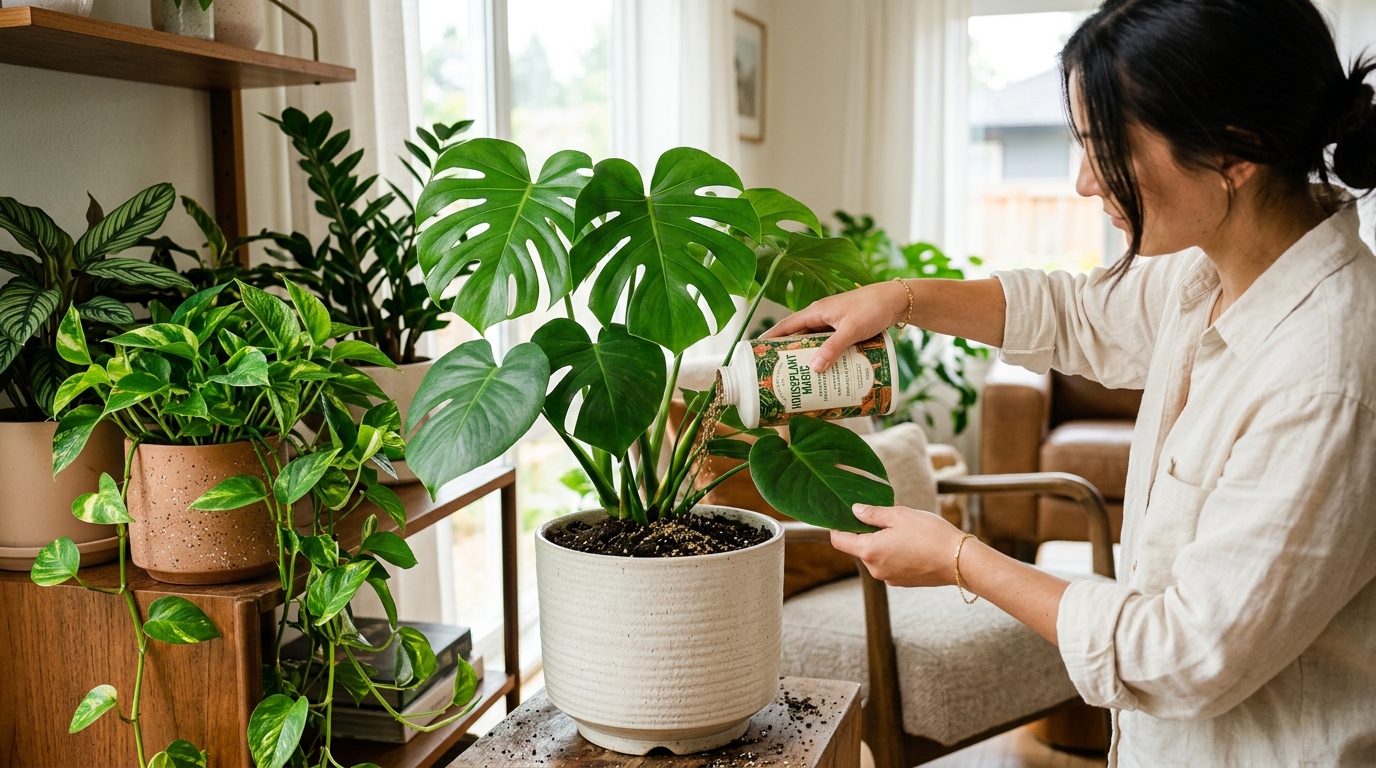
Hello, fellow plant enthusiasts! I am Dennis P. Hansen, and if you share my quiet joy in watching indoor greenery thrive, you know how satisfying it is when a new leaf unfurls with vibrant vigor. In this complete guide, we examine how houseplant magic indoor plant food provides essential macro and micronutrients to container plants, balancing soil chemistry with safe, practical feeding routines that keep your indoor jungle healthy year-round.
Table of Contents
- Understanding Houseplant Magic Indoor Plant Food and Botanical Nutrition
- Comprehensive Care Guide: Feeding, Soil, and Daily Maintenance
- Plant Feeding & Nutrient Profile Matrix
- Dennis’s Advanced Troubleshooting: Nutrient Imbalances and Fixes
- Seasonal Feeding and Environmental Care
- Master FAQ on Houseplant Magic Indoor Plant Food
Understanding Houseplant Magic Indoor Plant Food and Botanical Nutrition
Every indoor gardener eventually discovers that watering alone cannot sustain potted plants indefinitely. Unlike outdoor garden specimens whose roots delve deep into living earth refreshed by decaying organic mulch, earthworm castings, and deep groundwater minerals, houseplants exist within a strictly finite volume of potting substrate. Over weeks and months of routine irrigation, water leaches soluble minerals straight through drainage holes. As the plant produces new tissue, expands its root architecture, and undergoes photosynthesis, it steadily draws upon the available reservoir of dissolved ions. When those ions are exhausted, growth slows to an imperceptible crawl, new leaves emerge progressively smaller and paler, and the plant becomes vulnerable to environmental stressors. Understanding the role of houseplant magic indoor plant food begins with recognizing how containerized plants ingest, process, and utilize chemical nutrients at a cellular level.
At the center of plant nutrition lies the primary triad of macronutrients: nitrogen (N), phosphorus (P), and potassium (K). Nitrogen is the fundamental building block of amino acids, proteins, and the green pigment chlorophyll, which captures sunlight to drive photosynthesis. When houseplants receive balanced nitrogen through houseplant magic indoor plant food, vegetative growth flourishes, producing deep emerald foliage with thick cellular walls. Phosphorus plays an equally crucial energetic role. It forms the backbone of adenosine triphosphate (ATP), the universal cellular currency that transfers energy generated through respiration to sites of active cell division. Phosphorus also drives early root branching and floral development, ensuring that root tips can continuously explore the potting mix. Potassium functions as an osmotic regulator, governing the opening and closing of microscopic stomata on leaf surfaces to manage transpiration and gas exchange. Strong potassium availability reinforces cellulose structures, rendering foliage resilient against fungal spores and physical wilting.
Beyond these primary macronutrients, complete botanical sustenance requires secondary minerals and micronutrients. Calcium binds cell walls together as calcium pectate, preventing distorted foliage tips. Magnesium occupies the exact central position of every single chlorophyll molecule; without sufficient magnesium, plants cannot synthesize chlorophyll, triggering severe interveinal chlorosis where leaf veins remain dark green while surrounding tissue fades to pale yellow. Sulfur synthesizes essential plant enzymes, while trace amounts of iron, manganese, zinc, copper, boron, and molybdenum catalyze enzymatic pathways. High-quality houseplant magic indoor plant food delivers these elements in chelated, bioavailable formats that indoor roots can readily absorb without requiring complex microbial decomposition beforehand.

Root uptake is fundamentally an osmotic process. Roots absorb mineral ions dissolved in the soil water film through fine root hairs. These microscopic structures rely on a delicate chemical concentration gradient: the concentration of dissolved solutes inside the root cells must be higher than the concentration in the surrounding soil moisture, enabling water to move naturally into the root via osmosis. If concentrated, undiluted fertilizer is applied to a dry potting medium, the solute concentration in the soil water abruptly spikes above that of the root cells. Rather than absorbing water, the plant experiences reverse osmosis, pulling moisture out of root tissues and causing irreversible cell plasmolysis—a condition commonly recognized as fertilizer burn. Diluting houseplant magic indoor plant food correctly and applying it strictly to pre-moistened potting soil preserves this critical osmotic equilibrium, guaranteeing that roots absorb nutrients smoothly and safely.
Comprehensive Care Guide: Feeding, Soil, and Daily Maintenance
Administering plant food effectively is not an isolated chore; it operates in tight biological coordination with light exposure, ambient room temperature, watering practices, and the physical characteristics of your potting mix. To ensure that your plants make full, productive use of houseplant magic indoor plant food without suffering nutrient accumulation or root stagnation, you must synchronize your feeding routine with your indoor microclimate.
1. Light Exposure and Metabolic Demand
The speed at which an indoor plant metabolizes supplemental nutrients is directly proportional to the intensity and duration of light it receives. Photosynthesis provides the sugars and metabolic energy required to assimilate nitrogen into amino acids and synthesize new foliage. Under bright, indirect daylight—such as near an east-facing window or beneath full-spectrum horticultural grow lights—plants transpire briskly, cycle moisture through their root systems efficiently, and demand regular nutrient replenishment. Conversely, houseplants positioned in dim hallways or low-light corners undergo reduced photosynthetic rates. In low-light environments, their metabolic engine idles. Feeding a plant in low light at the same rate as one in bright indirect light leads to unabsorbed fertilizer salts lingering in the soil, raising electrical conductivity and stressing roots. Authoritative research from the University of Maryland Extension on Indoor Plant Nutrition emphasizes that fertilization schedules must always follow lighting conditions rather than rigid calendar dates.
2. Watering Protocols and Application Technique
Never apply houseplant magic indoor plant food to bone-dry potting mix. When peat or coco coir dries out completely, root hairs shrink and develop microscopic fissures. Applying mineral-rich liquid directly onto desiccated roots causes immediate chemical shock. Dennis Hansen recommends a simple two-phase hydration protocol: first, water your houseplant thoroughly with plain, room-temperature water until moisture distributes evenly throughout the root ball and begins trickling from the drainage holes. Allow the pot to rest for ten to fifteen minutes. Once the potting mix is thoroughly damp and receptive, apply your measured, diluted dose of houseplant magic indoor plant food. As detailed in our comprehensive guide on How to Fertilize Indoor Plants: 7 Proven Feeding Rules, this pre-hydration barrier cushions delicate root hairs and guarantees uniform nutrient distribution across the container.
3. Soil Structure, Aeration, and Cation Exchange
The substrate housing your plant dictates how effectively nutrients are retained and absorbed. Standard garden loam is too dense for indoor containers, compacting rapidly and suffocating root systems. High-performing indoor potting mediums incorporate coarse perlite, horticultural pumice, fine orchid bark, and spongy coco coir to preserve generous macropores. These air pockets supply oxygen to respiring root tissues while facilitating free drainage. Organic components like coir and peat provide cation exchange capacity (CEC), chemically holding onto positively charged ions like potassium, calcium, and magnesium until roots absorb them. When choosing substrate components or repotting, consult our breakdown on Do You Need Nutrients After Repotting Indoor Plants to understand why fresh commercial soil mixes usually carry sufficient baseline fertility for four to six weeks before supplemental feeding becomes necessary.
4. Temperature and Humidity Parameters
Plant roots function within a biological temperature window. Optimal root metabolism and nutrient absorption occur between 65°F and 80°F (18°C and 27°C). If indoor temperatures drop below 60°F (15°C), enzymatic activity in the root zone decreases dramatically, rendering roots sluggish and incapable of processing active fertilizer. Similarly, relative humidity influences how rapidly leaves transpire moisture. In arid indoor environments (such as heated winter living rooms), low humidity causes rapid water evaporation from leaf surfaces, which can lead the plant to draw excessive water from the soil; if that soil is heavily laden with fertilizer, excessive salts accumulate in leaf margins, resulting in crispy brown tips. Maintaining moderate humidity (50% to 65%) supports steady, balanced nutrient transport.
5. Container Requirements and Drainage Mechanics
Proper drainage is the ultimate safeguard against fertilizer toxicity. Every container receiving houseplant magic indoor plant food must have functional drainage holes. When you water with liquid plant food, always allow approximately ten to twenty percent of the liquid volume to drain freely into the saucer beneath. This runoff carries away unabsorbed mineral salts that would otherwise concentrate around root zones. Never allow a potted plant to sit continuously in this drainage runoff; discard the accumulated saucer water after twenty minutes. Plants grown in sealed decorative cachepots must be removed in their plastic nursery pots during feeding, thoroughly drained over a sink, and only returned once dripping has completely ceased. For deeper reading on container safety and drainage hygiene, the Penn State Extension Guide on Feeding Indoor Plants provides invaluable insights for indoor gardeners.
6. Plant-Specific Nutritional Adjustments
Not every houseplant shares identical nutritional appetites. Vigorous tropical climbers with broad, hungry foliage—such as Monstera deliciosa, Philodendron, and Epipremnum—thrive on consistent, balanced feeding during active growth. In contrast, slower-growing or delicate species like Peperomia and Pilea require gentler applications at half the standard concentration. If you care for species like the Chinese Money Plant, review our care walkthrough for Chinese Money Plant Care: 7 Pro Rules for Bushy Pups to see how moderate feeding preserves balanced leaf cups and encourages vigorous pup formation without overwhelming tender root offshoots.
Plant Feeding & Nutrient Profile Matrix
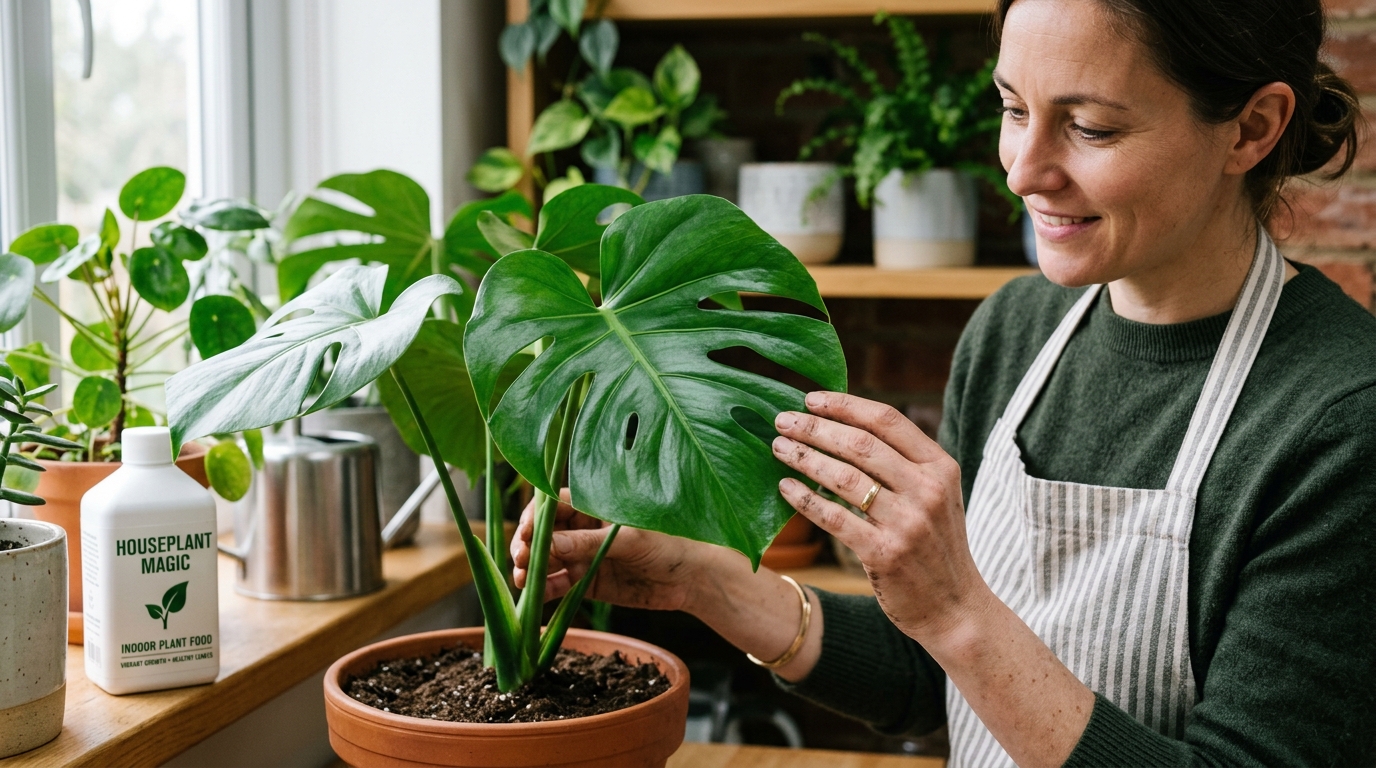
To help you tailor houseplant magic indoor plant food to your specific botanical collection, Dennis Hansen has organized this quick-reference matrix detailing application frequencies, dilution adjustments, and visual milestones across common plant families.
| Plant Category | Recommended Dilution | Active Season Frequency | Signs of Balanced Feeding | Watchout Signs |
|---|---|---|---|---|
| Tropical Aroids (Monstera, Philodendron, Pothos) | Standard label strength (or 1/2 strength weekly) | Every 2 to 3 weeks | Vibrant fenestrations, lush green petioles, sturdy aerial roots | Brown scorched leaf edges, yellowing lower foliage |
| Ficus & Large Foliage (Fiddle Leaf Fig, Rubber Tree) | Standard strength diluted in generous water volume | Every 3 to 4 weeks | Glossy thick leaves, strong vertical stem rigidity | Sudden lower leaf drop, brown patches along margins |
| Delicate Foliage & Ferns (Boston Fern, Maidenhair, Calathea) | 1/4 to 1/2 recommended strength | Every 4 to 6 weeks | Continuous soft frond unfurling, rich deep patterns | Crispy brittle margins, leaf curling, salt sensitivity |
| Compact Semi-Succulents (Pilea, Peperomia, Hoyas) | 1/2 recommended strength | Once every 4 weeks | Stout stems, fleshy peltate leaves, vigorous offsets | Pale leggy growth, limp watery leaf petioles |
| Succulents & Cacti (Sansevieria, Haworthia, Jade) | 1/4 strength (low nitrogen preference) | 1 to 2 times across entire summer | Firm fleshy turgidity, clean variegation banding | Soft rotten base, etiolated weak growth stretches |

Dennis’s Advanced Troubleshooting: Nutrient Imbalances and Fixes
Diagnosing houseplant symptoms requires looking closely at patterns on foliage, stems, and soil surfaces. When things go wrong with container nutrition, plants exhibit clear biochemical indicators. Here are the six most common nutrient-related dilemmas Dennis Hansen encounters, along with practical, step-by-step remedies to restore plant health.
1. Fertilizer Burn and Crispy Leaf Margins
What the symptom looks like: The very tips and outer edges of otherwise green leaves turn tan, brown, and dry, feeling crisp like parchment paper. A thin yellow halo often separates the dead tissue from the healthy leaf blade.
Possible cause: Applying houseplant magic indoor plant food at excessive concentration, feeding dry soil, or feeding too frequently without adequate drainage leaching.
How to identify the cause: Inspect the soil surface and inner pot rim for white, crusty crystalline deposits. Review your feeding calendar; if plant food was applied within the last week or applied to dry roots, osmotic leaf scorch is the culprit.
What to do: Immediately leach the potting soil. Take the plant to a sink, bathtub, or outdoor hose. Slowly run tepid water through the potting mix for five minutes, allowing generous volumes of water to wash out residual fertilizer salts through the drainage holes. Empty all runoff. Withhold all plant food for at least four to six weeks while monitoring new foliage emergence.
How to prevent the problem: Always pre-moisten potting soil with plain water before feeding. When in doubt, dilute houseplant magic indoor plant food to half the manufacturer’s suggested dose, especially during early spring or for slow-growing specimens.
2. Nitrogen Deficiency and Generalized Chlorosis
What the symptom looks like: The oldest, lowest leaves on the plant gradually lose their rich green coloration, fading to uniform pale lime-green and eventually light yellow. The yellowing affects the entire leaf blade evenly, including veins. Stems remain thin, and overall growth halts.
Possible cause: Complete exhaustion of soil nitrogen. Because nitrogen is a mobile nutrient within plant vascular systems, the plant sacrifices its oldest leaves to scavenge nitrogen and transport it upward to fuel newer growth at the shoot tip.
How to identify the cause: Check how long the plant has resided in its existing soil without supplemental feeding. If it has been months since the last application of houseplant magic indoor plant food and roots are firm, white, and healthy, nitrogen depletion is confirmed.
What to do: Apply a balanced dose of diluted houseplant magic indoor plant food to pre-moistened soil. Within seven to fourteen days, pale mid-tier leaves will deepen in color, and new leaves will emerge with healthy chlorophyll density.
How to prevent the problem: Maintain a gentle, consistent feeding cadence during the active spring and summer months rather than applying heavy, sporadic doses once or twice a year.
3. Phosphorus and Potassium Deficiencies
What the symptom looks like: In phosphorus deficiency, mature foliage develops a dull, dark bluish-green hue, sometimes accompanied by purplish tints along the undersides of leaves and petioles. New leaf expansion remains severely stunted. In potassium deficiency, mature leaf margins turn yellow and then necrotic, with leaves curling upward or displaying irregular brown mottling while veins stay green.
Possible cause: Poor mineral balance in cheap potting soil, severe soil compaction preventing root respiration, or prolonged lack of balanced plant nutrition.
How to identify the cause: Phosphorus and potassium deficiencies mimic cold stress or drought stress. Check that ambient temperatures are above 65°F (18°C) and rule out underwatering before attributing symptoms to mineral absence.
What to do: Supply a complete, balanced liquid plant food formulation containing available phosphate and potash. Ensure potting soil is gently aerated using a clean wooden chopstick to improve oxygen penetration around root zones.
How to prevent the problem: Use high-grade houseplant magic indoor plant food containing a comprehensive N-P-K ratio alongside essential trace minerals rather than single-nutrient supplements.
4. Mineral Salt Crust Accumulation on Soil and Clay Pots
What the symptom looks like: A chalky, gritty white or yellowish crust forms along the top layer of potting soil and coats the outer rim or exterior walls of unglazed terracotta pots. Young seedling roots or newly emerging basal shoots turn brown upon touching this crust.
Possible cause: Repeated “micro-watering” where small amounts of fertilized water are poured onto soil without ever generating drainage runoff. As water evaporates from the soil surface, dissolved mineral salts crystallize and concentrate at the top.
How to identify the cause: Scrape the white crust with a spoon. If it is chalky and mineral-like rather than fuzzy mold or mycelium, it is accumulated fertilizer salt.
What to do: Gently scrape off and discard the top half-inch of crusted potting mix, being careful not to sever shallow surface roots. Replace with fresh, clean potting mix. Then, thoroughly leach the container with clean, lukewarm water until water flows abundantly from the base.
How to prevent the problem: Always water until ten to twenty percent of the liquid volume exits the drainage holes. Every fourth watering, skip fertilizer entirely and irrigate solely with plain water to flush out accumulated minerals.
5. Over-fertilization During Environmental Stress
What the symptom looks like: Foliage suddenly wilts and droops, even though the potting soil is completely saturated with moisture. Lower leaves turn yellow and drop prematurely, and the plant appears to be suffering from drought despite moist substrate.
Possible cause: Feeding a plant that was already struggling with root rot, insect pest infestations, transplant shock, or excessive heat. When root systems are damaged, they cannot process nutrients. Unabsorbed fertilizer creates a toxic root environment that accelerates root collapse. The University of Florida IFAS Extension Houseplant Management bulletin notes that fertilizing stressed plants is among the most frequent causes of indoor plant mortality.
How to identify the cause: Unpot the plant gently and inspect the roots. If roots appear brown, black, mushy, or emit a sour odor, root rot has compromised the root system.
What to do: Stop all fertilization immediately. Prune away all blackened, decayed root tissue using sterilized shears. Wash away old soil, repot into a fresh, aerated aroid potting mix, and place the plant in gentle, bright indirect light. Do not apply houseplant magic indoor plant food until the plant establishes new, healthy root tips and produces vigorous new foliage.
How to prevent the problem: Plant food is fuel for healthy growth; it is never a medicine for sick, pest-infested, or root-rotted plants. Only feed plants that are actively growing and established in sound root health.
6. Micronutrient Lockout Caused by Inappropriate Soil pH
What the symptom looks like: Interveinal chlorosis on the youngest new leaves at the shoot tips. Leaf blades turn pale creamy yellow or almost translucent white, while the fine web of veins remains sharp dark green. New growth may be distorted or brittle.
Possible cause: Iron or zinc lockout. Even if houseplant magic indoor plant food contains iron, hard alkaline tap water (rich in carbonates) gradually shifts the soil pH above 7.0. At alkaline pH levels, iron precipitates into insoluble chemical compounds that roots cannot absorb.
How to identify the cause: Test your runoff water pH using a simple digital meter or paper test strips. If pH reads above 7.2, an alkaline nutrient lockout is occurring.
What to do: Water with rainwater, distilled water, or tap water adjusted to a slightly acidic pH (6.0 to 6.5). You can apply a specialized chelated iron soil drench to provide immediately available iron while the soil chemistry stabilizes.
How to prevent the problem: Avoid using excessively hard, mineral-heavy tap water for your houseplants. Regularly incorporate organic compost or peat-based elements that naturally maintain mild, root-friendly acidity.
Seasonal Feeding and Environmental Care
One of the most common errors indoor gardeners make is adhering to a rigid year-round feeding schedule regardless of changing seasons. Indoor plants respond dynamically to celestial cycles: shifting day lengths, changing solar angles through windows, and seasonal indoor heating or air conditioning profoundly alter their biological rhythm. Aligning your application of houseplant magic indoor plant food with natural seasonal phases ensures optimal nutrient assimilation without the risk of over-accumulation.
Spring and Summer: The Active Growth Accelerator
As spring arrives, lengthening daylight hours and climbing solar intensity signal houseplants to exit winter dormancy or metabolic slowdown. Hormones like auxin and cytokinin surge through plant vascular bundles, triggering shoot elongation, leaf unfurling, and active root exploration. This is the prime window where houseplant magic indoor plant food provides maximal botanical benefit.
Beginning in early April (or whenever your indoor plants clearly resume active growth with new leaf buds), introduce plant food at half strength with your bi-weekly watering. As daylight peaks in June and July, plants positioned in bright indirect light can receive full label-strength feeding every two to three weeks. Because warm summer air accelerates transpirational water uptake, check soil moisture frequently. Ensure you maintain the pre-hydration protocol to prevent concentrated salts from scorching warm, active roots. Summer is also the optimal season for propagating stem cuttings and executing routine repotting, as robust nutrient availability helps fresh root divisions establish rapidly.
Fall and Winter: Metabolic Slowdown and Dormancy Respect
As autumn arrives, the photoperiod shrinks dramatically. Sunlight entering east and north-facing windows loses much of its photosynthetic energy. Lower outdoor temperatures prompt indoor central heating systems to activate, drying out home air while creating warm ceilings and cool floor drafts. In response to reduced light levels, houseplants naturally downshift their metabolic activity. Cellular division slows, internodal stretching halts, and the transpirational stream becomes gentle and measured.
Applying standard doses of houseplant magic indoor plant food during dark winter months is counterproductive. Because the plant cannot utilize abundant nitrogen without bright light to drive photosynthesis, nitrogen builds up in the soil medium. This excess nitrogen produces weak, floppy, pale growth that is exceptionally susceptible to spider mites, fungus gnats, and mealybugs. Dennis Hansen recommends tapering off plant food in mid-to-late autumn. By November, cease fertilizing completely for standard tropical foliage, or reduce feeding to a very dilute quarter-strength application once every two months for specimens grown under dedicated horticultural LED lights. Resume normal feeding schedules in early spring when visible new growth signals that the plant’s metabolic engine has reawakened.
Master FAQ on Houseplant Magic Indoor Plant Food
How often should houseplant magic indoor plant food be applied during the growing season?
During the active spring and summer growing season, the ideal application frequency for houseplant magic indoor plant food depends directly on your plant species and available light levels. For vigorous tropical climbers like Monstera deliciosa, pothos, and heartleaf philodendron grown in bright, indirect light, a balanced feeding every two to three weeks delivers excellent results. If you prefer a gentle, continuous approach, many experienced gardeners follow the “weakly, weekly” method, diluting the plant food to one-quarter or one-half strength and applying it every time the plant is watered. For slower-growing plants such as snake plants, ZZ plants, or compact peperomias, once every four to six weeks is more than sufficient. Always observe new foliage: if leaves emerge deep green, firm, and steadily, your cadence is ideal. If leaf tips brown, reduce frequency immediately.
Can houseplant magic indoor plant food burn delicate plant roots if applied to dry soil?
Yes, applying any concentrated liquid plant food to bone-dry potting soil can cause severe osmotic fertilizer burn. When potting soil dries out, moisture pulls away from fine root hairs, leaving them contracted and fragile. Introducing a mineral-dense fertilizer solution into dry substrate spikes the electrical conductivity of the surrounding moisture film. Because water naturally flows toward higher solute concentrations, the fertilizer solution literally draws water out of root cells via reverse osmosis. This causes cell collapse, root tip dieback, and subsequent brown, crispy scorch marks along leaf margins. To prevent this chemical shock, always water your houseplant thoroughly with plain, room-temperature water first. Wait ten to fifteen minutes for the root ball to rehydrate, and only then apply your diluted houseplant magic indoor plant food.
What are the earliest visible signs that a houseplant is receiving too much plant food?
The earliest warning sign of over-fertilization is often a subtle browning or crisping at the extreme tips of young leaves, frequently accompanied by a narrow yellow halo separating the scorched tip from healthy green tissue. Another telltale indicator is the appearance of white, crusty mineral crystals forming on the surface of the potting mix or ringing the interior rim of the planter. If nitrogen is excessive, plants may produce uncharacteristically dark green, soft, floppy foliage that droops easily, or exhibit distorted, curled new leaves that fail to expand properly. In extreme cases of salt buildup in the root zone, the plant may suddenly wilt despite moist soil, as damaged roots lose their ability to transport water upward into the foliage.
Should newly repotted or struggling houseplants receive houseplant magic indoor plant food immediately?
No, you should never fertilize newly repotted plants or plants that are actively struggling from pests, root rot, or environmental shock. When a houseplant is repotted, its fine root hairs experience mechanical disturbance and microscopic damage; applying fertilizer salts directly to injured roots causes stinging chemical burns and delays healing. Furthermore, high-quality commercial potting soils already contain baseline slow-release nutrients that sustain plants for four to six weeks. Wait at least one month after repotting before introducing houseplant magic indoor plant food. Similarly, if a plant is dropping leaves from overwatering, pest damage, or cold drafts, fertilizer will not cure it. Resolve the underlying environmental issue first, allow the plant to recover and produce fresh root tips, and only resume feeding once healthy growth returns.
Does houseplant magic indoor plant food replace the need for regular soil flushing and repotting?
No, liquid plant food supplements essential mineral nutrients, but it cannot replace the critical physical maintenance of soil flushing and periodic repotting. Even with disciplined feeding, unused fertilizer salts, hard water bicarbonates, and organic metabolic byproducts gradually accumulate within container soil over time. Regular leaching—flushing the pot thoroughly with plain water every four to six weeks—is necessary to wash out these residual salts before they become toxic. Furthermore, peat moss and coco coir naturally decompose and compress after twelve to twenty-four months, collapsing the macropores that supply oxygen to roots. Repotting your houseplants into fresh, airy potting mix every one to two years restores vital soil porosity, resets pH balance, and provides an ideal physical environment for houseplant magic indoor plant food to nourish your plants safely.
Dennis P. Hansen
Dennis P. Hansen is a home gardener with a genuine passion for plants and the simple pleasure of growing them. He enjoys caring for houseplants, succulents, and other plants at home while continually learning from everyday gardening experiences. Dennis likes to share practical plant care tips, useful observations, and simple solutions that can help others grow healthier plants. He believes that caring for plants is a rewarding journey and that there is always something new to learn along the way.