
12 Beautiful Types of Indoor Palm Plants You’ll Love


Table of Contents
Introduction
Have you ever walked into a room filled with lush greenery and instantly felt more relaxed, refreshed, and connected to nature? If so, there’s a good chance that one of the secret ingredients was a beautiful indoor palm. The growing popularity of types of indoor palm plants is no surprise. These elegant tropical plants bring timeless beauty, soften interior spaces, and create a calming atmosphere that few other houseplants can match.
Whether you’re decorating a cozy apartment, upgrading your home office, or creating a stunning indoor jungle, choosing the right types of indoor palm plants can make all the difference. From compact palms that fit perfectly on tabletops to majestic varieties that become living focal points, there’s an option for every style, budget, and skill level. Better yet, many indoor palms are surprisingly easy to maintain, making them ideal for both beginners and experienced plant enthusiasts.
But with so many types of indoor palm plants available today, how do you know which one is right for your space? Which varieties thrive in low light? Which palms grow tall and dramatic? And what are the real palm plant indoor benefits beyond their undeniable beauty?
In this comprehensive guide, you’ll discover 12 stunning indoor palm varieties, learn how to identify different species, explore helpful visual characteristics, and master essential palm plants indoor care techniques. You’ll also find practical tips to keep your palms healthy, vibrant, and thriving throughout the year.
If you’re ready to transform your living space with graceful foliage and tropical charm, you’re about to discover some of the most beautiful and rewarding indoor palms you can grow at home.
Types of Indoor Palm Plants: Why They Are Perfect for Modern Homes
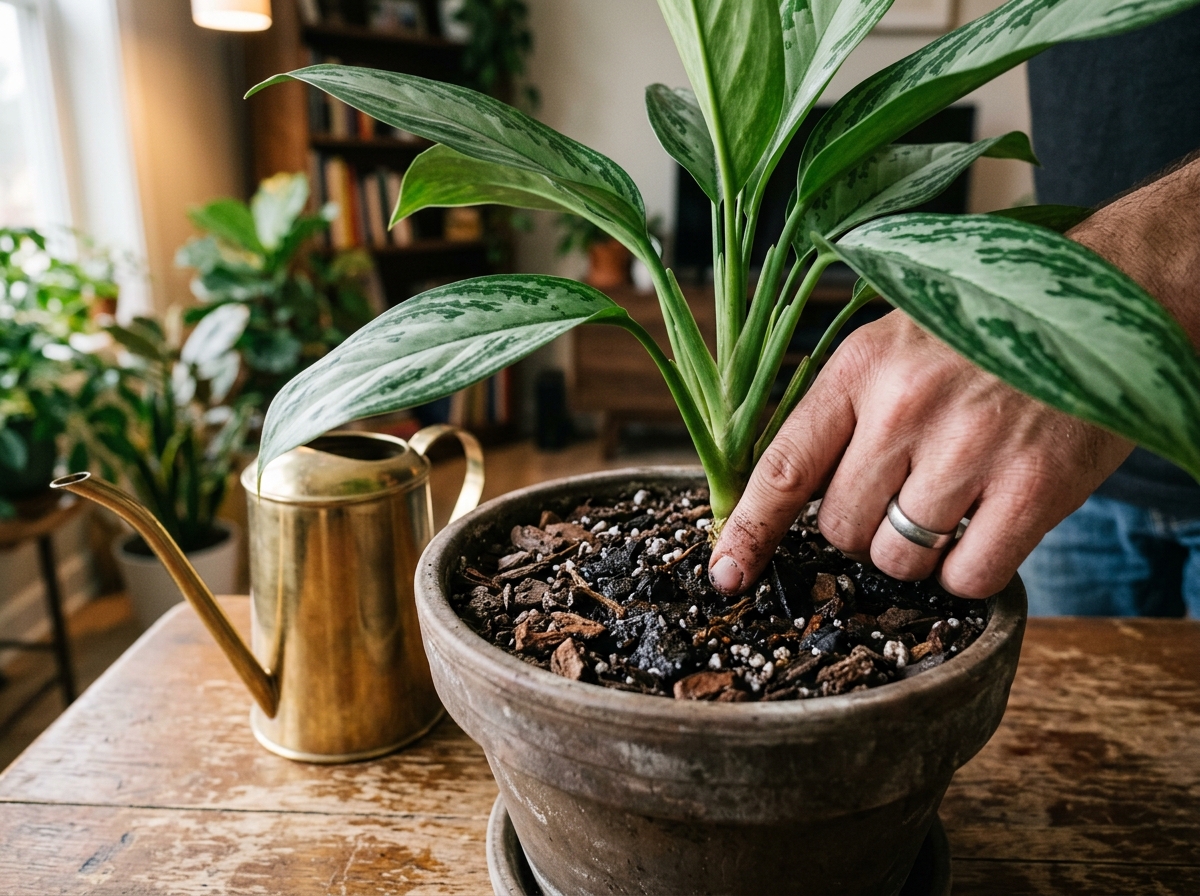
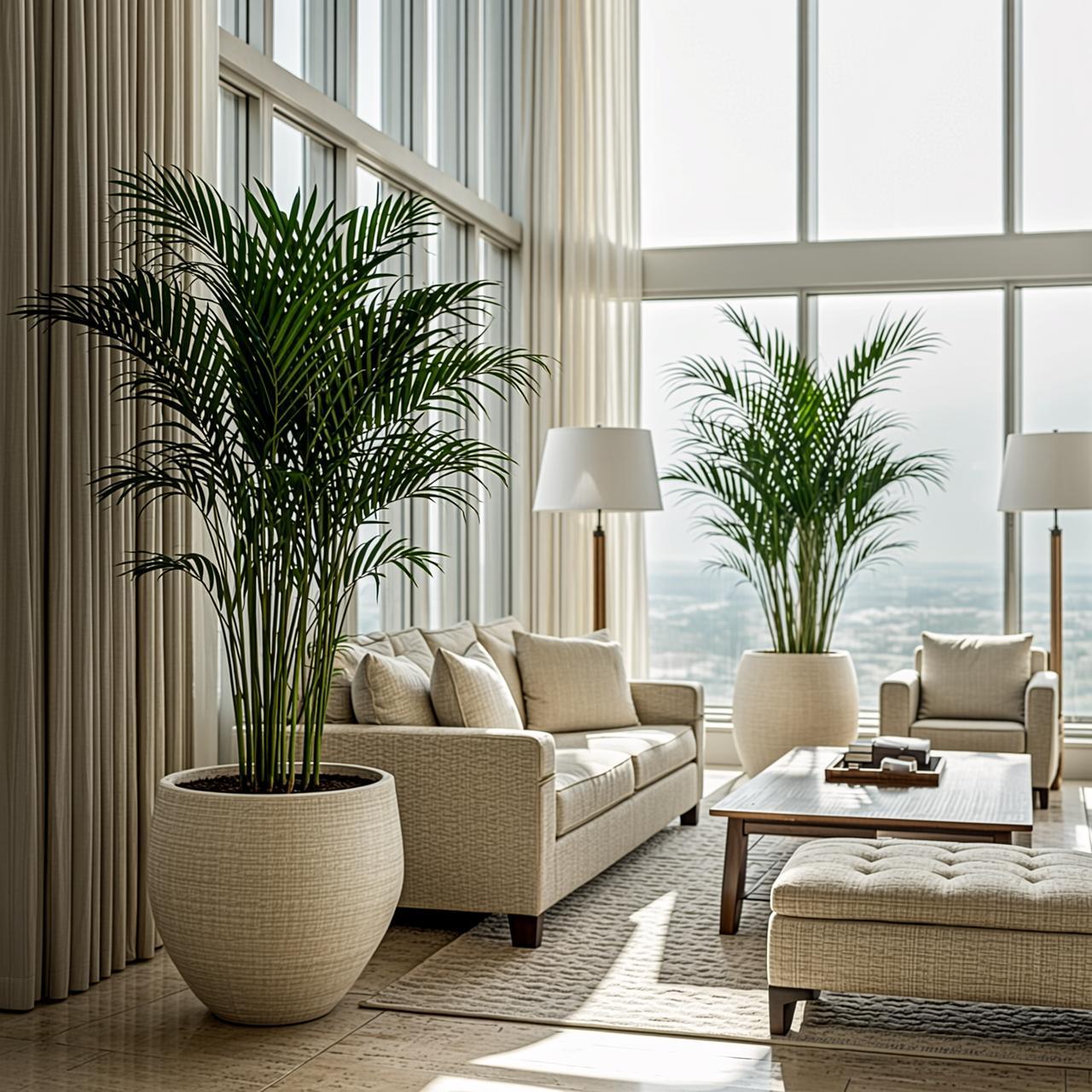
Indoor plants have become an essential part of modern interior design, but few options combine elegance, versatility, and ease of care quite like the types of indoor palm plants available today. Whether you’re decorating a minimalist apartment, a family home, or a professional workspace, palms bring a sense of calm and natural beauty that instantly elevates the environment.
The appeal of types of indoor palm plants goes far beyond aesthetics. Their graceful fronds soften hard architectural lines, add texture to living spaces, and create a welcoming atmosphere that makes a house feel more like a home. As homeowners increasingly seek ways to reconnect with nature indoors, palms continue to rank among the most desirable houseplants.
Perhaps you’re wondering: What makes indoor palms so special compared to other houseplants? The answer lies in their unique combination of tropical charm, adaptability, and practical benefits.
What Makes Indoor Palm Plants So Popular?
The popularity of indoor palms isn’t just a passing trend. These plants have remained favorites for decades because they offer something few houseplants can match: timeless elegance with relatively simple care requirements.
Here are several reasons homeowners love them:
- They complement virtually any decorating style.
- Many varieties adapt well to indoor conditions.
- Their lush foliage creates a tropical atmosphere year-round.
- They are available in a wide range of sizes.
- Many species tolerate lower light levels than expected.
- They make impressive statement plants without overwhelming a room.
Unlike trendy plants that come and go, the best types of indoor palm plants remain stylish regardless of changing design trends. Their classic appearance allows them to fit seamlessly into both traditional and contemporary interiors.
Palm Plant Indoor Benefits for Health and Home Décor
Adding palms to your home is about more than visual appeal. The numerous palm plant indoor benefits make them a practical investment for your living environment.
Some of the most appreciated benefits include:
1. Improved Visual Comfort
Greenery naturally helps create a more relaxing atmosphere. A room filled with palms often feels softer, warmer, and more inviting.
2. Enhanced Interior Design
Large palms can serve as living focal points, while smaller varieties add subtle accents to shelves, corners, and tabletops.
3. Increased Connection to Nature
Many people spend most of their day indoors. Bringing tropical foliage inside helps create a stronger connection to the natural world.
4. Better Space Definition
Strategically placed palms can:
- Separate open-concept spaces
- Highlight architectural features
- Fill empty corners beautifully
- Add vertical interest to a room
These practical advantages explain why interior designers frequently recommend palms when creating sophisticated and welcoming spaces.
How Types of Indoor Palm Plants Transform Indoor Spaces
One of the greatest strengths of types of indoor palm plants is their ability to completely change how a room feels without requiring major renovations.
Think about a bare corner in your living room. It may feel unfinished or awkward. Now imagine placing a healthy palm in a decorative planter in that same location. Suddenly, the area feels intentional, balanced, and visually complete.
Indoor palms transform spaces by:
- Adding height and dimension.
- Introducing natural texture.
- Softening sharp furniture lines.
- Creating a luxurious tropical aesthetic.
- Improving overall visual harmony.
Large varieties can become stunning centerpieces, while compact species work beautifully in apartments, offices, bedrooms, and reading nooks.
Because there are so many types of indoor palm plants, homeowners can easily find options that fit their available space and design goals.
Air-Purifying Qualities of Indoor Palm Trees
Many indoor gardeners appreciate palms for their reputation as air-improving plants. While no houseplant can replace proper ventilation, palms contribute to a fresher-feeling indoor environment.
Healthy indoor palms help by:
- Increasing humidity levels slightly
- Trapping dust particles on foliage
- Creating a cleaner and greener atmosphere
- Enhancing the perception of indoor freshness
This combination of beauty and functionality makes palms a valuable addition to homes, apartments, and offices alike.
To maximize these benefits, regularly wipe dust from the leaves and provide proper growing conditions so your palm remains healthy and vigorous.
Low-Maintenance Beauty for Busy Plant Owners
One reason palms remain so popular is their manageable care requirements. Many varieties are surprisingly forgiving, making them excellent choices for beginners.
If you have a busy schedule, you’ll appreciate that many palm species require only:
- Moderate watering
- Occasional feeding
- Indirect sunlight
- Basic pruning of older fronds
Compared with high-maintenance tropical plants, palms often demand far less attention while still delivering dramatic visual impact.
For new plant owners, this balance between beauty and simplicity is hard to beat. With proper palm plants indoor care, many varieties can thrive for years, becoming long-lasting features of your home’s décor.
By combining elegance, adaptability, and practical benefits, it’s easy to see why types of indoor palm plants continue to be among the most beloved houseplants for modern homes. Whether you’re seeking a statement piece or a subtle touch of greenery, indoor palms offer a timeless solution that brings nature closer to everyday life.
12 Beautiful Types of Indoor Palm Plants With Names and Growing Tips
When exploring the types of indoor palm plants, it quickly becomes clear that not all palms are the same. Each variety offers its own personality, growth pattern, and care needs. So how do you choose the right one for your home? Should you go for something tall and dramatic, or compact and easy-going for smaller spaces?
In this section, we’ll walk through some of the most popular types of indoor palm plants with names and practical growing tips so you can confidently pick the perfect match for your indoor space.
Areca Palm
The Areca Palm is one of the most beloved types of indoor palm plants thanks to its soft, feathery fronds and elegant structure. It instantly brings a tropical resort feel into any room.
Growing Tips:
- Prefers bright, indirect light
- Water when the topsoil feels slightly dry
- Avoid overwatering to prevent root issues
Why choose it?
- Excellent for living rooms and open spaces
- Adds height without feeling too heavy
- One of the best natural statement plants
Parlor Palm
The Parlor Palm is a classic choice among types of indoor palm plants, especially for beginners. It’s compact, adaptable, and thrives even in lower light conditions.
Growing Tips:
- Tolerates low to medium light
- Keep soil lightly moist
- Avoid direct sunlight exposure
Why choose it?
- Perfect for apartments and small rooms
- Very low maintenance
- Great indoor air-friendly plant option
Kentia Palm
If you want elegance and durability combined, the Kentia Palm stands out among types of indoor palm plants. It is often used in luxury interior design due to its graceful arching leaves.
Growing Tips:
- Prefers indirect light but adapts to shade
- Water moderately and consistently
- Allow soil to dry slightly between watering
Why choose it?
- Slow-growing and long-lasting
- Ideal for offices and upscale interiors
- Highly tolerant of indoor conditions
Majesty Palm
The Majesty Palm brings a bold, tropical presence into your home. It is one of the more dramatic types of indoor palm plants, often chosen for its lush and full appearance.
Growing Tips:
- Needs bright indirect light
- Requires higher humidity levels
- Keep soil evenly moist
Why choose it?
- Perfect for large rooms and corners
- Creates a tropical jungle vibe
- Visually dense and impressive
Chinese Fan Palm
The Chinese Fan Palm is unique due to its wide, fan-shaped leaves. It stands out among types of indoor palm plants because of its distinctive structure.
Growing Tips:
- Enjoys bright, filtered light
- Water when soil starts to dry
- Benefits from occasional misting
Why choose it?
- Eye-catching leaf shape
- Adds architectural interest
- Works well as a focal plant
Types of Indoor Palm Plants With Names and Key Features
Understanding types of indoor palm plants with names helps you make better choices based on size, light needs, and maintenance level. Here’s a quick overview:
- Areca Palm: Fast-growing, tropical look
- Parlor Palm: Compact and beginner-friendly
- Kentia Palm: Elegant and slow-growing
- Majesty Palm: High humidity lover, lush appearance
- Chinese Fan Palm: Unique fan-shaped foliage
Each of these types of indoor palm plants brings something different to your indoor space, whether it’s structure, softness, or bold visual impact.
Indoor Palm Plant Identification Guide for Beginners
If you’re new to gardening, identifying types of indoor palm plants can feel confusing at first. But with a few simple visual cues, you can easily tell them apart.
Key Identification Tips:
- Leaf shape: Feather-like vs fan-shaped
- Growth habit: Tall and upright vs bushy and compact
- Leaf texture: Soft, thin fronds vs stiff, wide leaves
- Trunk style: Single stem or clustered growth
Quick Beginner Checklist:
- Look at the leaf structure first
- Check how the plant grows vertically
- Observe light and humidity needs
- Compare with known palm images for confirmation
With practice, identifying types of indoor palm plants becomes easier and even enjoyable, especially when you start recognizing subtle differences between species.
Types of Indoor Palm Trees Pictures and Identification Guide
When you start exploring the types of indoor palm plants, one of the most helpful tools is visual learning. After all, how do you confidently choose the right plant if you can’t clearly recognize it? This is where types of indoor palm trees pictures become incredibly valuable—they help you see real differences in leaf shape, structure, and growth style so you can make smarter choices for your indoor space.
But here’s a question: have you ever looked at two palms and thought they were the same, only to realize later they are completely different species? That’s exactly why this guide focuses on clear visual identification.
Types of Indoor Palm Trees Pictures for Easy Recognition
Looking at types of indoor palm trees pictures is the fastest way to understand what you’re dealing with. Instead of guessing, you can compare real visual traits like leaf texture, trunk thickness, and plant height.
Here’s what to focus on when studying images:
- Leaf structure: feathery, fan-shaped, or arching
- Growth pattern: upright, bushy, or clustered
- Color tone: deep green vs light tropical green
- Overall size: tabletop, medium, or floor plant
By repeatedly observing types of indoor palm plants, you begin to recognize patterns naturally—almost like learning a visual language.
Indoor Palm Plant Identification by Leaf Shape and Growth Habit
One of the most reliable methods for identifying types of indoor palm plants is analyzing leaf shape and growth behavior.
Key identification factors include:
- Feather-like leaves: Often seen in Areca and Kentia palms
- Fan-shaped leaves: Common in Chinese Fan Palm varieties
- Dense bushy growth: Typical of Parlor Palm
- Tall upright structure: Seen in Majesty Palm
Growth habit also tells a story:
- Slow-growing palms = often more tolerant indoors
- Fast-growing palms = require more light and care
- Compact palms = ideal for small indoor spaces
Understanding these differences helps you confidently distinguish between types of indoor palm plants without confusion.
Types of Palm Plants With Pictures and Unique Characteristics
When comparing types of palm plants with pictures, each species reveals its own personality and purpose. Some are decorative focal points, while others are subtle background greenery.
Unique characteristics to look for:
- Areca Palm: Soft, airy fronds that create movement
- Parlor Palm: Compact structure with elegant simplicity
- Kentia Palm: Smooth, arching leaves with a luxury feel
- Majesty Palm: Dense, dramatic foliage for large spaces
- Chinese Fan Palm: Wide leaves with bold architectural shape
Each of these types of indoor palm plants brings a different visual experience into your home, making it easier to match the plant with your interior design style.
Common Mistakes When Identifying Indoor Palm Species
Even experienced plant lovers sometimes misidentify types of indoor palm plants. Why does this happen? Mostly because palms can look similar when young or grown in similar conditions.
Common mistakes include:
- Confusing Areca Palm with Kentia Palm due to similar leaf shapes
- Assuming all fan-shaped palms are the same species
- Judging plant type only by size instead of leaf structure
- Ignoring growth patterns and focusing only on color
Avoiding these mistakes will help you better understand types of indoor palm trees pictures and make more accurate identifications.
Quick Visual Checklist for Palm Identification
If you want a fast way to identify types of indoor palm plants, use this simple checklist:
- Look at the leaf shape (feather, fan, or arching)
- Check the growth style (upright, bushy, or spreading)
- Observe plant density (light and airy vs dense and full)
- Compare with reference images of known palm types
- Note size and placement suitability (tabletop or floor plant)
This quick system makes it much easier to identify types of indoor palm plants accurately, even if you are a beginner.
With consistent observation and the help of types of indoor palm trees pictures, you’ll gradually become confident in recognizing each variety at a glance.
Palm Plants Indoor Care: How to Keep Indoor Palms Healthy Year-Round
Caring for types of indoor palm plants is often easier than many people expect, but consistency is the real secret. Have you ever brought home a beautiful palm only to see it slowly lose its vibrant look after a few weeks? You’re not alone—and the good news is that most issues come down to simple care adjustments.
When you understand the basic needs of types of indoor palm plants, you can enjoy lush, healthy greenery all year long without stress.
Best Light Requirements for Types of Indoor Palm Plants
Light plays a major role in the health of types of indoor palm plants, but not all palms need intense sunlight.
Here’s how to get it right:
- Bright indirect light: Ideal for Areca Palm and Kentia Palm
- Medium light: Perfect for Parlor Palm
- Filtered sunlight: Best for Majesty Palm and Chinese Fan Palm
- Avoid harsh direct sun: It can scorch delicate fronds
If your room feels comfortable for reading without artificial light, it’s usually a good spot for most types of indoor palm plants.
Watering and Humidity Tips for Thriving Indoor Palms
Watering is where many plant owners struggle, especially with types of indoor palm plants. Too much water can cause root rot, while too little leads to dry, crispy leaves.
Smart watering rules:
- Water only when the top 2–3 cm of soil feels dry
- Use room-temperature water
- Reduce watering during winter months
- Ensure proper drainage in pots
Humidity matters too:
Most types of indoor palm plants naturally thrive in humid environments. To improve humidity:
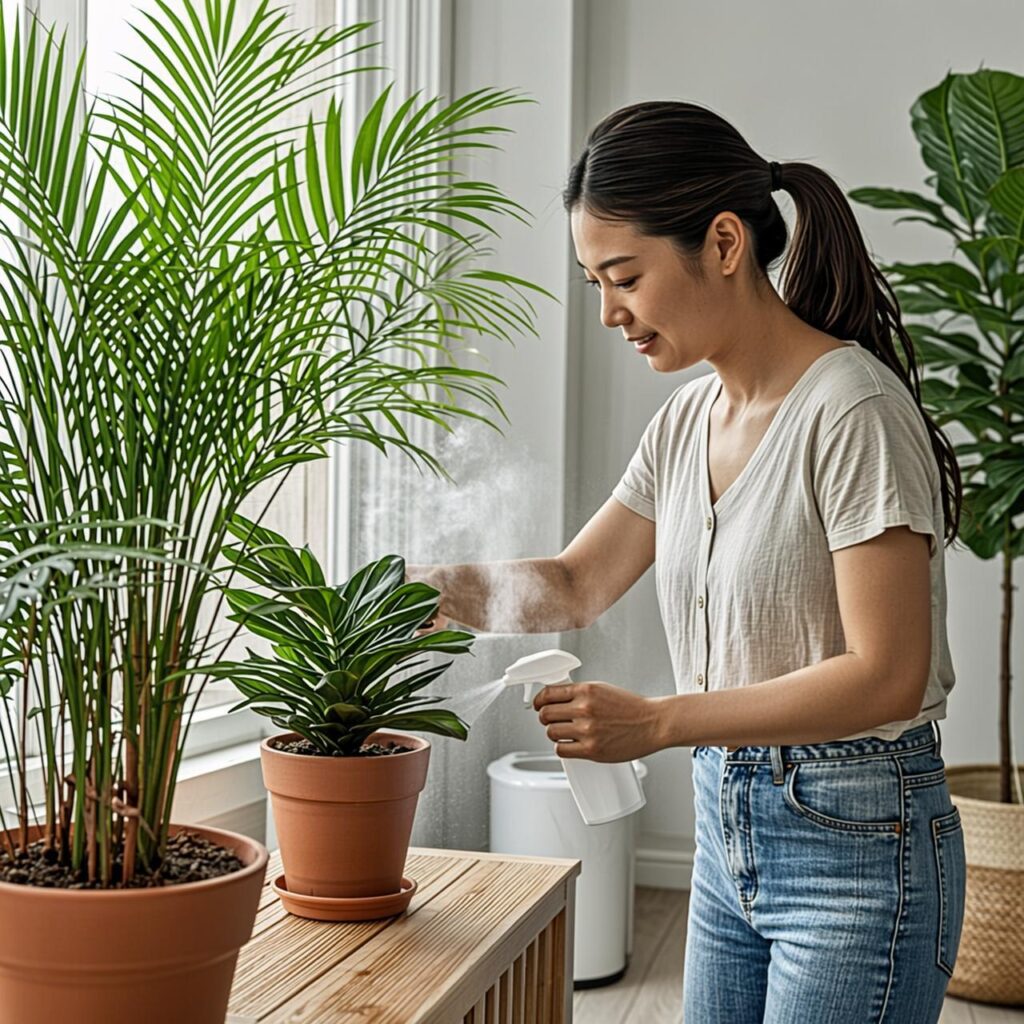
- Mist leaves lightly 2–3 times per week
- Place a water tray near the plant
- Group plants together for natural moisture balance
Soil, Fertilizer, and Repotting Essentials
Healthy roots = healthy palms. Choosing the right soil and feeding routine is essential for all types of indoor palm plants.
Soil requirements:
- Well-draining potting mix
- A blend of peat, perlite, and compost works well
Fertilizer tips:
- Use balanced liquid fertilizer once a month during growing season
- Avoid over-fertilizing, which can burn roots
Repotting guidance:
- Repot every 2–3 years
- Choose a pot slightly larger than the current one
- Always check root health before moving the plant
Proper soil care ensures your types of indoor palm plants stay strong and vibrant for years.
Preventing Common Palm Plant Problems and Pests
Even well-cared-for types of indoor palm plants can face occasional issues. The key is early detection.
Common problems include:
- Yellowing leaves (often overwatering or poor drainage)
- Brown leaf tips (low humidity or salt buildup)
- Spider mites and mealybugs
Prevention strategies:
- Wipe leaves regularly to remove dust
- Inspect plants weekly for pests
- Use natural insecticidal soap if needed
- Maintain stable indoor conditions
Healthy routines make a big difference in keeping types of indoor palm plants thriving.
Seasonal Palm Plants Indoor Care Checklist
Adjusting care throughout the year helps your types of indoor palm plants stay balanced and healthy.
Spring & Summer:
- Increase watering frequency
- Feed regularly with fertilizer
- Provide more light exposure
Autumn & Winter:
- Reduce watering
- Stop fertilizing
- Keep away from cold drafts and heaters
Following this seasonal rhythm ensures your types of indoor palm plants remain stable through environmental changes.
Expert Tips for Long-Term Palm Growth Success
Want your palms to thrive for years instead of months? These expert insights can help:
- Rotate plants every few weeks for even growth
- Clean leaves monthly to improve photosynthesis
- Avoid frequent relocation of plants
- Monitor light changes throughout the year
- Stay consistent with watering routines
When you follow these simple habits, types of indoor palm plants become long-lasting, low-stress companions that elevate your home naturally.
With the right care approach, your indoor palms won’t just survive—they’ll flourish beautifully and become a living part of your interior design.
FAQ About Types of Indoor Palm Plants
If you’re still exploring types of indoor palm plants, you probably have a few important questions before choosing the right one for your home. That’s completely normal—after all, every palm variety behaves a little differently. Below, you’ll find clear, practical answers to the most common questions so you can confidently care for and select the best types of indoor palm plants for your space.
What are the best types of indoor palm plants for beginners?
If you’re just starting your plant journey, some types of indoor palm plants are far easier to manage than others. The key is choosing varieties that tolerate minor care mistakes and adapt well to indoor conditions.
Best beginner-friendly options include:
- Parlor Palm: Very forgiving and compact
- Areca Palm: Bright and decorative with moderate care needs
- Kentia Palm: Slow-growing and highly adaptable
These types of indoor palm plants are ideal because they don’t require constant attention and can survive in average household conditions.
Start with one plant and observe how it responds before expanding your indoor collection.
Which indoor palm plant grows best in low light?
Not all types of indoor palm plants need bright sunlight. Some actually prefer shaded or low-light environments, making them perfect for apartments or rooms with limited windows.
Best low-light palms:
- Parlor Palm
- Kentia Palm
- Bamboo Palm (also commonly used indoors)
These types of indoor palm plants naturally grow under forest canopies, so they adapt well to indirect or filtered light.
Important note: Even low-light palms still need some natural light to stay healthy long-term.
How do I identify different types of indoor palm plants?
Identifying types of indoor palm plants becomes much easier when you focus on visual patterns instead of guessing.
Use these identification clues:
- Leaf shape: Feather-like, fan-shaped, or wide and flat
- Growth style: Tall and upright vs bushy and compact
- Color tone: Deep green or lighter tropical shades
- Leaf spacing: Dense clusters or open airy fronds
If you compare these traits with types of indoor palm trees pictures, you’ll quickly learn how to recognize each variety with confidence.
What are the biggest palm plant indoor benefits?
There are many reasons why people love types of indoor palm plants, and it’s not just about appearance. These plants offer both visual and lifestyle benefits.
Key benefits include:
- Enhancing interior décor with a tropical feel
- Creating a calming, natural atmosphere
- Improving humidity levels indoors
- Supporting a healthier-looking living space
- Acting as natural design focal points
When placed correctly, types of indoor palm plants can completely transform the mood of a room without any renovation.
How often should I water indoor palm plants?
Watering is one of the most important parts of caring for types of indoor palm plants, but there is no universal schedule. Instead, you should follow the plant’s natural needs.
Simple watering guide:
- Water when the top 2–3 cm of soil feels dry
- Reduce watering in colder months
- Ensure pots have proper drainage holes
- Avoid letting the soil stay soggy
Most types of indoor palm plants prefer a balance—neither too dry nor overly wet.
Overwatering is more harmful than underwatering for most indoor palms.
Where can I find types of indoor palm trees pictures for identification?
If you want to confidently identify types of indoor palm plants, visual references are extremely helpful. High-quality images allow you to compare leaf shapes, growth habits, and plant size.
Best places to find reference images:
- Online plant identification guides
- Gardening blogs and horticulture websites
- Indoor plant care apps
- Pinterest plant boards
- Botanical garden photo collections
By regularly studying types of indoor palm trees pictures, you’ll naturally improve your ability to distinguish between different species.
With these FAQs, you now have a clearer understanding of how to choose, identify, and care for types of indoor palm plants. Whether you’re a beginner or a plant enthusiast, these insights will help you build a healthier and more beautiful indoor green space.
Conclusion
When you step back and look at the many types of indoor palm plants, one thing becomes clear: these plants are more than just decorative greenery. They are living design elements that bring balance, freshness, and a calming natural rhythm into any indoor space. Have you noticed how a simple corner instantly feels more complete when a palm is placed there? That subtle transformation is exactly why so many homeowners and designers continue to choose these timeless plants.
Throughout this guide, you’ve explored how different types of indoor palm plants can shape the mood of a room, improve interior aesthetics, and offer practical benefits that go beyond appearance. From compact varieties perfect for small apartments to tall, elegant palms that create dramatic focal points, there truly is a perfect match for every lifestyle and space.
If you’re still deciding which direction to take, consider this: what do you want your home to feel like every time you walk into it? Calm and minimal? Lush and tropical? Bright and refreshing? The right types of indoor palm plants can help you express that vision effortlessly.
Before you make your final choice, remember a few key ideas:
- Start with one or two easy-care varieties and expand gradually
- Match palm size with your available space and lighting conditions
- Pay attention to long-term maintenance, not just appearance
- Use types of indoor palm plants as both décor and mood enhancers
And perhaps the most important question of all—are you ready to bring that natural, tropical energy into your everyday environment?
With the right selection, your indoor space can shift from ordinary to truly inviting. The beauty of types of indoor palm plants is that they don’t just decorate your home—they transform how you experience it every single day.
Dennis P. Hansen
Dennis P. Hansen is a home gardener with a genuine passion for plants and the simple pleasure of growing them. He enjoys caring for houseplants, succulents, and other plants at home while continually learning from everyday gardening experiences. Dennis likes to share practical plant care tips, useful observations, and simple solutions that can help others grow healthier plants. He believes that caring for plants is a rewarding journey and that there is always something new to learn along the way.