
Aloe Vera Plant Care: 7 Essential Rules for Plump Gel


Mastering aloe vera plant care is the definitive hallmark of practical indoor gardening, combining striking succulent rosettes with a natural living pharmacy of soothing, therapeutic gel. Native to the harsh, sun-drenched rocky slopes of the Arabian Peninsula, Aloe barbadensis miller is an extremophile succulent engineered to endure months of blistering heat and zero rainfall. However, in low-light indoor environments, well-intentioned growers frequently kill their specimens with kindness—namely overwatering and dense, suffocating potting soil. In our nursery bench trials, respecting the plant’s arid adaptations ensures firm, upright rosettes packed with viscous gel.
| Diagnostic Parameter | Dennis’s Observation | Corrective Action |
|---|---|---|
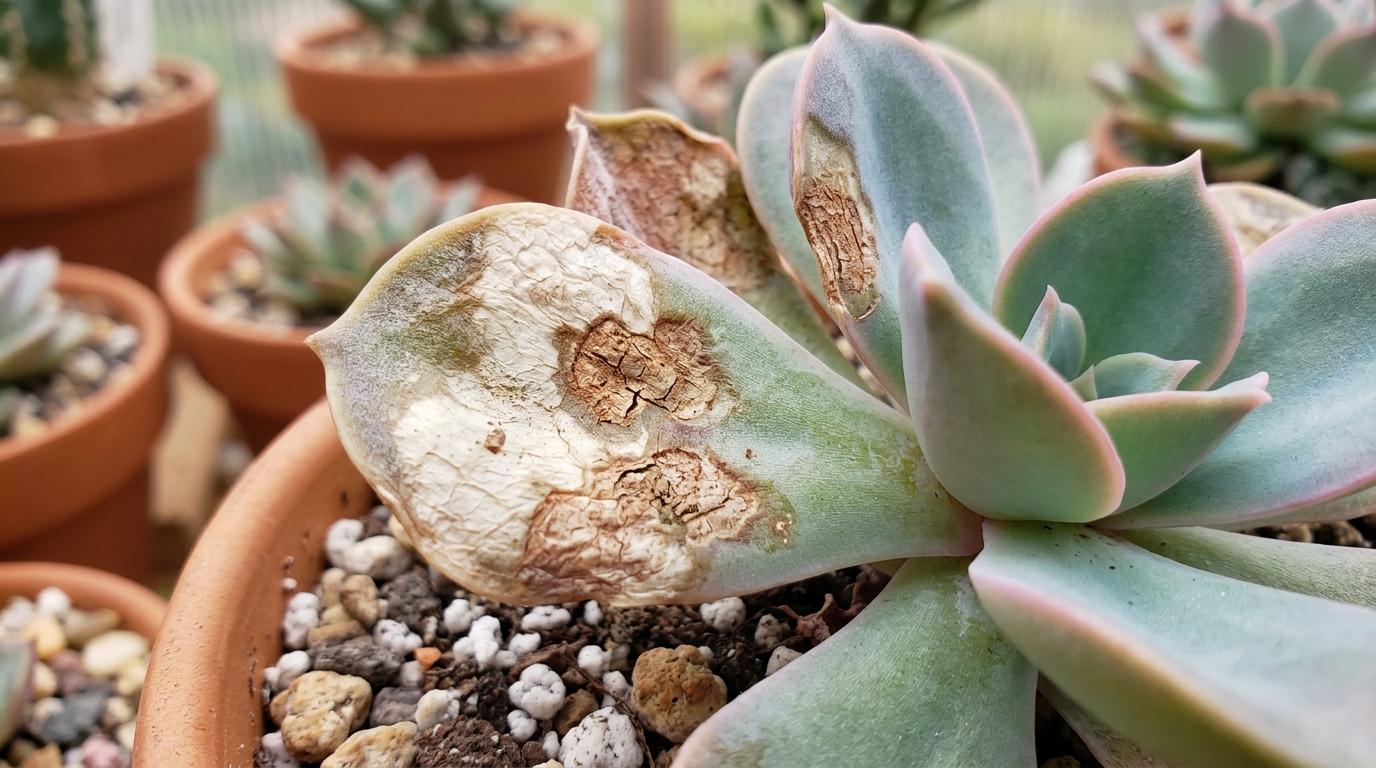
| Mushy, Translucent Lower Leaves | Severe root rot and cellular lysis caused by waterlogged soil. | Unpot immediately; slice away rotten black roots; repot into dry pumice. |
| Brown / Bronze Blushing on Foliage | Protective anthocyanin pigment flush triggered by sudden intense sun. | Filter afternoon light; allow plant 10 days to acclimate gradually. |
| Thin, Flattened, Curving Leaves | Internal gel parenchyma is desiccated; plant has mobilized water stores. | Drench thoroughly until water exits bottom holes; leaves re-plump in 48 hrs. |
| Pale, Sprawling, Floppy Rosette | Etiolation from acute light deprivation; weak cell wall synthesis. | Relocate directly into sunny south-facing windowsill or add LED spotlight. |
Table of Contents: Jump to a Section
- Arabian Desert Ecology: The Crassulacean Acid Metabolism Specialist
- 7 Essential Rules: Aloe Vera Plant Care for Healthy Gel
- Gel Parenchyma Anatomy: Viscous Polysaccharide Dynamics
- Sunlight Intensity & Anthocyanin Blushing
- Basal Offset (“Pup”) Harvesting & Repotting Protocol
- Frequently Asked Questions (FAQ)
Arabian Desert Ecology: The Crassulacean Acid Metabolism Specialist
To thrive in arid rocky wastelands, Aloe vera relies on Crassulacean Acid Metabolism (CAM). Unlike typical houseplants that open stomata during daylight, Aloe keeps stomata tightly shut during the hot day to prevent moisture loss, opening them only at night to absorb carbon dioxide.

According to veterinary toxicology data from the ASPCA Animal Poison Control Aloe Vera Profile, the yellow latex sap (aloin) under the leaf skin is toxic to dogs and cats, causing digestive upset, tremors, and lethargy. Always position succulent pots out of pet reach.
7 Essential Rules: Aloe Vera Plant Care for Healthy Gel
Rule 1: Provide at Least 6 Hours of Direct Sunlight
Aloe vera demands intense solar irradiance. Place containers directly on south- or west-facing windowsills where they receive unfiltered sun. If leaves droop or stretch, supplement with a full-spectrum LED light.
Rule 2: Follow the Strict “Soak-and-Dry” Watering Rhythm
Never water aloe on a rigid schedule. Allow the entire soil volume to dry out completely. When lower leaves feel slightly soft and pliable, drench the pot thoroughly, then let all excess drain away.

Rule 3: Plant in 60% Mineral Gritty Substrate
Standard peat soils hold too much moisture for desert succulents. Blend 40% organic potting soil with 60% inorganic grit (coarse pumice, perlite, and horticultural gravel). Water should run through the pot within seconds.
Rule 4: Choose Heavy, Breathable Terracotta Containers
Aloe leaves are heavy and water-filled, making top-heavy specimens prone to tipping over. Broad, shallow terracotta pots provide stability while allowing moisture to evaporate through container walls.
Rule 5: Fertilize Only Once or Twice per Year
Adapted to nutrient-poor desert soils, aloe requires minimal feeding. Apply a dilute cactus and succulent fertilizer (such as 2-7-7) at one-quarter strength once in spring and once in mid-summer.
Rule 6: Harvest Only the Oldest Lower Leaves
When extracting gel for topical soothing, use a clean razor to slice a mature outer leaf flush with the central stalk. Never cut the emerging central growth point, which produces fresh leaves.
Rule 7: Divide Basal Offsets (“Pups”) When 3–4 Inches Tall
Healthy aloe plants continuously produce baby clones around the base. When pups reach one-fifth the size of the parent and possess independent roots, slice them cleanly and repot into individual containers.
Gel Parenchyma Anatomy: Viscous Polysaccharide Dynamics
The clear inner filet of an aloe leaf consists of specialized storage parenchyma cells packed with acemannan, a complex polysaccharide that holds water in a dense gel matrix. Under prolonged drought, this gel is metabolized to sustain the growing center.
Sunlight Intensity & Anthocyanin Blushing
Moving an indoor aloe plant outdoors into full sun often turns the leaves a bronze-brown color. This is not sunburn, but rather a protective sunscreen response driven by anthocyanin pigments. Gradually acclimate plants over 10 days to keep leaves vibrant green.
To safeguard succulent rosettes against moisture entrapment, learn how to Bottom Water Succulents. For broad seasonal moisture guidelines, reference our rules on How to Water Succulents.
Frequently Asked Questions (FAQ)
Why are my Aloe Vera leaves thin and curling inward?
Thin, concave leaves indicate that the plant has exhausted its internal water gel reserves. Give the pot a thorough, deep soaking to re-plump the leaf tissue.
Can you root an Aloe Vera leaf cutting in water?
No. Unlike other succulents, individual aloe leaf cuttings almost always rot in water due to their high moisture content. Aloe is reliably propagated only by dividing rooted basal offsets (pups).
How do you treat an overwatered Aloe plant?
Remove the plant from its pot immediately. Trim off all brown, mushy, or hollow roots with sanitized shears. Let the root ball air-dry on newspaper for 48 hours, then replant in bone-dry gritty soil.
Is the raw gel inside Aloe Vera safe to ingest?
While processed commercial inner filet juice is edible, the yellow latex layer (aloin) found just beneath the outer skin is a potent laxative and gastric irritant. Raw home consumption is not recommended.
Dennis P. Hansen
Dennis P. Hansen is a home gardener with a genuine passion for plants and the simple pleasure of growing them. He enjoys caring for houseplants, succulents, and other plants at home while continually learning from everyday gardening experiences. Dennis likes to share practical plant care tips, useful observations, and simple solutions that can help others grow healthier plants. He believes that caring for plants is a rewarding journey and that there is always something new to learn along the way.