
5 Proven Ways to Boost Peanut Plant Flower Set


Table of Contents
Boosting peanut plant flower set is key for a big harvest. We’ll look at why these flowers matter in peanut cultivation. We’ll also share ways to help them grow better.
Knowing how legume flowers work is important for farmers and garden lovers. With the right methods, we can really up the yield of peanut crops.
Key Takeaways
- Optimizing peanut plant flower set leads to a more bountiful harvest.
- Understanding the importance of legume flowers is crucial for maximizing yield.
- Proven techniques can be applied to enhance peanut cultivation.
- Effective strategies can significantly improve crop yield.
- Maximizing peanut plant flower set is vital for agricultural success.
The Critical Role of Peanut Plant Flowers in Yield Production
Learning about peanut plant flowers is key to better yields. Peanut plants grow flowers above ground. But the pods grow below, making their growth cycle special.
Understanding the Unique Reproductive Cycle of Peanuts
Peanuts have a unique way of growing. Flowers grow above the soil, but pods grow below. This starts with peanut plant blooms, which pollinate themselves. After that, a peg grows down into the soil, turning into a peanut pod.
How Flower Set Directly Impacts Your Harvest Quantity
The number of peanut plant flowers that turn into pods affects your harvest. More flowers mean more pods, leading to a bigger harvest. But, other things like soil, water, and temperature also matter.
Soil quality, moisture, and temperature are all important. They help peanut flowers grow into full pods
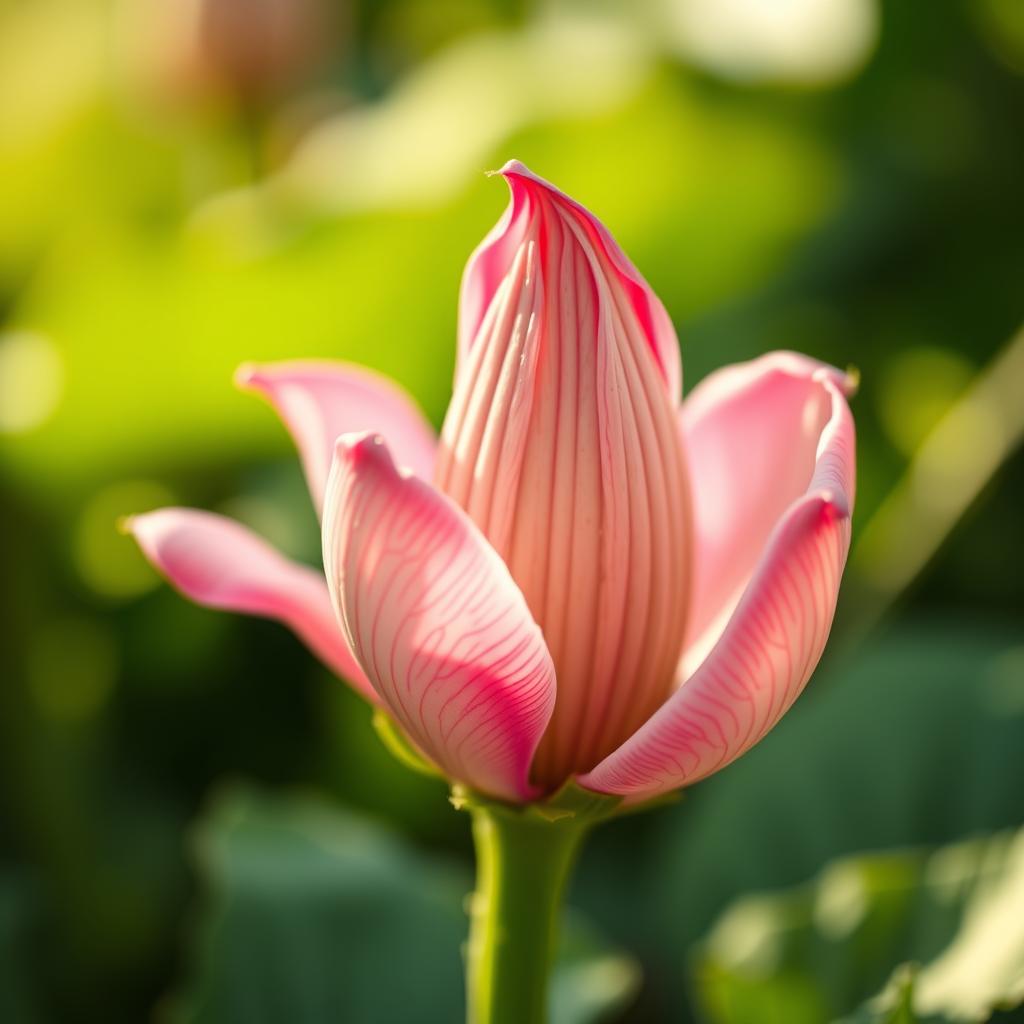
By focusing on the right conditions for flowers, farmers can boost their yields.
Common Challenges That Limit Peanut Plant Flower Development
Many factors can stop peanut plants from flowering well. These plants need the right conditions to bloom. Without them, they may not produce as many flowers, which can lower yields.
Environmental Factors That Inhibit Flowering
Weather can greatly affect how well peanut plants flower. Too hot or too cold can harm the buds. Optimal temperatures for peanut flowering are between 68°F and 86°F. Also, not enough water can hurt flower production. Plants need enough moisture, especially when they’re flowering.
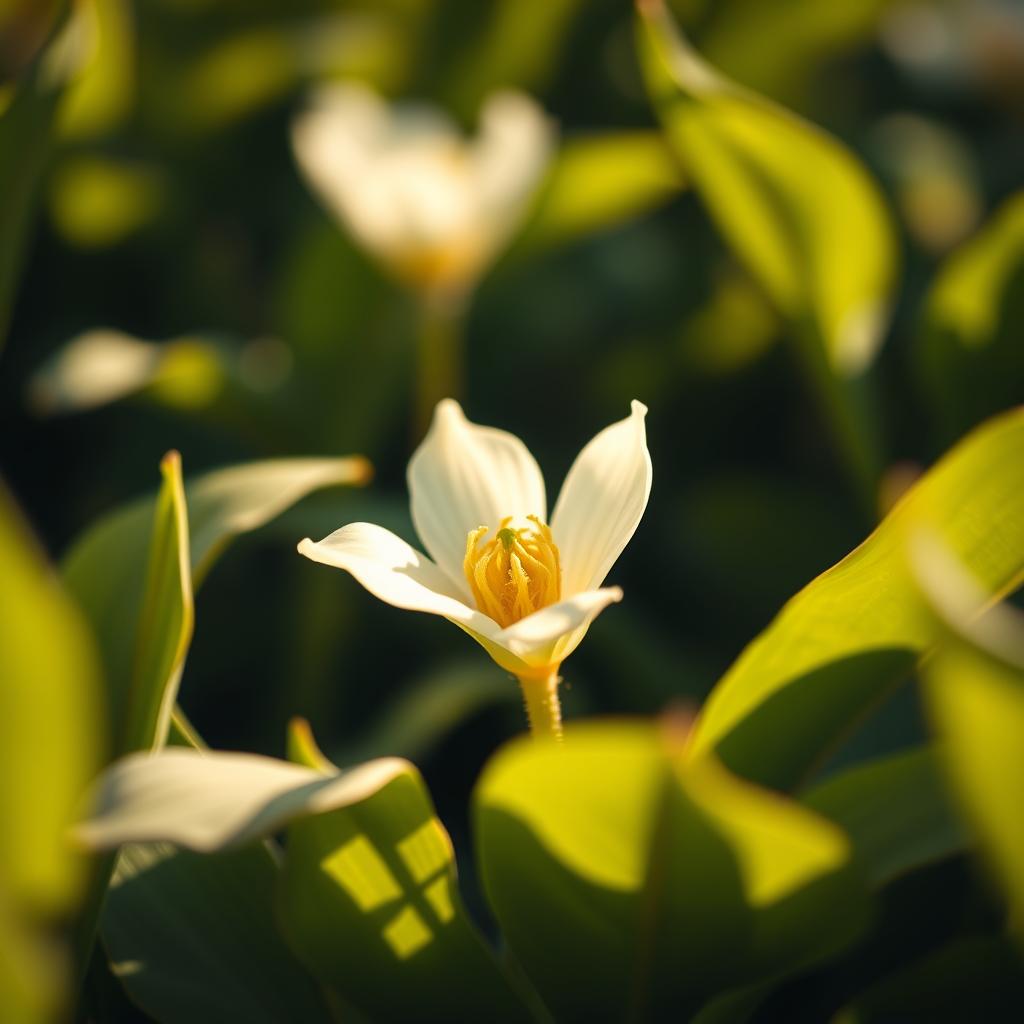
Nutritional Imbalances That Reduce Bloom Production
Not having the right nutrients can also hurt peanut plant flowers. Inadequate levels of phosphorus and potassium can limit flower production. Phosphorus helps roots grow and flowers form. Potassium keeps the plant healthy and fights off diseases.
| Nutrient | Role in Peanut Flowering | Impact of Deficiency |
| Phosphorus | Promotes root development and flower formation | Reduced flower production |
| Potassium | Enhances overall plant health and disease resistance | Increased susceptibility to disease, reduced flowering |
Technique 1: Optimizing Soil Conditions for Abundant Peanut
Plant Flowers
To get more flowers on peanut plants, start with the soil. Making the soil right is key to healthy plants and lots of flowers. We’ll see how the right soil pH and amendments can help a lot.
Achieving the Ideal Soil pH Range
The best soil pH for peanuts is between 5.8 and 6.2. This range helps plants get the nutrients they need to flower well. If the pH is off, plants might not get enough nutrients.
To fix the pH, we can add lime to raise it or sulfur to lower it. Testing the soil often is important to keep the pH just right.
Essential Soil Amendments to Promote Flowering
For healthy flowers, we need the right soil pH and special amendments. Important ones include:
- Organic matter like compost or manure to make the soil better.
- Fertilizers for the nutrients needed for flowers.
Incorporating Calcium for Stronger Reproductive Growth
Calcium is very important for peanut plants to grow and flower well. It helps in:
- Strengthening cell walls for better flower and pod growth.
- Helping plants take in and use nutrients better.
We can add calcium with gypsum, a common method in growing peanuts.

By making the soil just right, we can get more flowers on our peanut plants. Keeping an eye on the soil pH and adding the right amendments is crucial.
Technique 2: Precision Watering Strategies to Maximize Flower Set
To get more flowers on peanut plants, we need to understand how to water them right. This is especially true during the pre-flowering and flowering stages. Good watering helps the plants grow more blooms and boosts the yield.
Critical Watering Timing During Pre-Flowering and Flowering Stages
Watering at the right time is key for healthy blooms. In the pre-flowering stage, keeping the soil moist helps the roots grow. This gets the plant ready for flowers. When the plants start flowering, keeping the soil moist helps the flowers set well.
It’s important to watch the soil moisture and adjust watering as needed. Keep the soil moist to a depth of 6-8 inches during these stages. Use a mix of rain and extra water to do this.
Irrigation Methods That Prevent Flower Drop
The way we water can affect how many flowers peanut plants keep. Drip irrigation and sprinklers work well, but we must use them carefully. We need to avoid too much water or too little, both of which can cause flowers to drop.
| Irrigation Method | Advantages | Disadvantages |
| Drip Irrigation | Water-efficient, reduces evaporation | Higher initial cost, potential for clogging |
| Sprinkler Systems | Can be automated, covers large areas | May lead to water loss through runoff, and potential for overwatering |
By using precise watering and the right irrigation, we can help peanut plants grow more flowers. This leads to better crop yields.
Technique 3: Strategic Fertilization to Enhance Peanut Plant Flower Production
To get more flowers on peanut plants, we need to fertilize them correctly. Fertilizers help plants grow strong and produce more flowers. Using the right fertilizers at the best time can really boost flower production.
Knowing what nutrients peanut plants need at each stage is key. They need a mix of nutrients to grow well and make lots of flowers. Phosphorus and potassium are especially important for flowers.
Phosphorus and Potassium Application for Reproductive Success
Phosphorus helps peanut plants grow roots, form flowers, and stay healthy. Potassium keeps plants strong, fights off diseases, and helps with water balance. Using these nutrients correctly can make a big difference in flower numbers.
A study found that using phosphorus and potassium correctly can increase flower production by up to 25%. How much to use depends on the soil and what’s already there.
| Nutrient | Recommended Application Rate | Benefits |
| Phosphorus | 40-60 kg/ha | Promotes root development and flower formation |
| Potassium | 60-80 kg/ha | Enhances overall plant vigor and disease resistance |
Micronutrient Supplements That Boost Flowering
Besides phosphorus and potassium, micronutrients like boron, zinc, and molybdenum are important. They help with flower formation and seed growth.
Adding micronutrient supplements can fix any missing nutrients and help flowers grow. For example, not enough boron can hurt flower production, and zinc is key for plant health.
- Boron: Promotes flower formation and pollen viability
- Zinc: Essential for plant growth regulation and enzyme function
- Molybdenum: Involved in nitrogen fixation and seed development
By adding these micronutrients to our fertilization plan, we can make peanut plants produce more flowers and more yield.
Technique 4: Temperature Management for Optimal Peanut Flower Development
Managing temperature is key to growing great peanut flowers. Peanut plants don’t like big changes in temperature, especially when they’re flowering. Keeping the temperature just right helps them grow more flowers and increases the yield.
Creating Ideal Temperature Conditions (68-86°F) During Flowering
To get the best temperature for peanut flowers, keep it between 68°F and 86°F. This range helps flowers grow well and keeps plants healthy. Staying within this range can really boost flower production.
| Temperature Range (°F) | Effect on Peanut Flowers |
| Below 68 | Reduced flower production due to cold stress |
| 68-86 | Optimal range for flower development |
| Above 86 | Potential for heat stress, leading to flower drop |
Protective Measures Against Temperature Extremes
It’s important to protect peanut plants from extreme temperatures. Using mulching and irrigation management can help keep the soil temperature stable. Also, picking peanut varieties that handle temperature changes well is a good idea.
By taking these steps, you can make sure the peanut flowers grow well. This leads to a bigger and better harvest.
Technique 5: Implementing Beneficial Companion Planting Systems
By using beneficial companion planting systems, we can help our peanut plants grow better. This method involves growing different plants together. It makes them grow stronger and produce more.
Plants That Attract Pollinators to Peanut Blooms
Companion planting helps attract pollinators to peanut blooms. Peanut plants can get help from other plants. This is because they are self-pollinating but still need some help.
Some plants that attract pollinators include:
- Marigold: These bright flowers attract a variety of pollinators and can be planted alongside peanuts.
- Sunflowers: Tall sunflowers can provide a trellis for climbing plants and attract pollinators with their large flowers.
- Zinnia: Zinnias come in a variety of colors and are known to attract butterflies and other pollinators.
By adding these plants to our fields, we make a better place for pollinators. This could help us grow more peanuts.
Companion Plants That Enhance Growing Conditions
Some plants also make the growing conditions better for peanuts. For instance:
| Companion Plant | Benefit |
| Oats | Help to suppress weeds and improve soil health |
| Comfrey | Act as a fertilizer plant, adding nutrients to the soil |
| Borage | Improve soil quality and attract beneficial insects |
By choosing the right companion plants, we can make a better environment. This environment supports the health and growth of our peanuts.
The Peanut Plant Flower Timeline: When to Implement Each Technique
To get the most out of peanut cultivation, knowing the flowering timeline is key. The peanut plant bloom is a crucial phase. It needs the right timing for any interventions to work well.
Growth Stage-Based Intervention Calendar
Having a calendar for each growth stage is crucial for peanut plant care. You need to know when to plant, when the plant blooms, and when pods form. Then, apply the right techniques at each stage. For example, soil improvement works best at planting time. Meanwhile, precise watering is vital during the bloom.
Regional Adjustments for Different Climate Zones
Climate zones affect how you adjust your intervention calendar. In short seasons, managing temperature is key. In longer seasons, planting with companions can be better. Knowing these differences helps maximize peanut plant bloom and yield.
By matching farming techniques with the peanut cultivation timeline and adjusting for regions, farmers can boost their crops. This method not only makes farming more efficient but also helps the environment.
Protecting Your Peanut Plant Flowers from Pests and Diseases
Keeping peanut flowers safe from pests and diseases is key to a good harvest. The peanut plant’s reproductive part is easy to harm. So, it’s important to take steps to protect it.
Identifying Common Threats to Flower Production
Many pests and diseases can hurt peanut flowers. Aphids, thrips, and spider mites can damage them directly. Fungal diseases like leaf spot and root rot can weaken the plant, affecting flower production.
| Pest/Disease | Impact on Peanut Flowers | Management Approach |
| Aphids | Direct damage to flowers | Insecticidal soap or neem oil |
| Fungal Diseases | Weakens the plant, reducing flower production | Fungicides, crop rotation |
| Thrips | Feeding damage to flowers | Insecticidal soap, biological control |
Integrated Pest Management Approaches
To keep peanut flowers safe, we suggest using an integrated pest management (IPM) plan. This mix of cultural, biological, and chemical controls helps reduce damage. Cultural methods include rotating crops and keeping the area clean. Biological controls use natural enemies of pests. Chemical controls, like pesticides, should be used carefully to protect good bugs.
With an IPM plan, we can protect our peanut crop. This ensures healthy flowers and a bigger harvest.
Measuring Success: How to Evaluate Improvements in Flower Set
Understanding the impact of our methods is key. We measure changes in groundnut blossoms to see how well our techniques work. This helps us know if our methods are improving peanut plant flower set.
There are many ways to check on our peanut plants’ health and productivity. By looking at visual signs and keeping detailed records, we learn a lot. This helps us see if our strategies are working.
Visual Indicators of Healthy Peanut Plant Flowering
Healthy peanut plants have lots of bright, yellow flowers. To check if our plants are doing well, we look for these signs:
- Vibrant yellow flowers
- Abundant flowering
- Strong stem and leaf health
A healthy plant has a strong stem and leaves. It also has lots of flowers. Seeing many yellow flowers means our plants are flowering well.
| Visual Indicator | Description | Importance |
| Vibrant Yellow Flowers | Bright yellow color indicates healthy flowering | High |
| Abundant Flowering | A large number of flowers suggests successful flowering | High |
| Strong Stem and Leaf Health | A large number of flowers suggests successful flowering | Medium |
Documentation Practices for Year-to-Year Improvement
Keeping detailed records is crucial for tracking progress. We note the first flowering date, peak flowering, and any challenges. This helps us see how we’re doing.
By documenting our experiences, we can improve our techniques. This leads to higher yields and better farming practices.
Some important documentation practices include:
- Recording the date of first flowering
- Noting the peak flowering period
- Documenting any challenges or issues encountered
By combining visual checks with detailed records, we understand our plants better. This helps us make informed decisions to improve our strategies.
Conclusion: Combining These Techniques for Maximum Peanut
Yield
Farmers can boost peanut plant flower production by using certain techniques. This leads to a more abundant harvest. The key is to make the soil and water conditions just right for the flowers.
We talked about how soil, water, fertilizers, temperature, and companion plants are important. These elements help peanut flowers grow well. By using these strategies together, farmers can make a perfect place for flowers to bloom.
Using these methods can really help increase the number of flowers. This, in turn, boosts the overall yield. A strong flower production is essential for a good peanut harvest. By following these steps, farmers can get the most out of their peanut crops.
FAQ
What is the ideal soil pH for peanut plant flower development?
For the best flower development, keep the soil pH between 5.8 and 6.2.
How does watering impact peanut plant flower set?
Watering carefully, especially before and during flowers, is key. It helps prevent flowers from falling off.
What nutrients are essential for peanut plant flower production?
Phosphorus, potassium, and micronutrients are crucial. They help with growth and flower production.
How can temperature management impact peanut flower development?
Keep the temperature between 68-86°F during flowering. This ensures the best flower growth. Protecting plants from extreme temperatures is also
important.
What is the role of companion planting in peanut flower production?
Companion planting attracts pollinators and improves growing conditions. This leads to better flower production.
How can we protect peanut plant flowers from pests and diseases?
Identify threats and use integrated pest management. This keeps the peanut crop safe.
What are the visual indicators of healthy peanut plant flowering?
Look for lots of flowers, healthy colors, and no damage or disease. This shows the plants are thriving.
How can we measure the success of techniques to improve peanut plant flower set?
Watch for healthy flowers, document progress, and compare year to year. This shows if techniques are working.
What is the significance of the peanut plant flower timeline?
Knowing the flower timeline is crucial. It helps use techniques at the right time for the best results.
How do regional climate zones impact peanut plant flower development?
Adjust techniques for different climates. This ensures they work well in each area.
Dennis P. Hansen
Dennis P. Hansen is a home gardener with a genuine passion for plants and the simple pleasure of growing them. He enjoys caring for houseplants, succulents, and other plants at home while continually learning from everyday gardening experiences. Dennis likes to share practical plant care tips, useful observations, and simple solutions that can help others grow healthier plants. He believes that caring for plants is a rewarding journey and that there is always something new to learn along the way.