
ZZ Plant Care: 7 Easy Rules for Indestructible Plants

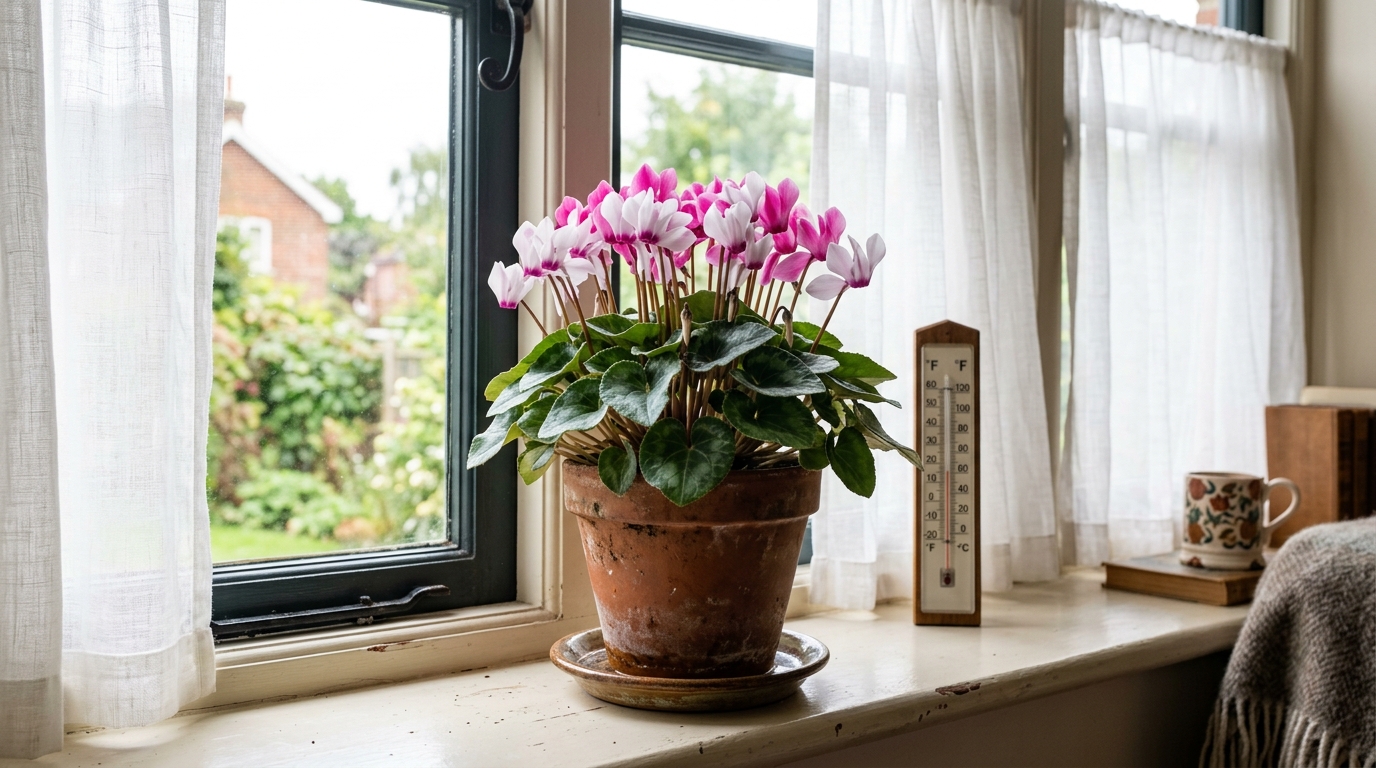
Mastering zz plant care is the pinnacle of stress-free indoor gardening, delivering architectural stems adorned with ultra-glossy, feather-like leaflets that maintain an exquisite emerald luster under almost any domestic conditions. Hailing from the seasonally dry, drought-prone grasslands and dry forests of eastern Africa, Zamioculcas zamiifolia has evolved remarkable anatomical adaptations—most notably swollen, subterranean potato-like rhizomes that store vast reserves of moisture and nutrients. In our nursery bench trials, the only true threat to a ZZ plant is chronic overwatering. Apply these 7 easy rules to enjoy indestructible indoor greenery.
| Diagnostic Parameter | Dennis’s Observation | Corrective Action |
|---|---|---|
| Yellowing Leaflets & Mushy Stem Base | Subterranean rhizome rot from stagnant water saturation. | Unpot immediately; prune rotten rhizomes and repot in dry gritty mix. |
| Wrinkling Petioles & Leaf Droop | Internal water reserves completely depleted after months of dry soil. | Drench thoroughly until water runs out bottom; rhizomes re-plump in 48 hrs. |
| Leaning / Floppy Stems | Extreme low light causing etiolation and weak stem cell elongation. | Relocate closer to bright indirect light source or add a low-power grow light. |
| Distorted Plastic Pot Rim | Expanding subterranean rhizomes physically warping container walls. | Time to repot; upgrade container diameter by 2 inches. |
Table of Contents: Jump to a Section
- East African Habitat Ecology: Drought-Hardened Physiology
- 7 Easy Rules: Indestructible ZZ Plant Care
- Subterranean Rhizome Anatomy & Water Retention Dynamics
- Low-Light Reality: Maintenance vs. Active Growth
- Leaflet vs. Rhizome Division Propagation
- Frequently Asked Questions (FAQ)
East African Habitat Ecology: Drought-Hardened Physiology
Native to Kenya, Tanzania, and Zanzibar, Zamioculcas zamiifolia thrives in regions characterized by intense dry spells alternating with torrential seasonal downpours. To survive months of severe drought, the plant stores large water volumes in bulbous underground rhizomes and succulent leaf stalks.

Horticultural profiles from the Royal Horticultural Society Zamioculcas Growing Guide note that Zamioculcas zamiifolia tolerates extended dry spells effortlessly due to its specialized succulent petioles and drought-adapted rhizomes.
7 Easy Rules: Indestructible ZZ Plant Care
Rule 1: Water Every 3 to 4 Weeks Only
Allow the potting substrate to dry out 100% from top to bottom before watering. In winter or low-light settings, watering once every 4 to 6 weeks is plenty.
Rule 2: Adapt to Low Light, but Thrive in Medium Indirect Sun
While ZZ plants tolerate dim office spaces without dying, they produce rapid flushes of new shoots when placed in moderate, filtered ambient light (100 to 200 foot-candles).

Rule 3: Plant in a High-Porosity Gritty Mix
Blend 50% standard potting soil with 30% pumice or perlite and 20% coarse sand. Excellent drainage prevents anaerobic rot pockets around tubers.
Rule 4: Choose Pots with Generous Drainage
Always house ZZ plants in containers with functional drainage holes. Unpainted terracotta pots allow rapid evaporative drying through porous clay walls.

Rule 5: Feed Lightly Twice per Year
ZZ plants have modest nutritional demands. Apply a balanced liquid houseplant fertilizer diluted to half strength once in late spring and once in mid-summer.
Rule 6: Wipe Foliage to Preserve Natural Gloss
ZZ leaflets have a naturally thick, waxy cuticle that shines without commercial leaf gloss products. Wipe foliage periodically with a soft damp cloth.
Rule 7: Repot Only When Rhizomes Deform the Pot
ZZ plants prefer snug, root-bound conditions. Repot every 2 to 3 years only when underground tubers begin warping or cracking plastic pot sides.
Subterranean Rhizome Anatomy & Water Retention Dynamics
The spherical underground structures of a ZZ plant act like botanical batteries. Attempting to keep the soil constantly moist drowns the tubers, leading to sudden basal rot.
Low-Light Reality: Maintenance vs. Active Growth
Understanding the difference between surviving and thriving is essential for effective zz plant care. In windowless hallways, a ZZ plant holds its form; near an east window, it produces vigorous upright shoots.
For companion drought-tolerant plants with similar care requirements, see our guide on Snake Plant Care. To prevent accidental over-saturation of deep root balls, adopt our protocol for Bottom Watering Plants.
Frequently Asked Questions (FAQ)
Why are my ZZ plant stems falling over?
Floppy stems typically indicate either root damage from overwatering or severe etiolation from inadequate light. Check root health and move the plant closer to indirect sunlight.
Can you propagate ZZ plants from single leaves?
Yes. You can insert individual leaflets into moist potting grit. While slow (taking 6 to 9 months to develop a subterranean tuber), it successfully generates new plants.
Is the ZZ plant toxic to pets and children?
Yes. Like most aroids, Zamioculcas zamiifolia contains calcium oxalate crystals. Chewing on leaves causes mouth tingling, burning, and stomach irritation.
What is the Raven ZZ plant?
Zamioculcas zamiifolia ‘Raven’ is a popular cultivar whose new bright green foliage matures into dramatic, deep purple-black leaves under bright indirect light.
Dennis P. Hansen
Dennis P. Hansen is a home gardener with a genuine passion for plants and the simple pleasure of growing them. He enjoys caring for houseplants, succulents, and other plants at home while continually learning from everyday gardening experiences. Dennis likes to share practical plant care tips, useful observations, and simple solutions that can help others grow healthier plants. He believes that caring for plants is a rewarding journey and that there is always something new to learn along the way.