
Popular Houseplants: 9 Essential Picks for Thriving Homes


Stepping into indoor horticulture should bring pure daily satisfaction rather than constant guesswork. I am Dennis P. Hansen, and over decades of growing and rehabilitating thousands of specimens in residential living spaces, I have found that curating resilient, time-tested popular houseplants provides the ultimate foundation for indoor gardening mastery. Whether you are transforming a dim apartment hallway, curating a sun-drenched plant shelf, or purifying interior air, selecting proven foliage champions ensures robust growth and lasting beauty. In this master horticultural guide, we explore the physiological adaptations, light requirements, moisture physics, and maintenance rituals that keep popular indoor plants flourishing year after year.
Table of Contents
- Botanical Adaptations and Resilience Mechanisms of popular houseplants
- Comprehensive Master Guide: 9 Iconic Popular Houseplants and Their Culture
- Popular Houseplants Cultural Reference and Environmental Matrix
- Dennis’s Advanced Diagnostic Troubleshooting: 7 Critical Solutions
- Seasonal Adjustments: Spring Through Winter Cycles
- Master FAQ: In-Depth Expert Answers on popular houseplants
- Authoritative Horticultural References
Botanical Adaptations and Resilience Mechanisms of popular houseplants
To cultivate popular houseplants with effortless confidence, growers must understand why specific botanical species have earned their universal popularity across modern indoor environments. Plants do not naturally evolve to inhabit drywall living rooms with central heating, low relative humidity, and filtered glass windows. The species that have become household staples—such as Epipremnum aureum (golden pothos), Sansevieria trifasciata (snake plant), Zamioculcas zamiifolia (ZZ plant), and Monstera deliciosa—possess distinct evolutionary traits adapted to withstand environmental stress.
For example, snake plants and ZZ plants utilize specialized Crassulacean Acid Metabolism (CAM) photosynthesis or fleshy rhizomatous storage structures. Instead of opening their leaf stomata during the heat of the day, CAM plants keep stomata tightly closed during daylight hours to eliminate transpirational water loss. At night, when ambient temperatures drop and humidity rises, they open their pores to absorb carbon dioxide, converting it into malic acid stored within cellular vacuoles until daytime sunlight powers the Calvin cycle. This adaptation allows these popular houseplants to endure weeks of drought without suffering cellular dehydration.
Similarly, climbing aroids such as pothos, monsteras, and philodendrons evolved beneath dense tropical forest canopies. Adapted to dappled sunlight filtering through multiple canopy layers, their cellular chloroplasts contain high concentrations of chlorophyll-b, allowing them to capture diffuse, low-energy blue and red wavelengths that penetrate through interior windows. Their broad leaf surface areas maximize photon capture, while thick waxy cuticles prevent rapid desiccation under fluctuating indoor airflow.
Horticultural research conducted by the University of Georgia Cooperative Extension on Growing Indoor Plants emphasizes that matching the evolutionary origin of a houseplant to your interior microclimate eliminates over ninety percent of common cultivation failures. By understanding whether a popular plant originates from arid savanna soils, tropical riverbanks, or cloud forest understories, you can calibrate substrate porosity, irrigation rhythms, and light exposure with scientific accuracy.
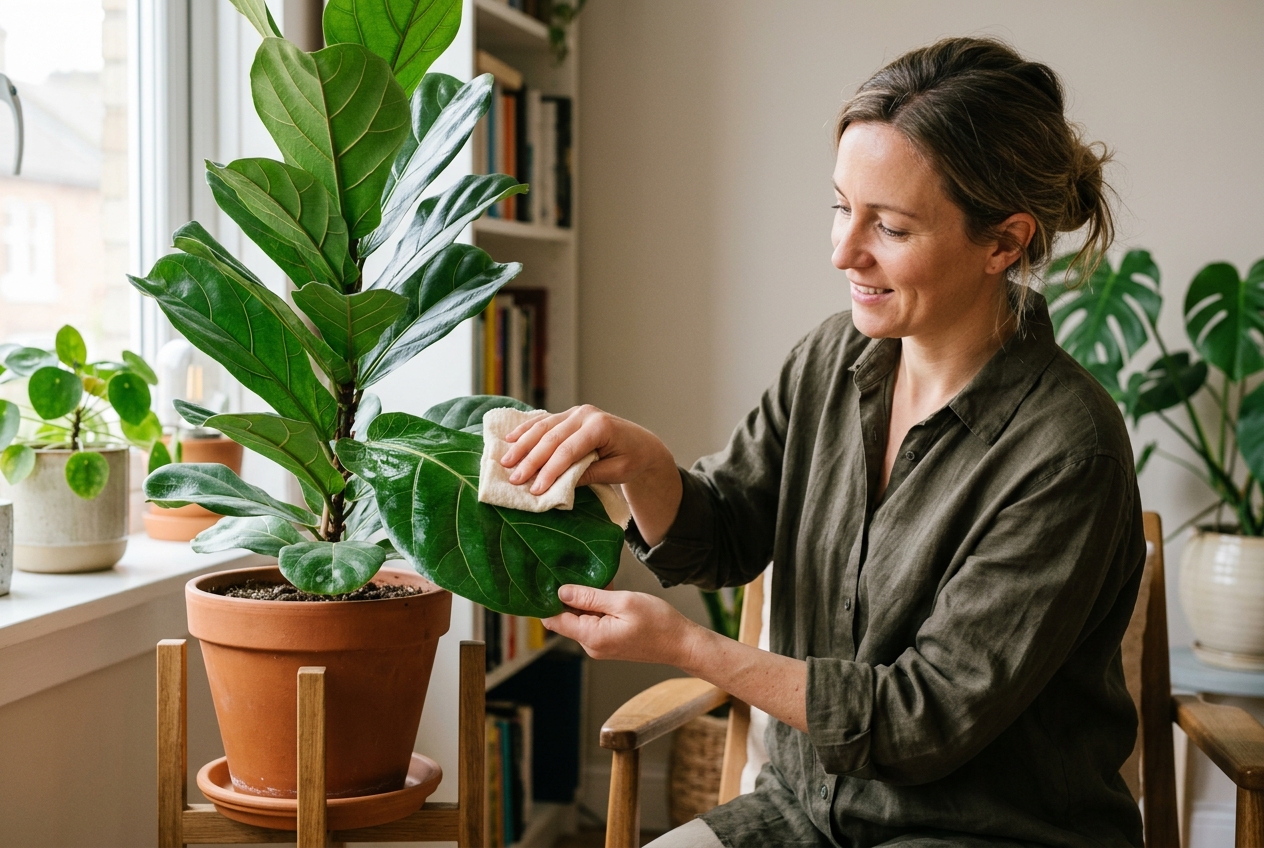
Furthermore, managing photomorphogenesis—how light regulates growth architecture—is fundamental when growing a diverse collection. Low-light plants placed in deep shade reduce internode production and slow cellular division, preserving energy reserves, while bright-light varieties demand sufficient photosynthetic photon flux density to maintain robust, upright stems and prevent unsightly stretching or leggy growth.
Comprehensive Master Guide: 9 Iconic Popular Houseplants and Their Culture
Every home offers distinct lighting zones, from sun-drenched south-facing bays to dim north-facing corners. Here is Dennis Hansen’s detailed horticultural breakdown of the nine most rewarding popular houseplants for modern interiors:
1. Golden Pothos (Epipremnum aureum): The Unstoppable Vining Pioneer
Golden pothos represents the quintessential beginner houseplant. Native to the Solomon Islands, this trailing aroid features heart-shaped leaves variegated with streaks of cream and gold. It tolerates a wide irradiance range, thriving in low light (75 foot-candles) up to bright, filtered sun (300 foot-candles). Pothos utilizes adventitious aerial rootlets along its vines that can cascade elegantly from hanging baskets or climb cedar planks.
Water when the top two inches of potting mix dry out completely; the foliage provides a clear visual signal by slightly losing turgor when thirsty. Pothos roots readily in plain water, making propagation effortless. Use a standard well-draining potting mix amended with twenty percent coarse perlite to maintain root aeration.
2. Snake Plant (Dracaena trifasciata / Sansevieria): The Indestructible Architectural Giant
Originating in the arid regions of West Africa, snake plants produce stiff, upright, sword-shaped leaves banded with silver-green variegation. Renowned for supreme drought tolerance, snake plants store water in thick fibrous leaf tissues and underground rhizomes. They adapt seamlessly to dim corners (50 foot-candles) as well as direct morning sun.
The single greatest hazard to snake plants is overwatering. Allow the entire potting mix to dry out completely from top to bottom between irrigations; in winter, watering once every four to six weeks is typical. Plant in unglazed terracotta containers using a fast-draining gritty succulent mix containing fifty percent pumice or coarse sand.
3. ZZ Plant (Zamioculcas zamiifolia): The Drought-Defying Shaded Staple
Native to eastern Africa’s drought-prone scrublands, the ZZ plant features glossy, feather-like leaflets emerging from swollen subterranean potato-like tubers. These tubers store immense reserves of water and nutrients, enabling the plant to endure months of neglect in windowless office environments.
Place in low to moderate indirect light (50 to 150 foot-candles). Water only when the entire container substrate has been bone-dry for at least a week. Avoid heavy, water-retentive peat soils; use a gritty, free-draining blend that sheds water immediately.
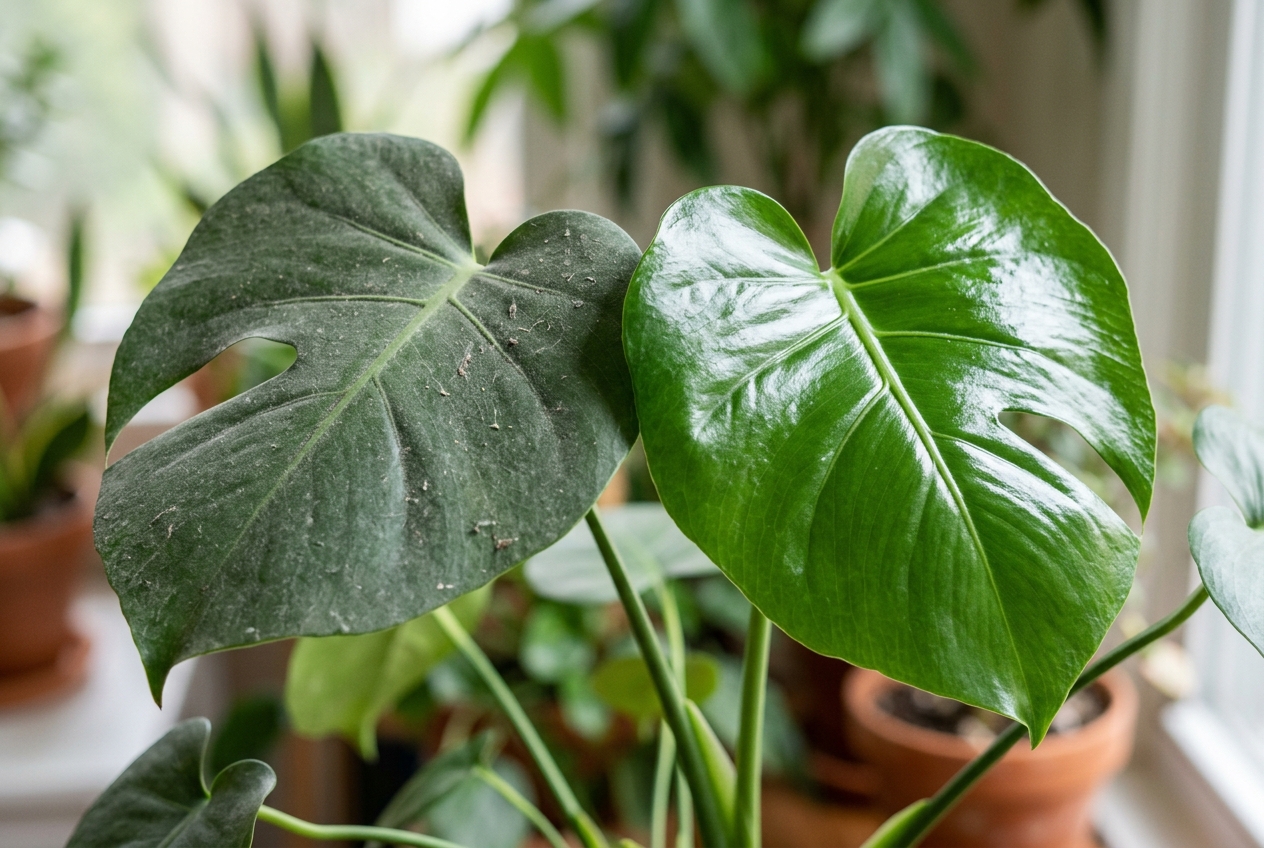
4. Monstera Deliciosa (Monstera deliciosa): The Dramatic Rainforest Statement
Known as the Swiss cheese plant, this vigorous Mexican aroid produces expansive, glossy leaves adorned with natural perforations (fenestrations). Monstera requires bright, indirect light (200 to 400 foot-candles) to produce split leaves; in low light, leaves emerge solid and petioles stretch thin.
Water when the top two to three inches of substrate dry out, drenching until liquid flows freely from bottom drainage holes. Provide a chunky aroid mix blending coarse orchid bark, perlite, charcoal, and potting soil to ensure thirty percent air-filled porosity. Stake climbing vines to a sturdy moss pole to trigger vertical leaf expansion.
5. Heartleaf Philodendron (Philodendron hederaceum): The Graceful Cascader
Native to Central America, the heartleaf philodendron resembles pothos but features softer, matte, perfectly heart-shaped leaves and slender petioles. It excels in hanging baskets and bookshelves, tolerating low light while growing rapidly in medium indirect daylight (100 to 250 foot-candles).
Keep the potting mix lightly moist, allowing the top inch to dry between waterings. Use a loose peat-and-perlite blend that retains consistent moisture without waterlogging. Pinch back growing tips in spring to encourage dense, bushy foliage.
6. Spider Plant (Chlorophytum comosum): The Air-Purifying Hanging Classic
Hailing from coastal South Africa, the spider plant produces arching rosettes of ribbon-like green and white variegated leaves. In spring and summer, mature plants send out long runners carrying delicate white flowers and miniature plantlets (“spiderettes”) that can be rooted in water or potting soil.
Provide bright indirect light; direct summer sun bleaches leaf pigments. Spider plants possess thick tuberous roots that store water efficiently. Water thoroughly when the top two inches are dry. Spider plants are sensitive to fluoride in municipal tap water, which causes brown tips; use rainwater or distilled water to preserve pristine foliage.
7. Peace Lily (Spathiphyllum wallisii): The Expressive Tropical Flower
Peace lilies feature deep emerald spear-shaped foliage and striking white spathes that resemble blooms. They are among the few indoor plants that flower reliably in moderate to low light (100 to 200 foot-candles).
Peace lilies are dramatic communicators: when thirsty, the entire foliage collapses into a limp wilt, rebounding within hours of irrigation. Maintain steady root-zone moisture, watering when the top inch dries. Avoid cold drafts and water with filtered or room-temperature water to prevent tip burn.
8. Cast Iron Plant (Aspidistra elatior): The Unshakable Low-Light Champion
True to its common name, the cast iron plant survives conditions that defeat nearly every other indoor foliage plant: deep shade, fluctuating temperatures, irregular watering, and dusty environments. Native to Japanese island forest floors, it produces broad, leathery, dark-green lanceolate leaves directly from underground rhizomes.
Thrives in low light (50 to 100 foot-candles) where other plants languish. Water sparingly, allowing the top two to three inches to dry completely. Feed lightly once in spring; excessive fertilizer burns delicate root tips.
9. Chinese Evergreen (Aglaonema commutatum): The Colorful Foliage Master
Chinese evergreens are celebrated for spectacular foliar color palettes, offering varieties splashed with silver, cream, coral, and vivid pink. They tolerate low indoor light with remarkable grace while bringing vibrant coloration to shaded living rooms.
Green-and-silver varieties tolerate lower light (75 foot-candles), while red-and-pink cultivars prefer moderate indirect light (150 to 250 foot-candles) to preserve vivid pigment synthesis. Water when the top half of the potting soil dries out, and maintain room temperatures above 65°F (18°C) to prevent cold stress.
Popular Houseplants Cultural Reference and Environmental Matrix
To assist indoor gardeners in positioning and managing popular houseplants, Dennis Hansen has compiled this comparative reference matrix:
| Popular Houseplant | Light Preference | Watering Frequency | Dennis’s Core Cultural Secret |
|---|---|---|---|
| Golden Pothos | Low to Bright Indirect (75–300 FC) | Top 2 inches dry | Pinch vine tips in spring to maintain dense bushy stems; easily propagated in water. |
| Snake Plant | Low to Direct Sun (50–500 FC) | 100% dry throughout pot | Plant in unglazed terracotta with gritty succulent mix; never let water sit in center rosette. |
| ZZ Plant | Low to Moderate (50–150 FC) | 100% dry for 10 days | Stores immense water in underground tubers; thrives on neglect in shaded spaces. |
| Monstera Deliciosa | Bright Indirect (200–400 FC) | Top 2–3 inches dry | Stake vines to a moss pole to trigger bold leaf splits; formulate chunky aroid soil. |
| Heartleaf Philodendron | Low to Medium (100–250 FC) | Top 1 inch dry | Graceful cascading habit; wipe leaves with damp cloth monthly to clear dust. |
| Spider Plant | Bright Indirect (200–350 FC) | Top 2 inches dry | Irrigate with non-fluoridated water to prevent brown tips; root runners for new plants. |
Dennis’s Advanced Diagnostic Troubleshooting: 7 Critical Solutions
Even among highly resilient popular houseplants, environmental imbalances can cause physiological decline. Use this systematic diagnostic protocol covering seven common scenarios to restore health:
1. Widespread Yellowing of Lower Leaves
What the symptom looks like: Lower, older leaves turn pale yellow across the entire blade; stems feel soft and soggy near the soil line.
Possible cause: Chronic overwatering, dense non-draining soil, or standing water in the decorative saucer causing root suffocation.
How to identify the cause: Probe the lower root ball with a wooden skewer. If the wood emerges muddy and cold, root hypoxia is present. Review our diagnostic workflow on Why Are My Plant Leaves Turning Yellow: 7 Proven Fixes.
What to do: Hold off on watering until the top half of the potting soil dries out. Aerate the soil with a wooden chopstick. If roots have rotted, unpot, prune mushy black roots, and repot into fresh airy mix.
How to prevent the problem: Always test substrate depth before irrigating, and discard drainage saucer runoff after 20 minutes.
2. Brown, Crispy Leaf Tips and Margins
What the symptom looks like: The tips and edges of leaves turn dry, tan, and crispy, often separated from green tissue by a yellow chlorotic band.
Possible cause: Low ambient room humidity (under 40%), tap water chemicals (fluoride/chlorine), or letting soil dry to bone-dry dust.
How to identify the cause: Inspect water source and room humidity. Plants like spider plants and peace lilies show sharp fluoride sensitivity.
What to do: Switch to rainwater, distilled water, or reverse-osmosis filtered water. Trim dead brown tips leaving a 1mm margin of dry tissue intact. Run an ultrasonic room humidifier.
How to prevent the problem: Maintain indoor humidity above 50% and use chemical-free water for sensitive species.
3. Leggy, Stretched Vines with Small Leaves
What the symptom looks like: Stems grow long and thin with wide gaps between leaves; foliage remains small and loses vivid variegation.
Possible cause: Severe light deficiency; the plant accelerates elongation in a desperate reach toward distant windows (etiolation).
How to identify the cause: Check ambient light levels. If levels measure below 75 foot-candles, light starvation is occurring.
What to do: Move the plant closer to an east- or south-facing window with sheer curtains, or install a full-spectrum LED grow light. Prune back leggy stems to stimulate bushy growth.
How to prevent the problem: Ensure every houseplant receives light matching its photosynthetic threshold.
4. Drooping Stems and Sudden Foliage Collapse
What the symptom looks like: Stems lose turgor pressure and wilt limp over the rim of the pot within 24 hours.
Possible cause: Acute underwatering (drought shock) OR severe root rot destroying the plant’s vascular absorption network.
How to identify the cause: Lift the pot. If it feels weightless and the soil is pulling away from the container edges, dehydration is the cause. If heavy and soggy, root rot is to blame.
What to do: If dry, bottom-soak the container in a basin of lukewarm water for 30 minutes. If rotted, repot into sterile, well-draining soil after pruning decayed roots.
How to prevent the problem: Follow Dennis’s drench-and-dry moisture protocol and never allow potting soil to bake bone-dry.
5. Dusty, Dull Foliage and Slow Growth
What the symptom looks like: Leaves look dull, matte, and gray, covered with a fine film of household dust; new leaf emergence stalls.
Possible cause: Atmospheric dust layers blocking sunlight from penetrating chloroplasts and clogging leaf stomata.
How to identify the cause: Wipe a finger across the leaf surface; if a clear streak appears, dust accumulation is hindering photosynthesis.
What to do: Wipe individual leaves gently with a damp microfiber cloth moistened with plain lukewarm water, or rinse the entire plant under a gentle lukewarm shower.
How to prevent the problem: Clean foliage every four to six weeks as part of routine maintenance.
6. Fungus Gnats Swarming Around Potting Soil
What the symptom looks like: Small black gnats fly up from the soil surface whenever the container is disturbed or watered.
Possible cause: Constantly damp surface soil rich in peat moss providing ideal conditions for fungus gnat larvae to feed on organic matter.
How to identify the cause: Check the topsoil. If moist and accompanied by tiny white worm-like larvae, fungus gnats are present.
What to do: Allow the top two inches of soil to dry out between waterings. Place yellow sticky traps at the soil line to catch adults. Apply mosquito bits (Bacillus thuringiensis israelensis) to irrigation water to eliminate larvae.
How to prevent the problem: Avoid chronic surface watering and top-dress pots with a half-inch of coarse horticultural sand.
7. Sudden Leaf Drop After Relocating
What the symptom looks like: Several green, healthy leaves drop suddenly within days of moving the plant to a new location.
Possible cause: Acclimation shock resulting from drastic changes in light intensity, temperature, or humidity.
How to identify the cause: Review recent changes in plant placement. If moved from bright sun to deep shade or near a cold draft, relocation shock is certain.
What to do: Keep the plant in a stable environment with consistent indirect light and steady moisture. Avoid moving the plant repeatedly while it acclimates.
How to prevent the problem: Transition plants gradually over seven to ten days when moving between different lighting environments.
Seasonal Adjustments: Spring Through Winter Cycles
Indoor plants adjust their internal metabolic rates with the shifting seasons. Synchronizing your cultural routines with outdoor cycles ensures year-round health for popular houseplants:
Spring (March Through May): Awakening and Growth Surge
Lengthening daylight and warmer temperatures trigger rapid root and shoot expansion. Plants awaken from winter dormancy and drink moisture more quickly. Increase watering frequency as soil dry-back accelerates. Spring is the optimal window for repotting root-bound specimens into containers two inches larger, backfilling with fresh soil mix. Resume monthly liquid fertilization at half-strength.
Summer (June Through August): Peak Photosynthesis
Summer brings maximum day length and active vegetative growth. Soil dries rapidly, requiring moisture checks every four to six days. Shield plants from intense midday summer sun through unshaded south- or west-facing glass to prevent leaf scorch. Maintain steady ventilation and air movement, and continue regular monthly feedings.
Autumn (September Through November): Hardening and Pre-Winter Preparation
With shorter photoperiods and lower solar angles, indoor plant metabolism gradually slows. Foliar expansion slows down, and water uptake decreases. Extend watering intervals, allowing deeper soil dry-back before irrigating. Taper off and completely halt liquid fertilizer applications by late October to prevent tender growth that becomes vulnerable to dry indoor air.
Winter (December Through February): Energy Conservation and Humidity Defense
Winter presents challenges of low light and dry indoor furnace heating. Water consumption drops significantly; irrigate conservatively every ten to fourteen days only after confirming deep soil dryness. Move containers closer to window glass to capture scarce winter photons, ensuring leaves do not touch freezing panes. Never feed dormant roots, and run an ultrasonic room humidifier to maintain humidity above 55%.
Master FAQ: In-Depth Expert Answers on popular houseplants
Which popular houseplants are best for low light apartments?
The premier popular houseplants for low light apartments are the ZZ plant (Zamioculcas zamiifolia), snake plant (Dracaena trifasciata), cast iron plant (Aspidistra elatior), and golden pothos (Epipremnum aureum). These species evolved under dense tropical forest canopies or in arid brushlands where ambient light is naturally diffuse. They survive comfortably in light levels as low as 50 to 75 foot-candles, making them ideal for north-facing rooms, interior hallways, and offices without direct windows. In low light, these plants slow down their metabolic activity and water consumption; always extend watering intervals and allow the potting mix to dry significantly before irrigating.
How often should you water popular houseplants indoors?
Watering frequency for popular houseplants must be determined by actual soil moisture dry-back rather than a rigid calendar schedule. Factors such as room temperature, ambient humidity, sunlight intensity, pot diameter, and planter material (porous terracotta versus glazed ceramic) dramatically influence moisture evaporation. Drought-tolerant species like snake plants and ZZ plants require watering only once every three to four weeks when the soil is completely dry. Moisture-loving aroids like monsteras and pothos need watering when the top two inches are dry (typically every seven to ten days in summer, and ten to fourteen days in winter). Always test soil depth with a wooden skewer or digital meter before applying water.
What is the easiest popular houseplant for absolute beginners?
The golden pothos (Epipremnum aureum) is widely regarded as the easiest popular houseplant for beginners. It adapts to virtually any indoor light level from low shade to bright filtered sun, forgives occasional underwatering, and shows clear visual signals when thirsty by slightly drooping its leaves. It thrives in standard potting mix amended with perlite, rarely suffers from stubborn pest infestations, and multiplies effortlessly from simple stem cuttings rooted in a glass of water on a kitchen windowsill.
Are popular houseplants safe for cats and dogs?
Not all popular houseplants are pet-safe. Many popular aroids—including pothos, monsteras, philodendrons, and peace lilies—contain insoluble calcium oxalate crystals that cause immediate oral irritation, burning of the mouth and tongue, drooling, and vomiting if chewed by pets. Snake plants and ZZ plants also contain saponins and oxalates that cause stomach upset. If you have curious cats or dogs, choose verified non-toxic popular houseplants such as spider plants (Chlorophytum comosum), Boston ferns, cast iron plants, and peperomias, or display toxic specimens on high shelves well out of reach.
Why are the leaves on my popular houseplants turning yellow?
Yellowing leaves on popular houseplants are most commonly caused by overwatering, dense non-draining soil, or standing water in decorative saucers. When potting soil remains continuously waterlogged, oxygen is cut off from the root zone, suffocating root cells and causing root rot that prevents the plant from absorbing moisture and nutrients. Other common causes include severe underwatering, acute nutrient deficiencies, low humidity, sudden temperature drafts, or natural lower leaf senescence as older leaves age. Test soil moisture deep in the pot to confirm whether overwatering or underwatering is the root issue.
How do you clean and dust the leaves of popular houseplants?
To clean and dust popular houseplants, support the underside of each leaf with one hand and wipe the upper surface gently with a soft microfiber cloth dampened with plain lukewarm water. Never use commercial leaf shine sprays, mayonnaise, or mineral oils, which leave sticky residues that attract dust and clog microscopic leaf stomata. For small or intricate plants like ferns and spider plants, place the pot in the shower and rinse the foliage thoroughly with a gentle lukewarm spray, allowing the plant to drain completely before returning it to its decorative saucer.
Authoritative Horticultural References
For verified botanical taxonomy, indoor plant physiology, and university cooperative extension research on popular houseplants, consult these authoritative academic resources:
- University of Georgia Cooperative Extension: Growing Indoor Plants with Success — Comprehensive research guide on light measuring, substrate formulating, and environmental management for indoor foliage.
- Colorado State University Extension: Indoor Plants Care and Selection — Horticultural bulletin covering low-light adaptations, watering biophysics, and plant nutrition.
- University of Missouri Extension: Care of Houseplants — Research guide detailing pest prevention, soil aeration porosity, and seasonal growth cycles.
Dennis P. Hansen
Dennis P. Hansen is a home gardener with a genuine passion for plants and the simple pleasure of growing them. He enjoys caring for houseplants, succulents, and other plants at home while continually learning from everyday gardening experiences. Dennis likes to share practical plant care tips, useful observations, and simple solutions that can help others grow healthier plants. He believes that caring for plants is a rewarding journey and that there is always something new to learn along the way.