
How to Grow a Cat Flower Plant Indoors or Outdoors


Table of Contents
Introduction:
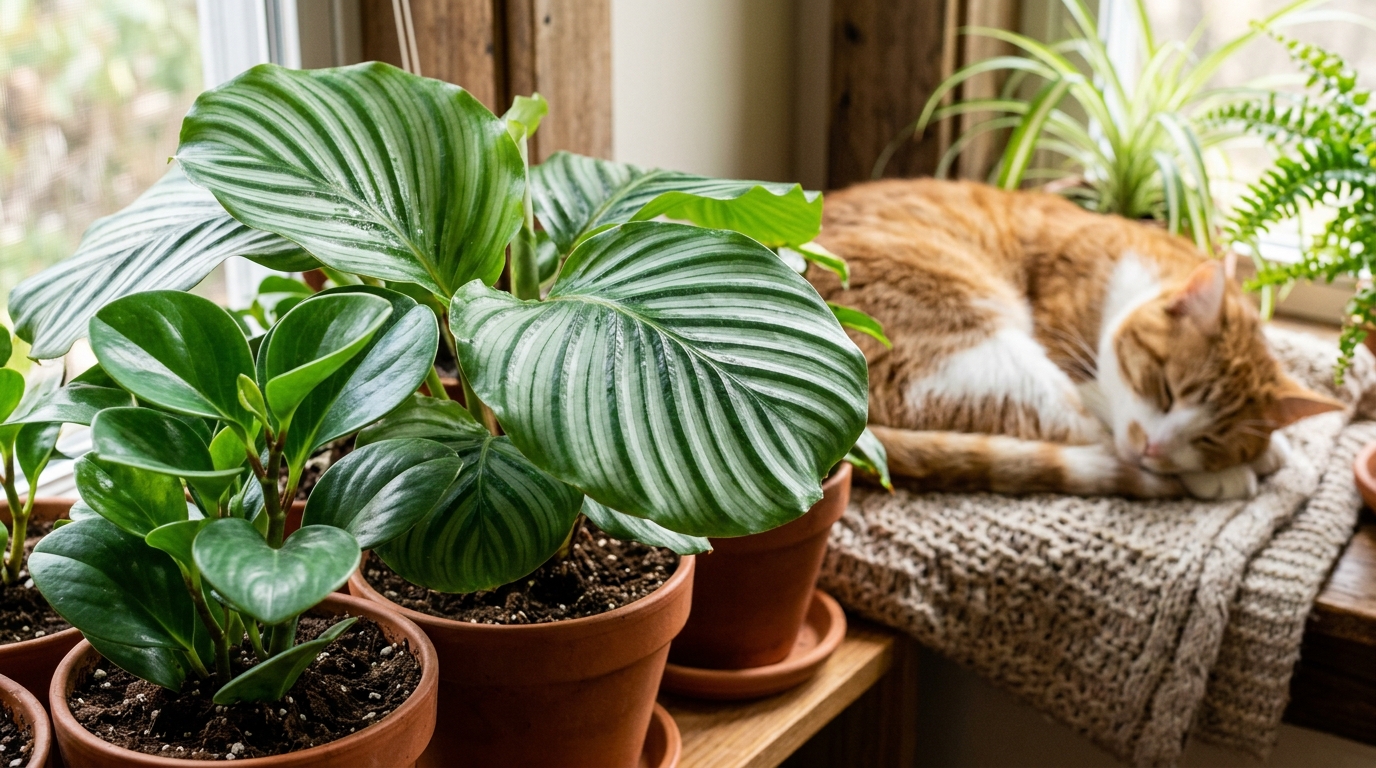
Ready to grow a cat flower plant that actually thrives—on your windowsill or out on the patio? Whether you’re shaping an indoor cat flower plant for steady blooms or positioning an outdoor cat flower plant for all‑season color, the right setup will do most of the heavy lifting. In this guide, we’ll walk through cat flower plant care step by step so you can stop guessing and start growing with confidence.
What if you could look at your space, check the light, and know exactly where your plant will perform best? We’ll help you do just that—then dial in water, soil, and simple pruning so your plant stays full, tidy, and productive. Expect clear directions, quick checklists, and practical tips you can put to work today.
You’ll learn how to:
- Nail cat flower plant light requirements indoors and outdoors for stronger, longer-lasting blooms
- Set a reliable cat flower plant watering rhythm that prevents both rot and stress
- Build a well‑draining cat flower plant soil mix for healthier roots and easier growth
- Plant, repot, and prune for shape, vigor, and repeat flowering
- Move plants between spaces and seasons without shock
By the end, you’ll have a care plan you can follow at a glance—from choosing the right spot to your first flush of flowers and beyond. Grab your potting mix, check your light, and let’s grow a cat flower plant you’ll be proud of.

Cat flower plant basics: varieties, benefits, and fit for your space
Curious what people mean by “cat flower plant”? It’s not one single species—it’s a look and feel. Think blooms with whisker‑like stamens, soft “tails,” and playful textures that pop in photos and in real life. Your goal is simple: pick the variety that fits your light, climate, and style, then set it up for easy success with smart cat flower plant care.
What we mean by “cat flower plant”: examples and key traits
When gardeners say cat flower plant, they usually mean one of these showstoppers:
- Cat’s whiskers (Orthosiphon aristatus)
- Look: Upright spikes with long, elegant “whiskers”
- Vibe: Airy, architectural, pollinator‑friendly
- Where it thrives: Full sun to bright light; warm conditions
- Notes: Great as an indoor cat flower plant in a bright window or outdoors as a summer annual in cooler zones; see cat’s whiskers plant care for pruning and feeding rhythms
- Chenille plant (Acalypha hispida and A. pendula)
- Look: Fuzzy red (or pink) tassels—like a cat’s tail—on lush foliage
- Vibe: Bold texture, dramatic color, nonstop conversation starter
- Where it thrives: Bright light, warmth, and steady moisture
- Notes: Stellar in hanging baskets and containers; compact forms suit apartments; chenille plant care focuses on light, humidity, and light trimming to refresh blooms
- Pussy willow (Salix discolor/S. caprea)
- Look: Silvery, velvety catkins in very early spring
- Vibe: Seasonal interest and fantastic cut stems
- Where it thrives: Full sun, outdoor beds; loves moisture
- Notes: A true outdoor cat flower plant—best as a shrub in the landscape rather than indoors
Prefer a seasonal splash? Near‑black petunia cultivars (often marketed as “Black Cat”) bring moody color to pots and window boxes all summer.
Why grow one: color, texture, and long‑bloom payoffs
If you want a plant that works hard and looks unique, a cat flower plant delivers:
- Texture that photographs beautifully—whiskers, tassels, and catkins add movement
- Color from pure white to crimson, plus dramatic dark tones for contrast
- Long performance window, especially with regular deadheading and simple bloom tips
- Flexible placement—compact options for small spaces, larger forms for bold borders
- Pollinator appeal outdoors and sculptural presence indoors
Indoor vs. outdoor at a glance: what thrives where
Dial in placement first, and half the battle is won.
- Indoors (bright windows, warm rooms)
- Best picks: Dwarf chenille plant in hanging baskets; cat’s whiskers in a sunny, south‑facing window
- What they need: 6–10 hours of bright light, consistent warmth, and airflow
- Watch‑outs: Stretching from low light; refresh with a grow light if windows are shaded
- Outdoors (patios, balconies, beds)
- Best picks: Cat’s whiskers in full‑sun borders; chenille plant as a patio focal point in containers; pussy willow for structured, early‑spring interest
- What they need: At least 6 hours of sun, regular water in heat, and space to fill
- Watch‑outs: Early cold snaps in spring or fall; move tender container plants under cover
Pro tip: If your sun exposure shifts through the seasons, rotate an indoor cat flower plant every week or move containers to chase the light.
Best picks for containers vs. garden beds
Match the plant to the stage—container or bed—and you’ll get more growth with less effort.
- Containers and hanging baskets
- Chenille plant (A. pendula): Thrives in 10–12 inch hanging baskets; trails beautifully
- Cat’s whiskers: Use a 12–16 inch pot for a fuller, upright display; pair with airy fillers
- Dark petunia cultivars: Window boxes, railing planters, and patio pots for drama
- Why containers work: Easy to position for light, quick to water and groom, portable for seasonal shifts
- Garden beds and borders
- Cat’s whiskers: Mass in sunny beds for height and pollinator traffic
- Pussy willow: Anchor a mixed border with early spring catkins and year‑round structure
- Chenille plant (in frost‑free zones): Add near paths for tactile interest
- Why beds work: Room to mature, stronger sun exposure, and effortless scale in the landscape
Still deciding? Start with a container. You can test light, learn your plant’s rhythm, and upgrade to a bed once you know how your outdoor cat flower plant performs in your climate.
Cat flower plant quick-care summary (save time, reduce guesswork)
Want a fast, reliable way to keep your cat flower plant thriving—without second‑guessing every move? Use this cheat sheet to hit the key targets for light, water, soil, and climate. You’ll reduce mistakes, protect blooms, and make cat flower plant care feel effortless.
Light: indoor and outdoor targets for steady growth
Strong light is non‑negotiable for repeat flowers. Aim higher than “houseplant bright” and you’ll see tighter growth and better bloom set.
- Indoors (windows + grow lights)
- Placement: South or west window; east works with 2–4 hours of direct morning sun.
- Target: 6–10 hours of very bright light; 15,000–40,000 lux (or 200–400 PPFD under LEDs for 12–14 hours).
- Pro tip: Rotate your indoor cat flower plant weekly to even out growth.
- Quick test: A crisp, well‑defined shadow = enough light. Fuzzy shadow = add a grow light.
- Outdoors (patios, balconies, beds)
- Target: 6–8 hours of sun; in hot zones, offer light afternoon shade to prevent leaf scorch.
- Microclimates: Place an outdoor cat flower plant near bright, wind‑sheltered walls for extra warmth and faster flowering.
- Early signs your light is off
- Too little: Leggy stems, few buds, slow growth.
- Too much: Scorched leaf edges, wilt at midday even in moist soil.
Keywords used: cat flower plant light requirements, indoor cat flower plant, outdoor cat flower plant
Water: soak–dry rhythm and simple moisture checks
Consistency beats frequency. Let roots breathe, then rehydrate deeply.
- Method that works
- Water thoroughly until 10–20% drains from the pot.
- Let the top 1–2 inches dry before the next soak (use the finger test or a moisture meter).
- Bottom‑water hanging baskets to hydrate evenly and reduce mess.
- Seasonal cadence (adjust for pot size, light, and temperature)
- Spring/Fall: Every 5–7 days
- Summer: Every 2–4 days (containers dry faster outdoors)
- Winter: Every 7–10 days indoors as growth slows
- Quick rescue cues
- Overwatered: Heavy pot, droopy leaves, soggy mix—pause watering, increase airflow, and let it dry.
- Underwatered: Light pot, crisp edges—soak fully and mulch the soil surface to slow evaporation.
Keywords used: cat flower plant watering
Soil: airy, well‑draining mixes that boost roots
Think “fluffy, fast‑draining, and nutritious.” Heavy soil equals root stress.
- Go‑to potting mix (by volume)
- 40% high‑quality potting mix
- 30% perlite or pumice (drainage)
- 20% compost or worm castings (gentle nutrition)
- 10% bark chips or coco chunks (air pockets)
- Extras that help
- pH target: 6.0–6.5
- Always use a pot with large drainage holes; empty saucers after watering.
- In beds, amend with compost and coarse sand for drainage before planting.
Keywords used: cat flower plant soil
Temperature and humidity: ideal ranges to hit
Warmth powers growth; stable humidity protects foliage.
- Daily targets
- Temperature: 65–85°F (18–29°C) by day; not below 55°F (13°C) at night.
- Humidity: 40–60% indoors; up to 60–70% for lusher growth.
- Simple boosts
- Use a pebble tray or room humidifier; avoid misting late in the day.
- Keep plants away from heat vents and AC blasts.
- Seasonal move
- Before the first cold snap, bring containers in or cover—cold stress stalls buds and damages leaves.
Keyword used: cat flower plant care
Effort level and growth timeline
Plan the rhythm once, then repeat it.
- Effort: Moderate—weekly grooming and watering, monthly feeding, light pruning.
- Feeding cadence: Balanced liquid feed every 2–4 weeks in active growth; switch to bloom‑forward fertilizer when buds form.
- Quick timeline (typical, by environment)
- Week 0: Plant or repot; place in strong light; water to settle.
- Weeks 1–3: Establishing—steady growth, begin light pinching for bushier shape.
- Weeks 4–8: Buds form; maintain bright light and consistent moisture.
- Weeks 8+: Peak blooming; deadhead weekly to extend the show and keep energy flowing.
Bloom tips: More light equals more flowers—prioritize placement first, then fine‑tune water and feed.
Light and placement for stronger blooms
Want your cat flower plant to flower hard, not hardly? Light is the throttle. Dial in placement first and most of your cat flower plant care becomes simple fine‑tuning. Use the guide below to meet cat flower plant light requirements indoors and out—then expect tighter growth, more buds, and richer color.
Indoor window orientation and distance from glass
Think in hours and inches. Your indoor cat flower plant needs bright, sustained light without midday scorch.
- South-facing windows
- Best for blooms: 6–10 hours of strong light.
- Distance: 12–24 in (30–60 cm) from glass; use a sheer curtain at noon if leaves crisp.
- Tip: Rotate the pot weekly for even growth.
- West-facing windows
- Late-day intensity can be hot.
- Distance: 18–24 in (45–60 cm); watch for heat spikes on sunny afternoons.
- Great compromise for long days without harsh midday rays.
- East-facing windows
- Gentle morning sun.
- Distance: 0–12 in (0–30 cm); often needs a supplemental grow light in winter.
- North-facing windows
- Usually too dim for reliable flowering.
- Solution: Add a grow light or relocate.
- Quick tests
- Shadow test: A crisp, well-defined shadow = enough light for blooms.
- Lux/PPFD: Aim for 15,000–40,000 lux or 200–400 PPFD at the canopy for consistent flowering.
- Seasonal note
- In winter, pull plants 6–12 in off cold glass and boost with light to prevent stalling.
Outdoor sun hours, shade patterns, and microclimates
An outdoor cat flower plant loves steady sun, but microclimates make or break performance.
- Sun-hour targets
- 6–8 hours of direct sun for most varieties.
- In hot climates (90°F+/32°C+), shift to morning sun + light afternoon shade.
- Read your site
- Track shade drift from trees, fences, and eaves across the day.
- Place containers where you can “chase the light” every few weeks.
- Microclimate wins
- South- or west-facing walls reflect heat and speed bloom set.
- Breezy spots reduce fungal pressure; sheltered corners hold warmth for earlier flowers.
- Raised beds dry faster and warm sooner—great in cool springs.
- Heat management
- Use 30–40% shade cloth during heatwaves.
- Mulch containers to slow evaporation and protect roots.
Grow lights: when to add, wattage, and daily schedule
If you can’t hit the targets with windows alone, add LEDs and keep the bloom engine humming.
- When to add
- You get fewer than 6 hours of direct sun, lux stays under ~15k, or stems stretch toward the window.
- What to use
- Full-spectrum LED bars or panels, 20–40 W per 1–2 sq ft of plant canopy.
- Color temp: 4000–6500K. Hang 8–14 in (20–35 cm) above the top leaves.
- Daily schedule
- 12–14 hours on in winter; 10–12 hours in summer (supplementing window light).
- Example: On 7:00–21:00 for compact growth and reliable buds.
- Calibration tips
- Raise the light as plants grow to maintain 200–400 PPFD.
- Clean leaves monthly; dust blocks photons.
- Use reflective surfaces (white walls, mylar) to brighten the sides.
Light stress signals and fast fixes
Catch issues early and blooms won’t skip a beat. Here’s your rapid triage:
- Too little light
- Signs: Leggy internodes, pale new growth, leaning toward the window, few or no buds.
- Fixes:
- Move 6–18 in closer to the window or switch to a brighter exposure.
- Add a grow light and run 12–14 hours daily.
- Pinch tips to reset shape once light improves.
- Clean glass and leaves to increase transmission.
- Too much light/heat
- Signs: Bleached patches, crispy edges, downward cupping, midday wilt despite moist soil.
- Fixes:
- Back the plant 6–12 in from glass or add a sheer curtain.
- Provide afternoon shade outdoors (shade cloth or relocation).
- Water deeply in the morning; improve airflow to cool leaves.
- Acclimate gradually: add 30–60 minutes of direct sun per day over 7–10 days.
- Mixed signal (window chill + sun)
- Signs: Leaf tip burn near cold panes in winter.
- Fix: Move the cat flower plant off the glass and supplement with LEDs to maintain bloom tips.
Quick placement workflow
- Map your light (hours of direct sun or lux/PPFD at the plant’s height).
- Place the cat flower plant where it meets the target.
- Recheck in two weeks; if growth is still stretchy, increase light or add LEDs.
- Maintain with small tweaks—rotation, seasonal distance changes, and consistent schedules.
Meet these light benchmarks and your cat flower plant will reward you with tighter nodes, richer color, and more flowers—no guesswork required.
Containers, beds, and soil recipes that work
Container or ground—where will your cat flower plant perform best? Let’s engineer the root zone first. With the right pot size, drainage, and cat flower plant soil, you’ll see sturdier growth, fewer problems, and bigger blooms.
Picking the right pot size and drainage features
A great container sets you up for hands-off success.
- Size that suits growth
- Start 1–2 inches wider than the current rootball for compact plants; 2–4 inches for vigorous growers.
- Hanging forms (like chenille types): 10–12 inch baskets.
- Upright forms: 12–16 inch pots to support taller flower spikes.
- Materials that match your climate
- Terracotta: Breathable, prevents soggy mix; dries faster (great for humid homes).
- Glazed ceramic/plastic: Hold moisture longer (great for hot, dry conditions).
- Self-watering planters: Fine for busy schedules—just use an airy potting mix for cat flower plant to avoid waterlogging.
- Drainage that actually works
- Look for multiple large holes; add pot feet so water exits freely.
- Line holes with mesh (not gravel) to keep mix in and water moving.
- Skip the “drainage layer” myth—gravel at the bottom creates a perched water table and slows drainage.
- Quick container checklist
- The pot is stable and won’t tip when blooms are heavy.
- Saucer empties easily; no standing water.
- You can lift/move it or it’s on a caddy for sunlight tweaks.
Keyword focus: indoor cat flower plant, potting mix for cat flower plant
DIY soil mix for containers (ratios that prevent rot)
Roots need oxygen and steady—but not constant—moisture. Build a light, fast-draining blend that still feeds well.
- Core recipe (by volume)
- 40% high-quality peat‑free potting mix or coco‑based mix
- 30% perlite or pumice (drainage + air pockets)
- 20% compost or worm castings (gentle nutrition)
- 10% fine orchid bark or coco chips (structure)
- Climate adjustments
- Hot/dry homes: Swap 5–10% perlite for coco coir to hold moisture a bit longer.
- Humid homes: Add 5–10% extra perlite/pumice for faster dry‑down.
- Smart add‑ins
- Slow‑release fertilizer (2–3 months) mixed in at label rate.
- pH target: 6.0–6.5 for efficient nutrient uptake and strong flowering.
- Mixing tips
- Pre‑moisten the blend until it clumps lightly in your hand—no dry pockets around roots.
- Pack lightly; over‑firming reduces airflow and encourages rot.
Keywords used naturally: cat flower plant soil, potting mix for cat flower plant
Preparing garden beds for drainage and nutrients
Planting an outdoor cat flower plant? Treat the bed like a giant container—loose, fertile, and fast‑draining.
- Test before you plant
- Percolation check: Fill a 12 in (30 cm) hole with water. If it drains in 1–2 hours, you’re good; over 4 hours means poor drainage.
- Improve structure the right way
- Work in 2–3 inches of compost plus 1 inch of fine bark over the top 8–10 inches.
- For heavy clay, use raised beds/berms and add coarse grit or expanded shale—not builder’s sand (sand + clay = concrete).
- Feed and protect
- Blend a balanced, slow‑release fertilizer into the top zone.
- Mulch 2 inches deep (keep 1 inch off stems) to moderate temperature and retain moisture.
- Site advantages
- Slight slope or a south‑facing wall warms soil and speeds bloom set.
- Good airflow keeps foliage dry and reduces fungal pressure.
Keyword focus: outdoor cat flower plant, cat flower plant soil
Repotting a cat flower plant with minimal shock
Repot to refresh nutrients, reset drainage, and keep growth compact. Timing: late spring or early summer when growth is active.
- Signs it’s time
- Roots circle tightly, water rushes straight through, or the plant is top‑heavy and wilts fast.
- Step‑by‑step
- Hydrate the day before; a moist rootball handles stress better.
- Prepare the new pot (1–2 sizes up) with your airy potting mix for cat flower plant.
- Slide the plant out; tease circling roots and trim only what’s necessary.
- Set the crown at the same soil line—don’t bury stems.
- Backfill, tap to settle, and water until ~10–20% drains out.
- Park in bright, indirect light for 48 hours; resume full sun gradually.
- Hold fertilizer for 2–3 weeks to let roots re‑establish.
- Aftercare that matters
- Keep the top 1–2 inches of mix drying between waterings.
- Support tall stems with a small stake if needed.
- Rotate weekly once growth resumes for even shape.
Keywords used naturally: repotting cat flower plant, cat flower plant
Pro tip: Healthy roots equal better blooms. Prioritize drainage and structure first; feeding works best once air and water move freely through the mix.

Planting and moving between spaces
Planting your cat flower plant is all about timing and gentle transitions. Get those right and you’ll skip transplant shock, lock in faster growth, and enjoy earlier blooms—whether you’re growing an indoor cat flower plant or moving an outdoor cat flower plant onto the patio.
Best timing: frost dates, soil temps, and daylength
Deciding when to plant is half the win. Use these markers to pick your moment with confidence.
- Frost dates
- Outdoors: Plant after your local last‑frost date. Tender types dislike cold snaps below 55°F (13°C).
- Moving inside for fall: Bring plants in before nighttime temps drop below 55°F (13°C).
- Soil temperature
- Target 60–70°F (16–21°C) at 2–4 inches deep for strong root starts.
- Cool soil slows roots and delays flowering—even if air temps feel warm.
- Daylength and light
- Aim for 6–8 hours of direct sun outdoors or 12–14 hours of bright light indoors (window + LED).
- If winter or shoulder seasons shorten the day, supplement to meet cat flower plant light requirements.
- Quick timing checklist
- Last frost has passed
- Soil is consistently 60°F+
- You can provide bright light from day one
- A mild 7–10 day forecast (no extremes) is on the horizon
Keyword focus: cat flower plant, outdoor cat flower plant, cat flower plant light requirements
Step‑by‑step indoor planting and placement
Set the stage once and your plant will do the rest.
- Choose a pot with real drainage and add an airy cat flower plant soil mix (well‑draining, nutrient‑rich).
- Pre‑moisten the mix so it’s evenly damp—not soggy.
- Slide the plant out; loosen circling roots with your fingers.
- Set the crown at the same level as before; don’t bury stems.
- Backfill lightly and water until 10–20% drains from the pot.
- Placement: South or west window; if light is limited, add a 20–40 W LED 8–14 in (20–35 cm) above the canopy.
- First week care: Bright, indirect light for 48 hours, then step up to full exposure. Hold fertilizer for 2–3 weeks.
- Routine: Rotate weekly for even shape; let the top 1–2 inches of mix dry between waterings.
Keywords used naturally: indoor cat flower plant, cat flower plant soil
Step‑by‑step outdoor planting and spacing
Think like a landscape designer: sun, airflow, and room to mature.
- Choose a site with 6–8 hours of sun and quick drainage (raised beds or berms help in heavy soils).
- Prep soil 8–10 inches deep with compost and fine bark; avoid compacted spots.
- Dig a hole 1.5× wider than the rootball; match planting depth to the nursery level.
- Set the plant, backfill, and water deeply to settle.
- Mulch 2 inches (keep 1 inch off stems) to stabilize moisture and temperature.
- Spacing guide
- Compact/hanging forms: 10–12 in (25–30 cm)
- Upright medium forms: 12–18 in (30–45 cm)
- Shrubby, vigorous forms: 18–24 in (45–60 cm)
- First week care: Provide morning sun + afternoon shade while roots establish, then ramp up to full sun.
Keywords used naturally: outdoor cat flower plant, cat flower plant
Acclimation: harden off before moving outside or in
Hardening off is your insurance policy against shock. A small daily adjustment beats one big change.
- Moving outside (spring/summer): 7–10 day plan
- Day 1–2: 1–2 hours in bright shade; bring back indoors.
- Day 3–4: Add 1 hour of gentle morning sun.
- Day 5–6: 3–4 hours of sun; shield from wind.
- Day 7–10: Full morning sun + light afternoon shade; then transition to your final sunny spot.
- Watch leaves daily—if they scorch, slow down the schedule.
- Moving inside (fall/winter): smooth the landing
- Inspect and rinse foliage; treat pests before entry.
- Prune lightly to fit your space and reduce stress.
- Place in your brightest window and add LEDs to maintain a 12–14 hour day.
- Water less as growth slows; keep the top inch dry between soaks.
- Keep away from heat vents and cold drafts; aim for 40–60% humidity.
Pro tip: For dependable cat flower plant winter care, set a timer on your grow lights and a reminder to rotate the pot weekly. Stable routines keep buds coming.
Follow this flow and planting becomes predictable: right season, right light, right soil—then your cat flower plant repays you with steadier growth and stronger blooms.
Watering strategy that prevents rot and stress
If you’ve ever wondered, “Am I watering too much—or not enough?” you’re not alone. The secret is a simple cycle: soak thoroughly, let air return to the root zone, then soak again. Nail that rhythm and cat flower plant watering becomes easy, predictable, and bloom‑friendly.
How often to water a cat flower plant in each season
Use these ranges as a starting point, then adjust for light, pot size, and your cat flower plant soil mix.
- Indoors (bright window + average humidity)
- Spring: Every 5–7 days
- Summer: Every 2–4 days
- Fall: Every 5–8 days
- Winter: Every 7–10 days (growth slows; see cat flower plant winter care tips below)
- Outdoors in containers
- Spring: Every 3–5 days
- Summer: Every 1–3 days (heat + wind dry pots fast)
- Fall: Every 3–6 days
- In garden beds
- Deeply once or twice weekly; aim for ~1 inch of total water per week (rain + irrigation). Check 3–4 inches down—cool, slightly moist soil is the goal.
Pro tips
- Water in the morning to reduce disease risk and midday wilt.
- Track pot weight: light = dry; heavy = still wet. It’s the fastest cue you can learn.
Keywords used naturally: cat flower plant watering, indoor cat flower plant, outdoor cat flower plant
Smart methods: bottom watering, drip, mulch
Match the method to your setup for consistent results.
- Bottom watering (best for hanging baskets and compact pots)
- Set the pot in a tray of water 1–2 inches deep for 10–20 minutes.
- Remove and let excess drain; don’t leave pots standing in water.
- Top‑water once a month to flush fertilizer salts.
- Drip irrigation (great for patios and raised beds)
- Use 0.5–1 gph emitters, one per small pot, two for larger than 12 inches.
- Run 20–40 minutes per session, then check moisture at root depth and adjust.
- In beds, a drip line with emitters every 12 inches delivers even coverage.
- Mulch (stabilizes moisture and temperature)
- Containers: 0.5–1 inch of fine pine bark or coco chips.
- Beds: 2 inches of composted bark; keep mulch 1 inch away from stems.
Tools that help: moisture meters and finger test
No more guessing—measure what matters.
- Finger test
- Insert to the second knuckle. If the top 1–2 inches are dry but cool beneath, it’s time to water.
- Moisture meter
- Use as a trend tool, not an absolute. Water when readings move from “moist” toward “dry” at root depth.
- Bonus checks
- Probe holes with a wooden skewer; dark and cool = still moist.
- Hydro‑flush monthly (water until 10–20% drains) to clear salts and keep roots active.
Keyword used naturally: cat flower plant care
Rescue plan for overwatering or underwatering
Spot the symptoms early and act fast to prevent long‑term cat flower plant problems.
- If you overwatered
- Tip out any standing water from the saucer.
- Increase airflow; set the pot on risers or a grate to dry the base.
- Gently aerate the top inch with a chopstick to open air pockets.
- If the mix is sour‑smelling or roots are brown/mushy, unpot, trim damaged roots, and repot into a fresh, airy cat flower plant soil blend.
- Hold fertilizer for 2–3 weeks; resume only once new growth appears.
- If you underwatered
- Bottom‑soak for 20–30 minutes so the rootball rehydrates fully.
- Add a light top‑water to flush dry pockets.
- Trim crisped blooms/leaves to reduce stress.
- Mulch the surface and, short‑term, give bright indirect light to cut transpiration.
- Prevent repeat issues
- Right‑size the pot (too big stays wet; too small dries in hours).
- Refresh compacted mix annually.
- Align water with light: more light/heat = more frequent watering.
Winter note
- Cooler rooms and shorter days slow uptake. For reliable cat flower plant winter care, let the top 2 inches dry before watering, avoid cold water on cold roots, and keep plants off chilly windowsills.
Follow this framework and your cat flower plant will stay hydrated, oxygenated, and ready to flower—without flirting with rot or stress.
Feeding for fast, abundant flowers
Fertilizer is fuel. Give your cat flower plant the right blend at the right time and it will convert light and water into nonstop color.
Fertilizer types: balanced vs. bloom‑boost formulas
- Balanced (grow phase): Use a liquid 10‑10‑10 or 12‑12‑12 while plants are filling out foliage and branching.
- Bloom‑boost (bud/flower phase): Shift to a 1‑3‑2 or 4‑6‑4 formula to emphasize phosphorus and potassium for bigger, longer‑lasting blooms.
- Micronutrients matter: Look for chelated iron, magnesium, and manganese—key for chlorophyll and color.
Keywords used naturally: fertilizing cat flower plant, bloom tips
Schedule by growth stage and season
- Early growth (weeks 1–4): Half‑strength balanced feed every 2 weeks.
- Pre‑bud (weeks 5–8): Balanced feed weekly at half‑strength.
- Bud to peak bloom: Bloom‑boost feed every 10–14 days.
- Off‑season/light drops: Pause or feed monthly at quarter strength.
- Always flush: Once a month, water until 10–20% drains to prevent salt build‑up that can burn roots.
Gentle, organic options that still deliver
- Worm castings: Top‑dress 0.5 inch for steady micronutrients.
- Fish/seaweed blend: Every 2–3 weeks for growth and stress resilience.
- Compost tea: Monthly soil drench to support microbial life.
- Kelp extract: Helps with heat and transplant stress; go light but consistent.
Spotting and fixing nutrient deficiencies
- Nitrogen (N): Older leaves fade yellow; growth slows. Fix: Balanced feed or light top‑dress with compost.
- Phosphorus (P): Dark, dull foliage; poor bud set. Fix: Switch to bloom‑boost formula.
- Potassium (K): Brown leaf edges; weak stems. Fix: Add K‑forward fertilizer; ensure even watering.
- Magnesium (Mg): Interveinal yellowing on older leaves. Fix: Epsom salt at 1 tsp/gal once, then reassess.
- Iron (Fe): Pale new growth with green veins. Fix: Chelated iron drench and slightly more acidic soil (pH 6.0–6.5).
Pruning, training, and deadheading for neat growth
Think of your shears as an on‑switch for vigor. Strategic pruning keeps your plant compact, upright, and floriferous.
How to prune a cat flower plant for shape and vigor
- Pinch early: Remove the top 0.5–1 inch of new shoots at 4–6 leaf pairs to encourage branching.
- Shape lightly: Trim stray stems by 10–20% every 3–4 weeks in the grow season.
- Rejuvenate: If plants get woody or leggy, cut back by one‑third in early spring; resume fertilizing lightly after 10–14 days.
Keyword used naturally: pruning cat flower plant
Deadhead cadence to extend bloom cycles
- Weekly habit: Snip spent flowers back to the first healthy leaf node.
- Don’t leave stubs: Clean cuts heal faster and redirect energy to new buds.
- Bonus bloom tip: Pair deadheading with a light bloom‑boost feed for a quick rebound.
Supports and staking for taller cultivars
- Stakes: Bamboo or fiberglass stakes with soft ties every 6–8 inches of height.
- Rings or cages: Keep upright forms from flopping in wind.
- Wind‑smart placement: Tuck containers near railings or walls for subtle support.
Clean‑tool habits that prevent disease spread
- Sterilize blades: Wipe with 70% isopropyl alcohol between plants (and between diseased cuts).
- Sharp is safe: Clean, sharp tools crush less tissue and heal quicker.
- Timing: Prune early morning on a dry day; avoid pruning right before rain.
Propagation you can trust to succeed
Want more plants for free? Choose the method that matches your timeline and setup.
Stem cuttings: medium, humidity, and hormone tips
- Take 4–6 inch softwood cuttings from non‑flowering shoots.
- Strip lower leaves; keep two leaves at the tip.
- Dip in 0.1% IBA rooting hormone (optional, boosts success).
- Medium: 50/50 perlite–coco or perlite–peat; pre‑moisten until evenly damp.
- Environment: Bright, indirect light; 72–75°F (22–24°C); 85–95% humidity under a clear dome.
- Vent daily to prevent fungus; expect roots in 2–4 weeks.
- Pot up when roots are 1–2 inches, then acclimate to stronger light.
Keyword used naturally: propagate cat flower plant
Division or layering (when it applies)
- Division: Works for clumping types in spring; split the root mass into 2–3 sections with vigorous shoots.
- Simple layering: Peg a low stem into a neighboring pot of mix; once rooted, cut and pot separately.
Starting from seed: timing, light, and heat
- When: 8–10 weeks before last frost.
- How: Sow on the surface or barely cover; many species need light to germinate.
- Conditions: 70–75°F (21–24°C) with steady moisture; bottom heat speeds germination.
- Care: Provide 12–14 hours of light daily; prick out seedlings at 2–3 true leaves.
Aftercare to speed up establishment
- Feed lightly at quarter strength 10–14 days after potting.
- Pinch once to encourage branching.
- Step‑up pots gradually; avoid oversized containers that stay wet.
Seasonal and climate‑specific care
Your plant’s needs shift with the calendar. Here’s how to stay in sync.
Spring: wake‑up tasks and early feed
- Cut back leggy growth; repot if roots are dense.
- Start fertilizing at half‑strength; increase light exposure gradually.
- Harden off before moving outside (7–10 days, increasing sun by the hour).
Summer: heat management and watering tweaks
- Water earlier and deeper; mulch to stabilize moisture.
- Offer light afternoon shade in heatwaves to protect buds.
- Deadhead weekly; feed bloom‑boost every 10–14 days.
Fall: pruning, propagation, and prep
- Take cuttings from your best performers.
- Lightly prune for indoor space; inspect for pests before bringing inside.
- Reduce watering frequency as daylength shortens.
Winter: overwintering an indoor cat flower plant
- Aim for 12–14 hours of bright light (add LEDs if needed).
- Water sparingly—let the top 2 inches of mix dry between soaks.
- Maintain 40–60% humidity; keep off cold windows and away from heat vents.
- Resume stronger feeding when new growth ramps up.
Pests and diseases: prevent first, treat fast
Healthy routines beat infestations every time. Still, stay ready.
Common pests to watch for and natural controls
- Aphids, spider mites, whiteflies, mealybugs, thrips
- Controls:
- Start with a strong water rinse to dislodge.
- Follow with insecticidal soap or horticultural oil (7–10 day intervals).
- Yellow sticky traps to monitor; beneficial insects outdoors where feasible.
Fungal issues and cultural fixes
- Powdery mildew, botrytis, root rot
- Fixes:
- Increase airflow, avoid overhead watering late in the day.
- Space plants so leaves dry quickly.
- For root issues, improve drainage and reduce watering frequency.
Quarantine and sanitation routines that work
- Isolate new plants for 2 weeks.
- Sterilize tools and wipe down shelves and saucers monthly.
- Remove leaf litter; never compost diseased material.
Safe treatment timing for best results
- Spray at dawn/dusk to avoid leaf burn and protect pollinators.
- Test a small area first; reapply per label, usually 7–14 days apart.
Keywords used naturally: cat flower plant problems
Troubleshooting: diagnose, fix, and rebound
Quick diagnostics save blooms. Match the symptom to the cause, then act.
- Cat flower plant leaves yellowing: causes and cures
- Overwatering or poor drainage: Lighten the mix, increase airflow, and let the top 2 inches dry.
- Nitrogen deficiency: Resume balanced feeding; consider a light top‑dress of compost.
- Natural aging: Oldest leaves yellow and drop—normal if new growth is healthy.
- No blooms? Check light, feeding, and plant age
- Light: Increase to 6–8 hours of sun or add LEDs to hit 12–14 hours indoors.
- Feeding: Shift from balanced to bloom‑boost formula.
- Age/season: Young plants may need a few more weeks; short days can delay flowering.
- Leggy or floppy growth indoors
- Cause: Low light or high nitrogen.
- Fix: Move to a brighter window, shorten internodes with stronger light, and pinch to branch.
- Sudden wilt or drop after repotting
- Cause: Transplant shock or overwatering into an oversized pot.
- Fix: Provide bright, indirect light for 48 hours, reduce watering, and ensure the pot drains freely.
Design and styling ideas (indoors and outdoors)
Let’s make your cat flower plant the star—without stealing all the spotlight.
Indoor styling: pots, stands, and lighting accents
- Pair upright forms with tall, matte planters; trailers shine in 10–12 inch hanging baskets.
- Use plant stands to bring foliage closer to windows for better light.
- Add a slim LED bar under a shelf for a soft, gallery‑style glow.
Keyword used naturally: indoor cat flower plant
Outdoor pairings: companions for color and texture
- Combine upright “whisker” blooms with low, mounded fillers and a trailing edge for movement.
- Cool combos: soft silver foliage + deep crimson flowers; lime greens + near‑black accents.
Container recipes for patios, balconies, and entries
- Thriller: Upright cat flower plant for height
- Filler: Mounded, long‑blooming color companion
- Spiller: Trailing accent to soften the rim
- Tip: Repeat one color note in two of the roles for cohesion.
Cut‑flower tips and vase life
- Harvest early morning; use clean, sharp snips.
- Strip lower leaves; recut stems at an angle under water.
- Use floral preservative; change water every 2 days.
- Expect 4–7 days of vase life depending on variety and room temperature.
Key takeaways and next steps
Care checklist for a cat flower plant
- Light: 6–8 hours of sun or 12–14 hours bright light indoors
- Water: Soak, then let the top 1–2 inches dry
- Soil: Airy, well‑draining, nutrient‑rich
- Feed: Balanced, then bloom‑boost when buds form
- Groom: Pinch, deadhead, and stake as needed
Calendar: watering, feeding, and pruning reminders
- Weekly: Check moisture, deadhead, rotate pot
- Biweekly: Feed (adjust strength by season)
- Monthly: Flush salts; inspect and clean tools
- Seasonally: Repot/prune in spring; harden off; take cuttings in fall
Tools and supplies that make care easier
- Full‑spectrum LED, moisture meter, soft ties, sharp snips
- Quality potting mix ingredients, slow‑release fertilizer, worm castings
- Neem or insecticidal soap; alcohol wipes for sterilizing blades
Where to learn more and level up
- Track your conditions: a simple log for light hours, watering dates, and feedings reveals patterns.
- Join a local garden club or extension webinar to compare grow times and bloom tricks in your climate.
Stay consistent with these practices, and your cat flower plant will reward you with tighter growth, richer color, and more flowers—season after season.
Conclusion
You’ve got the complete playbook now. When the basics line up, a cat flower plant rewards you with tight growth, bold color, and generous blooms—season after season. Whether you’re nurturing an indoor cat flower plant on a sunny sill or showcasing an outdoor cat flower plant on the patio, consistency beats complexity. Set the conditions once, then make small, smart tweaks.
Here’s your do‑first checklist
- Placement: Meet cat flower plant light requirements—6–8 hours of sun outside, or 12–14 hours of bright light indoors (window + LED if needed).
- Water rhythm: Treat cat flower plant watering as a soak‑then‑dry cycle. Water deeply, then wait until the top 1–2 inches of mix are dry.
- Root zone: Use airy, well‑draining cat flower plant soil so roots can breathe. Drainage holes, mesh over the base, and no gravel “layers.”
- Feeding and grooming: Keep fertilizing cat flower plant lightly during growth and switch to bloom‑forward formulas when buds appear; pair it with regular deadheading.
- Shape and vigor: Practice pruning cat flower plant lightly—pinch for branching, tidy stragglers, and stake taller stems before they flop.
- Repot with purpose: Step up only 1–2 sizes when roots circle, refresh the mix, and resume full light gradually after the move.
7‑day action plan
- Day 1–2: Map your light; place the cat flower plant where it truly meets the target.
- Day 3: Refresh the potting mix surface or mulch; flush salts with a thorough watering.
- Day 4: Add a simple feeding at half strength and clean the leaves for better light capture.
- Day 5: Pinch or prune lightly to encourage branching; stake if needed.
- Day 6: Recheck moisture with the finger test; adjust your schedule by environment.
- Day 7: Take a photo. Compare again in two weeks to track tighter nodes and more buds.
Before you go, ask yourself: what’s the one lever you can pull today—light, water, or soil—that will move your cat flower plant forward the fastest? Start there. Bookmark this guide, set calendar reminders, and enjoy the momentum. With dialed‑in cat flower plant care, you’re not guessing anymore—you’re growing with intention.
Dennis P. Hansen
Dennis P. Hansen is a home gardener with a genuine passion for plants and the simple pleasure of growing them. He enjoys caring for houseplants, succulents, and other plants at home while continually learning from everyday gardening experiences. Dennis likes to share practical plant care tips, useful observations, and simple solutions that can help others grow healthier plants. He believes that caring for plants is a rewarding journey and that there is always something new to learn along the way.