
Bird of Paradise Plant Care Indoor: The Complete Guide for Thriving Plants


Table of Contents
Introduction:


If you’ve recently brought home a tropical statement plant and are wondering why it doesn’t look as lush as the ones you see online, you’re not alone. The bird of paradise plant care indoor journey can feel a little intimidating at first, especially when you’re trying to recreate a warm, humid environment inside your home. But once you understand what this plant truly needs, it becomes much easier to help it thrive rather than merely survive.
So what makes the bird of paradise plant care indoor process different from other houseplants? It mostly comes down to light, consistency, and patience. This isn’t a plant that enjoys neglect—it responds best when its environment closely mimics its natural tropical habitat. Are you giving it enough bright light? Is your watering routine supporting steady growth or quietly stressing the roots? These are the kinds of questions that can completely change your results.
The good news is that mastering bird of paradise plant care indoor doesn’t require expert gardening skills—just the right guidance and a few simple adjustments. In this guide, you’ll learn exactly how to create the ideal conditions for strong, upright leaves, healthy growth, and that iconic tropical look that makes this plant a favorite in modern interiors.
Bird of Paradise plant care indoor – Essential basics for healthy growth
Getting started with bird of paradise plant care indoor often feels like decoding a tropical puzzle. Why does it look perfect in a greenhouse but struggle in a living room? The answer usually lies in the basics: environment, consistency, and understanding how this plant naturally grows. Once you get these right, bird of paradise plant care indoor becomes far less complicated than most people expect.
If you’re wondering how to look after an indoor bird of paradise plant, think of it as recreating a slice of the tropics inside your home. This plant is bold, architectural, and fast-growing when it’s happy—but it won’t hide its discomfort for long if conditions are off.
How to look after an indoor bird of paradise plant?
The foundation of bird of paradise plant care indoor starts with three non-negotiables: light, space, and consistency.
To keep things simple, focus on:
- Bright light exposure: Place it near a large window where it receives strong indirect sunlight
- Stable temperature: Ideally between 18°C and 27°C (65°F–80°F)
- Regular rotation: Turn the plant every few weeks so all sides grow evenly
- Clean leaves: Wipe dust off to improve photosynthesis
A common mistake is treating it like a low-light houseplant. In reality, weak light is the fastest way to slow growth and create floppy leaves.
Bird of Paradise indoor or outdoor: where does it grow best?
One of the most common questions is whether the plant performs better indoors or outdoors. The truth? It depends on your climate.
- Outdoors: Thrives in warm, humid regions with full sun exposure
- Indoors: Grows well if placed in bright, sun-filled rooms
If you live in a colder region, indoor growing is often the only realistic option. However, successful bird of paradise plant care indoor can still produce large, dramatic foliage—just with slightly slower growth.
Ask yourself: does your space mimic a tropical environment, or is it more shaded and dry? That answer will guide your setup.
Bird of paradise plant care indoor overview for beginners
If you’re just starting out, don’t overcomplicate things. The best bird of paradise plant care indoor strategy is consistency over perfection.
Here’s a beginner-friendly routine:
- Place the plant in bright, indirect sunlight
- Water only when the top 2–3 inches of soil are dry
- Maintain moderate humidity (use a tray or humidifier if needed)
- Feed lightly during growing season (spring and summer)
- Avoid frequent relocation, which can stress the plant
The key takeaway? Stability matters more than constant adjustment.
Key environmental setup for successful indoor growth
Creating the right environment is the backbone of effective bird of paradise plant care indoor. Think of it as building a microclimate.
Ideal setup checklist:
- Light: South or west-facing window preferred
- Humidity: 50% or higher for optimal leaf development
- Pot choice: Large container with drainage holes
- Soil: Well-draining mix (peat, perlite, and compost blend)
- Airflow: Gentle circulation without cold drafts
When these elements work together, the plant rewards you with upright, banana-like leaves and steady vertical growth.
Bird of paradise plant care indoor – Light requirements for strong foliage
Light is the make-or-break factor in bird of paradise plant care indoor. If there’s one thing this tropical plant consistently “communicates,” it’s whether it’s getting enough brightness. Have you ever noticed slow growth, small leaves, or a lack of that dramatic upright structure? In most cases, the issue traces back to insufficient light.
Understanding bird of paradise plant care indoor means accepting a simple truth: this plant is a sun lover. It can adapt to indoor life, but only if its lighting needs are met with intention.
Does Bird of Paradise need full sun indoors?
Yes—and no. While the plant thrives in full sun outdoors, indoor conditions require a slightly adjusted approach.
For successful bird of paradise plant care indoor, aim for:
- Bright indirect light for most of the day
- A few hours of gentle direct morning sun (ideal)
- Avoiding harsh afternoon sun through glass, which can scorch leaves
If you’re asking whether it can survive in low light, the honest answer is: it will survive, but it won’t thrive. Growth becomes slow, leaves stay smaller, and the plant loses its signature architectural presence.
Bird of paradise light requirements indoor explained
To master bird of paradise plant care indoor, think in terms of intensity, not just placement.
This plant needs:
- High light intensity to support large leaf development
- Consistent exposure (not shifting between dark and bright spots)
- Seasonal adjustments, especially during winter months
A helpful way to judge light levels is simple: if you can comfortably read a book without turning on a lamp in that spot all day, your plant is likely in a good zone.
Best window placement for optimal indoor growth
Placement is everything in bird of paradise plant care indoor. Even small adjustments can significantly change growth patterns.
Best options include:
- South-facing windows: Maximum light, ideal for strong growth
- West-facing windows: Great afternoon brightness with warmth
- East-facing windows: Gentle morning sun, perfect for beginners
To improve results, rotate your plant every 2–3 weeks. This prevents it from leaning toward the light source and encourages even, upright growth.
Common light mistakes that slow plant development
Many indoor gardeners unknowingly sabotage their bird of paradise plant care indoor routine with simple lighting errors.
Watch out for:
- Placing the plant too far from windows
- Relying on artificial light only without sufficient intensity
- Keeping curtains or blinds partially blocking sunlight all day
- Not adjusting placement during seasonal light changes
Even a “bright room” can be too dim if the plant is more than a few feet from the window.
Bird of paradise plant care indoor tips for low-light homes
Not every home has perfect lighting, but bird of paradise plant care indoor can still work with some adjustments.
Try these strategies:
- Use a full-spectrum grow light for 10–12 hours daily
- Place near the brightest available window, even if it’s not ideal
- Keep leaves clean to maximize light absorption
- Reduce watering slightly in low-light conditions to prevent stress
While growth may be slower, these steps help maintain a healthy structure and prevent decline.
Bird of paradise plant care indoor – Watering and fertilizer strategy
Watering and feeding are where many people unintentionally go wrong with bird of paradise plant care indoor. Too much attention can be just as harmful as too little, and this tropical plant quickly shows signs when something is off balance. So how do you find that “just right” rhythm that keeps it healthy and steadily growing?
The goal of bird of paradise plant care indoor is consistency, not excess. Think of it less as a strict schedule and more as a responsive routine based on your plant’s environment.
How often should I water an indoor Bird of Paradise?
There’s no universal watering calendar for bird of paradise plant care indoor, because your home conditions directly influence soil drying speed.
A reliable method is the “finger test”:
- Insert your finger 2–3 inches into the soil
- If it feels dry at that depth, it’s time to water
- If it still feels slightly moist, wait a few more days
Typically, indoor plants follow this general pattern:
- Spring/Summer: Every 7–10 days
- Fall/Winter: Every 10–14+ days
But remember: light, pot size, and humidity can shift this timing significantly.
Bird of Paradise plant Fertilizer: what to use and when
Feeding plays a major role in successful bird of paradise plant care indoor, especially during active growth phases.
For best results:
- Use a balanced liquid fertilizer (10-10-10 or 20-20-20)
- Feed every 2–4 weeks during spring and summer
- Pause fertilizing during fall and winter dormancy
You can also support growth with:
- Slow-release fertilizer pellets for steady nutrition
- Organic compost tea for gentle feeding
Avoid over-fertilizing—this can lead to salt buildup and leaf burn, which often gets mistaken for disease.
Bird of paradise plant care indoor watering schedule for all seasons
Instead of rigid rules, bird of paradise plant care indoor works best with seasonal awareness.
Here’s a simple breakdown:
- Spring: Increase watering as growth resumes
- Summer: Highest water demand due to active growth
- Autumn: Gradually reduce watering frequency
- Winter: Minimal watering; only when soil is dry deep down
A helpful mindset shift: the plant drinks based on light exposure. More light = more water use.
Overwatering vs underwatering: how to spot the difference
One of the most important skills in bird of paradise plant care indoor is reading plant signals correctly.
Overwatering signs:
- Yellowing leaves starting from the base
- Soft or mushy stems
- Persistent damp soil smell
- Slow, weak growth
Underwatering signs:
- Curling or drooping leaves
- Dry, crispy edges
- Soil pulling away from the pot sides
- Loss of firmness in foliage
The tricky part? Both can cause drooping leaves—so always check soil moisture before adjusting your routine.
Bird of paradise plant care indoor for consistent growth and nutrition
To keep bird of paradise plant care indoor stable and rewarding, think of watering and feeding as a partnership rather than separate tasks.
Best practices include:
- Water deeply but infrequently to encourage strong root growth
- Ensure excess water drains completely after each watering
- Align fertilizer use with active growth periods only
- Observe the plant weekly instead of sticking blindly to a calendar
When hydration and nutrition are balanced, the plant responds with larger leaves, stronger stems, and that signature tropical presence.
Bird of paradise plant care indoor – Problems, seasonal care & outdoor comparison
Even with a solid routine, challenges can still appear in bird of paradise plant care indoor. The important part isn’t avoiding every issue—it’s learning how to recognize early signs and adjust quickly. Have you ever noticed leaves curling, splitting, or losing their vibrant structure? These are signals your plant is trying to communicate.
Successful bird of paradise plant care indoor means understanding both environmental stress and seasonal changes, especially when winter arrives or when comparing indoor vs outdoor growth conditions.
Bird of Paradise plant problems and how to fix them
Most issues in bird of paradise plant care indoor come from environmental imbalance rather than disease.
Common problems and solutions:
- Yellow leaves: Often caused by overwatering or poor drainage
→ Let soil dry more between waterings and check pot drainage - Leaf splitting: Usually natural, but worsened by low humidity or irregular watering
→ Increase humidity and stabilize watering routine - Stunted growth: Typically linked to insufficient light
→ Move plant closer to a bright window or add grow lighting - Brown edges: Can indicate underwatering or dry indoor air
→ Adjust watering frequency and boost humidity levels
When you respond early, most problems are reversible without long-term damage.
Bird of paradise plant care indoor winter: humidity and temperature control
Winter is a critical period for bird of paradise plant care indoor, because indoor environments become drier and less stable.
To protect your plant:
- Keep temperatures between 18°C–24°C (65°F–75°F)
- Avoid placing it near heaters or cold drafts
- Increase humidity using:
- Humidifiers
- Pebble trays
- Grouping plants together
Watering should also be reduced during winter, as the plant naturally slows down its growth cycle. Overwatering during this period is one of the most common mistakes.
Are birds of paradise hard to keep alive? What really affects survival
The short answer: they are not difficult, but they are particular.
In bird of paradise plant care indoor, survival depends on three main factors:
- Light quality (most important factor)
- Consistent watering habits
- Stable indoor climate
When these conditions are met, the plant is actually quite resilient. When they’re not, it quickly shows stress through drooping or yellowing leaves.
So the real question isn’t “Are they hard to keep alive?” but rather “Is your environment supporting their needs?”
Bird of paradise care outdoor vs indoor growth differences
Understanding the contrast between indoor and outdoor growth helps refine bird of paradise plant care indoor practices.
Outdoor growth:
- Faster development due to direct sunlight
- Larger leaves and stronger stems
- Higher humidity exposure
- Natural airflow improves plant health
Indoor growth:
- Slower, more controlled development
- Requires intentional light management
- Dependent on human-controlled watering and humidity
- More sensitive to environmental changes
Indoors, the plant trades speed for stability—but with the right care, it still achieves impressive size and structure.
Bird of paradise care outdoor in pots: what indoor growers should know
Even if you focus on bird of paradise plant care indoor, understanding outdoor container growth offers valuable insights.
Key takeaways:
- Outdoor potted plants dry out faster due to sun and wind exposure
- They require more frequent watering than indoor plants
- Fertilizer needs are higher during active growing seasons
- Pots must have excellent drainage to prevent root rot
For indoor growers, this comparison highlights an important lesson: indoor plants need less frequent intervention but more precise conditions.
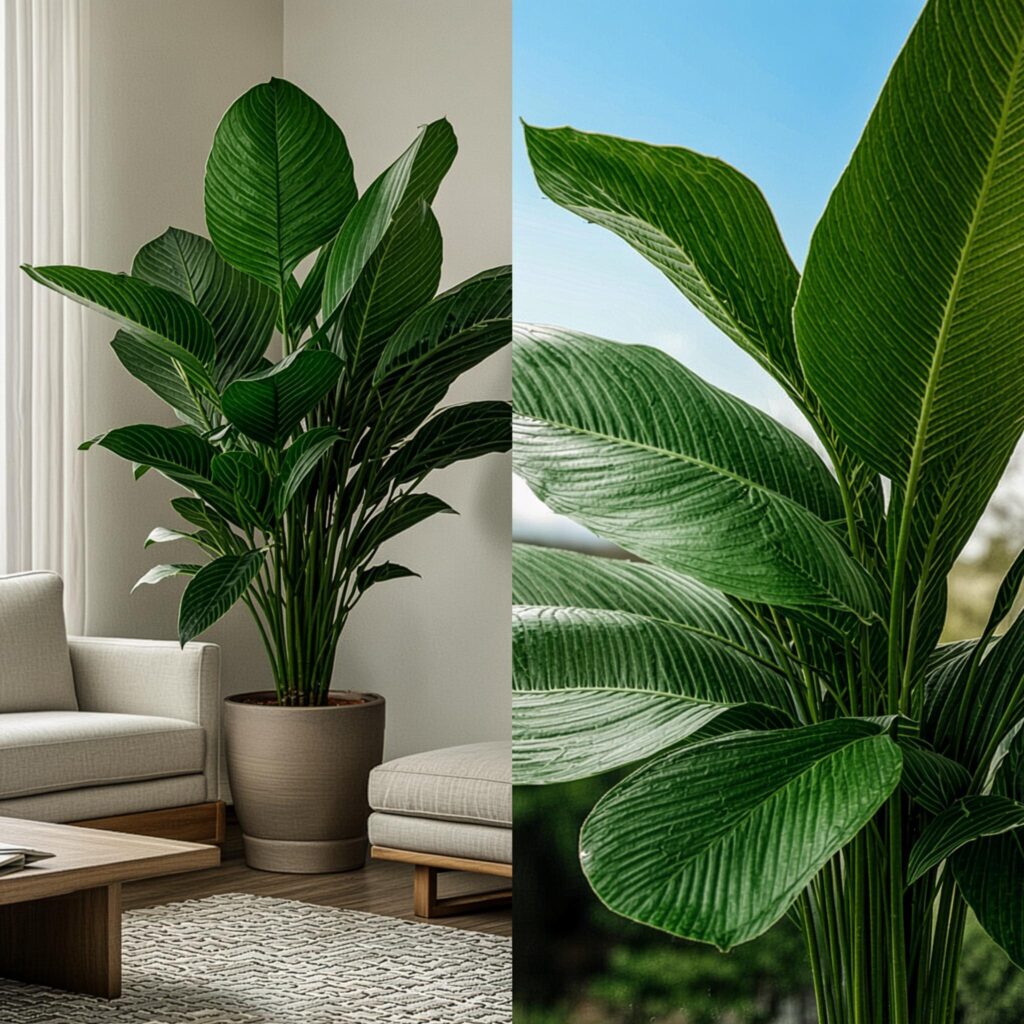
FAQ – Bird of paradise plant care indoor questions answered
When it comes to bird of paradise plant care indoor, most challenges come down to a few recurring questions. If you’ve been wondering whether your plant is getting too much sun, not enough water, or simply adjusting slowly to your home, you’re asking the right things. Below, we break down the most common concerns so you can fine-tune your bird of paradise plant care indoor routine with confidence.
How to look after an indoor bird of paradise plant?
Successful bird of paradise plant care indoor is all about replicating tropical conditions as closely as possible.
Here’s what matters most:
- Place in a bright location with plenty of indirect sunlight
- Water only when the top layer of soil feels dry
- Maintain moderate humidity for healthy leaf development
- Use a well-draining soil mix to prevent root issues
- Avoid moving the plant frequently once it settles
Consistency is more important than perfection. Small, steady care decisions lead to strong growth over time.
Does Bird of Paradise need full sun indoors?
In the context of bird of paradise plant care indoor, full sun is ideal outdoors but slightly different indoors.
What it really needs:
- Bright indirect light for most of the day
- A few hours of gentle morning sunlight if possible
- Protection from harsh afternoon rays through glass
If light levels are too low, you’ll notice slower growth and fewer new leaves. Think “bright room” rather than “dim corner.”
How often should I water an indoor Bird of Paradise?
Watering is one of the most misunderstood parts of bird of paradise plant care indoor.
A reliable approach is:
- Check soil moisture 2–3 inches deep
- Water only when it feels dry at that depth
- Adjust frequency based on season:
- Spring/Summer: every 7–10 days
- Fall/Winter: every 10–14+ days
The key is not a strict schedule, but reading the plant’s environment and responding accordingly.
Are birds of paradise hard to keep alive?
Not really—but they do require intentional bird of paradise plant care indoor.
Their survival depends on:
- Adequate light (the most critical factor)
- Proper watering habits (no extremes)
- Stable indoor temperatures and humidity
When these needs are met, the plant is quite resilient. Most problems arise from environmental mismatch rather than plant weakness.
Bird of Paradise plant problems
Even with good care, issues can appear in bird of paradise plant care indoor, especially during seasonal changes.
Common problems include:
- Yellowing leaves: often from overwatering or poor drainage
- Leaf splitting: natural but worsened by low humidity
- Brown edges: usually dry air or inconsistent watering
- Slow growth: typically a sign of insufficient light
Most of these can be corrected quickly with small adjustments to your routine.
Bird of paradise plant care indoor winter: what changes should I make?
Winter is a key adjustment period in bird of paradise plant care indoor.
During colder months, your plant needs:
- Reduced watering frequency due to slower growth
- Protection from cold drafts and heating vents
- Higher humidity (use humidifiers or pebble trays)
- No fertilizing until spring growth resumes
Think of winter care as maintenance mode rather than growth mode. The goal is stability, not expansion.
Conclusion – Bringing your Bird of Paradise to life indoors
Caring for a tropical plant like this is less about perfection and more about understanding rhythm. When you think about bird of paradise plant care indoor, what really stands out is how responsive this plant is to its environment. Give it strong light, consistent watering, and a stable indoor climate, and it rewards you with bold, architectural foliage that transforms any space.
So where does your current setup stand? Is your plant getting enough brightness near a window, or is it quietly stretching toward the light? Are you adjusting watering based on the soil, or sticking to a fixed schedule that might not match its actual needs? These small reflections make a big difference in long-term growth.
The truth is, successful bird of paradise plant care indoor doesn’t come from complicated routines. It comes from observation, patience, and small, thoughtful adjustments over time. Once you start reading your plant instead of just following rules, everything becomes clearer—and much more rewarding.
If there’s one takeaway to keep in mind, it’s this: consistency always beats intensity. A stable environment will always do more for your Bird of Paradise than occasional bursts of “perfect” care.
With the right balance of light, water, humidity, and attention, your plant won’t just survive indoors—it will gradually develop into a striking focal point that brings a true tropical presence into your home.
Dennis P. Hansen
Dennis P. Hansen is a home gardener with a genuine passion for plants and the simple pleasure of growing them. He enjoys caring for houseplants, succulents, and other plants at home while continually learning from everyday gardening experiences. Dennis likes to share practical plant care tips, useful observations, and simple solutions that can help others grow healthier plants. He believes that caring for plants is a rewarding journey and that there is always something new to learn along the way.