
Houseplant Store Near Me: 7 Proven Ways to Find Joyful Gems

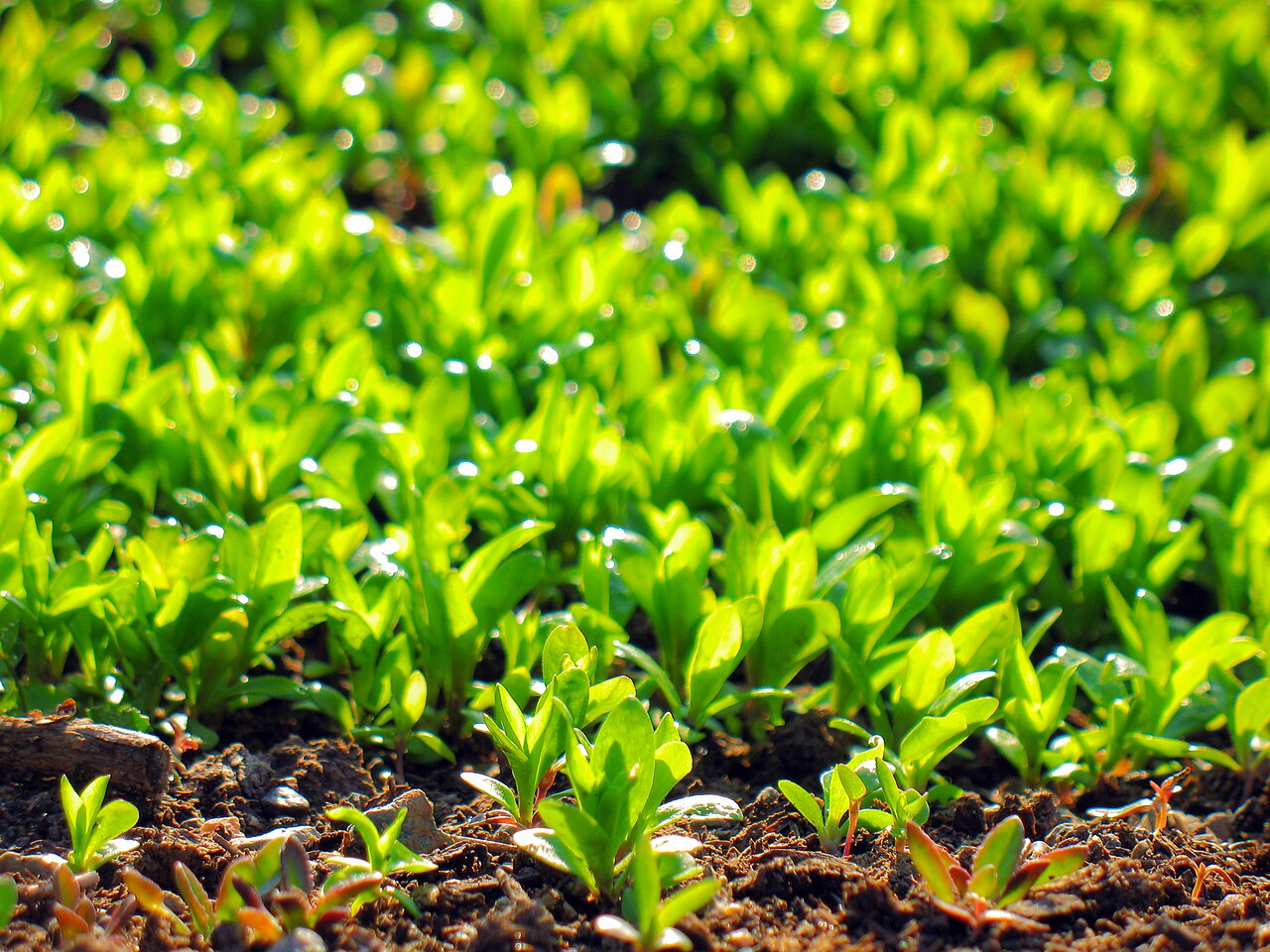
Typing the phrase houseplant store near me into a search browser is often the spark that ignites a lifelong horticultural passion. Whether you are searching for your very first green companion to brighten a quiet desk or hunting down a rare tropical aroid to crown an expansive collection, shopping locally connects you with living specimens in a way that online ordering simply cannot replicate. When you visit a physical shop, you get to evaluate foliage texture, inspect root balls, check stem caliper, and talk directly with experienced growers who know exactly how local municipal tap water and regional humidity affect plant health.
However, stepping into a bustling greenhouse or botanical plant boutique can feel overwhelming. Aisles overflow with hundreds of potted specimens, differing drastically in price, origin, and physiological condition. Some plants are fresh arrivals shipped directly from warm southern production nurseries, while others have languished under dim retail fluorescent tubes for months, silently accumulating pests or waterlogged roots. In my thirty years of visiting local nurseries, garden centers, and independent plant boutiques, I have developed a dependable methodology for finding true quality. In this comprehensive guide, I will share practical ways to evaluate local shops, choose healthy plants, navigate price variations, and transport your new green treasures home safely.
1. Comparing Local Shopping Venues: Boutiques, Greenhouses, and Big-Box Retailers
When searching for a local plant retailer, you will encounter three primary categories of merchants, each offering distinct advantages, pricing structures, and plant care standards. Understanding how these business models operate helps you target the right destination for your specific plant goals.
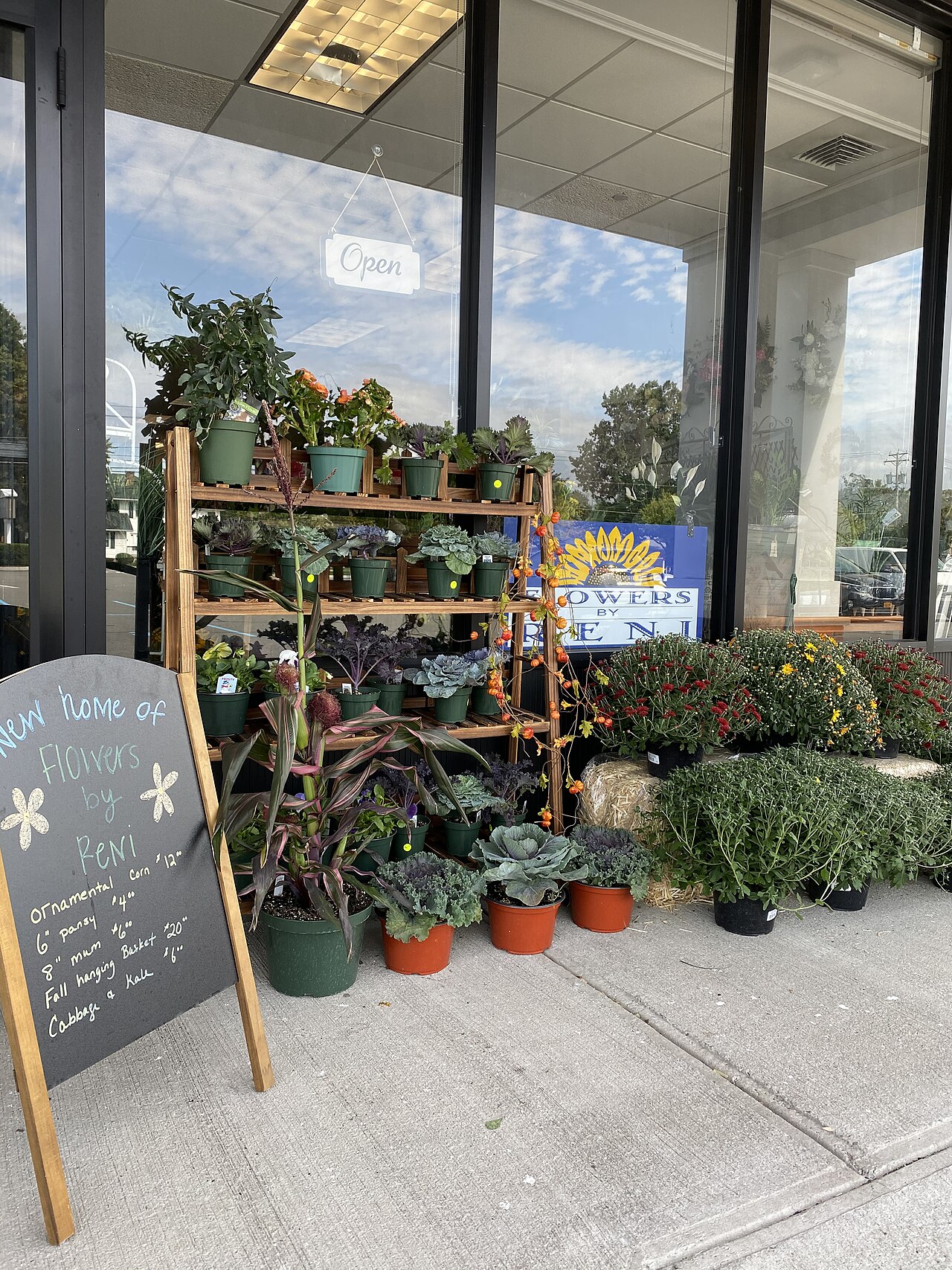
Independent botanical boutiques are specialized neighborhood shops focused exclusively on houseplants, artistic pottery, and indoor gardening supplies. Boutique owners personally curate their inventory, often sourcing unusual cultivars, rare variegates, and specimen-sized plants from specialty growers. The customer care in boutique shops is typically exceptional; the staff can answer detailed questions regarding light requirements, soil blends, and pest identification. While boutique prices are generally higher to reflect smaller order volumes and hands-on maintenance, the plants are routinely cleaned, pest-inspected, and acclimated before being placed on display.
Local family-owned production greenhouses and commercial nurseries offer expansive glasshouses where thousands of plants grow under natural overhead sunlight. Because these facilities maintain high humidity and abundant light, their stock is frequently exceptionally vigorous with dense leaf growth and strong root systems. Greenhouses often provide the widest selection of foundational plants, including hardy low maintenance houseplants and large floor trees, at very competitive prices. Walking through a humid greenhouse during cold winter months also offers a delightful psychological lift.
Big-box home improvement centers and supermarket floral departments purchase massive volumes of tropical plants directly from industrial commercial nurseries. Their primary advantage is affordability; you can often purchase popular six-inch foliage plants for half the cost of independent retailers. However, big-box garden departments rarely employ dedicated horticultural staff. Plants are frequently subjected to erratic watering, displayed in dark indoor aisles, or exposed to cold drafts near sliding automatic doors. If you buy from big-box stores, you must exercise extra diligence during your physical plant inspection.
2. Timing Your Visit for Fresh Shipments and Prime Selection
Timing your visit strategically gives you first access to the healthiest inventory before specimens endure retail stress or undergo customer handling. Most retail plant stores receive wholesale nursery deliveries on predictable weekly schedules.
Strike up a friendly conversation with the store manager or head plant buyer and ask what day of the week their wholesale tropical trucks arrive. Many independent shops receive shipments on Tuesday or Wednesday mornings, allowing staff to unpack, inspect, price, and arrange new stock before the busy weekend rush. Visiting on Thursday afternoon or early Friday morning allows you to browse freshly uncrated plants that have spent zero time under dusty retail conditions.
Seasonal timing is equally significant. Retail nurseries receive their most diverse tropical shipments between early spring and early summer, when commercial growers in Florida, California, and Texas release new crops. During peak spring, you will discover rare cultivars, flowering specimens, and trailing baskets that are unavailable later in the year. If you are seeking popular hanging options, spring is the perfect time to choose lush trailing vine selections to hang near bright windows. By contrast, late autumn and mid-winter deliveries are often scaled back to prevent freezing damage during highway transport.
3. The Ten-Point Health Inspection Before You Reach the Cash Register
Never purchase an indoor plant based on its attractive appearance from five feet away. A plant can look magnificent from across the room while harboring early spider mite colonies or advanced root rot. Conduct a hands-on physical diagnostic check on every candidate before making a financial commitment. Extension guidelines from the University of Georgia Extension on selecting healthy houseplants emphasize that preventing pests at the point of purchase is infinitely easier than managing a full-blown infestation at home.
Begin by examining the foliage. Inspect both the upper and lower surfaces of leaves, paying special attention to the undersides and branch joints. Look for tiny yellow speckling that indicates spider mite feeding, fine silky webs between stem joints, white cottony tufts left by mealybugs, or small waxy brown bumps signaling scale insects. Avoid plants with yellowing lower foliage, black necrotic spots with yellow halos, or brown crispy edges that suggest chronic watering errors.
Next, check the stem and growth habit. A healthy plant exhibits short, sturdy internodes, the stem sections between leaf attachments. Stems that appear stretched, pale, and floppy indicate that the specimen has spent weeks in low retail light, stretching desperately for photons. Gently shake the central stem; the plant should feel firmly anchored in its root ball rather than wobbling loosely in the substrate.
Finally, inspect the root zone. Ask store staff for permission to gently slide the plant out of its plastic grow pot. Turn the pot upside down, support the soil surface with your spread fingers, and give the bottom of the container a firm tap. In a healthy specimen, active roots are firm, plump, and creamy white or light tan, weaving evenly through the potting mix without forming a solid, circling mat of woody coils. If the roots are dark brown, black, mushy, or emit a sour, swampy odor, slide the pot back on and walk away immediately. That plant is suffering from pythium root rot, which rarely recovers in home environments.
4. Evaluating Soil Quality and Potting Substrate in Retail Plants
Commercial wholesale nurseries formulate potting soil to survive high-volume automated overhead irrigation in hot production climates. Consequently, nursery soil is often dense, heavily peat-based, and amended with high concentrations of moisture-retentive polymers. Understanding the substrate inside the pot helps you plan post-purchase care.
Examine the soil surface inside the container. If the potting mix is covered with thick green liverwort, heavy slime molds, or dense crusty moss, the plant has been sitting in constantly saturated, stagnant conditions. Poke your finger one inch into the potting mix. It should feel moderately moist and crumbly, not like a sodden brick of dense mud. If you are selecting blooming varieties, explore our recommendations for selecting healthy flowering houseplants to ensure flower buds develop cleanly without fungal blast.
Check for slow-release fertilizer prills, the tiny green, yellow, or tan spheres scattered through the potting mix. These spheres contain concentrated mineral salts that release gradually with warmth and moisture. While beneficial in greenhouse settings, heavily salted potting soil can scorch root hairs when brought into drier indoor air. Knowing that the plant already contains nursery fertilizer reminds you to refrain from adding home fertilizer for at least six to eight weeks after purchase.
5. Asking the Right Questions to Nursery Staff
Engaging knowledgeable store staff allows you to extract valuable horticultural intelligence that is never printed on a retail barcode tag. Staff members who handle the plants daily know the micro-history of each batch.
Ask when the plant was last watered. If the employee mentions that the entire table was watered twenty minutes ago, you know to let the container drain thoroughly before placing it in your vehicle. If they mention the plants have not been watered in two weeks, you can prepare a gentle bottom-watering soak as soon as you arrive home. Inquire also whether the nursery applies systemic insecticides or predatory biological controls. Knowing whether the plant was treated with beneficial predatory mites or synthetic neonicotinoids helps you decide how to approach home pest prevention safely.
Ask about the plant’s light history inside the shop. If a high-light specimen like an olive tree, citrus, or fiddle leaf fig has been displayed in a dark interior corner for a month, you cannot immediately place it in direct blistering sunlight at home without scorching its shade-adapted leaves. You will need to acclimate it gradually over two weeks. Reliable recommendations from the University of Wisconsin Madison Extension emphasize gradual light acclimation as the most critical factor in preventing post-purchase leaf drop.
6. Safe Vehicle Transport: Protecting Foliage from Temperature and Wind Shock
The journey between the retail cash register and your front door is the most hazardous thirty minutes of a houseplant’s life. Tropical foliage is extraordinarily sensitive to temperature extremes and mechanical wind buffeting. Even brief exposure to freezing temperatures or scorching car interiors can cause irreversible cellular collapse.
During cold weather, when outdoor temperatures drop below fifty degrees Fahrenheit, never carry an exposed tropical plant across a parking lot. Request that the store wrap the plant in brown kraft paper sleeves or place it inside a tall paper grocery bag stapled shut at the top. The trapped air inside the paper sleeve acts as a thermal buffer, shielding tender leaves from freezing wind chills. Preheat your vehicle before bringing the plants out to the car. Place the wrapped plants on the floorboards of the passenger cabin rather than in an unheated trunk.
During summer heatwaves, park in the shade and run the air conditioning before loading plants. Never leave a purchased houseplant inside a parked car with windows rolled up while running additional errands. Within fifteen minutes, greenhouse temperatures inside a locked vehicle can exceed one hundred and twenty degrees Fahrenheit, literally cooking tropical foliage into black, gelatinous mush. Secure pots inside open cardboard boxes with crumpled newspaper packed between containers to prevent plants from tipping over on sharp highway turns.
7. The Home Arrival Protocol: Quarantine, Acclimation, and Repotting Restraint
When you carry your new green treasures across your threshold, resist the immediate urge to display them directly alongside your established indoor plant collection. Practicing a disciplined home arrival routine protects your existing greenery and ensures your new acquisition adapts smoothly.
Establish a dedicated quarantine area in a bright room located at least ten feet away from other houseplants. Keep your new purchase in quarantine for fourteen days. Fourteen days represents the complete life cycle of most common greenhouse pests, including spider mites, thrips, and fungus gnats. During this isolation window, inspect the foliage every two days with a magnifying glass. If dormant pest eggs hatch, you can treat the isolated plant without risking cross-contamination across your entire home collection. Guidelines from the University of Maryland Extension on indoor plant selection and care highlight quarantine as the single most effective defense against household pest epidemics.
Equally critical is exercising repotting restraint. Many enthusiastic gardeners immediately unpot new plants, tear apart root balls, and shove them into oversized decorative ceramic planters on day one. This double shock, combining relocation stress with severe root disturbance, is the primary reason newly purchased plants collapse within a month. Allow the plant to live in its original plastic nursery pot for at least three to four weeks while it acclimates to your home’s unique temperature, humidity, and light levels. You can slip the plain plastic pot inside a decorative cachepot without disturbing a single root hair.
8. Navigating Retail Pricing Cycles, Clearance Benches, and Rare Plant Markets
Understanding retail plant pricing dynamics helps you maximize your plant budget while avoiding costly mistakes on the bargain table. Plant prices are dictated by propagation difficulty, growth speed, shipping container volume, and market novelty.
Common fast-growing species like golden pothos, spider plants, and heartleaf philodendrons propagate effortlessly from stem clippings in commercial facilities, keeping retail prices consistently low. By contrast, slow-growing plants like cycads, large fiddle leaf figs, and tissue-cultured rare monsteras require years of heated greenhouse space, skilled laboratory labor, and substantial overhead costs before reaching retail benches, justifying their higher prices.
The retail clearance bench is a tempting destination for budget-minded plant lovers, but it requires discerning judgment. Nurseries place specimens on clearance for two distinct reasons: cosmetic blemishes or physiological collapse. Plants discounted because of snapped branches, spent flower stalks, or sun-faded leaves are fantastic bargains. With clean pruning and proper light at home, they will produce fresh foliage within weeks. However, plants discounted because of soggy black soil, rotten roots, or suspicious white residue in leaf axils should be avoided completely. Bringing a diseased clearance plant home often introduces stubborn pathogens to your healthy collection, costing far more in treatments than you saved on the purchase price.

9. Local Plant Community Networks, Swaps, and Specialty Pop-Ups
Beyond traditional brick-and-mortar storefronts, your local area holds flourishing informal networks of plant enthusiasts that offer access to healthy clippings, rare cultivars, and shared horticultural wisdom.
Look for local plant swaps hosted by community centers, public libraries, botanical gardens, and independent coffee houses during the spring and autumn months. Plant swaps operate on a friendly trading model: you bring rooted cuttings or divided perennials from your home collection and trade them with fellow hobbyists for species you have never grown. Swapping is not only economical, but it also supplies plants that are already acclimated to the climate and ambient humidity of your local geographical area, ensuring higher survival rates than plants shipped across country borders.
Follow local pop-up plant markets and botanical craft fairs. Many passionate micro-growers operate licensed home nurseries, propagating boutique aroids, rare hoyas, and specialty succulents in small batches. These independent growers possess intimate knowledge of every clipping they sell and often provide tailored care sheets and continuous advice through direct community messages.
10. Transitioning Commercial Nursery Substrates to Balanced Home Potting Mixes
One of the most overlooked hurdles when bringing home a plant from a local nursery is managing the commercial production substrate inside the pot. Commercial wholesale growers cultivate tropical foliage under computer-controlled conditions with high-intensity greenhouse lighting, constant sixty-percent relative humidity, and automated overhead misting systems that deliver dilute fertilizers with every watering. Under those conditions, heavy peat moss substrates work exceptionally well because the plants transpire water at rapid, predictable rates.
However, when you carry that same pot into an ordinary residential living room, environmental conditions change dramatically. Average home light levels are a fraction of greenhouse intensities, and winter central heating drops ambient humidity down toward twenty percent. Under these slower indoor metabolic conditions, that heavy peat nursery substrate stays damp for weeks, starving roots of atmospheric oxygen and promoting fungal root rot.
Rather than stripping the roots bare on arrival, plan a two-stage substrate transition. During the initial thirty-day acclimation period, water conservatively, allowing the top third of the container to dry thoroughly between waterings. Once the plant has stabilized and begun pushing new leaf spikes, prepare an airy, chunky indoor potting mix amended with coarse pine bark chips, pumice, and perlite. Gently tip the plant out of its pot, loosen the outer third of the compressed nursery peat with your fingers, and settle the root ball into a slightly wider container surrounded by your free-draining substrate. This gradual transition preserves delicate root hairs while establishing the long-term drainage that protects indoor plants for years to come.
Frequently Asked Questions About Shopping at a Houseplant Store Near Me
Is it better to buy houseplants from local independent shops or big-box stores?
Both options serve useful purposes depending on your budget and experience level. Local independent shops offer superior plant health, expert horticultural advice, pest-free stock, and rare varieties that big-box retailers never carry. Big-box stores provide unbeatable prices on common foundational plants, but they require expert diagnostic skills to avoid purchasing diseased, waterlogged, or pest-ridden specimens.
How can I find reputable independent plant stores in my local area?
Beyond standard online maps, search local social media gardening groups, regional botanical garden plant sales, and community horticulture clubs. Many boutique growers and rare aroid specialists operate smaller storefronts that do not spend heavily on digital advertising. Attending local plant swaps and horticultural society meetings will connect you directly with experienced hobbyists who can recommend the best neighborhood shops.
Can I return a houseplant to a local store if it dies after two weeks?
Return policies vary widely among local retailers. Most big-box home improvement chains offer generous one-year return guarantees on indoor plants if you present a receipt and the dead plant. Independent botanical boutiques typically maintain strict return windows ranging from twenty-four hours to seven days, because plant survival depends entirely on home watering, light, and heating conditions outside the seller’s control. Always check the store’s return policy at the counter before completing your purchase.
What is the best way to transport a very tall houseplant tree in my car?
For tall indoor trees exceeding five feet in height, fold down the passenger seats to create a flat loading bed. Wrap the pot tightly in a large plastic trash bag tied around the base of the trunk to keep soil from spilling across your vehicle. Lay the tree gently along the length of the vehicle with the pot positioned toward the front firewall and the delicate canopy resting on pillows in the back. Avoid resting heavy objects against the leafy branches.
Should I immediately spray a new houseplant with pesticide when I get home?
Giving new plants a gentle preventative shower with lukewarm water in the bathroom is an excellent habit to wash away greenhouse dust and dislodge transient pests. However, avoid spraying harsh synthetic chemical pesticides unless you physically confirm the presence of a specific target pest. Instead, wipe the foliage with mild insecticidal soap or horticultural oil during the two-week quarantine period.
Dennis P. Hansen
Dennis P. Hansen is a home gardener with a genuine passion for plants and the simple pleasure of growing them. He enjoys caring for houseplants, succulents, and other plants at home while continually learning from everyday gardening experiences. Dennis likes to share practical plant care tips, useful observations, and simple solutions that can help others grow healthier plants. He believes that caring for plants is a rewarding journey and that there is always something new to learn along the way.