
Best Houseplants: 10 Proven Choices for Joyful Rooms

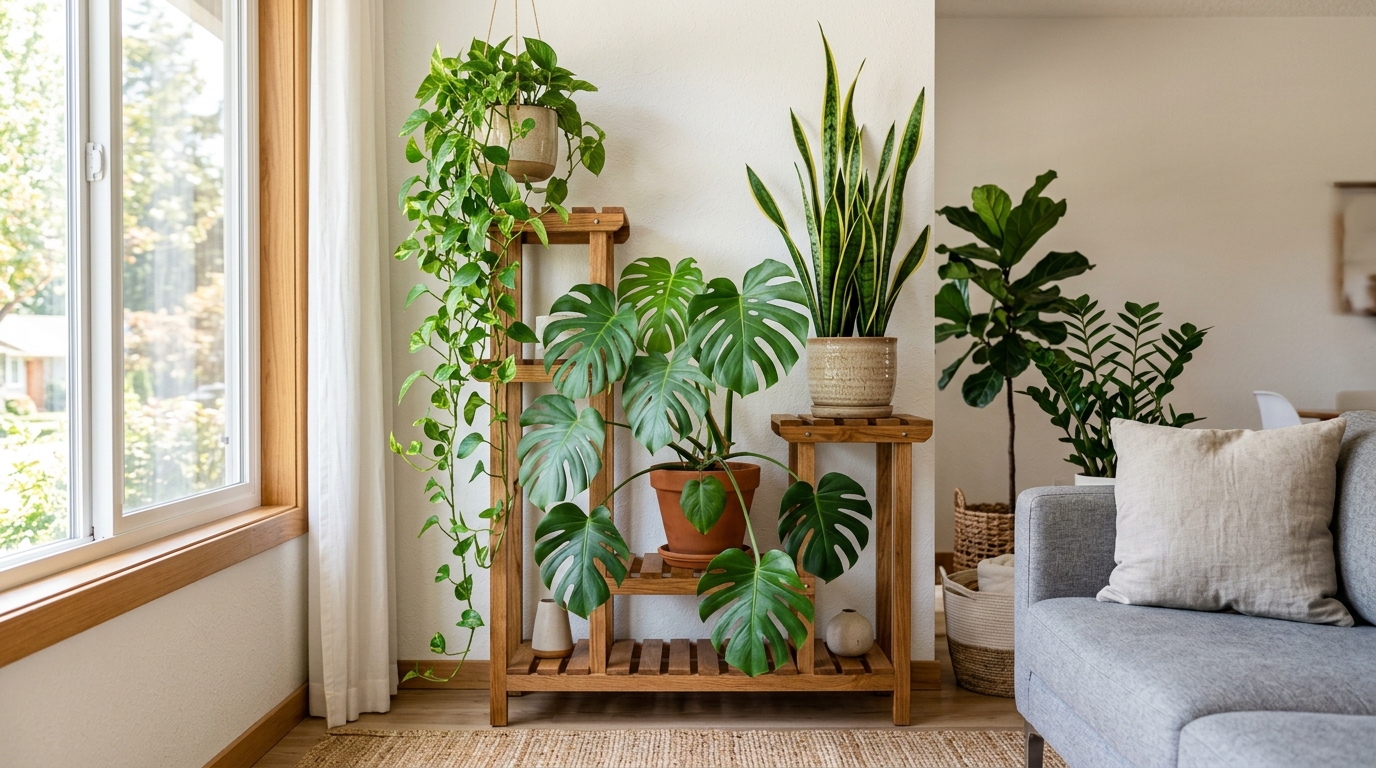
Surrounding your everyday living space with lush, healthy greenery brings a profound sense of tranquility and connection to the natural world. I am Dennis P. Hansen, and through decades of cultivating foliage across varied domestic microclimates, I have identified which species consistently outperform the rest. In this definitive guide, you will explore the ten best houseplants for residential environments, understand the fundamental cultural principles that sustain them, and discover practical techniques to keep your indoor garden flourishing for years to come.
Table of Contents
What Defines the Best Houseplants for Indoor Living?
In modern horticulture, the phrase “indoor plant” is technically a misnomer; every botanical species evolved outdoors in a specific geographic biome. The plants that thrive inside human dwellings are those possessing natural evolutionary adaptations that match residential interiors. Our living rooms are typically characterized by dry atmospheric humidity (30% to 50%), limited unilateral light penetration, and sheltered, stable temperatures between 65°F and 75°F (18°C to 24°C).
The best houseplants are characterized by high physiological plasticity. They tolerate irregular watering intervals, adapt to variable light levels, demonstrate natural resistance to common indoor pests, and produce lush foliage without demanding greenhouse-grade climate control. According to horticultural research from the University of Maryland Extension on indoor plant care and management, selecting species whose physiological compensation points and transpiration rates align with home environments is the most critical determinant of long-term gardening success.
Whether you are curating your very first tabletop succulent or styling a multi-tiered plant stand, choosing reliable, resilient varieties ensures that your gardening efforts yield rewarding growth rather than ongoing frustration.
The 10 Best Houseplants for Every Home
After evaluating dozens of indoor varieties across changing seasons, the following ten species stand out as the undisputed best houseplants for indoor living.
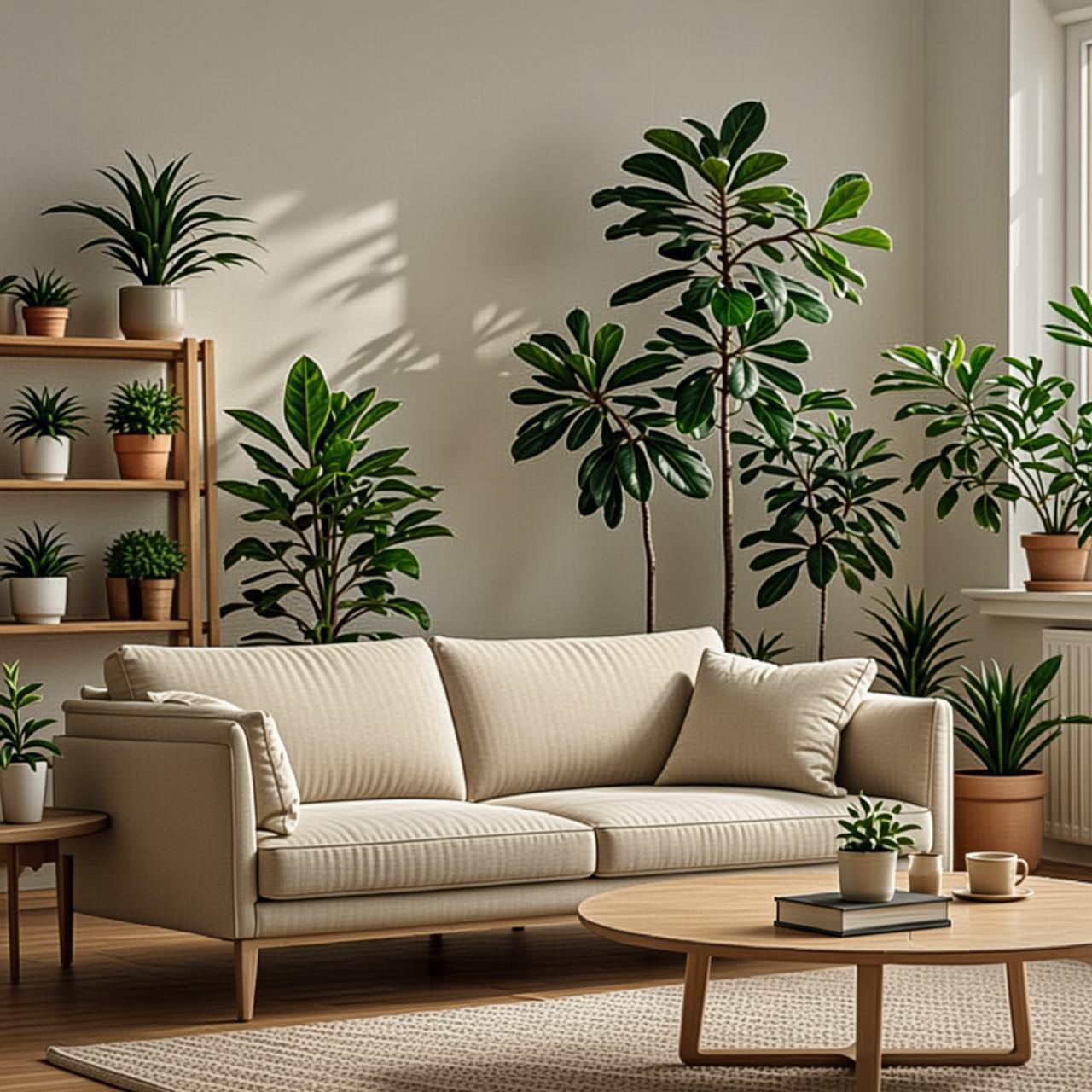
1. Monstera Deliciosa (Swiss Cheese Plant)
Native to the tropical rainforests of Southern Mexico and Central America, Monstera deliciosa is celebrated for its dramatic, perforated leaves. As the plant matures under bright indirect light, its expansive leaf blades develop deep lateral splits and fenestrations that evolved naturally to allow tropical hurricane winds and dappled forest canopy light to pass through. Monsteras are vigorous growers that appreciate a sturdy moss pole or wooden trellis for vertical support. Allow the top two to three inches of potting soil to dry between waterings, and wipe the broad leaves monthly to optimize photosynthesis.
2. Snake Plant (Dracaena trifasciata)
Renowned for its near-indestructible constitution, the snake plant features rigid, architectural swords patterned with dark-green and gold variegation. Snake plants utilize Crassulacean Acid Metabolism (CAM), absorbing carbon dioxide at night and retaining water with extraordinary efficiency. They tolerate deep shade, neglected waterings, and dry radiator air. For homes with shaded windows, pairing snake plants with other proven resilient low light houseplants creates a stress-free green display.
3. Golden Pothos (Epipremnum aureum)
Widely regarded as the ultimate beginner-friendly vine, the golden pothos produces heart-shaped leaves marbled with creamy yellow variegation. Pothos adapts gracefully to varied indoor lighting, from dim offices to sunny breakfast nooks. It cascades elegantly from hanging planters or bookshelves and communicates thirst clearly through slight foliar drooping. Water when the top half of the potting soil feels dry to the touch, and trim elongated runners periodically to stimulate bushy basal growth.
4. ZZ Plant (Zamioculcas zamiifolia)
Originating from the drought-prone regions of Eastern Africa, the ZZ plant is recognized for its pinnately compound, glossy foliage that resembles sculpted jade. Thick subterranean rhizomes store extensive water reserves, allowing the plant to survive without irrigation for three to four weeks. ZZ plants thrive in subdued ambient light where other tropicals fail. Water thoroughly only after the potting medium dries out completely from surface to base.
5. Spider Plant (Chlorophytum comosum)
A beloved classic for over a century, the spider plant produces graceful fountains of arching, striped foliage. Mature specimens send out slender stolons bearing starry white blossoms and miniature plantlets that root effortlessly in water. Spider plants are certified non-toxic to pets, making them a fantastic addition to homes with curious cats or dogs. If you share your living space with animals, explore our comprehensive guide on non-toxic houseplants safe for cats.

6. Peace Lily (Spathiphyllum wallisii)
Peace lilies feature deep-green, ribbed leaves topped by elegant white floral spathes. They are unmatched for their dramatic visual feedback: when moisture levels in the root ball deplete, the foliage droops completely, rebounding within hours of rehydration. Keep the soil evenly moist but never saturated, and shield the foliage from direct solar radiation to avoid foliar scorch.
7. Fiddle Leaf Fig (Ficus lyrata)
With its massive, violin-shaped, heavily textured leaves, the fiddle leaf fig is an architectural showstopper in modern interior design. While slightly more particular than a pothos, Ficus lyrata rewards consistent care with rapid vertical expansion. It demands abundant, bright indirect sunlight and steady watering whenever the top two inches of substrate dry out. Avoid moving the plant once it settles, as sudden changes in light orientation can trigger leaf drop.
8. Chinese Evergreen (Aglaonema commutatum)
Chinese evergreens are celebrated for their striking foliar variegation, displaying patterns of silver, cream, and pink across broad lanceolate leaves. They tolerate dry indoor air, low light, and irregular care routines. Aglaonema maintains a tidy, compact habit that rarely requires aggressive pruning, making it ideal for desks, countertops, and side tables.
9. Parlor Palm (Chamaedorea elegans)
If you desire tropical fronds without the demanding moisture requirements of larger palms, the parlor palm is an outstanding choice. Its airy, pinnate fronds bring a soft, feathery texture to dimly lit rooms. Unlike sun-loving palms, Chamaedorea elegans prefers gentle, diffused light and thrives in average home temperatures between 65°F and 75°F.
10. Rubber Tree (Ficus elastica)
A robust member of the fig family, the rubber tree features large, thick, oval leaves with a rich waxy sheen. Popular cultivars like ‘Burgundy’ and ‘Tineke’ add deep bronze and tricolor cream accents to interior rooms. Rubber trees thrive in bright indirect light and appreciate a fast-draining, chunky soil blend that prevents water stagnation around their woody roots.
Comprehensive Best Houseplants Care Matrix
This comparative reference matrix summarizes the essential botanical requirements, watering intervals, and toxicity ratings across our top ten houseplants.
| Plant Species | Light Level | Watering Cadence | Difficulty | Pet Toxicity (ASPCA) |
|---|---|---|---|---|
| Monstera Deliciosa | Medium to bright indirect | Every 7–10 days (dry top 2 inches) | Easy | Toxic to dogs & cats |
| Snake Plant | Low to full sun | Every 2–4 weeks (dry fully) | Very Easy | Toxic to dogs & cats |
| Golden Pothos | Low to bright indirect | Every 7–10 days (dry top half) | Very Easy | Toxic to dogs & cats |
| ZZ Plant | Low to medium indirect | Every 3–4 weeks (dry fully) | Very Easy | Toxic to dogs & cats |
| Spider Plant | Medium to bright indirect | Every 7–10 days (dry top 50%) | Easy | Non-Toxic to pets |
| Peace Lily | Low to medium shade | Every 5–8 days (keep moist) | Moderate | Toxic to dogs & cats |
| Fiddle Leaf Fig | Bright indirect (intense) | Every 8–12 days (dry top 2 inches) | Moderate | Toxic to dogs & cats |
| Chinese Evergreen | Low to medium indirect | Every 8–12 days (dry top 2 inches) | Easy | Toxic to dogs & cats |
| Parlor Palm | Low to bright indirect | Every 7–10 days (dry top inch) | Easy | Non-Toxic to pets |
| Rubber Tree | Bright indirect light | Every 7–10 days (dry top half) | Easy | Toxic to dogs & cats |
Essential Care Guide: Light, Water, and Soil
Mastering three core environmental pillars will ensure your indoor houseplants maintain vigorous cell structure and vibrant foliar coloration.
Calibrating Indoor Light Exposure
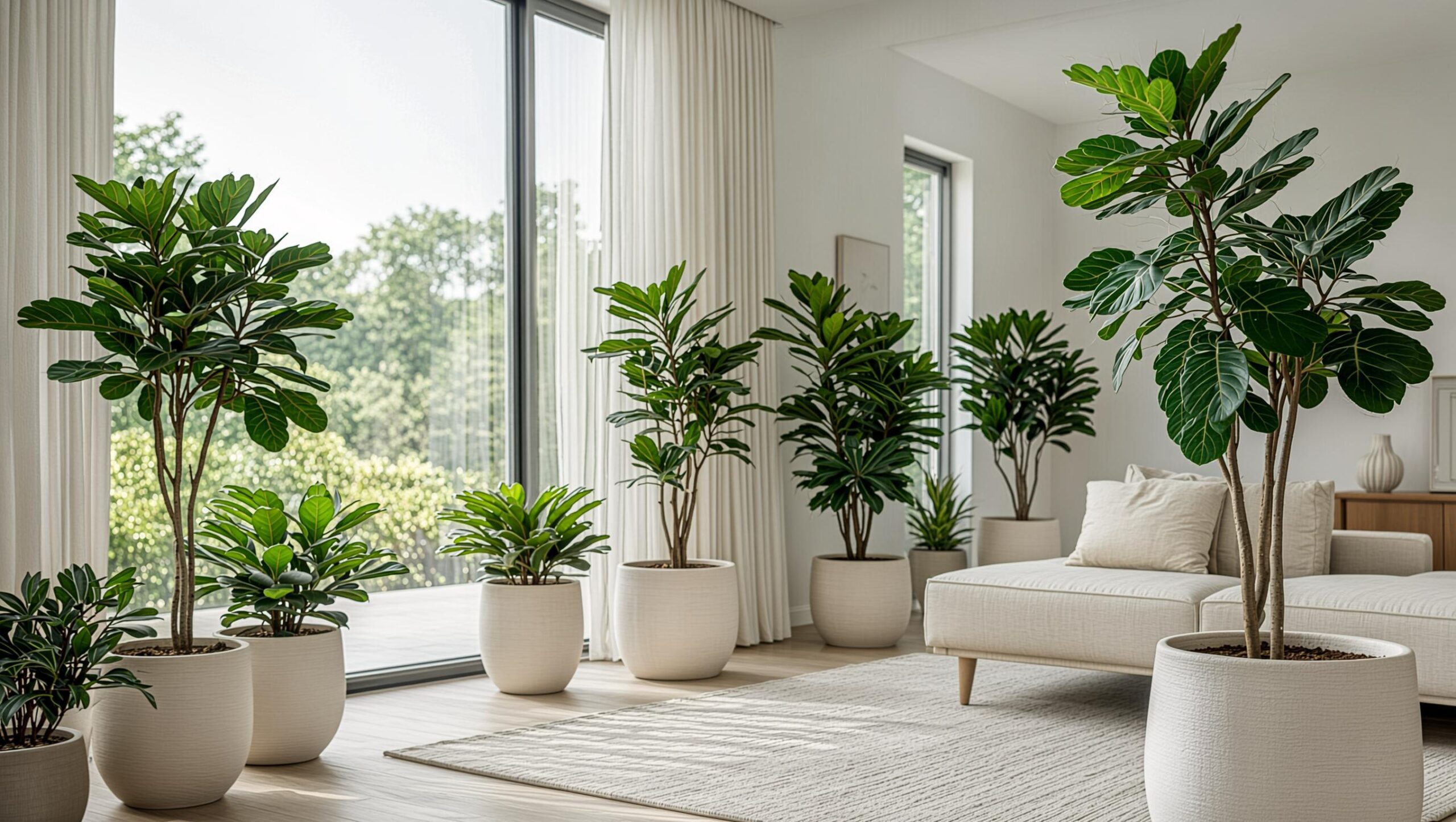
Light is the fuel that powers photosynthesis. Direct sunlight occurs when unobstructed solar rays strike leaf surfaces directly; while succulents and rubber trees appreciate brief morning sun, sensitive tropicals can suffer bleached foliar burns. Bright indirect light is found within three to five feet of an east-facing window or just beyond the reach of direct rays from a south- or west-facing window. When shopping for new plants locally, check out our guide on finding healthy houseplants near me at local nurseries to inspect plant vigor firsthand.
The Soak-and-Dry Watering Discipline
More indoor plants perish from overwatering than from drought. Overwatering does not mean providing too much water at once; it means watering too frequently, preventing atmospheric oxygen from penetrating root hair pores. Practice the soak-and-dry technique: allow the substrate to dry to the recommended depth, then drench the pot thoroughly with room-temperature water until moisture flows freely from the drainage holes. Discard pooled water from the saucer after twenty minutes.
Formulating an Aerated Potting Mix
Standard bagged potting soil is frequently too dense for indoor containers, leading to compaction and root rot. Formulate an open, macroporous substrate blend consisting of 50% peat moss or coconut coir, 30% coarse perlite or pumice, and 20% orchid bark fines. This open texture ensures optimal capillary moisture retention while facilitating gas exchange throughout the root zone, as recommended in horticultural bulletins from Iowa State University Extension on indoor plant care.
Dennis’s Advanced Troubleshooting
Through years of hands-on plant tending, I have resolved countless cultural dilemmas. Here are solutions to the five most common challenges home gardeners encounter.
1. Yellowing Lower Leaves with Soft Stems
What the symptom looks like: Lower, older leaves turn pale yellow, soften, and detach easily from the central stem while the soil remains wet.
Possible cause: Anaerobic root rot caused by chronic overwatering or non-draining containers.
How to identify the cause: Slide the plant out of its pot. Decayed roots appear brown or black, feel slimy, and emit a sour, marshy odor.
What to do: Prune away decayed root filaments with sterilized shears. Discard saturated soil, dust the healthy root ball with powdered cinnamon or sulfur, and repot into a porous, fresh soil mixture in a container with drainage holes.
How to prevent the problem: Always test soil moisture depth before adding water, and ensure saucers are emptied promptly.
2. Brown, Crispy Foliar Tips and Margins
What the symptom looks like: Leaf tips develop dry, papery brown edges that curl inward, particularly noticeable on peace lilies and spider plants.
Possible cause: Low ambient indoor humidity (below 40%), tap water containing excessive fluoride and chlorine, or accumulated fertilizer salts.
How to identify the cause: Check ambient room humidity with a hygrometer and look for white mineral crusting along the pot’s inner rim.
What to do: Trim away necrotic margins with clean scissors, leaving a tiny sliver of brown to protect live tissue. Flush the potting soil with captured rainwater or distilled water.
How to prevent the problem: Use a room humidifier during winter heating months and switch to filtered water for fluoride-sensitive species.
3. Stretched, Leggy Stems with Small Leaves
What the symptom looks like: Stems grow unusually long and thin, with excessive spacing between leaves (etiolation), and foliage looks pale.
Possible cause: Insufficient ambient light; the plant is expending its energy reserves searching for usable light.
How to identify the cause: Measure light levels using a smartphone light-meter app; readings below 75 foot-candles indicate insufficient illumination for vigorous growth.
What to do: Move the plant closer to an east- or south-facing window, or supplement with an LED grow light for 8 to 10 hours daily. Prune back weak, leggy stems to encourage bushier branching.
How to prevent the problem: Position plants in rooms with adequate natural ambient light.
4. Sudden Leaf Drop After Relocating a Plant
What the symptom looks like: Healthy green leaves suddenly drop off within a week of moving the plant to a new room or after bringing it home from a nursery.
Possible cause: Environmental relocation shock caused by abrupt changes in light intensity, temperature, or drafts, common in Ficus varieties.
How to identify the cause: Foliage drops while still green, and roots remain firm and healthy.
What to do: Keep the plant in its new location without further movement. Maintain consistent watering and avoid fertilizing until new leaf buds emerge.
How to prevent the problem: Acclimate plants gradually when changing locations and avoid placing pots near drafty heating or cooling vents.
5. Fine Silken Webbing and Pale Foliar Stippling
What the symptom looks like: Delicate webs span across leaf undersides and stem joints, accompanied by fine yellow stippling dots across leaf surfaces.
Possible cause: Spider mite infestation (Tetranychidae), thriving in warm, arid indoor air.
How to identify the cause: Tap foliage over a white sheet of paper; tiny specks that crawl slowly across the surface confirm mites.
What to do: Wash foliage thoroughly in a sink or shower to dislodge the colony. Apply insecticidal soap or cold-pressed neem oil to both sides of the leaves, repeating every five days for three weeks.
How to prevent the problem: Maintain indoor humidity above 50% and wipe leaves regularly with a damp cloth.
Seasonal Growth and Maintenance
Aligning your plant care routine with natural seasonal rhythms ensures balanced, steady development year-round.
Spring and Summer Vitality
As natural day length increases between March and September, indoor plants experience a surge of vegetative activity. Check soil moisture more frequently, as active photosynthesis and warmer indoor temperatures accelerate water consumption. Apply a balanced liquid houseplant fertilizer diluted to half strength once a month. Early spring is also the ideal window for repotting root-bound specimens into fresh potting mix.
Autumn and Winter Rest
From October through February, lower sun angles and shorter days slow metabolic processes. Reduce watering frequency significantly, allowing drought-tolerant varieties like snake plants and ZZ plants to dry out completely. Cease all fertilization, as forcing nutrients into resting root systems can cause chemical fertilizer burns. Protect foliage from cold windowpane contact and drafty exterior doors.
Master FAQ: Cultivating the Best Houseplants
Which houseplant is easiest for absolute beginners to keep alive?
The snake plant (Dracaena trifasciata) and the ZZ plant (Zamioculcas zamiifolia) are widely considered the two easiest houseplants for beginners. Both species possess specialized anatomical adaptations—such as thick, water-storing rhizomes and drought-resistant leaf cuticles—that enable them to endure weeks of neglected watering. They adapt gracefully to a broad spectrum of indoor light, from dim office corners to bright windowsills, and tolerate dry residential heating air without developing crispy foliar margins. By watering them sparingly only when their potting soil dries completely, even novice gardeners can enjoy healthy, thriving greenery with virtually zero stress.
How do I know when it is truly time to water my houseplants?
Rather than following a rigid weekly calendar schedule, determine watering timing by directly assessing substrate moisture depth. Insert a wooden skewer or your index finger two to three inches into the potting medium. If the skewer emerges with damp soil particles attached, moisture remains available in the root zone, and watering should be postponed. If the skewer emerges clean and dry, water the plant thoroughly until moisture drains freely from the bottom holes. Additionally, learn each plant’s subtle physical cues: peace lilies and pothos droop slightly when thirsty, while succulents develop minor foliar wrinkles when moisture reserves deplete.
What is the difference between direct sunlight and bright indirect light?
Direct sunlight occurs when unfiltered solar rays strike plant foliage directly without obstruction, creating intense heat and sharp shadows. While outdoor plants and desert cacti thrive in full sun, intense direct rays can scorch and bleach tender indoor tropical leaves. Bright indirect light refers to high-intensity ambient illumination where the plant receives abundant light without direct sunbeams hitting the leaves. This is typically found within three to five feet of an east-facing window, directly behind a sheer white curtain on a south-facing window, or in a sunlit room just beyond direct sunbeam paths.
Why do the leaves on my indoor plants collect dust, and should I clean them?
Indoor living spaces naturally generate airborne dust, pet dander, and cooking aerosols that settle on horizontal foliar surfaces. While outdoor greenery benefits from rain showers that wash away grime, indoor plants rely on home gardeners for foliage hygiene. A layer of dust blocks solar photons from penetrating the leaf epidermis, reducing photosynthetic efficiency by up to 25% and clogging stomatal pores. Clean broad leaves monthly using a soft microfiber cloth dampened with lukewarm water. Supporting each leaf with your palm while wiping gently removes dust without tearing delicate plant tissue.
How often should I repot my houseplants into larger containers?
Most young, actively growing houseplants require repotting every 12 to 18 months, while mature or slow-growing specimens like snake plants and ZZ plants can remain in the same container for two to three years. Key indicators that repotting is necessary include roots growing profusely out of drainage holes, water running straight through the pot without being absorbed, or the plant drying out unusually fast after watering. When repotting, select a new container only one to two inches wider in diameter than the current pot. Moving a plant into an excessively large pot holds surplus damp soil that can suffocate roots and promote rot.
What type of fertilizer is best for indoor foliage houseplants?
The best fertilizer for indoor foliage plants is a balanced, water-soluble liquid fertilizer with an N-P-K (nitrogen-phosphorus-potassium) ratio such as 3-1-2 or 10-10-10, supplemented with essential chelated micronutrients like iron, magnesium, and calcium. Liquid formulas allow precise dilution control, preventing accidental over-fertilization. Always dilute the fertilizer to one-quarter or one-half of the manufacturer’s recommended strength, and apply it only during active growth from spring through late summer. Never apply fertilizer to bone-dry substrate; always moisten the soil with plain water first to protect delicate root hairs from chemical salt burns.
Dennis P. Hansen
Dennis P. Hansen is a home gardener with a genuine passion for plants and the simple pleasure of growing them. He enjoys caring for houseplants, succulents, and other plants at home while continually learning from everyday gardening experiences. Dennis likes to share practical plant care tips, useful observations, and simple solutions that can help others grow healthier plants. He believes that caring for plants is a rewarding journey and that there is always something new to learn along the way.