
Palm Plant Indoor Survival Guide: What Most Beginners Get Totally Wrong


Table of Contents
Choosing the right palm for your space
Palm plants indoor come in various shapes, sizes, and leaf structures, making it crucial to choose the right one for your indoor environment. Consider factors such as light levels, humidity requirements, and space constraints when selecting a palm plant. Some popular choices include Areca Palm, Parlor Palm, and Majesty Palm.
Remember that different palm species have different care needs. Research each type thoroughly before making a decision. Take into account your ability to fulfill these requirements consistently to ensure the health and longevity of your chosen palm plant.
Opt for a palm plant that complements the aesthetic of your space. Whether you prefer a tropical vibe with large fronds or a more minimalist look with slender leaves, there is a palm variety that will enhance the beauty of your indoor oasis.
By choosing the right palm plant for your space, you set yourself up for success in creating a thriving indoor garden. The process of selecting the perfect palm can be not only fulfilling but also an exciting opportunity to explore different botanical options and infuse new life into your home décor.
Creating the perfect environment for your palm
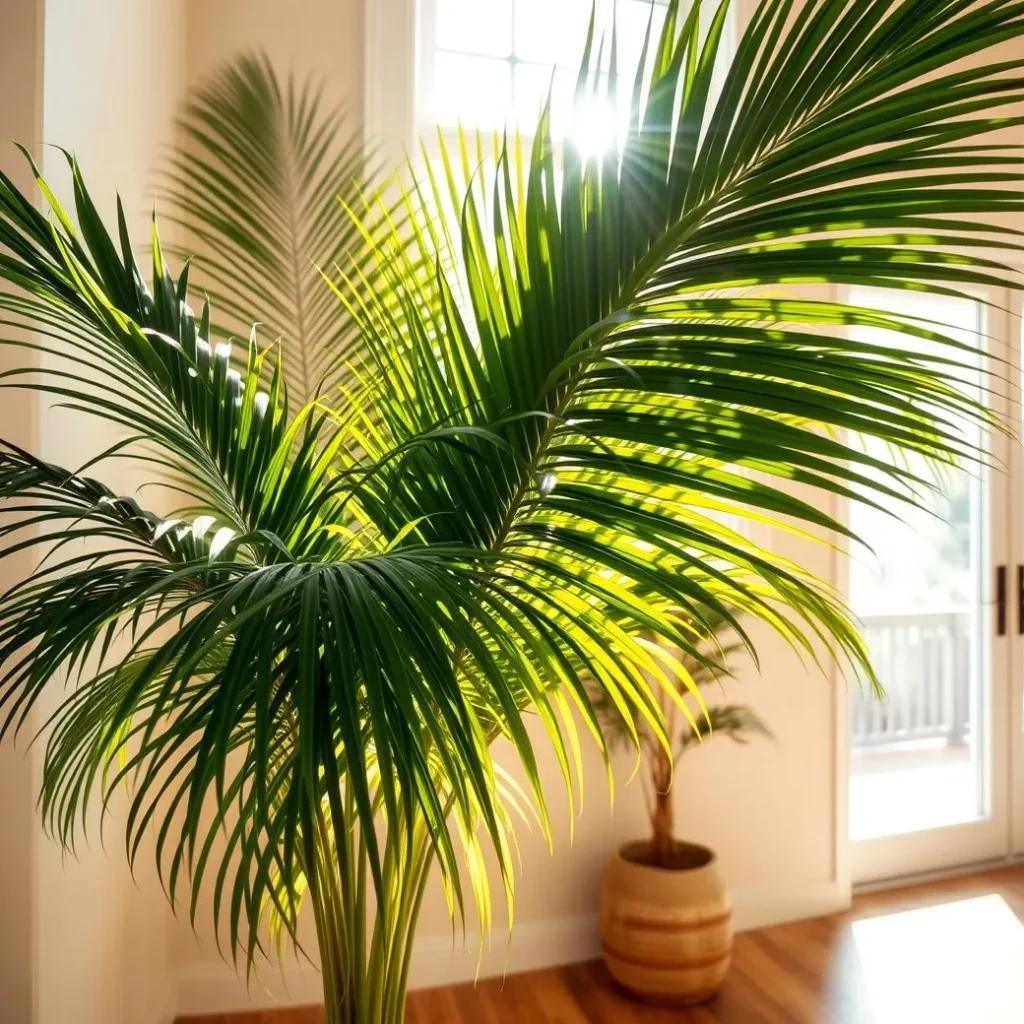
Palm plants thrive in environments that mimic their natural habitat—warm temperatures, bright indirect sunlight, and high humidity levels are key factors in creating an ideal setting for your indoor palms. Consider placing them near windows or using grow lights if natural light is limited in your space.
To maintain proper humidity levels around your palm plant, consider using a humidifier or placing a tray filled with water and pebbles nearby to increase moisture in the air. Regular misting can also help keep humidity levels stable, especially during dry winter months.
Avoid exposing palms to drafts or sudden temperature fluctuations, as they can be sensitive to these changes. Keep them away from air vents or doors that may cause rapid temperature shifts. Consistency in environmental conditions is essential for promoting optimal growth and overall health of your palm plant.
Creating an environment that mimics the tropics not only benefits your palms but also enhances the ambiance of your living space. Imagine transforming any room into a lush oasis where you can escape daily stresses while surrounded by greenery that flourishes under carefully curated conditions.
Watering and feeding your palm
The key to successfully caring for indoor palms lies in striking a balance between watering them adequately without overwatering or allowing them to dry out completely. Water thoroughly when the top inch of soil feels dry, but avoid letting it sit in waterlogged conditions, which can lead to root rot.
Consider using lukewarm filtered water when watering, as cold water may shock sensitive roots. Use well-draining soil mixtures specifically formulated for palms to prevent waterlogging while ensuring adequate nutrient uptake through regular fertilization during growing seasons.
Avoid fertilizing during winter months when growth slows down, resuming feeding once spring arrives with balanced liquid fertilizer diluted according to package instructions every 4-6 weeks throughout the growing season,” advises our expert horticulturist.
By mastering proper watering techniques and providing essential nutrients through fertilization at appropriate times, you set up favorable conditions for robust growth and vibrant foliage on your indoor palms—a rewarding experience as you witness their lush beauty flourishing under attentive care.
Troubleshooting common palm plant problems
No matter how diligent you are with care routines, accidents happen! Yellowing leaves? Browning tips? Drooping fronds? Worry not! These common issues often have simple solutions.
If leaves turn yellow, chances are it’s overwatered. Check drainage holes, ensure soil isn’t waterlogged, let roots breathe, move away from excessive wintery drafts.
Browning leaf tips signal underwatering. Promote hydration by deep soaking mist regularly, adjust the watering schedule based on seasonal shifts don’t forget humidity!
Drooping fronds usually indicate insufficient light. Relocate closer sunny window, consider supplemental grow lights, adjust distance, and monitor plant response. Flexibility is key!
In the hushed corners of our living spaces, where sunlight dances through frosted windows and greenery breathes life into the stillness, palm plants stand tall as guardians of tranquility. However, what most beginners don’t realize is that these elegant botanical beings demand more than just a decorative pot and occasional watering. Have you ever struggled to keep your indoor palm thriving despite your best efforts? Fear not, for this comprehensive guide will unveil the secrets to ensuring your palm plant not only survives but thrives in its cozy indoor abode.
Embark on a journey with us as we delve into the world of nurturing palm plants indoors, uncovering the common pitfalls that often befall novice plant parents. Discover how to create an oasis for your palm within the confines of your home, and learn the art of cultivating lush foliage that will breathe new life into your living space. With our expert tips and insights, you’ll soon be on your way to mastering the art of palm plant care, transforming your living environment into a sanctuary of verdant beauty.
The allure of palm plants
Palm plants have an undeniable charm that can instantly elevate any indoor space. Their lush, tropical appearance brings a touch of exotic beauty indoors, creating a serene and relaxing atmosphere. The graceful fronds and striking silhouettes of palm plants add a sense of sophistication and elegance to any room, making them a popular choice for interior decor.
One of the most appealing aspects of palm plants is their versatility. With over 2,500 different species to choose from, there is a palm plant to suit every taste and style. Whether you prefer the classic look of the Areca Palm or the architectural beauty of the Kentia Palm, there is a palm variety that will perfectly complement your home décor.
Aside from their aesthetic appeal, palm plants also offer numerous health benefits. They are natural air purifiers, helping to remove toxins and improve air quality in your home. The presence of palm plants has been shown to reduce stress levels and promote overall well-being, making them not just beautiful additions to your space but also beneficial for your health.
Furthermore, caring for palm plants can be a rewarding experience that fosters mindfulness and connection with nature. The act of nurturing these green companions can bring joy and fulfillment as you watch them thrive under your care. The allure of palm plants lies not just in their visual appeal but also in the sense of tranquility and happiness they can bring into your life.

Choosing the Right Palm for Your Space
When selecting a palm plant for your indoor space, consider the overall size of the plant at maturity. Some palms can grow quite tall and wide, while others remain compact. Think about how much space you have available and choose a palm variety that fits well within that space.
Another important factor to consider is the lighting conditions in your home. Different palm species have varying light requirements – some prefer bright, indirect light, while others can tolerate lower light levels. Assess the natural light levels in the room where you plan to place your palm plant and select a variety that matches those conditions.
Consider the humidity levels in your home as well. Most palm plants thrive in environments with higher humidity levels, so if you live in a drier climate or have low indoor humidity, you may need to supplement with a humidifier or misting to provide the optimal growing conditions for your palm.
Lastly, think about your own lifestyle and care routine. Some palms are more forgiving of irregular watering schedules or lapses in care, while others are more sensitive and require consistent attention. Choose a palm plant that aligns with your ability to provide proper care and maintenance for long-term success.
Creating the perfect environment for your palm
Palms are tropical plants that thrive in warm, humid environments. To create the perfect setting for your palm plant, aim for a room with bright, indirect sunlight. Avoid placing it in drafty areas or near heating vents. Maintaining a consistent temperature between 65-85°F (18-29°C) will help your palm flourish.
Palm plants require adequate humidity to thrive indoors, as most homes have drier air than they prefer. You can increase humidity levels by misting your palm regularly or placing it on a pebble tray filled with water. Consider investing in a humidifier to create an ideal moisture level for your plant.
Proper ventilation is crucial for palm plants as stagnant air can lead to issues like fungal infections or pest infestations. Ensure there is good air circulation around your plant by occasionally opening windows or using a fan on low speed nearby. This will mimic the gentle breezes palms enjoy in their natural habitat.
Another factor to consider when creating an optimal environment for your palm is soil quality. Palms prefer well-draining soil that retains some moisture but doesn’t become waterlogged. A mixture of peat moss, perlite, and sand works well for most indoor palm varieties, promoting healthy root growth and preventing root rot.
Watering and feeding your palm
Proper watering and feeding are crucial for the health and vitality of your indoor palm plant. Overwatering can lead to root rot, while under-watering can cause wilting and browning of the leaves. Finding the right balance is key to ensuring your palm thrives in its environment.
When it comes to watering, make sure that the soil is well-draining and never allow your palm to sit in water for an extended period. Water your plant when the top inch of soil feels dry to the touch. Use room-temperature water to avoid shocking the roots.
Feeding your palm plant with a balanced fertilizer during the growing season can help promote healthy growth and vibrant foliage. Choose a fertilizer specifically formulated for palms, following the instructions on the packaging carefully. Avoid over-fertilizing, as this can lead to nutrient buildup and damage to the plant.
Consider using organic fertilizers or slow-release fertilizers for a more sustainable approach to feeding your palm plant. These options provide nutrients gradually over time, reducing the risk of nutrient burn and allowing for steady growth without excessive flushing or leaching of nutrients.
Troubleshooting Common Palm Plant Problems
Yellowing Leaves:
Yellowing leaves on your palm plant can indicate various issues, including overwatering, nutrient deficiencies, or inadequate light. To address this problem, first assess your watering routine and adjust as needed. Consider fertilizing with a balanced fertilizer to provide essential nutrients. Additionally, ensure your palm is receiving adequate sunlight to promote healthy growth.
Brown Tips on Leaves:
Browning tips on palm leaves are often a sign of dry air or inconsistent watering. Increase humidity around your plant by misting its foliage regularly or placing a humidity tray nearby. Check the moisture levels in the soil consistently and water when the top inch feels dry to the touch. Trim any severely browned tips for aesthetic purposes.
Pest Infestation:
Common pests that affect palm plants include spider mites, mealybugs, and aphids. To combat these invaders, gently wipe down the leaves with a neem oil solution or insecticidal soap. For severe infestations, isolate the plant to prevent spreading to other indoor greenery. Regularly inspect your palm for early signs of pest activity.
Fungal Diseases:
Fungal infections can manifest as leaf spots or powdery mildew on palm plants due to excessive moisture and poor air circulation. Improve ventilation around your plant by trimming overcrowded foliage and ensuring proper spacing between plants. Avoid overhead watering and consider using a fungicide if symptoms persist despite environmental adjustments.
Pruning and caring for your palm
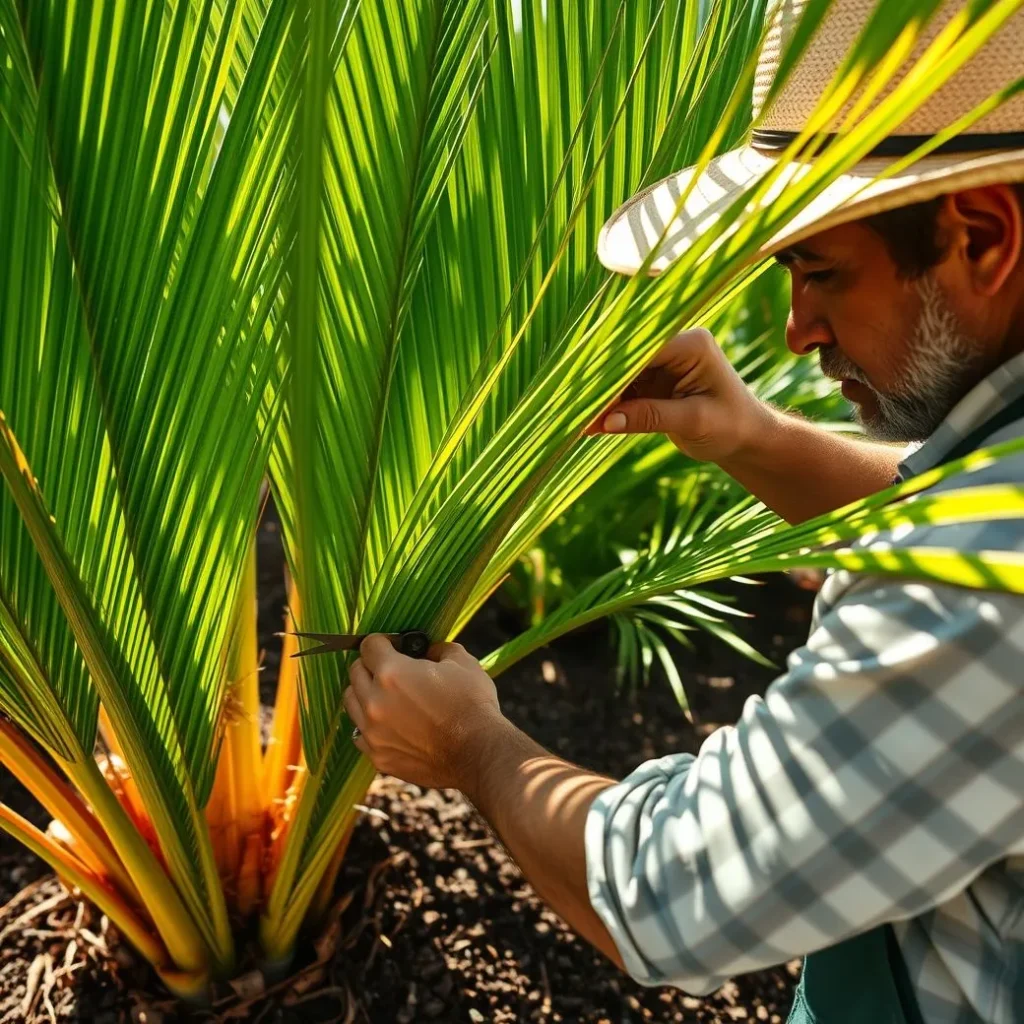
Proper pruning techniques: When it comes to pruning your palm plant, less is more. Only remove dead or damaged fronds to maintain the health and aesthetic appeal of the plant. Trim close to the trunk without injuring it to promote new growth and prevent disease.
Fertilizing for vitality: Palms require specific nutrients for optimal growth. Use a balanced fertilizer designed for palms, following the instructions carefully. Over-fertilizing can harm your plant, so aim for moderation. Regular feeding will keep your palm vibrant and resilient.
Keeping an eye out for pests: Common pests that may affect palm plants include spider mites, scale insects, and mealybugs. Regularly inspect both sides of the leaves and stems for any signs of infestation. Treat promptly with insecticidal soap or neem oil to protect your beloved plant.
TLC goes a long way: Show love to your palm by regularly dusting its leaves with a damp cloth to keep them clean and allow proper light absorption. Rotate the plant occasionally to ensure even growth on all sides. Your attention to detail will be rewarded with a flourishing, majestic palm in your indoor oasis.
Propagating your palm plant
Utilizing Offsets: Propagating your palm plant through offsets, also known as pups, is a simple and effective method. Gently separate the offset from the mother plant, ensuring it has some roots attached. Plant it in a well-draining potting mix and keep it moist but not waterlogged.
Seed Propagation: For those seeking a more challenging but rewarding propagation method, consider growing your palm plant from seeds. Harvest fresh seeds from your existing palm, soak them in warm water for a day or two, then plant them in a mix of peat and perlite. Keep the soil consistently moist and watch for germination.
Air Layering Technique: This advanced propagation technique involves creating roots on a mature stem while still attached to the mother plant. Make an incision on the stem and pack it with sphagnum moss to encourage root growth. Once roots have developed, carefully detach the new plant and pot it separately.
Palm Leaf Cuttings: Another method for propagating your palm plant is through leaf cuttings. Choose a healthy leaf with some stem attached, dip the cut end in rooting hormone, then place it in a container with moist soil. With proper care and attention to humidity levels, new roots should develop within weeks.
Decorating with Palm Plants
Palm plants not only bring a touch of tropical elegance to your indoor space but also offer numerous opportunities for creative decoration. One popular way to incorporate palm plants into your decor is by using them as centerpieces. Placing a lush, vibrant palm plant in a decorative pot on your dining table or coffee table can instantly elevate the ambiance of the room.
Another creative way to decorate with palm plants is by creating a green oasis in an unused corner of your home. By grouping several different varieties of palms together and adding some colorful accents like pebbles or decorative rocks, you can transform a neglected space into a vibrant focal point that adds life and energy to the room.
If you’re looking for a more dramatic flair, consider using palm plants as statement pieces in your decor. Large palms like the Areca Palm or Kentia Palm can serve as striking focal points in any room, drawing the eye and adding a sense of grandeur. Pairing these majestic palms with minimalist furniture and neutral colors can create a modern, sophisticated look that exudes luxury.
For those who prefer a more subtle approach, smaller varieties of palm plants like the Parlor Palm or Ponytail Palm are perfect for adding touches of greenery to shelves, mantels, or desks. Their compact size makes them versatile for decorating small spaces while still bringing in the calming presence of nature.
Conclusion
As we wrap up our journey through the intricacies of caring for palm plants indoors, remember that tending to these tropical beauties is a practice in patience, observation, and love. Embracing the challenges of nurturing your palm plant will not only result in lush greenery but also foster a deeper connection with nature and the cycle of growth and rejuvenation. So, as you embark on your indoor gardening adventures, let the presence of your palms remind you to slow down, breathe deeply, and appreciate the beauty of growth unfolding right before your eyes.
Dennis P. Hansen
Dennis P. Hansen is a home gardener with a genuine passion for plants and the simple pleasure of growing them. He enjoys caring for houseplants, succulents, and other plants at home while continually learning from everyday gardening experiences. Dennis likes to share practical plant care tips, useful observations, and simple solutions that can help others grow healthier plants. He believes that caring for plants is a rewarding journey and that there is always something new to learn along the way.