
How to Grow Aloe Vera Plant Flower at Home


Table of Contents
Introduction
Ever wondered what it takes to get an aloe vera plant flower to bloom? You’re not alone. While aloe vera is a favorite among indoor and outdoor gardeners for its easy care and healing gel, seeing it flower is a rarer, more rewarding experience. And here’s the good news—it’s totally possible to make your aloe bloom at home, even if you’re just starting out.
So why do so many people struggle with it? The answer often lies in missing just a few critical care details. Whether your aloe vera lives on a sunny windowsill or thrives outdoors in a container, encouraging that beautiful, tall flower spike comes down to the right balance of light, temperature, and stress (yes, stress—more on that later).
In this post, we’ll break down everything you need to know about how to grow aloe vera plant flowers at home. From understanding the plant’s natural blooming cycle to the exact conditions that trigger flowering, you’ll get actionable tips backed by plant science and hands-on experience. Let’s get your aloe from green and growing… to blooming and glowing.
Understanding the Aloe Vera Flower – What Makes It Bloom?
If you’ve ever owned an aloe vera plant, you’ve likely admired its thick, fleshy leaves. But did you know that under the right conditions, your aloe can produce a striking, tubular flower? Yep—aloe vera doesn’t just sit pretty on the windowsill; it can actually bloom, and it’s quite the sight.
But what triggers this transformation from green to glorious? Let’s dig into what you need to know about the aloe vera plant flower and what really encourages it to blossom.
What Does an Aloe Vera Flower Look Like?
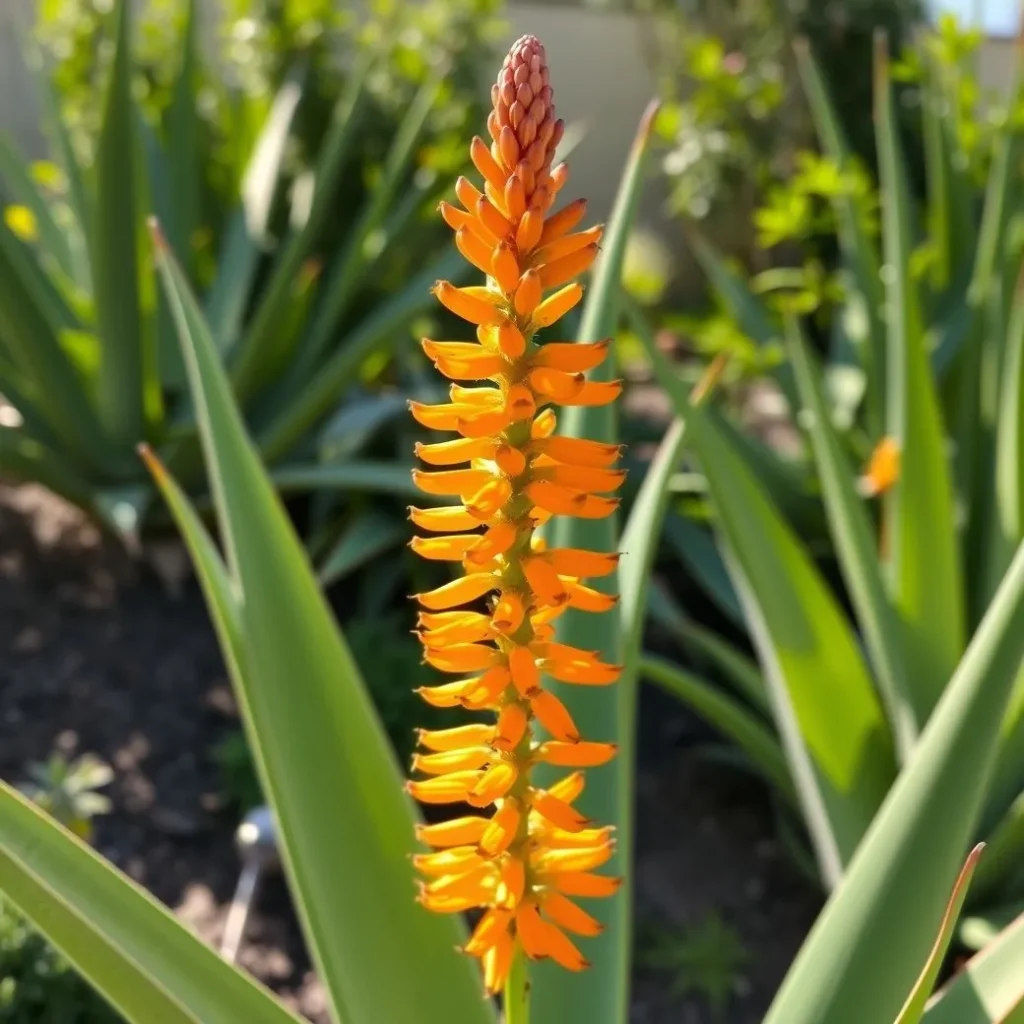
The aloe vera flower grows on a tall, slender stalk (called an inflorescence) that shoots up from the center of the plant. The blooms are typically:
- Yellow, orange, or red (depending on the variety)
- Tubular-shaped and about 1–2 inches long
- Arranged in clusters on the stalk
This dramatic stalk can grow up to 3 feet tall in mature plants, giving your succulent some serious bragging rights.
Why Isn’t Your Aloe Flowering?
If you’ve had your aloe plant for a while but still haven’t seen a single bloom, don’t worry—you’re not doing anything wrong. Aloe vera flowers under very specific conditions, most often in the wild or in gardens with near-perfect care.
Here are a few common reasons why your aloe vera plant might not be flowering:
- It’s too young – Aloe plants typically need to be 3–4 years old before they bloom.
- Lack of sunlight – Aloe vera thrives in full sun. Without enough light, flowering won’t happen.
- No seasonal stress – Surprisingly, slight environmental stress (like cooler winter temps) can help trigger flowering.
- Wrong pot or soil – Crowded roots or poorly-drained soil can hold your plant back.
When Does Aloe Vera Bloom?
In its natural habitat, aloe vera flowers in late winter to early spring. The flowering window can vary depending on:
- Climate
- Location (indoors vs. outdoors)
- Light and care routine
So, if you’re aiming to see those blooms, you’ll want to sync your care with its natural growth cycle.
Pro Tip: While flowering isn’t necessary for aloe to thrive, it’s a sign your plant is truly happy. It also gives you a chance to collect seeds—perfect for propagation and expanding your aloe family!
How to Encourage Your Aloe Vera to Flower at Home
So you’ve got a healthy aloe vera plant and you’re dreaming of seeing that tall flowering stalk rise from the center—awesome goal! But here’s the deal: while aloe vera plants are relatively easy to grow, getting them to bloom at home is a bit of a challenge. The good news? It’s totally doable with the right strategy and some plant-loving patience.
Let’s walk through how to give your aloe vera plant flower the best shot at blooming beautifully.
1. Sunlight: The 1 Factor for Flowering
Aloe vera is a sun worshipper. Without adequate light, your plant simply won’t have the energy to produce flowers.
Give your plant at least 6–8 hours of sunlight daily.
- Place it on a south- or west-facing window if indoors.
- If you’re growing it outside, pick a spot with full sun exposure.
- In low-light homes, use a grow light designed for succulents.
Bonus tip: Mimicking natural light cycles helps trigger flowering in mature aloe plants, especially in winter and early spring.
2. Temperature & Stress: Let Nature Work Its Magic
Did you know that slight environmental stress can encourage aloe to bloom?
Here’s what works:
- Keep your plant in a cooler (but not freezing) space during winter—around 55°F to 60°F (13°C to 16°C).
- Don’t overwater during this time. Let the soil dry out completely between waterings.
This “winter rest period” mimics the aloe’s natural environment and helps trigger the growth of a flower stalk when spring returns.
3. Soil & Potting: Set the Roots Free
Poor soil or cramped roots can stifle your aloe’s potential to flower.
Follow these potting tips:
- Use well-draining cactus or succulent soil.
- Choose a terra cotta pot with drainage holes—it helps regulate moisture.
- Repot your aloe every 2–3 years to avoid root crowding and refresh nutrients.
🪴 Remember: Healthy roots = healthy blooms.
4. Feeding Aloe: The Right Fertilizer at the Right Time
Aloe vera doesn’t need much food, but a little boost during the growing season can go a long way.
Here’s a simple feeding plan:
- Use a balanced liquid fertilizer (10-40-10) or one designed for blooming succulents.
- Dilute it to half strength and apply once a month during spring and summer.
- Avoid fertilizing in winter—let your plant rest.
Too much nitrogen? That’s a bloom-blocker. It’ll promote leaf growth instead of flowers.
5. Patience: The Final Ingredient
Even with perfect care, aloe vera takes time to flower. Most plants need to be 3–5 years old before they’ll even think about blooming. So don’t be discouraged—focus on overall plant health, and your reward will come.
Quick Checklist: How to Get Your Aloe Vera to Flower
- 6–8 hours of full sun
- Cool winter temperatures
- Infrequent, deep watering
- Well-draining soil and proper pot
- Bloom-boosting fertilizer (in moderation)
- Plenty of patience
With the right conditions, your aloe vera might just surprise you with a beautiful bloom. And once it does? Trust us—you’ll never look at your little green healer the same way again.
Common Reasons Your Aloe Vera Isn’t Flowering (And How to Fix Them)
Ever feel like you’ve done everything right and your aloe still won’t bloom? You’re not alone. Aloe vera plants are known for being low-maintenance, but coaxing out those aloe vera flowers can be surprisingly tricky. If your plant looks healthy but still refuses to send up that tall, colorful bloom stalk, it’s time to troubleshoot.
Let’s dig into the most common reasons your aloe vera is not flowering—and what you can do about it.
1. Insufficient Sunlight
This is the number one culprit. Without enough light, your aloe just won’t have the energy to produce flowers.
Symptoms:
- Pale green or leggy leaves
- Slow growth
- No signs of budding even in spring or summer
What to do:
- Move your plant to a bright, south-facing window.
- If sunlight is limited, add a full-spectrum grow light.
- Outdoors? Make sure it’s in full sun for at least 6–8 hours.
2. No Winter Rest Period
Flowering aloe needs a rest phase during the colder months to trigger blooming. If your plant stays warm and well-watered year-round, it won’t know when to flower.
Fix it:
- In late fall, move the plant to a cooler room (55°F–60°F).
- Cut back watering to once a month or less.
- Avoid fertilizing during winter.
This simulated “dormancy” helps cue flowering when the seasons shift.
3. Overcrowded or Poor Soil Conditions
If your aloe is root-bound or sitting in dense, soggy soil, that’s a bloom-blocker.
Watch for:
- Water sitting at the surface
- Brown leaf tips
- Mushy lower leaves
Your action plan:
- Repot using a cactus or succulent mix.
- Ensure your pot has drainage holes.
- Repot every 2–3 years to refresh soil and give roots room to breathe.
4. Overwatering (or Underwatering)
Finding the right balance is key.
Overwatering = root rot.
Underwatering = stress that halts blooming.
Tips to balance moisture:
- Water only when the soil is 100% dry.
- Use the “finger test” or a moisture meter.
- Water deeply, but infrequently.
5. Immaturity: Your Plant’s Just Too Young
Here’s a truth bomb: even the best care won’t force a young aloe to bloom.
Most aloe plants flower when they’re at least 3–4 years old. If yours is still a baby, focus on keeping it healthy and growing strong.
Quick Recap: Why Aloe Vera Isn’t Blooming
- Not enough sunlight
- Skipped the winter cool-down
- Soil is too dense or roots are crowded
- Watering habits are off
- Plant is still immature
By identifying these common roadblocks, you’re already ahead. With some tweaks and a little patience, you can create the perfect environment for those elusive aloe vera plant flowers to finally appear.
Section 4: How to Make Your Aloe Vera Flower Indoors – Proven Tips That Work
Ever stared at your aloe vera plant and thought, “Why won’t you bloom already?” You’re not alone. Getting an aloe vera plant to flower indoors is no small feat—but it’s absolutely possible with the right care, patience, and a little strategy.
Let’s break down exactly how to encourage your aloe vera to bloom, even if it’s sitting on your kitchen windowsill.
1. Max Out the Sunlight
Light is non-negotiable. Aloe vera thrives in bright, direct sunlight. Without it, flowering just won’t happen.
What to do:
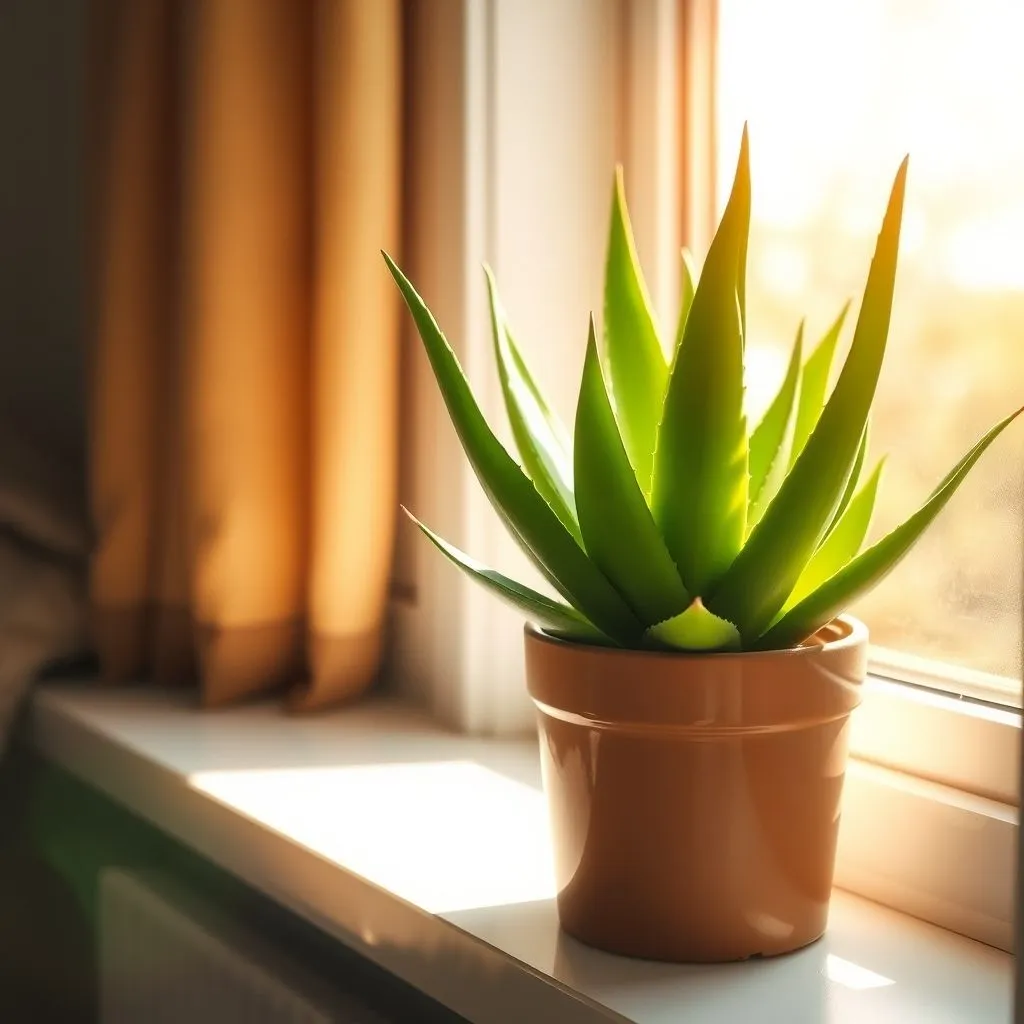
- Place your aloe in a south-facing window where it gets 6–8 hours of direct sunlight daily.
- Supplement with a grow light if your home lacks natural brightness.
Pro Tip: Rotate your plant weekly so all sides get equal exposure—this prevents leaning and encourages strong central growth.
2. Recreate Desert Temperatures
Did you know that cool winter nights help trigger the flowering process? Aloe vera naturally blooms in late winter or early spring in the wild, when days are warm and nights are cooler.
What to do:
- In winter, keep your plant in a room that drops to 50–55°F (10–13°C) at night.
- Avoid placing it near heat vents or drafty windows.
3. Don’t Overwater—Let It “Stress” a Little
It might sound strange, but a slightly stressed aloe vera is more likely to flower. Watering too frequently creates lush growth—but not blooms.
What to do:
- Water only when the soil is completely dry, roughly every 2–3 weeks.
- Use a fast-draining succulent soil mix and a pot with good drainage holes.
Avoid letting the roots sit in water—this causes rot, not flowers.
4. Use the Right Pot and Soil Mix
Your aloe needs enough room to stretch out. If it’s rootbound, it won’t put energy into flowering.
What to do:
- Repot your aloe every 2–3 years in a terra-cotta or breathable pot.
- Choose a cactus/succulent mix with sand, perlite, or pumice for proper drainage.
5. Age Matters—Is Your Aloe Mature Enough?
This might be the most overlooked reason your aloe isn’t blooming: it’s too young.
Flowering typically starts when the plant is 3–4 years old (or older).
What to do:
- If your plant is small or recently propagated, give it time.
- Focus on healthy growth and consistent care—flowers will follow.
6. Feed It—But Not Too Much
Overfertilizing can harm your aloe, but a bit of nutrition can kickstart the bloom cycle.
What to do:
- Use a balanced, diluted cactus fertilizer once a month during the growing season (spring to early fall).
- Avoid high-nitrogen fertilizers—they promote leaf growth, not flowers.
Quick Checklist: Your Aloe Vera Flowering Formula
Want a fast reference? Here’s your blooming blueprint:
Bright direct sunlight (6–8 hrs/day)
Cool nighttime temperatures (50–55°F) in winter
Minimal, deep watering
Well-draining soil
Mature plant (3+ years)
Monthly fertilizer in growing season
A Final Thought: Patience Is Part of the Process
Trying to make an aloe vera flower indoors isn’t about doing one thing right—it’s about creating an environment that mimics nature just enough to say: Hey, it’s safe to bloom here.
So hang in there. With the right care, a little seasonal “stress,” and a whole lot of sunlight, your aloe just might surprise you with a stunning bloom.
When Does Aloe Vera Flower – Timing, Triggers, and What to Expect
Ever wondered when your aloe vera plant will actually bloom? You’re not alone. Many indoor gardeners care for aloe for years without ever seeing that tall, elegant flower spike. So, let’s get real: when does aloe vera flower, and what can you do to catch it in action?
The Blooming Season: Nature’s Clock
Aloe vera typically flowers once a year, but only under the right conditions—and not always like clockwork.
Here’s what you need to know about when aloe vera flowers:
- Season: Late winter to early spring (February to April in most regions)
- Environment: Naturally, aloe blooms in desert climates after a period of cool temperatures
- Indoor plants: Less predictable, but you can mimic outdoor cues to trigger flowering
“Can I make my aloe flower sooner?” Possibly—but only if the plant is mature and all conditions are ideal (see Section 4 for bloom-boosting tips!).
Aloe Flowering Timeline – What to Expect
If your aloe is healthy and mature, here’s a rough idea of what flowering might look like on your indoor calendar:
| Month | What’s Happening |
|---|---|
| October–December | Aloe goes semi-dormant; reduce watering |
| January–February | Cooler nights signal blooming conditions begin |
| March–April | If successful, a tall flower stalk begins to emerge |
| May–June | Flowering continues for a few weeks, then fades |
Pro Insight: A flower spike can take weeks to grow and may reach up to 3 feet tall! It’s a slow process—but one worth waiting for.
Signs That Aloe Vera Is About to Flower
Want to spot blooming early? Look for these clues:
- A central flower stalk (inflorescence) begins to emerge
- Growth appears more upright and centralized
- You may notice less new leaf growth as energy shifts to blooming
Once the flowers open, they’ll form small tubular yellow to orange blossoms—often loved by pollinators in outdoor settings.
What Delays or Prevents Flowering?
Even a healthy plant can refuse to bloom if key needs aren’t met. Let’s review what might be holding yours back:
1. Immaturity
Your aloe should be at least 3–4 years old before it even thinks about blooming.
2. Inadequate Light
Without 6–8 hours of sunlight per day (or a grow light), flowering is unlikely.
3. Wrong Seasonal Cues
If temperatures stay warm year-round indoors, aloe doesn’t get the signal to bloom.
4. Overwatering
Too much water leads to stress, rot, and a lack of flower spikes.
Final Thought: A Bloom Is a Bonus, Not a Requirement
Remember: Aloe vera’s beauty and benefits go far beyond its flower. If you’ve never seen your plant bloom, don’t worry—it’s not a failure. In fact, many aloe lovers go years without a flower but still enjoy lush, healing leaves and beautiful rosettes.
So ask yourself:
Are you growing aloe just to see a bloom—or because you love the journey of nurturing something naturally amazing?
The flower is the cherry on top, and with the right conditions, you just might wake up one morning and see it rise like a desert sunrise.
Section 6: How to Care for Aloe Vera Flower – After It Blooms
So, your aloe vera has finally bloomed—congrats! But now what? What do you actually do after the flower appears? If you’re not sure how to care for aloe vera flower once it’s bloomed, don’t worry—we’ve got you covered. This stage is just as important as all the effort you put into getting the bloom in the first place.
Let’s walk through how to care for aloe vera after it flowers, ensuring your plant stays healthy and keeps thriving year-round.
Post-Bloom Care: What Happens to the Aloe Flower?
Once the aloe vera flower finishes blooming, it begins to dry up and die back. This is totally normal. But ignoring it can sap energy from the rest of the plant.
Here’s what you should do:
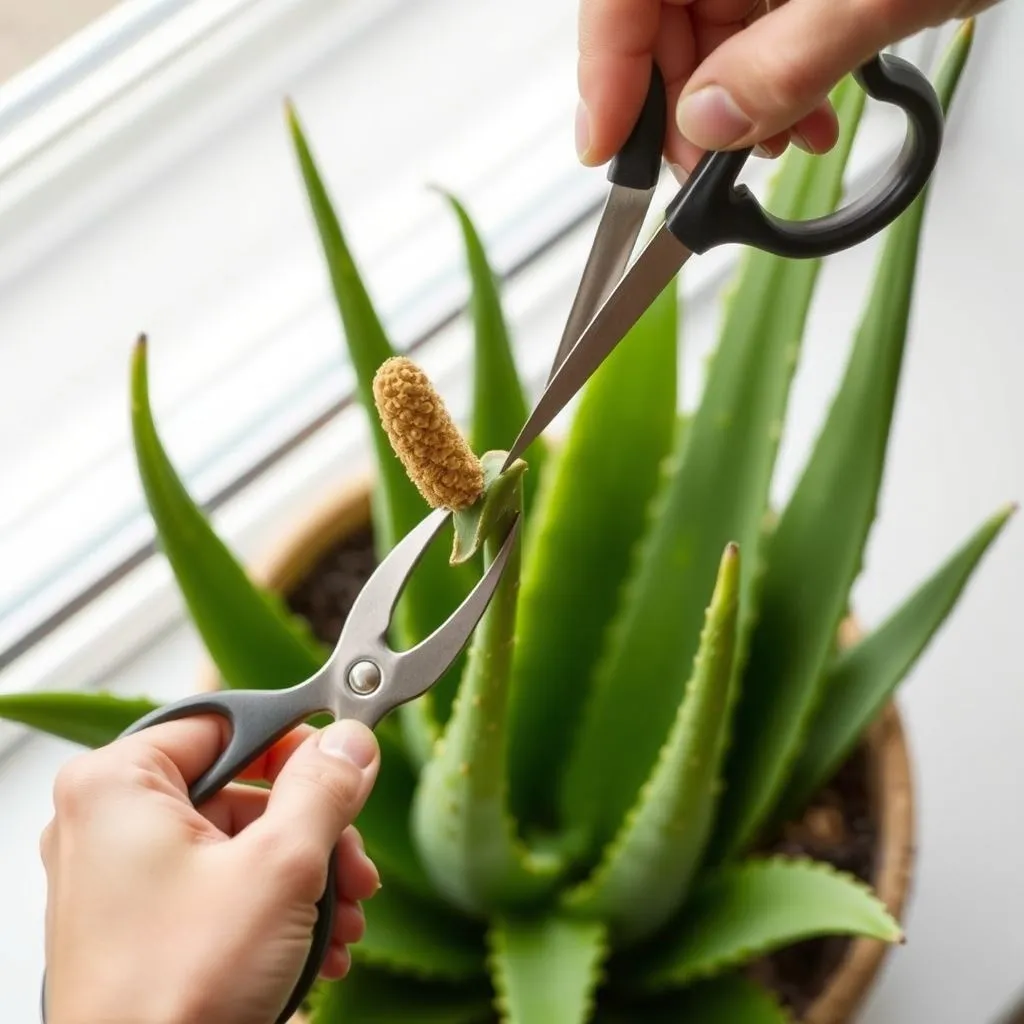
- Trim the flower stalk: Once it begins turning brown and dries out, cut the stalk at the base with sterilized scissors or pruners.
- Clean the area: Gently remove any fallen petals or debris from the soil to avoid mold or pests.
- Check for stress: Flowering takes a lot of energy. Your plant might look a little “tired” for a week or two—totally fine!
Ongoing Aloe Vera Plant Care After Blooming
The flowering process is a big milestone, but now’s the time to focus on recovery. Your aloe deserves a little post-bloom TLC.
Here’s how to support it:
1. Adjust Watering
- Resume your regular watering schedule (usually every 2–3 weeks depending on climate).
- Make sure the soil dries out fully between waterings.
2. Ensure Bright, Indirect Light
- Keep your aloe in a sunny windowsill or under a grow light for 6+ hours a day.
- Avoid intense midday sun if your aloe was stressed during blooming.
3. Fertilize Moderately
- Use a diluted cactus or succulent fertilizer once a month during the growing season.
- Avoid fertilizing during winter dormancy.
4. Watch for New Growth
- You may notice new leaves forming at the base—a good sign!
- Some plants also produce “pups” or offshoots after blooming.
Tip: You can propagate these pups to grow new aloe vera plants—more on that in the next section!
Should I Worry if the Flower Didn’t Open Fully?
Sometimes aloe flowers only partially open, or the stalk forms but doesn’t fully bloom. This could be due to:
- Sudden temperature drops
- Lack of light
- Overwatering during flowering
- A young or stressed plant
Don’t panic. Even without a full bloom, it’s still an achievement that your aloe tried to flower!
Aloe Vera Flower: A Cycle Worth Repeating?
With good post-bloom care, your aloe can flower again in the next growing season—but only if you maintain strong year-round plant health.
So take a step back and ask yourself:
Are you giving your aloe the environment it needs not just to survive—but to bloom again?
Because one flowering season isn’t the end—it’s just the beginning of your aloe’s natural rhythm.
Conclusion:
As we wrap up this journey into the fascinating world of the aloe vera plant flower, you might be wondering: is it really worth the effort to encourage your aloe to bloom? The answer is a resounding yes. Seeing that tall, vibrant flower spike emerge is not just a sign of a healthy, thriving plant—it’s a rewarding milestone that reflects your dedication and care.
You’ve learned that factors like sunlight, proper watering, temperature, and patience play crucial roles in coaxing your aloe vera to flower. And while it may take time—sometimes years—remember that every stage of growth brings its own beauty and satisfaction. Whether you’re nurturing a young plant or patiently waiting for a mature aloe to show its floral glory, each step deepens your connection to nature and the art of plant care.
So, what’s next for your aloe vera? Will you adjust your routine to boost those blooming chances? Or maybe you’ll simply savor the lush, healing leaves while keeping an eye out for the first sign of that stunning flower stalk. Whatever your path, know that caring for aloe vera is as much about the journey as the bloom itself.
Have you tried growing aloe vera flowers before? What’s worked (or not) for you? Share your experiences and questions—let’s keep the conversation growing. After all, the best gardeners are those who never stop learning and experimenting.
Keep nurturing, stay curious, and enjoy every vibrant moment your aloe vera plant brings to your home
Dennis P. Hansen
Dennis P. Hansen is a home gardener with a genuine passion for plants and the simple pleasure of growing them. He enjoys caring for houseplants, succulents, and other plants at home while continually learning from everyday gardening experiences. Dennis likes to share practical plant care tips, useful observations, and simple solutions that can help others grow healthier plants. He believes that caring for plants is a rewarding journey and that there is always something new to learn along the way.