
Houseplant Tree: 7 Proven Secrets for a Stunning Home

Bringing an indoor tree into your living space changes the atmosphere of your home in an instant. A leafy houseplant tree creates natural architecture, softens hard drywall angles, and introduces a sense of permanent greenery that smaller tabletop potted plants simply cannot match. When I first carried a five-foot specimen into my living room twenty years ago, I realized quickly that managing vertical foliage indoors requires a different set of hands-on skills than tending to small succulents or trailing vines. You are dealing with woody stems, heavier soil masses, distinct canopy airflow patterns, and root systems that must support considerable top-heavy weight.
Every indoor gardener dreams of growing a lush, architectural houseplant tree that reaches gracefully toward the ceiling without shedding half its canopy each winter. Achieving that goal does not require mystical luck or greenhouse equipment. It comes down to understanding how light moves across your rooms, managing moisture through deep root balls, shaping growth with confident pruning cuts, and choosing the right species for your particular indoor microclimate. In this complete guide, I will share the exact practical routines I use to keep my indoor trees vigorous, sturdy, and thriving year after year.
1. Choosing the Right Houseplant Tree for Your Living Space
The first step toward lasting success is selecting a tree species whose natural growth habits align with the physical realities of your home. Many beginners bring home a stunning tropical specimen on impulse, only to find that their room lacks the high-intensity sunlight or generous humidity that the plant demands. Before buying, evaluate ceiling height, distance from heat registers, floor clearance, and daily light hours.
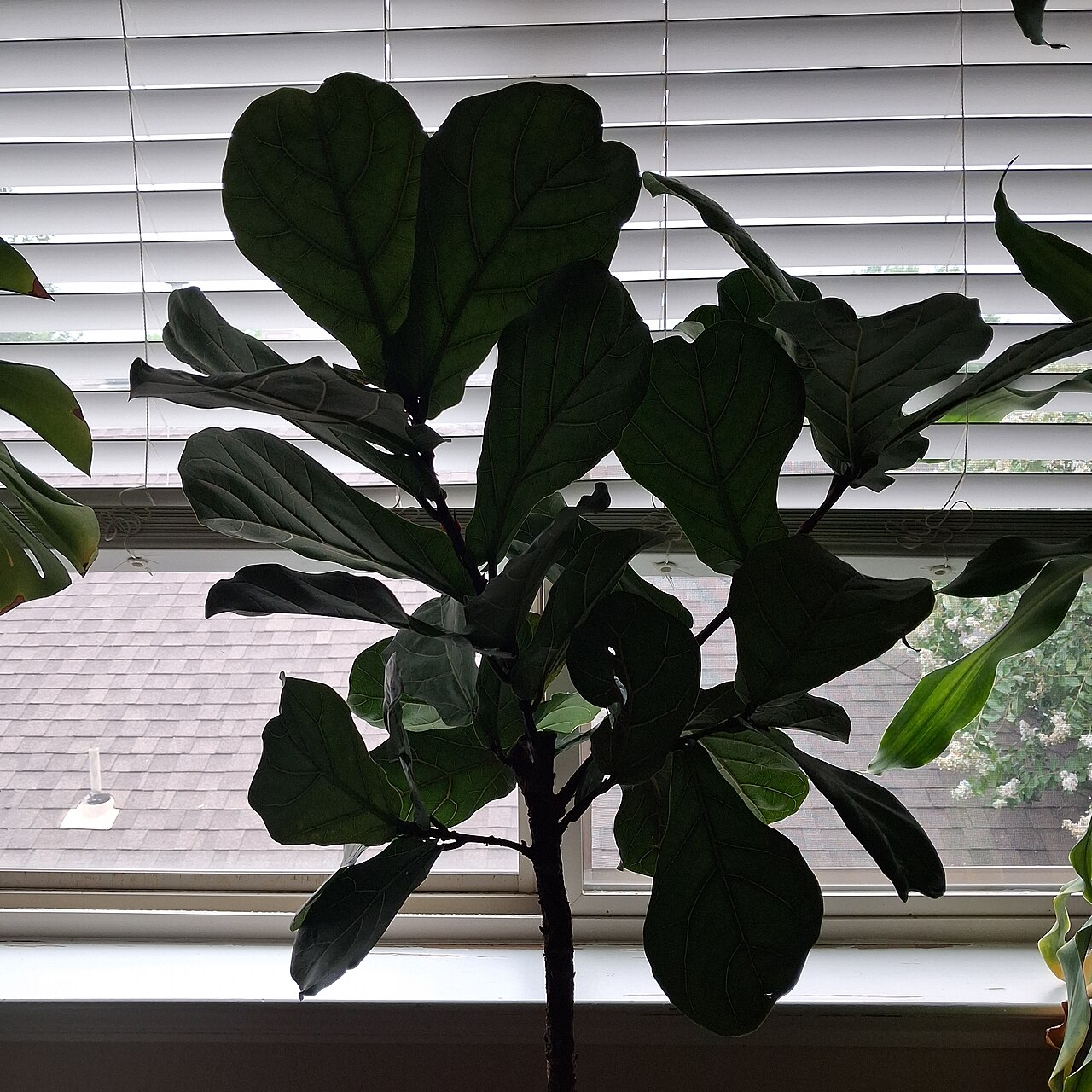
Ficus species remain the most popular indoor trees for good reason. Ficus lyrata, commonly known as the fiddle leaf fig, offers enormous violin-shaped foliage that creates an unforgettable design statement. It demands bright, filtered light and despises sudden drafts or temperature fluctuations. Ficus elastica, the rubber tree, provides thick glossy leaves in deep burgundy or dark green shades. Rubber trees are far more forgiving of occasional neglect and adapt well to moderate light levels. Another dependable choice is Ficus benjamina, the weeping fig, prized for its dense arching canopy of fine leaves, though it is known to drop foliage if moved abruptly between rooms.
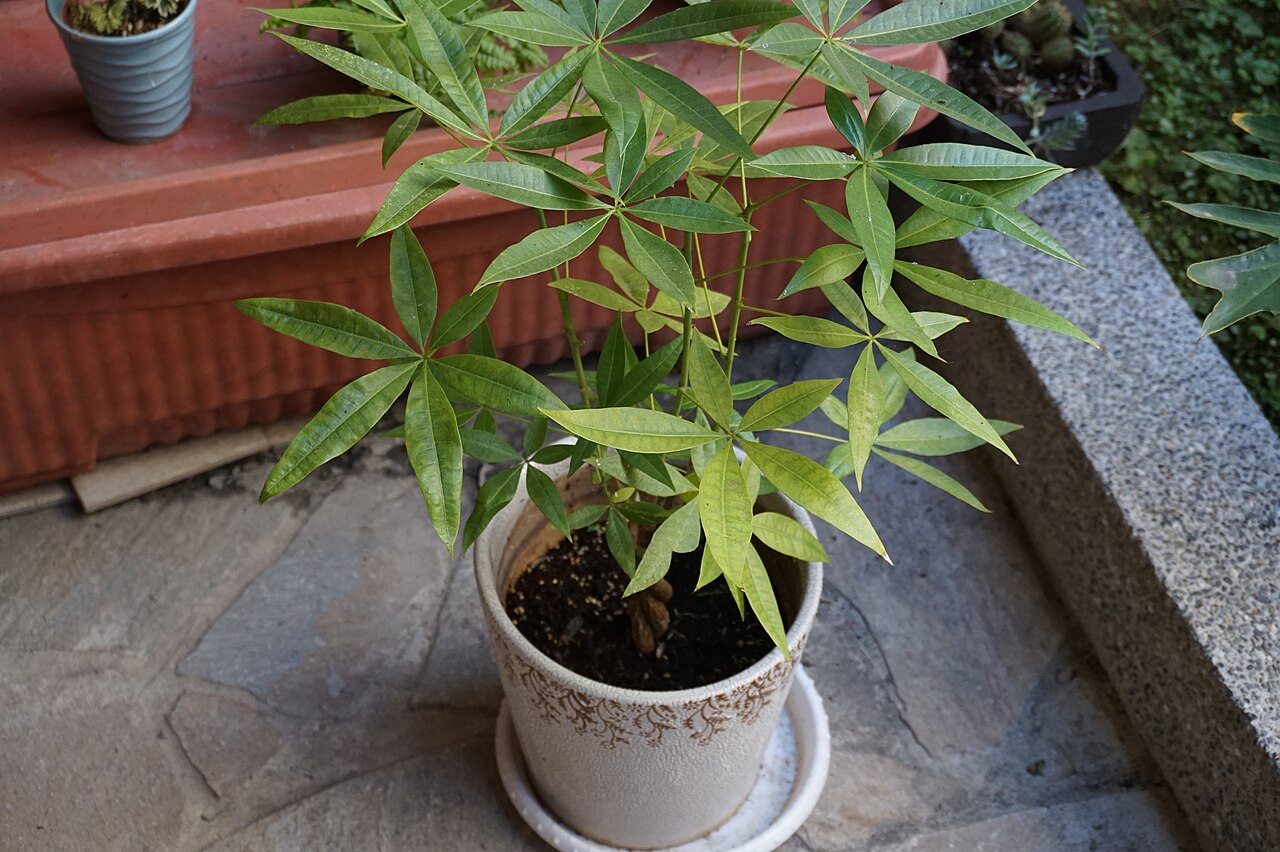
Beyond the Ficus family, several other tree forms excel indoors. Dracaena marginata, the dragon tree, features slender architectural trunks topped with tufts of ribbon-like foliage, making it ideal for narrow corners where wide-spreading branches would crowd furniture. Pachira aquatica, the money tree, thrives in bright indirect exposure and tolerates varied moisture levels thanks to its swollen water-storing trunk. If you admire delicate lacy canopies, Radermachera sinica, known as the china doll plant, provides finely divided glossy leaves that stay compact with regular trimming. You can also explore caring for broadleaf indoor plants alongside tall woody companions to create multi-tiered indoor garden displays.
Always examine the physical form of a young tree before purchasing. Look for a central leader that rises straight from the root flare. Avoid specimens with crossed or rubbing branches that will cause bark friction wounds later. Inspect the soil surface for exposed girdling roots that circle tightly around the collar, as these roots will strangle vertical growth as the trunk expands. Check the undersides of leaves and branch crotches for hidden pests. Starting with a structurally balanced, pest-free specimen saves months of remedial care.
2. Mastering Indoor Lighting Dynamics for Tall Canopies
Light is the fuel that powers every branch, leaf, and feeder root on your indoor tree. Because trees occupy considerable vertical space, they present a unique lighting challenge that smaller container plants never face. In a standard room, natural light intensity drops off steeply with height and distance from the window. The top of your tree canopy may receive four hundred foot-candles of light near the ceiling, while the lower skirt of branches lingers in shadowy dimness below one hundred foot-candles.
Place your houseplant tree directly in line with your brightest exposures. An unobstructed east-facing window delivers gentle morning sun that warms the leaves without scorch risks. South-facing and west-facing windows offer intense afternoon illumination, which is ideal for sun-loving varieties like Ficus lyrata and citrus trees. When positioning a tree in a south-facing room, place it two to four feet back from the glass or hang a sheer white linen curtain to diffuse the harshest midday rays during peak summer heat.
Rotate your tree one-quarter turn every two weeks. Trees naturally exhibit phototropism, bending their trunks and angling their leaf blades toward the predominant light source. If you leave an indoor tree stationary for several months, the branches facing the wall will starve, turn pale, and drop, leaving you with an awkward, lopsided canopy. Regular rotation ensures that all sides of the foliage receive equal photosynthetic opportunity, encouraging balanced branch development all around the perimeter.
During short, overcast winter days, ambient window light often falls below the minimum maintenance threshold for tropical trees. Research from the University of Minnesota Extension on caring for houseplants emphasizes that supplemental full-spectrum grow lights can make the difference between active winter survival and persistent leaf loss. Consider installing an overhead pendant grow lamp equipped with a high-CRI LED bulb directly above the crown. Setting the lamp on a timer for ten to twelve hours daily supplies consistent photons that prevent winter dieback.

3. Container Stability, Root Space, and Aerated Potting Mixes
A mature indoor tree is tall and top-heavy. As the foliage expands, the canopy acts like a sail, catching indoor drafts from open windows or passing foot traffic. If your tree is planted in a lightweight plastic nursery pot, a gentle nudge can send the entire plant crashing to the floor, snapping woody stems and scattering gallons of damp potting mix across your carpet.
Choose heavy, broad-based planters made from terracotta, glazed ceramic, or stone composites. The weight of the container anchors the specimen securely, while the porous walls of unglazed terracotta allow atmospheric gases to diffuse naturally through the root perimeter. Ensure that any decorative planter you select includes generous drainage holes at the base. Growing an indoor tree in a sealed vessel without drainage is a guaranteed recipe for root death, as stagnant water accumulates at the base and creates an anaerobic breeding ground for pathogenic water molds.
Standard bagged potting soil from big-box garden centers is often too fine, dense, and moisture-retentive for large indoor containers. In a twelve-inch or fourteen-inch pot, heavy peat settles into a dense, muddy mass at the bottom that takes weeks to dry out. The upper six inches may feel dry to the touch while the deep roots suffocating in soggy muck below rot away unnoticed. To avoid this hazard, mix your own airy, coarse substrate designed specifically for deep container culture:
- Blend two parts coarse horticultural pine bark nuggets or orchid bark chips.
- Add two parts chunky perlite or coarse pumice to create open macropores.
- Incorporate two parts coarse coconut coir or fibrous sphagnum peat moss.
- Mix in one part well-aged compost or earthworm castings for gentle, organic bioactivity.
This coarse, chunky blend maintains structural integrity for years without decomposing into silt. When you pour water across the soil surface, the moisture cascades rapidly through the root zone, coating every particle while allowing excess volume to escape freely through the bottom holes. Air rushes into the pore spaces immediately behind the draining water, delivering fresh oxygen directly to hungry root tips. You can discover more about balancing container substrates by reading our guide to managing indoor soil moisture effectively.
4. Watering Mechanics: Deep Saturation and Soil Drying Cycles
Watering a large indoor tree requires a fundamentally different mindset than watering small potted herbs. The volume of soil inside a fourteen-inch planter is substantial, holding several gallons of potting substrate. Surface sprinkling is the number one cause of declining indoor trees. When gardeners pour a small cup of water over the soil surface every two or three days, only the top two inches get wet. The bottom two-thirds of the container, where the primary taproots and anchor roots reside, remains bone-dry. The deep roots shrivel, causing lower leaves to yellow and drop prematurely.
Adopt a deep saturation routine followed by an intentional drying cycle. Before adding water, test the soil moisture at a depth of four to six inches using a wooden dowel, moisture meter, or clean finger. Insert the wooden dowel into the soil all the way toward the bottom third of the container, leave it for three minutes, and pull it out. If the wood emerges damp and dark with adhering soil particles, the root zone contains sufficient moisture. Hold off on watering. When the dowel comes out dry and clean, it is time for a thorough watering session.
Pour water slowly and evenly across the entire surface of the potting mix until liquid flows steadily out of the bottom drainage holes into the saucer below. Allow the container to drain completely for thirty to forty-five minutes. Afterward, empty the saucer thoroughly using a turkey baster or siphon. Never permit your indoor tree to sit in a saucer of standing drainage water. Capillary action will wick the stagnant water back up into the lower substrate, drowning roots and dissolving beneficial mycorrhizal fungi. Using room-temperature water avoids shocking warm tropical roots during cold winter months.
5. Structural Pruning, Staking, and Canopy Shaping
In nature, tropical trees grow tens of feet tall with thick, storm-hardened trunks supported by wind resistance and open sunlight. Indoors, without the mechanical stimulation of natural winds, trunks can grow slender and floppy if left unmanaged. Regular pruning and branch management control the physical dimensions of your tree, improve light penetration into the center of the canopy, and stimulate stronger woody development.
Perform major structural pruning in early spring just as natural day length begins to increase and active sap flow resumes. Use clean, razor-sharp bypass pruning shears sterilized with seventy percent isopropyl alcohol. Always make cuts just above an outward-facing leaf node or lateral branch union. Cutting back to an outward-facing bud directs new foliage away from the center of the tree, preserving an open, vase-shaped framework that lets air and sunlight circulate freely through the interior.
Remove the three classic structural liabilities whenever you spot them: dead or withered wood, inward-growing branches that crisscross the central trunk, and weak water sprouts that shoot straight up from the base of the plant. If your tree has grown too tall for your ceiling, you can top the central leader with a clean forty-five-degree cut. Topping removes apical dominance, encouraging dormant buds below the cut to break open and produce a fuller, bushier canopy. For detailed insights on woody plant physiology, consult the Penn State Extension guide to houseplant care.
Young indoor trees often require temporary staking to remain upright while their root systems anchor into the fresh potting mix. Insert a sturdy bamboo pole or hardwood stake close to the central trunk, taking care not to impale major root masses. Secure the trunk to the stake using soft, flexible garden ties or strips of green stretch tape. Never use bare wire, nylon string, or tight zip ties, as these will cut into the expanding cambium layer and strangle the tree. Fasten the ties loosely, allowing a few inches of natural sway. Slight movement stimulates the tree to produce reaction wood, thickening the lower trunk and building independent stability over time.

6. Nourishing Large Indoor Specimens Without Salt Toxicity
Because an indoor tree is confined to a finite volume of potting substrate, it relies entirely on you for the mineral nutrients needed to build cellular walls, synthesize chlorophyll, and support expansive foliage. However, indoor trees process fertilizer much more slowly than garden trees growing outdoors under intense sunlight. Over-fertilizing is far more destructive than under-fertilizing, leading to fertilizer salt burns, browned leaf tips, and root scorch.
Select a balanced, water-soluble liquid fertilizer with a roughly equal ratio of primary macronutrients, such as a 3-1-2 or 10-10-10 formula enriched with essential micronutrients like iron, magnesium, zinc, and manganese. Dilute the fertilizer to half or one-quarter of the package recommendation. Apply this diluted solution once every four weeks during the active spring and summer growing season, always applying it to damp soil rather than dry roots. Never pour chemical fertilizer onto bone-dry soil, as the concentrated salts will draw water out of root cells through reverse osmosis, scorching delicate root hairs.
As water evaporates from the container surface, unabsorbed fertilizer salts gradually accumulate as a white, crusty residue on the soil surface and along the rim of the pot. These mineral salts disrupt osmotic balance and cause leaf tips to turn crisp and brown. Flush your tree container twice a year by running copious amounts of pure tap water or rainwater through the pot, allowing gallons of clear water to wash excess salts out through the drainage holes. During late autumn and winter, pause fertilization entirely while the tree rests in response to shorter photoperiods.
7. Leaf Hygiene, Pest Defense, and Environmental Stability
The expansive foliage of an indoor houseplant tree acts like a giant dust filter inside your home. Over several months, household dust, lint, and airborne cooking oils settle on the upper surfaces of the leaves. This dusty coating blocks sunlight from reaching chlorophyll molecules, reducing photosynthetic capacity by up to thirty percent. Dusty foliage also creates an ideal breeding ground for microscopic spider mites, which thrive in warm, dry, undisturbed indoor environments.
Wipe your tree leaves clean once a month using a soft, damp microfiber cloth moistened with plain lukewarm water. Support the underside of each broad leaf with your open palm while wiping gently from the stem outward to the tip. Avoid using commercial leaf-shine sprays or petroleum-based oils. While these chemical sprays produce an artificial high-gloss shine, they clog the stomata, the microscopic pores through which the plant breathes and transpires moisture. Plain water keeps the foliage clean, healthy, and breathing freely.
Inspect branch crotches, leaf axils, and leaf undersides weekly for common houseplant pests. Spider mites reveal their presence through fine silky webbing and tiny yellow speckling across the foliage. Mealybugs appear as small, white, cottony masses tucked into protected stem joints. Scale insects look like smooth, waxy brown bumps that cling tightly to woody stems. Treat early infestations promptly by dabbing pests with a cotton swab dipped in isopropyl alcohol, or spray the entire canopy thoroughly with ready-to-use insecticidal soap. Horticultural recommendations from the University of Florida IFAS Extension confirm that early non-chemical washing and insecticidal soaps offer highly effective control without polluting indoor living spaces.
If you enjoy pairing upright trees with low-maintenance floor companions, consider grouping your specimen near low light houseplant companions like Sansevieria or cast iron plants. Grouping plants together creates a localized microclimate where collective transpiration raises ambient humidity, protecting sensitive tree foliage from dry winter heating systems.
8. Managing Winter Microclimates and Indoor Humidity Levels
Winter presents the most demanding conditions for any indoor tree. As outdoor temperatures plunge, residential central furnaces and radiant heat sources switch on, driving relative indoor humidity down below twenty percent. For tropical trees that naturally thrive in ambient humidity levels between fifty and seventy percent, this desert-like indoor atmosphere triggers rapid water loss through transpiration that root systems struggle to replenish.
You can identify humidity stress through several characteristic symptoms. Leaf margins turn crisp, brittle, and brown, new foliage unfurls with irregular tears or puckering, and young buds dry out and drop before opening. Avoid misting the canopy with a spray bottle as a remedy. While misting seems intuitive, the water droplets evaporate within fifteen minutes, creating rapid wetting and drying cycles that promote fungal leaf spot rather than elevating sustained ambient humidity.
To provide lasting moisture relief, place an evaporative or ultrasonic room humidifier five to six feet away from the tree canopy, maintaining relative humidity between forty-five and fifty-five percent throughout the heating season. Alternatively, set the heavy planter on top of a wide, shallow humidity tray filled with smooth river pebbles and water, ensuring the bottom of the pot rests completely above the water line. Grouping multiple companion plants closely around the base of the tree also creates a shared microenvironment where mutual moisture transpiration softens dry furnace drafts.
9. Root Pruning and Long-Term Container Maintenance
When an indoor tree has occupied the largest decorative container that your floor space can reasonably support, standard repotting into an even bigger vessel is no longer an option. At this stage, root pruning becomes the primary horticultural technique to maintain tree vitality and longevity without expanding container dimensions.
Root pruning is best performed in early spring every three to four years. With the help of a partner, gently lay the tree on its side across a tarp and ease the heavy root ball out of the pot. Use a sharp, sterilized pruning knife or root saw to slice two inches of root mass away from the outer perimeter and bottom of the root ball. Comb out any tightly bound or circling woody roots, trimming them cleanly back to fibrous feeder roots.
Clean the interior of the planter thoroughly, place fresh, coarse potting substrate across the bottom, and reposition the root ball inside the container. Fill the surrounding two-inch gap with fresh, aerated potting mix, tamping it down firmly with a wooden stick to eliminate air pockets. Water the tree deeply to settle the new substrate around the roots. Following root pruning, trim back ten to fifteen percent of the upper canopy foliage to balance top-growth transpiration demands with the temporarily reduced root volume. Within four to six weeks, fresh root hairs will colonize the new soil, restoring vigorous growth and stability.
Frequently Asked Questions About Growing an Indoor Houseplant Tree
Why is my indoor houseplant tree dropping its green leaves?
Sudden leaf drop on an otherwise healthy-looking tree is almost always a reaction to environmental stress or sudden relocation. Ficus species in particular drop foliage when moved to a darker room, exposed to cold drafts from an open door, or subjected to heating vents blowing dry air directly onto the canopy. Keep your tree in a stable location with consistent light and steady temperatures between sixty-five and seventy-five degrees Fahrenheit.
How often should I repot a large indoor tree?
Large indoor trees do not need frequent repotting. In fact, keeping an indoor tree somewhat root-bound helps manage its growth rate and prevents it from outgrowing your ceiling height. Repot every three to four years into a container only two to three inches wider in diameter. If your tree is already in the largest pot your room can accommodate, perform a top-dressing routine instead. Carefully scrape away the top two to three inches of old, depleted soil and replace it with fresh, nutrient-rich potting compost.
Can I keep a fruit tree like a lemon or calamondin indoors year-round?
Yes, dwarf citrus trees can thrive indoors, but they require exceptionally high light levels. Citrus trees need at least six to eight hours of direct, unfiltered sunlight daily to produce blooms and set fruit. If you do not have a large unobstructed south-facing window, you must supplement natural daylight with an overhead full-spectrum LED grow light positioned twelve to eighteen inches above the canopy.
How can I make my indoor tree grow a thicker, stronger trunk?
Trunk caliper increases in response to mechanical stimulation and abundant light. Prune back the top of the tree to encourage lower lateral branching, which forces the tree to allocate carbohydrates toward trunk expansion. You can also simulate outdoor wind by gently shaking the trunk with your hands for thirty seconds every day or placing an oscillating fan on low speed across the room to create gentle, continuous air movement.
What should I do if my indoor tree outgrows my ceiling?
Do not be afraid to prune the top of your tree. Identify the main central trunk and use sharp, clean loppers to cut it back six to twelve inches below your ceiling height, making the cut just above an outward-facing lateral branch. The tree will pause upward growth and channel its energy into branching outward, creating a fuller, more compact canopy that fits comfortably beneath your ceiling.
Dennis P. Hansen
Dennis P. Hansen is a home gardener with a genuine passion for plants and the simple pleasure of growing them. He enjoys caring for houseplants, succulents, and other plants at home while continually learning from everyday gardening experiences. Dennis likes to share practical plant care tips, useful observations, and simple solutions that can help others grow healthier plants. He believes that caring for plants is a rewarding journey and that there is always something new to learn along the way.